













How can carbon fiber body kits reduce fleet weight and operating costs?
- Enhancing Fleet Performance and Reducing Operating Costs with Carbon Fiber Body Kits
- 1. What are carbon fiber body kits, and how do they benefit fleet vehicles?
- 2. How does weight reduction from carbon fiber body kits impact fleet performance?
- 3. What are the durability and maintenance considerations for carbon fiber body kits?
- 4. Are there customization options available for carbon fiber body kits?
- 5. What are the cost implications of upgrading to carbon fiber body kits for a fleet?
- 6. How do carbon fiber body kits contribute to improved aerodynamics?
- 7. What are the environmental considerations when using carbon fiber body kits?
- 8. How does the integration of carbon fiber body kits affect fleet maintenance schedules?
Enhancing Fleet Performance and Reducing Operating Costs with Carbon Fiber Body Kits
Integrating carbon fiber body kits into your fleet can lead to significant weight reduction, improved performance, and cost savings. Below are some frequently asked questions to guide you in making informed decisions about incorporating carbon fiber components into your vehicles.
1. What are carbon fiber body kits, and how do they benefit fleet vehicles?
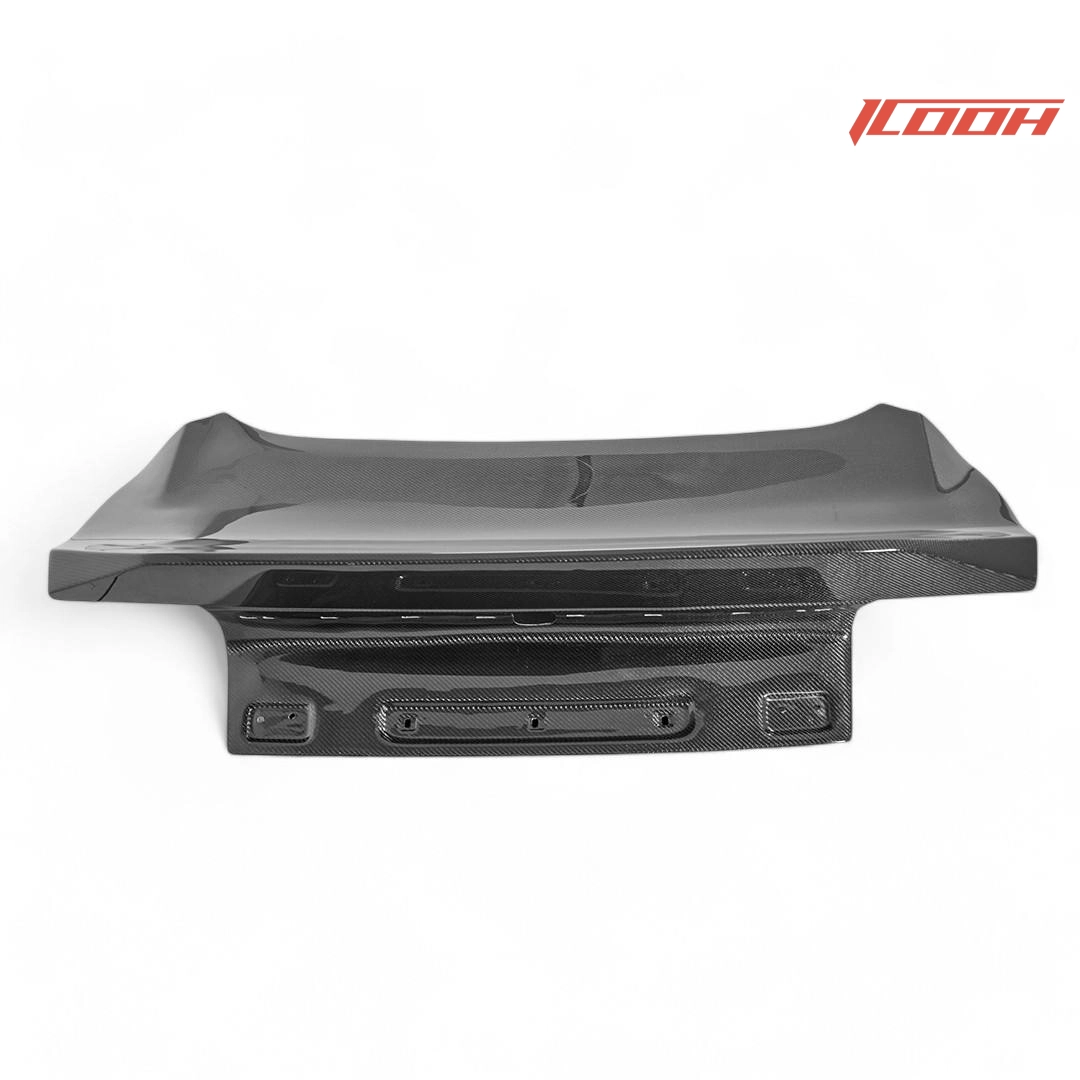
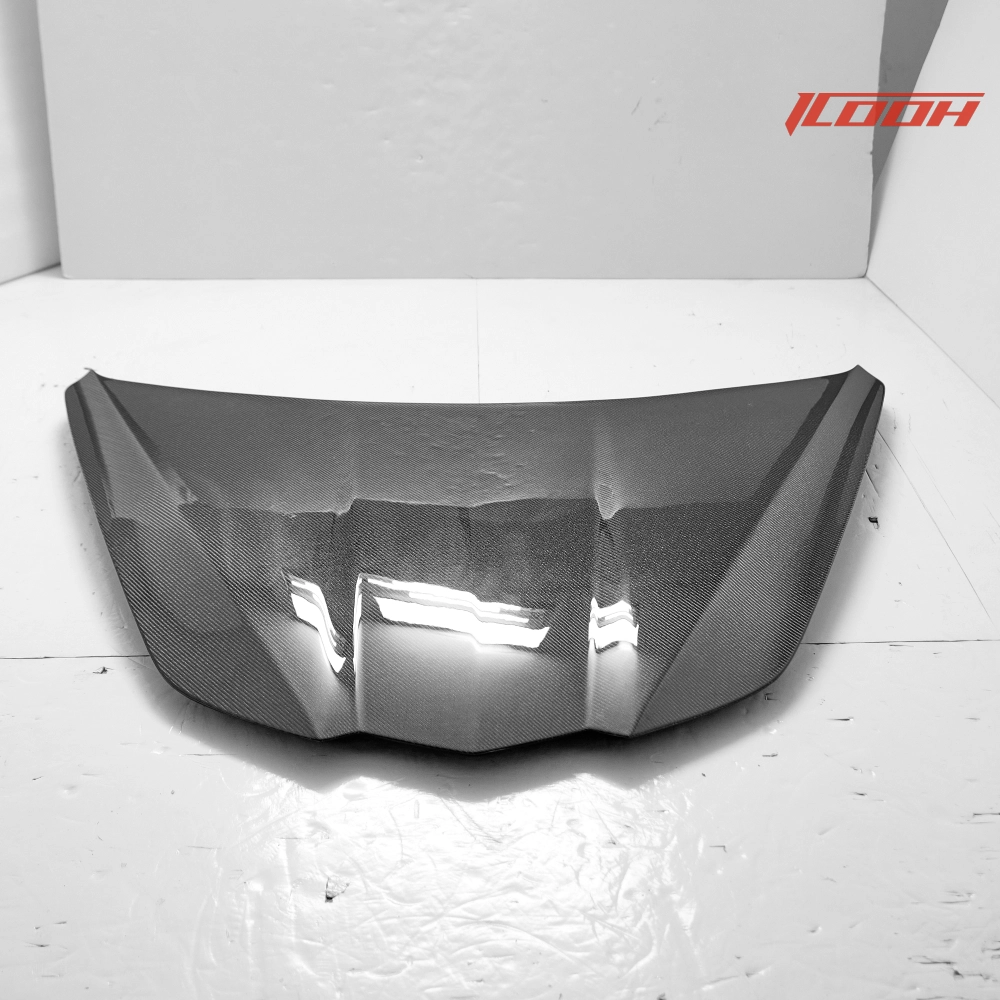
Carbon fiber body kits are aftermarket components made from carbon fiber-reinforced polymers, designed to replace or enhance existing vehicle panels. Incorporating these kits into fleet vehicles offers several advantages:
Weight Reduction: Carbon fiber components are significantly lighter than traditional materials like steel or aluminum, leading to reduced overall vehicle weight.
Improved Performance: The reduction in weight enhances acceleration, handling, and braking, resulting in more responsive and efficient vehicles.
Cost Savings: Lighter vehicles consume less fuel, leading to lower operating costs over time.
2. How does weight reduction from carbon fiber body kits impact fleet performance?
Reducing vehicle weight through carbon fiber body kits offers several performance benefits:
Enhanced Acceleration: Lighter vehicles require less energy to move, improving acceleration and responsiveness.
Improved Handling: Reduced weight lowers the center of gravity, enhancing stability and cornering capabilities.
Better Fuel Efficiency: A 10% reduction in vehicle weight can lead to a 6-8% improvement in fuel economy, resulting in significant savings for fleet operations.
3. What are the durability and maintenance considerations for carbon fiber body kits?
Carbon fiber body kits are known for their durability and low maintenance requirements:
Corrosion Resistance: Unlike metal components, carbon fiber does not rust, reducing maintenance costs associated with corrosion.
Heat Resistance: Carbon fiber components can withstand high temperatures without deformation, making them suitable for various operating conditions.
UV Stability: High-quality carbon fiber components come with UV-resistant coatings, maintaining their appearance over time.
4. Are there customization options available for carbon fiber body kits?
Yes, carbon fiber body kits offer extensive customization possibilities:
Design Flexibility: Carbon fiber's adaptability allows for intricate and unique designs, including spoilers, diffusers, and air dams that enhance both aesthetics and aerodynamics.
Finish Options: Available in various finishes such as matte, gloss, or painted overlays to match or contrast vehicle colors.
Tailored Fitment: Custom manufacturing ensures components are molded or CNC-trimmed to the exact dimensions of each vehicle, ensuring precise fitment and easier installation.
5. What are the cost implications of upgrading to carbon fiber body kits for a fleet?
While carbon fiber body kits are more expensive than traditional materials, they offer long-term value:
Initial Investment: High-quality carbon fiber components can be costly, with prices varying based on complexity and customization.
Long-Term Savings: The reduction in vehicle weight leads to improved fuel efficiency, resulting in significant savings over time.
Resale Value: Vehicles equipped with premium carbon fiber components may have higher resale value due to enhanced performance and aesthetics.
6. How do carbon fiber body kits contribute to improved aerodynamics?
Carbon fiber body kits can enhance a vehicle's aerodynamics by:
Reducing Drag: Sleek designs minimize air resistance, improving fuel efficiency.
Increasing Downforce: Components like spoilers and diffusers generate downforce, enhancing stability at high speeds.
7. What are the environmental considerations when using carbon fiber body kits?
While carbon fiber offers numerous benefits, there are environmental considerations:
Manufacturing Impact: The production of carbon fiber is energy-intensive, contributing to its higher cost.
Recycling Challenges: Recycling carbon fiber composites is complex, though research is ongoing to improve recyclability.
8. How does the integration of carbon fiber body kits affect fleet maintenance schedules?
Integrating carbon fiber body kits into your fleet can lead to:
Reduced Maintenance: The durability and corrosion resistance of carbon fiber components decrease the frequency and cost of repairs.
Extended Component Lifespan: High-quality carbon fiber components can maintain their appearance and functionality over time, reducing the need for replacements.
Incorporating carbon fiber body kits into your fleet can lead to significant performance enhancements and cost savings. By understanding the benefits and considerations, you can make informed decisions that align with your fleet's operational goals.
ICOOH offers high-quality carbon fiber body kits designed to enhance vehicle performance and aesthetics. With a focus on durability, customization, and customer satisfaction, ICOOH is a trusted partner for your fleet enhancement needs.

What Does Brake Fluid Do? Functions and Importance Explained

Do disc brakes need maintenance?

what car has the biggest brake calipers?

what wheel offset for big brake kit clearance?
About After Sales Support
Customer Feedback & Improvement
Feedback Channel:A special feedback form is available on our official website; customers can submit suggestions on product quality, service experience, or functional needs.
Off-Road Vehicles
Can it handle heavy loads or long-distance expeditions?
Designed for high loads and long-term continuous braking, ensuring reliability over long distances.
About Company
Are you a manufacturer or a trading company?
We come directly from the factory and also have a sales office in Baiyun Guangzhou.
About Cooperation Process
How is your quality?
Certified to ISO 9001. Core components like brake calipers undergo 1200℃ high-temperature resistance testing, and carbon-ceramic materials comply with FMVSS 135 standards.
Racing Vehicles
How long can the product maintain stable performance at high temperatures?
Tests have shown that it can maintain a stable friction coefficient continuously at temperatures of 600–800°C, with no noticeable degradation.
Explore More Automotive News
Subscribe to our newsletter for the latest tuning cases, technology trends, and industry analysis.
Lightweight. Durable. Uniquely Yours.
ICOOH is a pioneer in automotive performance and exterior upgrades, compatible with 99% of vehicles worldwide. Let ICOOH be your professional supplier of car tuning parts and performance automotive accessories.
Facebook
Linkedin
Youtube
Instagram