













What are shipping, import and compliance costs for carbon fiber body kits?
- Understanding Carbon Fiber Body Kits: Shipping, Import, and Compliance Costs
- 1. What Are Carbon Fiber Body Kits?
- 2. How Are Carbon Fiber Body Kits Shipped?
- 3. What Are the Import Duties and Taxes for Carbon Fiber Body Kits?
- 4. Are There Compliance Standards for Carbon Fiber Body Kits?
- 5. How Do I Evaluate the Quality of a Carbon Fiber Body Kit?
- 6. What Are the Lead Times for Ordering Carbon Fiber Body Kits?
- 7. Are There Minimum Order Quantities (MOQs) for Carbon Fiber Body Kits?
- 8. How Do I Ensure Compliance with Import Regulations?
- Conclusion: Why Choose ICOOH for Your Carbon Fiber Body Kits?
Understanding Carbon Fiber Body Kits: Shipping, Import, and Compliance Costs
Carbon fiber body kits are a popular choice among performance car enthusiasts due to their lightweight nature and enhanced durability. However, purchasing these kits involves navigating various shipping, import, and compliance considerations. This guide addresses common questions to assist you in making informed decisions.
1. What Are Carbon Fiber Body Kits?
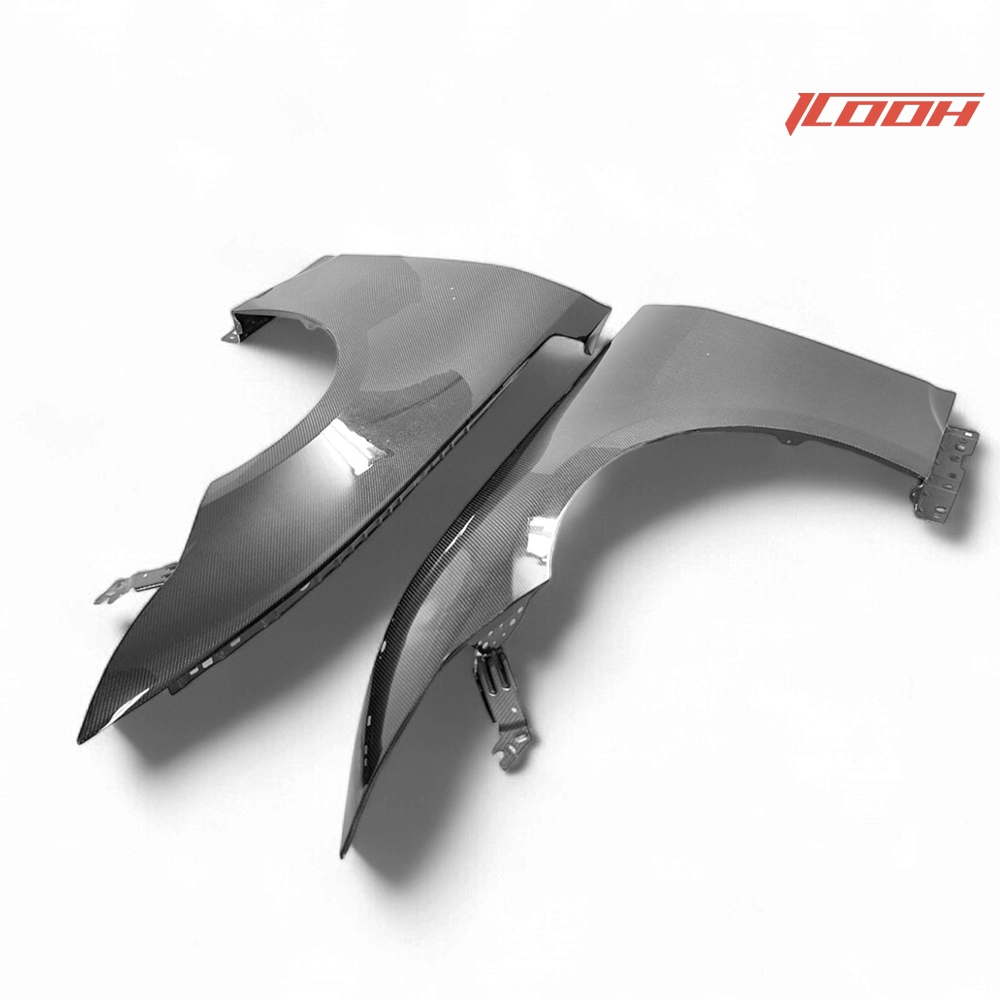
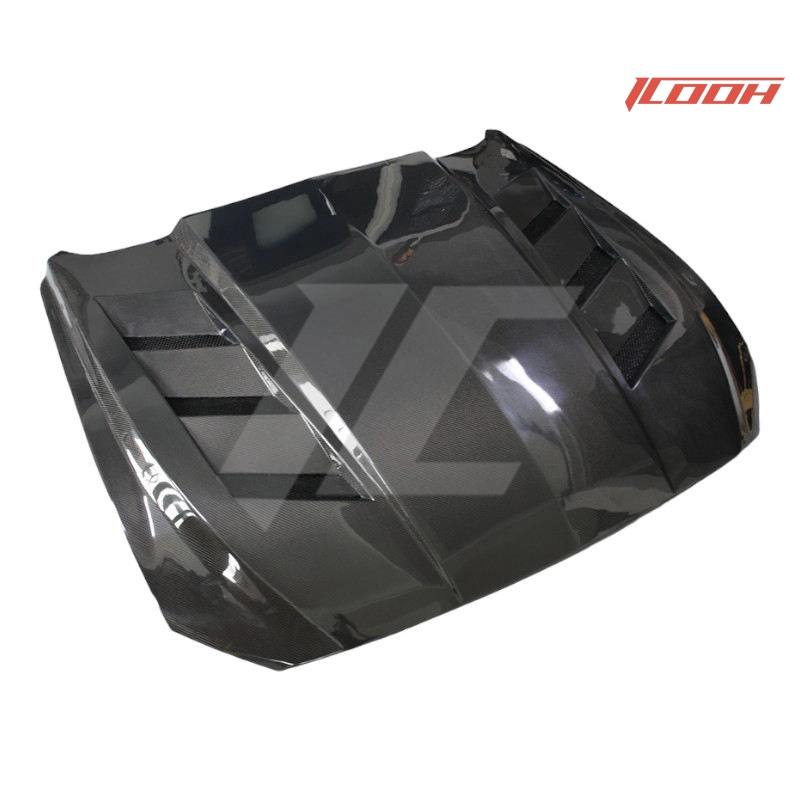
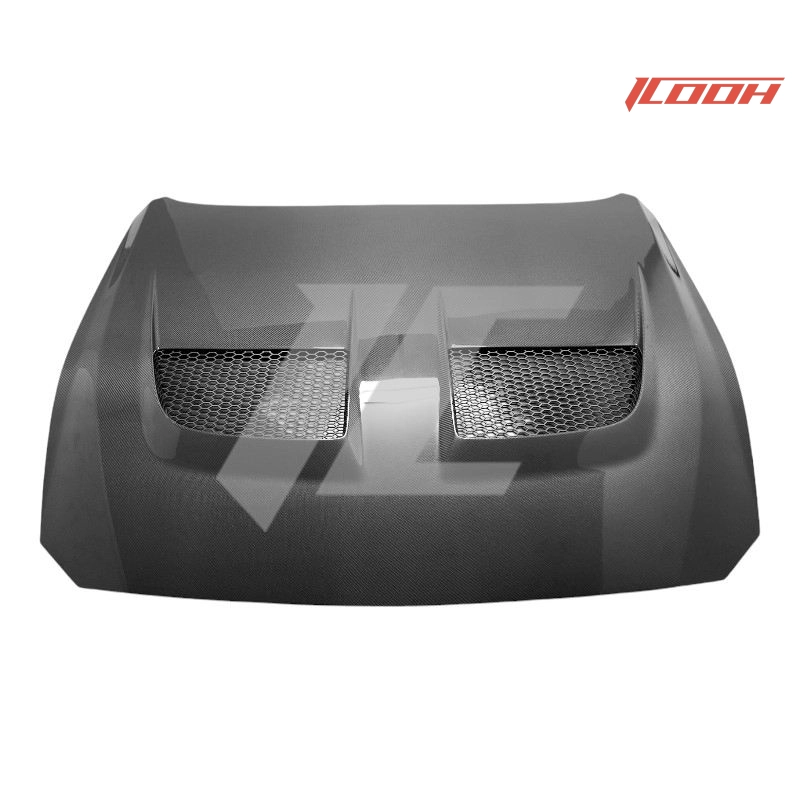
Carbon fiber body kits are aftermarket components designed to replace or enhance existing parts of a vehicle's exterior. Made from carbon fiber, these kits offer reduced weight and increased strength, contributing to improved performance and aesthetics.
2. How Are Carbon Fiber Body Kits Shipped?
Shipping methods for carbon fiber body kits vary based on the item's size and destination. Lightweight items like spoilers may be shipped via standard postal services, while larger components are typically sent through freight services. For instance, companies like Body Kits Etc. ship larger items via freight ground (truck) FREIGHT COLLECT, meaning the customer pays for shipping upon arrival.
3. What Are the Import Duties and Taxes for Carbon Fiber Body Kits?
Import duties and taxes on carbon fiber body kits depend on the country of origin and the item's classification. In the United States, the Harmonized Tariff Schedule (HTS) code for carbon fiber automotive parts can influence the duty rate. For example, discussions among enthusiasts have indicated that import duties can range from 10% to 25%, depending on various factors. It's advisable to consult the latest HTS codes and duty rates to estimate potential costs accurately.
4. Are There Compliance Standards for Carbon Fiber Body Kits?
Yes, carbon fiber body kits must comply with specific standards to ensure safety and performance. In the U.S., the Federal Motor Vehicle Safety Standards (FMVSS) set requirements for vehicle components. Additionally, certifications like ISO 9001 and TÜV approval indicate that products have undergone rigorous testing and meet established benchmarks. ((https://www.icooh.com/article/evaluating-carbon-fiber-body-kit-suppliers-quality-certification/))
5. How Do I Evaluate the Quality of a Carbon Fiber Body Kit?
To assess the quality of a carbon fiber body kit, consider the following:
Material Quality: Ensure the kit is made from high-grade carbon fiber, which offers superior strength-to-weight ratios.
Supplier Reputation: Choose manufacturers with positive reviews and a history of delivering quality products.
Certifications: Look for products that have been tested and certified by recognized standards organizations.
Fitment and Design: Verify that the kit is designed for your specific vehicle model to ensure proper fitment and performance.
6. What Are the Lead Times for Ordering Carbon Fiber Body Kits?
Lead times can vary based on the supplier and the complexity of the kit. For bulk orders, suppliers in Asia may require 30-45 days for production, including quality inspections. Air shipping can reduce this to approximately 7 days, though it may increase costs by about 35%.
7. Are There Minimum Order Quantities (MOQs) for Carbon Fiber Body Kits?
Minimum order quantities depend on the supplier and the nature of the order. Standard kits often start at 50 units, while bespoke designs may require 200 or more units. Some suppliers accommodate smaller orders with premium pricing. It's essential to discuss MOQs with potential suppliers to understand their policies.
8. How Do I Ensure Compliance with Import Regulations?
To ensure compliance with import regulations:
Research HTS Codes: Determine the correct HTS code for your product to understand applicable duties and taxes.
Consult Customs Authorities: Engage with U.S. Customs and Border Protection for guidance on import requirements.
Work with Experienced Suppliers: Choose suppliers familiar with U.S. import regulations to facilitate a smoother process.
Stay Updated: Import regulations can change; regularly check for updates to remain compliant.
Conclusion: Why Choose ICOOH for Your Carbon Fiber Body Kits?
When selecting a supplier for your carbon fiber body kits, consider ICOOH's commitment to quality, compliance, and customer satisfaction. ICOOH offers:
High-Quality Products: Manufactured to meet international standards, ensuring durability and performance.
Expert Guidance: Assistance with navigating shipping, import duties, and compliance requirements.
Customer Support: Dedicated support to address any questions or concerns throughout your purchasing process.
By choosing ICOOH, you can confidently enhance your vehicle with premium carbon fiber body kits that meet all necessary standards and regulations.
References:
Body Kits Etc. Shipping Information:
Evaluating Carbon Fiber Body Kit Suppliers: ((https://www.icooh.com/article/evaluating-carbon-fiber-body-kit-suppliers-quality-certification/))
Carbon Body Kit Wholesaler Information:
Import Duties Discussion on Rennlist:
Carbon Body Kit Supplier Information:

What is the difference between floating and non floating disc brakes?

What are floating brake rotors?

How Can I Tell If My Rotor Is Bad? Key Warning Signs Explained

Do I need to replace brake pads and rotors together?
Racing Vehicles
What are the after-sales and warranty policies?
We offer a 12-24 month warranty (depending on the product series), along with on-track technical consultants and fast spare parts support.
Can you provide test data or performance curves?
We can provide friction coefficient curves, heat resistance life test reports, braking distance data, and more.
ICOOH IC6
What can you buy from us?
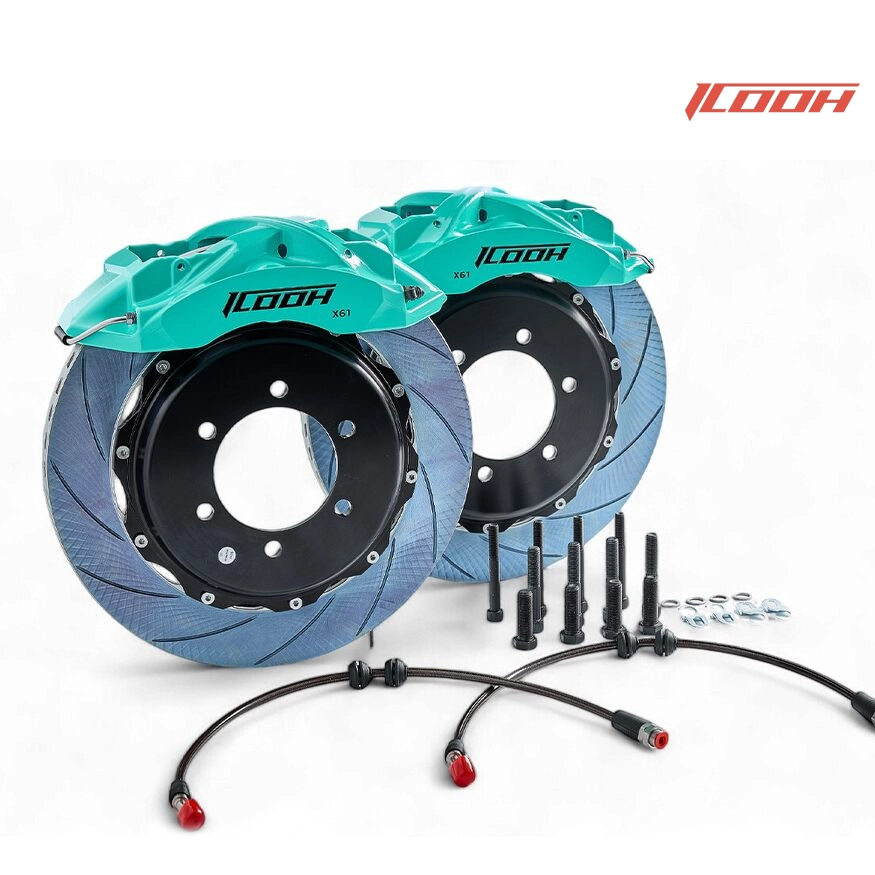
Automotive brake systems, large brake kits, brake calipers, genuine brake pads, brake lines and Carbon Fiber Body Kits.
About Company
OEM service?
We have a professional R&D team of engineers who can provide and design products for you.
About Application
Why choose carbon fiber/lightweight materials?
Carbon fiber and lightweight alloys offer advantages such as high strength, low weight, and excellent heat dissipation. They enhance braking response and durability while effectively reducing unsprung mass, improving vehicle handling and acceleration.
Explore More Automotive News
Subscribe to our newsletter for the latest tuning cases, technology trends, and industry analysis.
Lightweight. Durable. Uniquely Yours.
ICOOH is a pioneer in automotive performance and exterior upgrades, compatible with 99% of vehicles worldwide. Let ICOOH be your professional supplier of car tuning parts and performance automotive accessories.
Facebook
Linkedin
Youtube
Instagram