













What installation training do resellers need for Big Brake Kits?
- Understanding Big Brake Kits: Installation, Training, and Performance Insights
- 1. What Are Big Brake Kits and How Do They Enhance Vehicle Performance?
- 2. What Installation Training Do Resellers Need for Big Brake Kits?
- 3. What Are the Common Installation Mistakes and How Can They Be Avoided?
- 4. How Do Big Brake Kits Affect Vehicle Warranty and Liability?
- 5. What Are the Performance Benefits of Upgrading to a Big Brake Kit?
- 6. How Do I Choose the Right Big Brake Kit for My Vehicle?
- 7. What Maintenance Is Required After Installing a Big Brake Kit?
- 8. How Do I Install a Big Brake Kit Step by Step?
- 9. What Are the Costs Associated with Big Brake Kits?
- 10. How Do I Ensure Proper Bedding of New Brake Pads After Installation?
- 11. What Are the Advantages of Choosing ICOOH for Big Brake Kits?
Understanding Big Brake Kits: Installation, Training, and Performance Insights
Big Brake Kits (BBKs) are a popular upgrade for performance vehicles, offering enhanced stopping power and improved aesthetics. This guide addresses common questions regarding BBK installation, reseller training, and performance considerations.
1. What Are Big Brake Kits and How Do They Enhance Vehicle Performance?
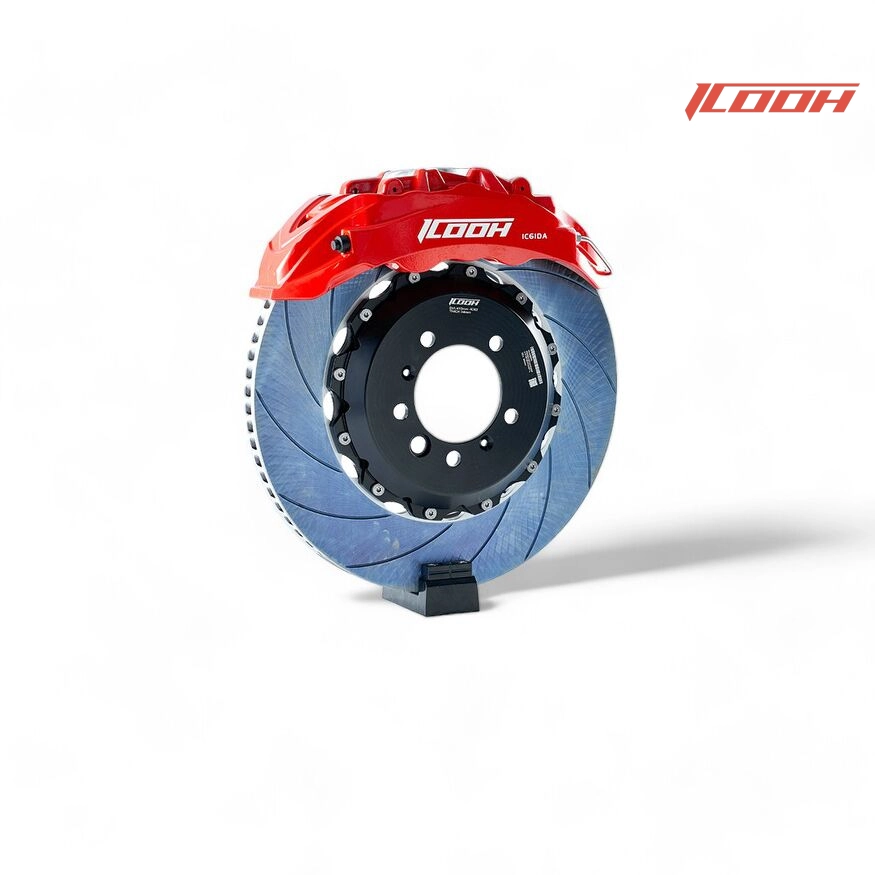
Big Brake Kits consist of larger rotors, multi-piston calipers, and high-performance pads designed to improve braking efficiency. They offer:
- Reduced Stopping Distances: Larger rotors dissipate heat more effectively, reducing brake fade.
- Improved Heat Management: Enhanced components handle higher temperatures, maintaining consistent performance.
- Aesthetic Appeal: Larger, more aggressive-looking brakes enhance the vehicle's appearance.
2. What Installation Training Do Resellers Need for Big Brake Kits?
Resellers should be equipped with comprehensive training to ensure proper installation and customer satisfaction. Key training areas include:
- Product Knowledge: Understanding BBK components, compatibility, and benefits.
- Installation Procedures: Familiarity with step-by-step installation processes to ensure safety and performance.
- Troubleshooting: Identifying and resolving common installation issues.
- Maintenance Guidance: Advising customers on post-installation care and maintenance.
Training programs, such as those offered by Brembo, provide in-depth knowledge and certification upon completion.
3. What Are the Common Installation Mistakes and How Can They Be Avoided?
Common installation errors include:
- Wheel Clearance Issues: Ensuring the BBK fits within the wheel well without interference.
- Incorrect Brake Line Routing: Properly routing lines to prevent kinks or damage.
- Improper Bleeding: Ensuring all air is removed from the brake system for optimal performance.
- Incorrect Torque Specifications: Using the correct torque settings to prevent component failure.
Adhering to manufacturer guidelines and utilizing professional training resources can mitigate these issues. ((https://www.icooh.com/article/big-brake-kits-guide/))
4. How Do Big Brake Kits Affect Vehicle Warranty and Liability?
Installing a BBK may impact vehicle warranties and liability:
- Warranty Implications: Some manufacturers may void warranties if aftermarket parts are installed.
- Liability Considerations: Resellers should clarify liability terms, especially for track use, and provide customers with necessary documentation.
It's crucial to communicate these aspects transparently to customers. ((https://www.icooh.com/article/big-brake-kits-guide/))
5. What Are the Performance Benefits of Upgrading to a Big Brake Kit?
Upgrading to a BBK offers several performance advantages:
- Enhanced Stopping Power: Larger rotors and multi-piston calipers provide more braking force.
- Reduced Brake Fade: Improved heat dissipation maintains braking performance under stress.
- Increased Pedal Feel: Multi-piston calipers offer better modulation and responsiveness.
These benefits are particularly noticeable in high-performance driving scenarios. ((https://www.icooh.com/article/big-brake-kits-guide/))
6. How Do I Choose the Right Big Brake Kit for My Vehicle?
Selecting the appropriate BBK involves considering:
- Vehicle Compatibility: Ensure the kit is designed for your specific make and model.
- Driving Style: Match the kit to your driving habits, whether street, track, or off-road.
- Budget: Balance cost with desired performance features.
Consulting with professionals and researching reputable brands can aid in making an informed decision.
7. What Maintenance Is Required After Installing a Big Brake Kit?
Post-installation maintenance includes:
- Regular Inspections: Check for wear and tear on components.
- Brake Fluid Replacement: Replace fluid as recommended to maintain performance.
- Rotor and Pad Monitoring: Ensure components are within serviceable limits.
Following a maintenance schedule ensures longevity and optimal performance of the BBK. ((https://www.icooh.com/installing-big-brake-kits-checklist/))
8. How Do I Install a Big Brake Kit Step by Step?
A general installation process involves:
- Preparation: Gather necessary tools and ensure vehicle stability.
- Removal: Take off existing brake components.
- Installation: Mount new brackets, rotors, and calipers.
- Connection: Attach brake lines and bleed the system.
- Testing: Verify functionality and address any issues.
Detailed guides and professional training can assist in this process.
9. What Are the Costs Associated with Big Brake Kits?
Costs vary based on:
- Brand and Quality: Premium brands may cost more but offer superior performance.
- Vehicle Specificity: Custom kits for specific vehicles can be more expensive.
- Installation: Professional installation adds to the overall expense.
It's essential to weigh the investment against the performance benefits. ((https://www.icooh.com/article/big-brake-kits-guide/))
10. How Do I Ensure Proper Bedding of New Brake Pads After Installation?
Proper bedding involves:
- Gradual Braking: Perform a series of moderate stops to transfer an even layer of pad material to the rotor.
- Avoid Overheating: Do not engage in aggressive driving during the bedding process.
- Follow Manufacturer Guidelines: Adhere to specific procedures provided by the pad manufacturer.
Proper bedding ensures optimal performance and longevity of the brake pads. ((https://www.icooh.com/article/big-brake-kits-guide/))
11. What Are the Advantages of Choosing ICOOH for Big Brake Kits?
ICOOH offers:
- Comprehensive Vehicle Compatibility: Kits designed for over 99% of vehicle models.
- In-House R&D: Advanced engineering ensures precise fitment and performance.
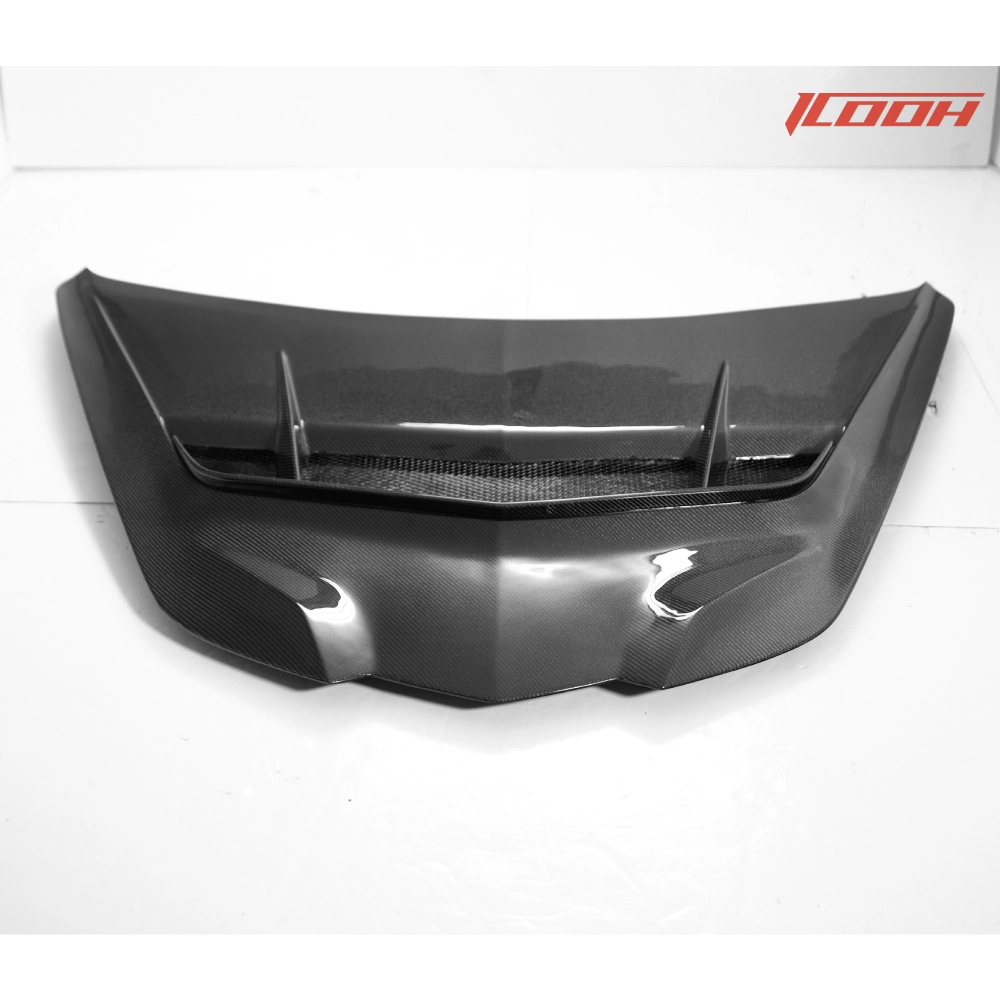
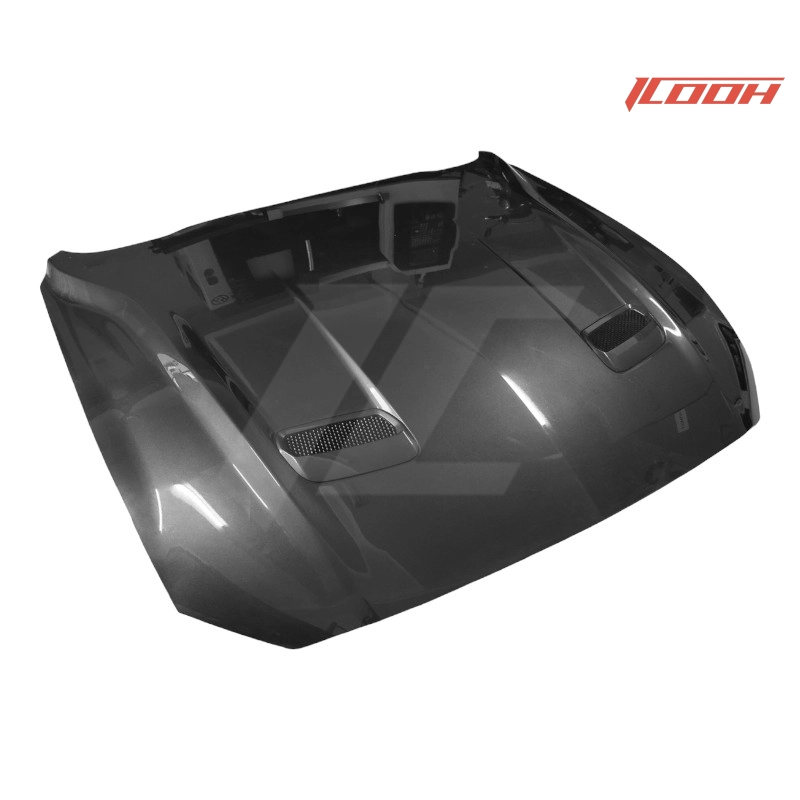
- Integrated Solutions: Offers big brake kits, carbon fiber body kits, and forged wheel rims for a cohesive upgrade.
Choosing ICOOH ensures quality, reliability, and a seamless upgrade experience. ((https://www.icooh.com/installing-big-brake-kits-checklist/))

What Does Brake Fluid Do? Functions and Importance Explained

Do disc brakes need maintenance?

what car has the biggest brake calipers?

what wheel offset for big brake kit clearance?
Racing Vehicles
Can you provide test data or performance curves?
We can provide friction coefficient curves, heat resistance life test reports, braking distance data, and more.
Daily Modified Vehicles
Can it be customized to suit my driving style?
Yes. We can provide different friction coefficient combinations and cooling solutions for daily driving or occasional track use.
What is the warranty policy?
We offer a 12–24 month warranty (depending on the product series) and dedicated technical support.
About Customized Services
Can the brake kits be sold under our own brand?
Absolutely. We support full OEM and private label branding, including logo engraving, packaging, and documentation.
ICOOH IC6
What can you buy from us?
Automotive brake systems, large brake kits, brake calipers, genuine brake pads, brake lines and Carbon Fiber Body Kits.

Explore More Automotive News
Subscribe to our newsletter for the latest tuning cases, technology trends, and industry analysis.
Lightweight. Durable. Uniquely Yours.
ICOOH is a pioneer in automotive performance and exterior upgrades, compatible with 99% of vehicles worldwide. Let ICOOH be your professional supplier of car tuning parts and performance automotive accessories.
Facebook
Linkedin
Youtube
Instagram