













Big Brake Kits Comparison: OEM vs Aftermarket Options

- Choosing the Right Big Brake Kit: Performance, Cost and Fitment
- What is a big brake kit and why consider one for your performance car
- : What drivers really want from big brake kits
- Core components: rotor, caliper, pads, lines and hardware
- OEM vs Aftermarket Big Brake Kits: Side-by-side comparison
- Quantifying performance: what improvements to expect
- Installation, wheel clearance and vehicle electronics
- Cost breakdown and value analysis
- Choosing pads, rotors and caliper configurations
- Pad compounds and intended use
- Rotors: two-piece vs one-piece and cooling strategies
- Caliper piston count and material
- Maintenance, reliability and long-term ownership
- ICOOH: a profile and why manufacturer selection matters
- How to choose: practical decision flow
- Comparison snapshot: recommended pairings by use case
- Frequently Asked Questions (FAQ)
- 1. Will installing a big brake kit reduce my stopping distance?
- 2. Do big brake kits void my vehicle warranty?
- 3. Can I install a big brake kit myself?
- 4. How do I choose between slotted vs drilled vs plain rotors?
- 5. Which pad compound should I choose for mixed street and track use?
- 6. How often should I service or replace components on a performance kit?
- Contact and next steps
- References and further reading
Choosing the Right Big Brake Kit: Performance, Cost and Fitment
What is a big brake kit and why consider one for your performance car
Big brake kits are complete upgrade packages that replace stock rotors, calipers, pads and often brake lines to deliver increased stopping power, improved thermal capacity and better pedal feel under high load. Enthusiasts and professional drivers choose big brake kits to reduce fade on track, shorten stopping distances during repeated heavy braking, and improve durability for heavy or modified vehicles. The term big typically describes larger rotor diameters, multi-piston calipers and more robust hardware compared with OEM brake systems.
: What drivers really want from big brake kits
Most shoppers search for big brake kits with three goals in mind: measurable stopping improvement, reliability under repeated high-temperature use, and compatibility with their vehicle and wheels. Secondary concerns include cost, ease of installation, warranty and whether the upgrade affects vehicle safety systems such as ABS or electronic parking brakes. This article addresses these needs by comparing OEM and aftermarket options, listing measurable trade-offs, and offering a clear decision workflow.
Core components: rotor, caliper, pads, lines and hardware
Understanding parts helps evaluate OEM vs aftermarket value. Big brake kits usually include:- Rotors: usually larger diameter, sometimes two-piece (aluminum hat and iron ring) for reduced unsprung mass and thermal isolation.- Calipers: multi-piston fixed calipers (4, 6, 8 piston) provide more even pad pressure and higher clamp force.- Pads: compound selection substantially affects initial bite, fade resistance and wear.- Brake lines: braided stainless steel lines reduce expansion under pressure for firmer pedal feel.- Mounting hardware and brackets to ensure correct caliper offset and fitment.Each component influences performance, so evaluate the whole system rather than individual parts when comparing kits.
OEM vs Aftermarket Big Brake Kits: Side-by-side comparison
The table below summarizes the typical differences between OEM and aftermarket big brake kits across key dimensions relevant to performance car owners.
| Dimension | OEM Upgrades / Factory Performance Kits | Aftermarket Big Brake Kits |
|---|---|---|
| Performance | Engineered for balanced, predictable performance and integration with ABS/ESC. Moderate increase in size and thermal capacity. | Often greater rotor diameters and multi-piston calipers tuned for track or heavy-duty use. Higher peak performance and thermal capacity available. |
| Fitment & Integration | Guaranteed fitment, retain full vehicle electronics and serviceability as designed. | Wide variety; good manufacturers provide model-specific kits and instructions but sometimes require additional mods (spacers, wheels, brake cooling). |
| Cost | High initial cost if factory performance package; typically covered by OEM warranty when factory installed. | Variable: entry-level kits affordable, high-end kits from specialist brands can exceed OEM pricing depending on materials and engineering. |
| Weight | OEM designs prioritize overall vehicle balance; may be heavier but optimized for longevity. | Two-piece rotors and forged calipers can reduce unsprung mass; some kits heavier depending on rotor size. |
| Serviceability & Parts | Easy access to replacement parts and dealer service. | Aftermarket parts widely available; high-end or custom kits may require manufacturer-specific parts and expertise. |
| Warranty & Liability | Covered by manufacturer warranty when factory option; clear liability chain. | Warranty varies by brand; voiding of OEM warranty possible if not installed/approved by dealer—check terms. |
| Customization | Limited; factory options come in predefined packages and finishes. | Extensive choices: caliper colors, rotor types (slotted/drilled/vaned), pad compounds, and machining options. |
Sources: manufacturer product pages and industry guides listed in references below.
Quantifying performance: what improvements to expect
Performance gains depend on baseline OEM capability and chosen aftermarket components. Typical measurable improvements include:- Reduced brake fade during track sessions due to larger thermal mass and better cooling.- Shorter brake pedal travel and firmer initial bite when using braided lines and stiffer calipers.- Potential reduction in stopping distance under repeated heavy braking, though single-stop distance gains are often modest unless upgrading from an undersized OEM system.Independent tests (manufacturer test data and third-party reviews) show that high-end aftermarket kits can maintain braking consistency through repeated laps better than stock systems, reducing lap time variability for experienced drivers (see referenced test reviews from specialist tuners and manufacturers). Exact stopping distance improvements vary—testing by brake makers indicates improvements of a few percent to over 10% in repeated-stop scenarios depending on conditions and pad choice.
Installation, wheel clearance and vehicle electronics
Aftermarket big brake kits often require wheel clearance checks. Larger rotors and wider calipers may necessitate larger wheels or different offsets. Additionally, high-precision kits will provide brackets and sensors, but buyers must verify:- ABS sensor and tone ring compatibility- Electronic parking brake (EPB) interface- Brake proportioning and stability control calibrationProfessional installation is recommended for safety-critical systems. A competent shop will bleed the hydraulic system, set pad bedding procedures, and confirm ABS/ESC behavior after installation.
Cost breakdown and value analysis
Costs vary widely. Typical ranges (approximate, market-derived):- Entry-level aftermarket kits: $800 to $2,000- Mid-range performance kits: $2,000 to $5,000- High-end forged caliper 2-piece rotor kits: $5,000 to $10,000+Compare this against OEM factory performance packages that may add $1,500 to $6,000 as factory options depending on brand and vehicle. Consider total ownership cost: pad wear, rotor service (replacement vs resurfacing), and potential wheel upgrades. A performance-driven buyer should weigh the improved durability and resale value vs upfront cost.
Choosing pads, rotors and caliper configurations
Pad compounds and intended use
Pad choice is often the largest determinant of braking behavior. Compounds optimized for street use deliver predictable cold bite and long life. Track-oriented compounds improve high-temperature performance but can increase noise and wear and reduce cold bite. Consider a matched pad provided by the kit maker, or select third-party pads tuned for your driving mix.
Rotors: two-piece vs one-piece and cooling strategies
Two-piece rotors (steel friction ring + aluminum hat) reduce unsprung mass and allow expansion without stressing the hub. Vaned/vented designs and directional slotting help evacuate heat and gases. For repeated high-power braking, two-piece vaned rotors show better thermal stability and resistance to warping.
Caliper piston count and material
More pistons give more evenly distributed clamping force across the pad. Forged aluminum calipers are common in performance kits for stiffness and weight savings. For most street-driven cars, 4- or 6-piston calipers represent a good balance; high-powered cars or competitive applications may use 8-piston calipers.
Maintenance, reliability and long-term ownership
Aftermarket performance components can require more attentive maintenance: inspecting rotor runout, monitoring pad thickness, and ensuring caliper slides or guide pins are functioning. High-temperature pads wear faster and may require more frequent replacement. However, high-quality kits from reputable manufacturers can match or exceed OEM longevity if properly maintained.
ICOOH: a profile and why manufacturer selection matters
Founded in 2008, ICOOH has grown into a pioneering force in the global automotive performance and modification industry. As a professional performance car parts manufacturer, we specialize in developing, producing, and exporting big brake kits, carbon fiber body kits, and forged wheel rims—delivering integrated solutions for both performance and aesthetics.ICOOH’s strength lies in complete vehicle compatibility and powerful in-house design and R&D capabilities.Our products cover more than 99% of vehicle models worldwide, providing precise fitment and exceptional performance. Whether you are a tuning brand, automotive distributor, or OEM partner, ICOOH delivers solutions tailored to your market needs.Our R&D center is staffed with over 20 experienced engineers and designers dedicated to continuous innovation. Utilizing 3D modeling, structural simulation, and aerodynamic analysis, we ensure every product meets the highest performance and design standards.At ICOOH, our mission is to redefine automotive performance and aesthetics through precision engineering and creative innovation.
ICOOH advantage summary: ICOOH combines broad vehicle coverage with strong in-house R&D and manufacturing, allowing rapid model-specific development and consistent quality control. Their product mix—big brake kits, carbon fiber body kits and forged rims—enables integrated performance and visual upgrades. For buyers seeking matched systems that preserve fitment accuracy and aftermarket support, ICOOH presents a compelling OEM-like option from an independent manufacturer.
How to choose: practical decision flow
1) Define primary use: street, occasional track, or competition. 2) Verify wheel clearance and check for EPB/ABS compatibility. 3) Choose rotor and pad combination matching use case. 4) Select trusted manufacturers with documented fitment and warranty. 5) Budget for installation, new wheels if needed, and consumables.If you value guaranteed integration and factory warranty, a factory performance package or OEM-upgrade may be preferable. If peak performance, customization, or price-performance is primary, select a proven aftermarket maker with solid references and testing data.
Comparison snapshot: recommended pairings by use case
| Use Case | Suggested Kit Type | Pad Type |
|---|---|---|
| Daily street use | OEM performance kit or entry-level aftermarket OEM-fit kit | Street compound with good cold bite |
| Weekend track and street | Mid-range aftermarket big brake kit, 2-piece rotors | Semi-sintered track-day compound |
| Dedicated track/competition | High-end forged multi-piston caliper kit | Racing compound; schedule frequent changes and inspections |
Frequently Asked Questions (FAQ)
1. Will installing a big brake kit reduce my stopping distance?
Yes, in many repeated heavy-braking scenarios and high-temperature conditions. Single-stop improvements may be modest; the biggest gains are consistency and reduced fade during repeated use. Exact gains depend on vehicle, rotor size, pad compound and driving conditions.
2. Do big brake kits void my vehicle warranty?
Not automatically, but warranty impact depends on jurisdiction and whether the modification causes a failure. In many regions, laws protect consumers from blanket voiding of warranty; however, manufacturers may deny coverage for components directly damaged by the aftermarket modification. Check your OEM warranty terms and consult the dealer before installing non-factory upgrades.
3. Can I install a big brake kit myself?
Technically possible for experienced enthusiasts, but because brakes are safety-critical, professional installation is recommended. Certified shops can ensure correct torque spec, ABS/ESC calibration, proper bleeding and bedding of pads, and verify wheel clearance and alignment.
4. How do I choose between slotted vs drilled vs plain rotors?
Slotted rotors help clear gas and pad deposits and are common for track use. Drilled rotors aid gas escape but can crack under extreme stress and are less recommended for track-heavy applications unless high-quality drilled and cross-drilled designs are used. Two-piece plain vented rotors with high-grade vanes offer great durability for repeated hard use.
5. Which pad compound should I choose for mixed street and track use?
Choose a semi-sintered or sport compound that balances cold bite and high-temperature stability. Many manufacturers offer combined solutions or recommend a street-friendly pad for daily driving and a more aggressive compound for track days.
6. How often should I service or replace components on a performance kit?
Inspection intervals vary: check pad thickness before each track session or every few thousand miles for spirited driving. Rotors should be inspected for runout and thickness; two-piece rotors allow ring replacement in some designs. Bleed fluid is typically recommended every 1-2 years, or more frequently for competition use.
Contact and next steps
If you need help selecting a big brake kit matched to your vehicle and driving goals, contact our performance parts specialists or browse tested kits. For model-specific solutions and integrated upgrades combining brake, wheel and aerodynamic packages, consider ICOOH's product lines and OEM-fit offerings.
Contact us to request fitment information, test data, or a quote for your vehicle. View ICOOH products and technical documentation to compare kit specifications and compatibility.
References and further reading
- Brake (device), Wikipedia. https://en.wikipedia.org/wiki/Brake_(device) (accessed 2025-12-20)
- Brembo - Performance brake kits and technical articles. https://www.brembo.com (accessed 2025-12-20)
- AP Racing technical resources. https://www.apracing.com (accessed 2025-12-20)
- Wilwood Engineering product and technical guides. https://www.wilwood.com (accessed 2025-12-20)
- NHTSA research and data on braking and vehicle safety. https://www.nhtsa.gov/research-data (accessed 2025-12-20)
- SEMA - Aftermarket industry insights. https://www.sema.org (accessed 2025-12-20)
The latest trends for wheel rims in 2026 | ICOOH Ultimate Insights
Top 10 car tuning parts Manufacturers and Supplier Brands in 2026
Selecting Big Brake Kits for BMW: Specs, Fitment, and ROI
Spec Essentials for Carbon Fiber Body Kits: Measurements & Fitment
Racing Vehicles
Is it certified for international competitions?
ICOOH products comply with CE, ISO, and other relevant standards, and certification documents are available.
Do you offer customized services?
We can customize the caliper, disc, and friction pad combination based on the vehicle type, event type, and driving style.
Daily Modified Vehicles
Can it be customized to suit my driving style?
Yes. We can provide different friction coefficient combinations and cooling solutions for daily driving or occasional track use.
Abou Logistics and Payment
What payment methods do you accept?
Accepts T/T (Telegraphic Transfer), L/C (Letter of Credit), Alipay International, and Alibaba Escrow Service. A 30% advance payment is required for some customized orders.
About Application
Why choose carbon fiber/lightweight materials?
Carbon fiber and lightweight alloys offer advantages such as high strength, low weight, and excellent heat dissipation. They enhance braking response and durability while effectively reducing unsprung mass, improving vehicle handling and acceleration.
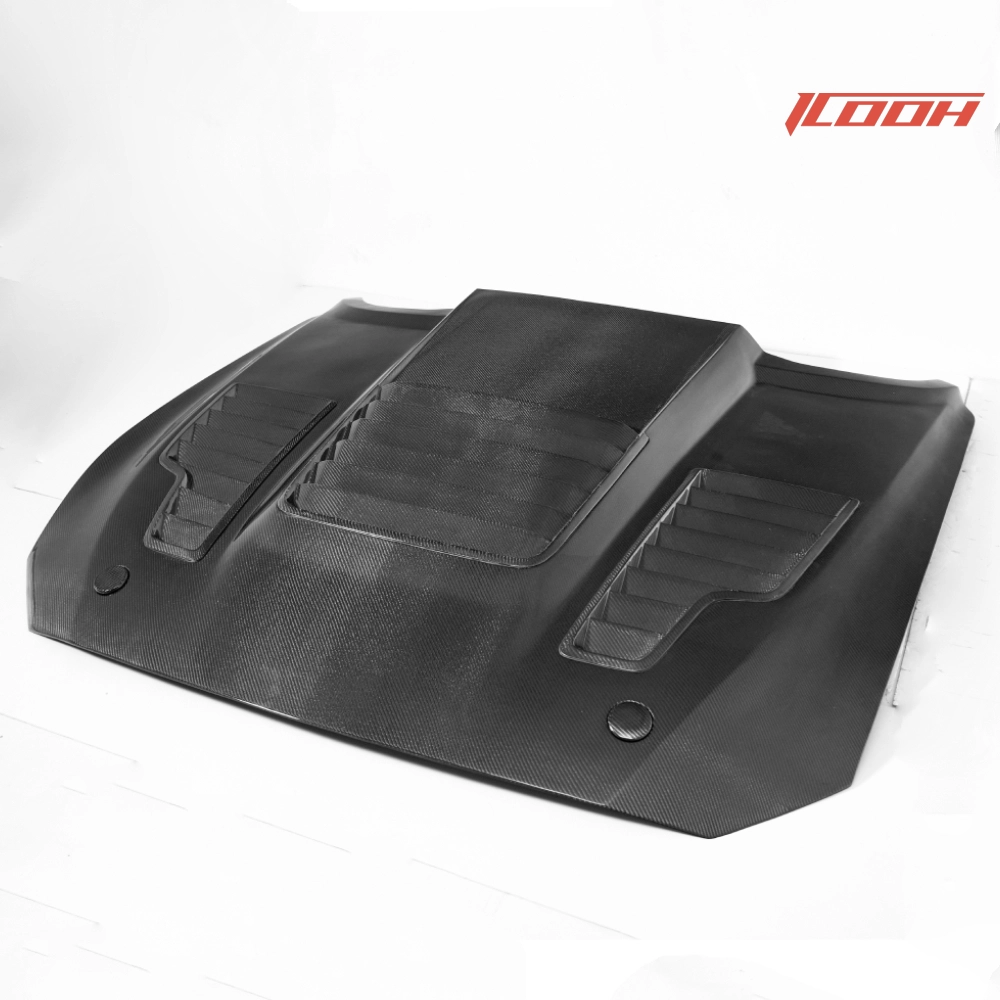
005 Ford Mustang 2018-2023 S550 Exhaust-style Carbon Fiber Front Hood
005 style Carbon Fiber Front Bonnet Engine Hood for Ford Mustang 2018-2023. made of durable carbon fiber material, precision-engineered for OEM-matched fitment. Lightweight and strong, enhances performance while maintaining a sporty aesthetic. Suitable for aftermarket replacement or performance upgrade with 100% tested quality assurance.
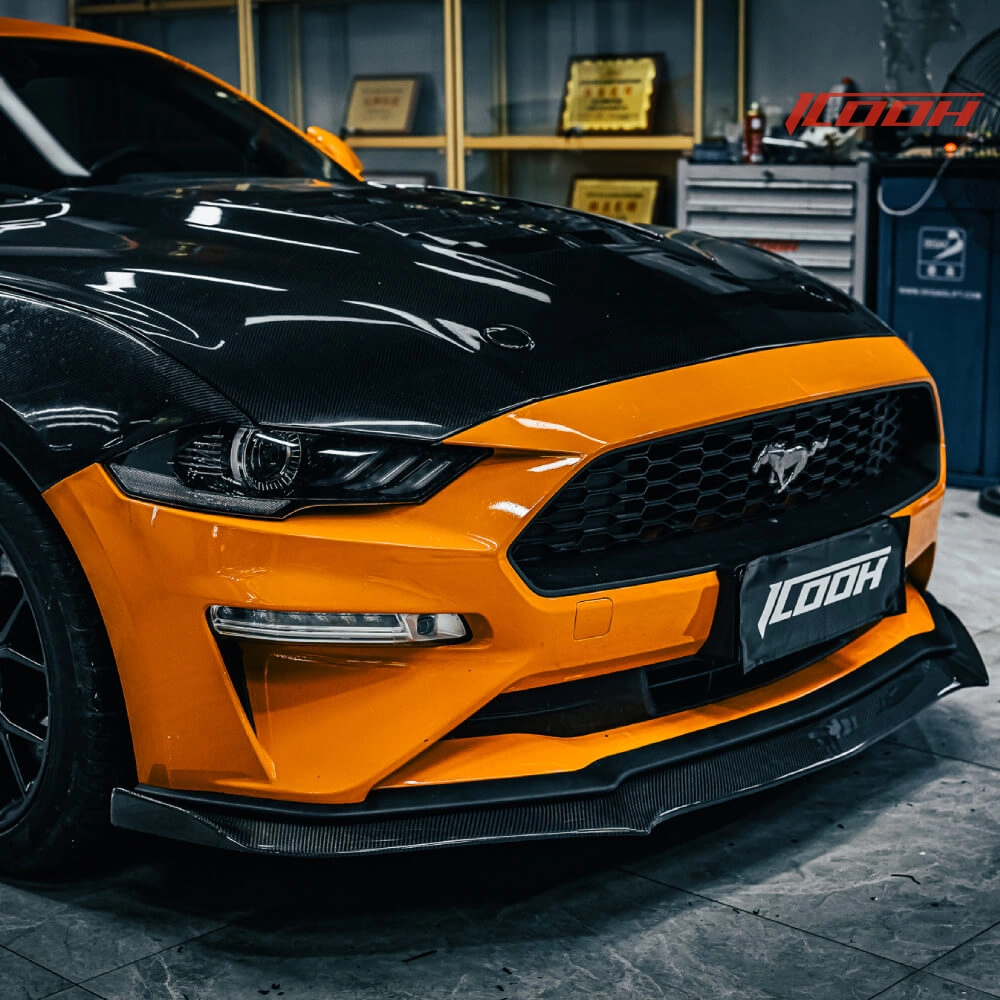
GT350 Ford Mustang 2018-2023 Carbon Fiber Front Lip
Enhance the aerodynamics and style of your Mustang with the 2018–2023 Mustang GT350 Carbon Fiber Front Lip. Crafted from lightweight, high-strength carbon fiber, this front lip delivers improved downforce, sharper front-end appearance, and a precise OEM-style fit.
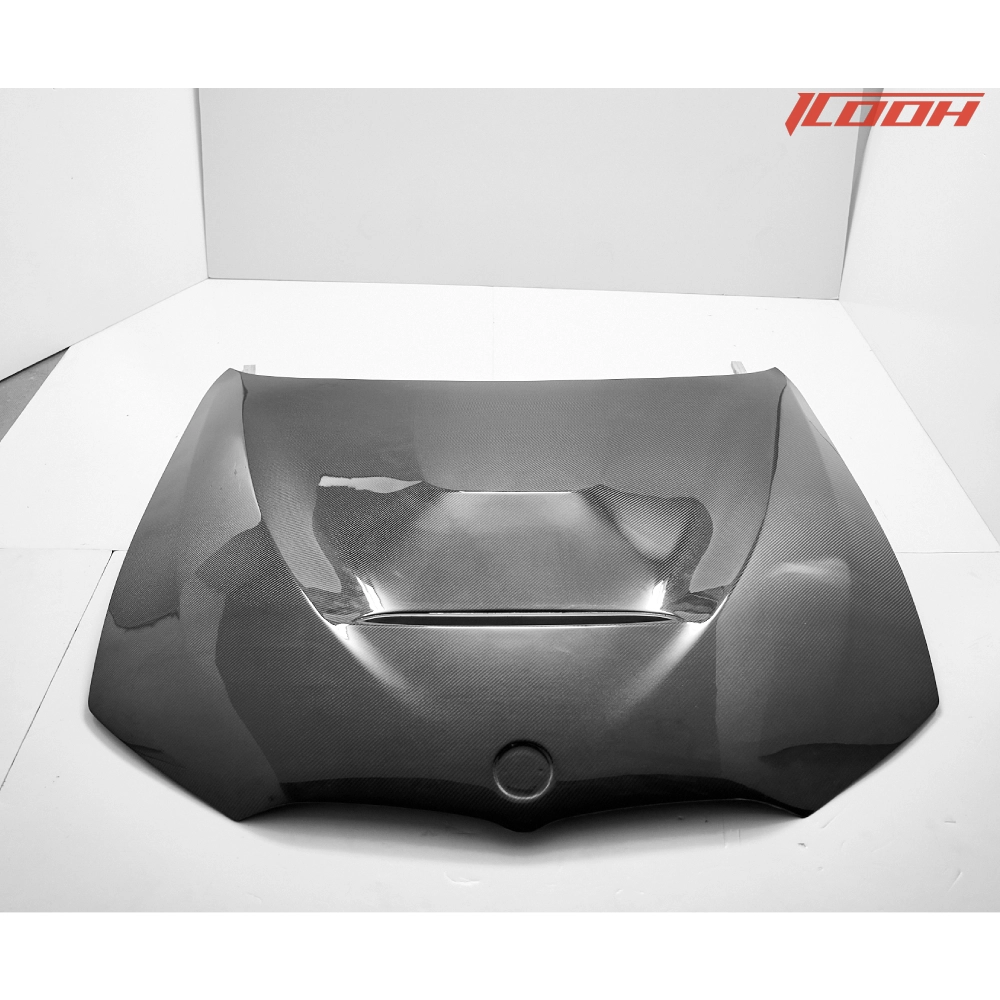
2020-2024 BMW G20 3 Series GTS Style Carbon Fiber Hood
The BMW G20 3 Series GTS-style carbon fiber hood, designed to deliver a lightweight, aggressive, and performance-focused look. Crafted from high-quality carbon fiber, it enhances aerodynamics, improves heat dissipation, and gives your G20 a striking motorsport appearance.

BMW 1 Series F20 GTS style carbon fiber front hood
The BMW 1 Series F20 GTS-style carbon fiber front hood. Made from high-quality carbon fiber, it offers a lightweight, durable construction with improved cooling and a striking performance look. Designed for precise fitment, it enhances both style and aerodynamics for a true motorsport feel.
Lightweight. Durable. Uniquely Yours.
ICOOH is a pioneer in automotive performance and exterior upgrades, compatible with 99% of vehicles worldwide. Let ICOOH be your professional supplier of car tuning parts and performance automotive accessories.
Facebook
Linkedin
Youtube
Instagram