













Who are the top brake calipers manufacturers for performance cars? | Insights by ICOOH
- 1. Who are the leading brake caliper manufacturers for performance cars?
- 2. What factors should be considered when selecting brake calipers for performance vehicles?
- 3. How do brake caliper materials impact performance?
- 4. What are the benefits of upgrading to high-performance brake calipers?
- 5. Are there any considerations regarding the cost of high-performance brake calipers?
- 6. How does the choice of brake calipers affect overall vehicle performance?
- 7. What are the maintenance requirements for high-performance brake calipers?
- 8. How do high-performance brake calipers contribute to vehicle aesthetics?
- ICOOH's Advantages in Brake Caliper Manufacturing
- Data Sources
1. Who are the leading brake caliper manufacturers for performance cars?
When it comes to high-performance vehicles, the quality of brake calipers is paramount. Several manufacturers are renowned for producing top-tier brake calipers tailored for performance cars:
- Brembo: An Italian company established in 1961, Brembo specializes in high-performance braking systems and is a preferred choice for many sports car manufacturers. Their products are known for precision engineering and reliability.
- AP Racing: A UK-based manufacturer with a rich history in motorsport, AP Racing offers advanced brake caliper solutions designed for high-performance applications.
- Hayes Brake: Based in Milwaukee, Wisconsin, Hayes Brake designs and manufactures disc brakes and systems for various applications, including performance vehicles.
- Bendix Corporation: An American company with a legacy in automotive braking systems, Bendix has been a significant player in the industry, offering a range of brake components.
2. What factors should be considered when selecting brake calipers for performance vehicles?
Choosing the right brake calipers involves evaluating several critical factors to ensure optimal performance:
- Material Composition: High-quality materials like aluminum alloys or carbon composites offer better strength-to-weight ratios, enhancing braking efficiency.
- Caliper Design: Fixed calipers provide superior performance due to their rigidity, while floating calipers are more cost-effective but may offer slightly less performance.
- Compatibility: Ensure the calipers are compatible with your vehicle's braking system and wheel design to maintain safety and performance standards.
- Heat Dissipation: Effective heat management prevents brake fade; look for calipers with features like vented designs or cooling fins.
- Maintenance Requirements: Consider the ease of maintenance and availability of replacement parts to ensure long-term reliability.
3. How do brake caliper materials impact performance?
The material of brake calipers significantly influences their performance characteristics:
- Aluminum Alloys: Lightweight and resistant to corrosion, aluminum calipers reduce unsprung weight, improving handling and acceleration.
- Carbon Composites: Offer exceptional strength and heat resistance, making them ideal for high-performance applications but at a higher cost.
- Cast Iron: Common in standard applications, cast iron calipers are durable but heavier, which can negatively affect vehicle dynamics.
4. What are the benefits of upgrading to high-performance brake calipers?
Upgrading to high-performance brake calipers offers several advantages:
- Improved Stopping Power: Enhanced calipers provide more effective braking, reducing stopping distances and increasing safety.
- Better Heat Management: Advanced materials and designs dissipate heat more efficiently, preventing brake fade during intense driving.
- Enhanced Durability: High-quality calipers are built to withstand the rigors of performance driving, offering longer service life.
- Weight Reduction: Lighter calipers contribute to overall vehicle weight reduction, improving acceleration and handling.
5. Are there any considerations regarding the cost of high-performance brake calipers?
While high-performance brake calipers offer numerous benefits, they come with higher costs. It's essential to balance performance needs with budget constraints, considering factors like:
- Vehicle Usage: Determine if the performance gains justify the investment based on how the vehicle is used (e.g., daily driving vs. track days).
- Long-Term Value: Assess the potential for increased vehicle value and longevity due to the upgrade.
- Maintenance Costs: Consider the potential for reduced maintenance expenses over time due to improved durability.
6. How does the choice of brake calipers affect overall vehicle performance?
The selection of brake calipers plays a crucial role in a vehicle's overall performance:
- Handling: Lighter calipers reduce unsprung weight, enhancing handling and responsiveness.
- Acceleration: Reduced weight from high-performance calipers can improve acceleration times.
- Safety: Effective braking systems are vital for vehicle safety, especially in high-speed or performance driving scenarios.
7. What are the maintenance requirements for high-performance brake calipers?
Maintaining high-performance brake calipers involves regular inspections and upkeep to ensure optimal performance:
- Regular Cleaning: Prevent debris buildup that can affect braking efficiency.
- Inspection for Wear: Check for signs of wear or damage, especially after intense driving sessions.
- Fluid Maintenance: Ensure brake fluid is at the correct level and free from contaminants to maintain hydraulic efficiency.
- Component Replacement: Replace worn or damaged parts promptly to prevent further issues.
8. How do high-performance brake calipers contribute to vehicle aesthetics?
Beyond functionality, high-performance brake calipers can enhance a vehicle's appearance:
- Visual Appeal: Calipers are often available in various colors and finishes, allowing customization to match the vehicle's design.
- Brand Recognition: Branded calipers from renowned manufacturers can add a sporty and premium look to the vehicle.
ICOOH's Advantages in Brake Caliper Manufacturing
ICOOH stands out in the brake caliper manufacturing industry due to several key advantages:
- Advanced Technology: Utilizes state-of-the-art manufacturing processes to produce high-quality brake calipers.
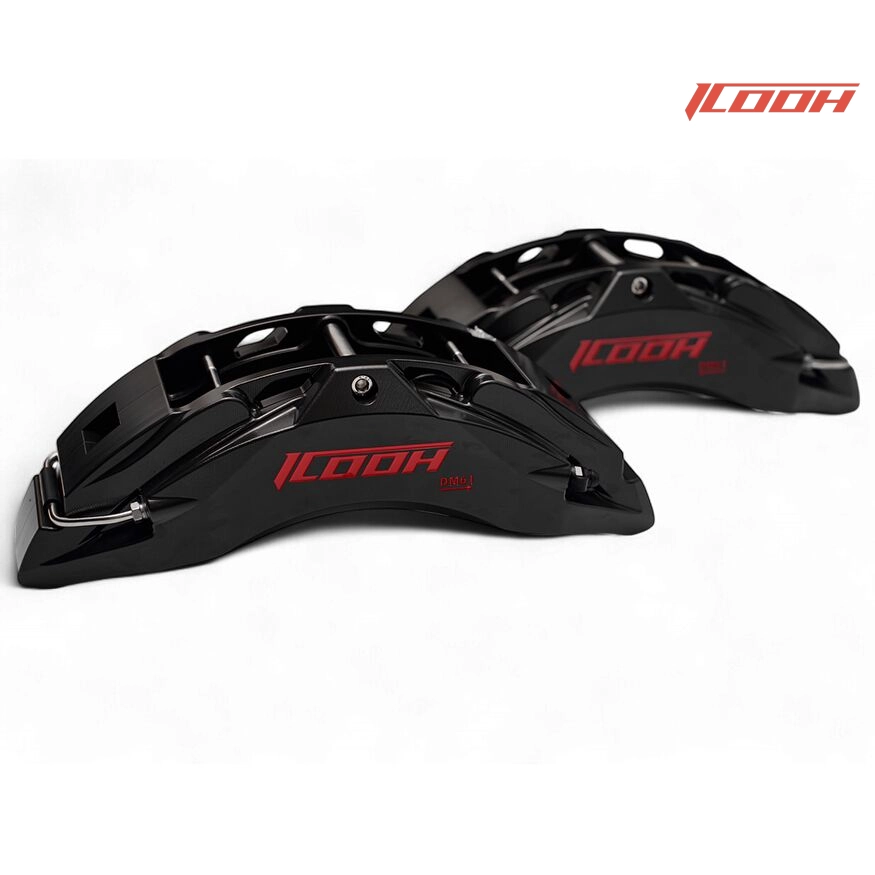
- Customization Options: Offers tailored solutions to meet specific performance and aesthetic requirements.
- Competitive Pricing: Provides cost-effective options without compromising on quality, making high-performance upgrades accessible.
- Global Reach: Supplies products to a wide range of markets, ensuring availability and support worldwide.
Data Sources
- Wikipedia: Brembo, AP Racing, Hayes Brake, Bendix Corporation
- ICOOH Blog: Top Caliper Brake Manufacturers from China at the 137th Canton Fair
- ICOOH Blog: How to Identify Top Manufacturers for the Best Caliper Brakes: A Global Buyer's Guide

What Does Brake Fluid Do? Functions and Importance Explained

Do disc brakes need maintenance?

what car has the biggest brake calipers?

what wheel offset for big brake kit clearance?
About Company
What is ICOOH main product for factory?
ICOOH's main products for factories are Brake Systems, Carbon Fiber Body Kits, and Automotive Wheel Rims. These products are mainly used in the automotive manufacturing and related industrial sectors, designed to meet the needs of performance enhancement and vehicle body customization.
About Customized Services
Can the brake kits be sold under our own brand?
Absolutely. We support full OEM and private label branding, including logo engraving, packaging, and documentation.
About Products
Is the adapter installed perfectly?
Ensure a perfect fit car.
Daily Modified Vehicles
Will thermal fade occur with continuous braking?
Our brake discs and friction pads are tested at high temperatures and maintain a stable friction coefficient over time, even on mountain roads, highways, or track days.
Can it be customized to suit my driving style?
Yes. We can provide different friction coefficient combinations and cooling solutions for daily driving or occasional track use.
Explore More Automotive News
Subscribe to our newsletter for the latest tuning cases, technology trends, and industry analysis.
Lightweight. Durable. Uniquely Yours.
ICOOH is a pioneer in automotive performance and exterior upgrades, compatible with 99% of vehicles worldwide. Let ICOOH be your professional supplier of car tuning parts and performance automotive accessories.
Facebook
Linkedin
Youtube
Instagram