













How do materials (carbon vs steel) affect Big Brake Kit ROI?
- Understanding Big Brake Kits and Material Choices
- 1. What Are Big Brake Kits?
- 2. How Do Carbon-Ceramic Rotors Compare to Steel Rotors?
- 3. What Is the Impact of Material Choice on Brake Performance?
- 4. How Does Material Selection Affect the ROI of Big Brake Kits?
- 5. What Are the Maintenance Considerations for Different Materials?
- 6. How Do Regional Markets Influence Material Preferences?
- 7. What Are the Leading Manufacturers of Big Brake Kits?
- 8. How Do Technological Innovations Impact Big Brake Kit Materials?
Big Brake Kits (BBKs) are essential upgrades for performance vehicles, enhancing braking efficiency and safety. A critical consideration in selecting a BBK is the choice of materials, primarily carbon-ceramic and steel, each offering distinct advantages and affecting the Return on Investment (ROI).
Understanding Big Brake Kits and Material Choices
Big Brake Kits are designed to provide superior stopping power, reduced brake fade, and improved heat dissipation. The primary materials used in BBKs are carbon-ceramic composites and steel alloys, each influencing performance, durability, and cost.
1. What Are Big Brake Kits?
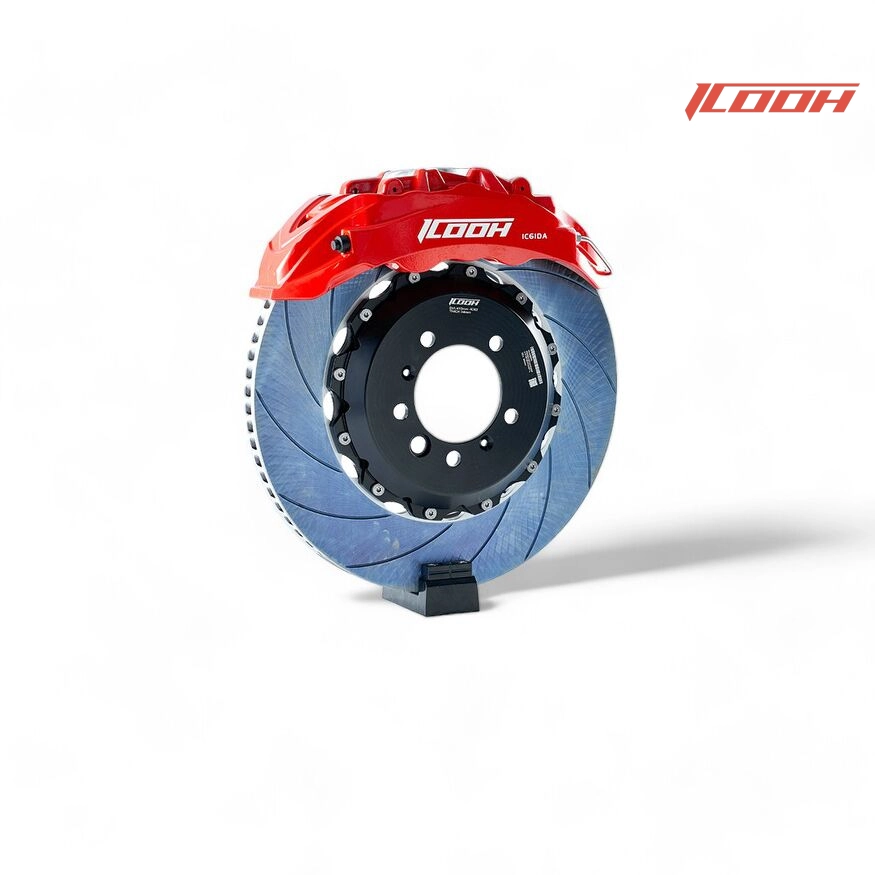
Big Brake Kits consist of larger rotors, multi-piston calipers, and performance pads, engineered to deliver enhanced braking performance. They are particularly beneficial for high-performance, racing, and off-road vehicles, where standard braking systems may fall short.
2. How Do Carbon-Ceramic Rotors Compare to Steel Rotors?
Carbon-ceramic rotors are lighter and offer superior heat resistance compared to steel rotors. This results in reduced brake fade and improved performance under extreme conditions. However, carbon-ceramic rotors are significantly more expensive than steel rotors.
3. What Is the Impact of Material Choice on Brake Performance?
The material of the rotor affects weight, thermal conductivity, and resistance to wear. Lighter materials like carbon-ceramic composites reduce unsprung mass, enhancing vehicle handling and acceleration. Superior thermal properties prevent brake fade, maintaining consistent performance during high-demand situations.
4. How Does Material Selection Affect the ROI of Big Brake Kits?
Investing in carbon-ceramic rotors offers performance benefits but at a higher initial cost. The ROI depends on the vehicle's usage; for track-focused or high-performance vehicles, the enhanced performance justifies the investment. For daily drivers, the benefits may not outweigh the cost, making steel rotors a more cost-effective choice.
5. What Are the Maintenance Considerations for Different Materials?
Carbon-ceramic rotors are more resistant to wear and corrosion, leading to longer service life and reduced maintenance costs. Steel rotors, while more affordable, may require more frequent replacements and maintenance due to wear and susceptibility to corrosion.
6. How Do Regional Markets Influence Material Preferences?
Regional preferences vary; for instance, in North America, there's a strong culture of vehicle modification, leading to a higher adoption of advanced braking systems. In Europe, stringent vehicle safety standards and a rich motorsport heritage have spurred demand for advanced braking systems. In Asia-Pacific, expansive passenger car and light commercial fleets have created scale-driven demand for cast iron rotor kits, with material innovations gradually shifting interest toward lightweight alloys.
7. What Are the Leading Manufacturers of Big Brake Kits?
Major players in the Big Brake Kits market include Brembo S.p.A., AP Racing Ltd., Wilwood Engineering, Inc., StopTech (Centric Parts), Baer Brakes, and EBC Brakes. These companies offer a range of products catering to different performance needs and budgets.
8. How Do Technological Innovations Impact Big Brake Kit Materials?
Advancements in materials science have led to the development of lighter and more durable materials for brake components. The integration of electronic sensors and smart technologies into braking systems is also influencing material choices, as these components require materials that can withstand additional stresses and temperatures. ((https://www.icooh.com/big-brake-kits-trends-2026-1/))
In conclusion, selecting the appropriate material for Big Brake Kits is crucial for optimizing vehicle performance and ensuring a favorable ROI. Carbon-ceramic rotors offer superior performance but at a higher cost, making them suitable for high-performance and track-focused vehicles. Steel rotors provide a more cost-effective solution for daily drivers while still delivering reliable braking performance.
When considering a Big Brake Kit, it's essential to assess your vehicle's usage, performance goals, and budget to make an informed decision.
ICOOH offers a range of high-quality Big Brake Kits tailored to various performance needs, ensuring optimal performance and value for your investment.

What are the benefits of upgrading brake calipers?

how to upgrade brake calipers on BMW 3 Series?

how long do front brake pads last?

what is abs brake system?
About Customized Services
Do you provide OEM/ODM service?
Yes, ICOOH provides comprehensive OEM/ODM services for automotive manufacturers and aftermarket partners.
About Application
Is the product compatible with my vehicle? Will it damage the stock vehicle system?
We offer a wide range of vehicle data and customization options, allowing us to design a custom fit for each vehicle. The installation process does not damage critical stock vehicle systems, and we provide detailed installation instructions and certified parts to ensure vehicle compatibility and safety.
Why choose carbon fiber/lightweight materials?
Carbon fiber and lightweight alloys offer advantages such as high strength, low weight, and excellent heat dissipation. They enhance braking response and durability while effectively reducing unsprung mass, improving vehicle handling and acceleration.
About Cooperation Process
What warranty do your products come with?
Offers a 1-year warranty for standard products; the warranty period for carbon fiber kits is 6-12 months due to process differences. Purchase certificates must be retained.
Racing Vehicles
What racing cars are ICOOH's braking systems suitable for?
Suitable for various touring cars, GT cars, Formula One cars, and track day modified cars. Customization is available.

Explore More Automotive News
Subscribe to our newsletter for the latest tuning cases, technology trends, and industry analysis.
Lightweight. Durable. Uniquely Yours.
ICOOH is a pioneer in automotive performance and exterior upgrades, compatible with 99% of vehicles worldwide. Let ICOOH be your professional supplier of car tuning parts and performance automotive accessories.
Facebook
Linkedin
Youtube
Instagram