













Evaluating Carbon Fiber Body Kit Suppliers: Quality & Certification

- Beyond the Gloss: Decoding Excellence in Performance Carbon Fiber Body Kits
- The Carbon Fiber Revolution: What Defines a Superior Carbon Fiber Body Kit?
- Understanding Manufacturing Processes: Wet Layup vs. Pre-Preg Dry Carbon Fiber
- Wet Layup Carbon Fiber Kits
- Pre-Preg Dry Carbon Fiber Kits with Autoclave Curing
- Certification and Standards: The Non-Negotiables for Quality Carbon Fiber Parts
- Precision Engineering: Design, Fitment, and Aerodynamic Performance
- Supplier Reputation and Customer Support
- ICOOH: Redefining Performance and Aesthetics with Precision Engineering
- Making an Informed Decision for Your Next Carbon Fiber Body Kit
- Frequently Asked Questions About Carbon Fiber Body Kits
- Q1: What is the main difference between wet carbon and dry carbon fiber body kits?
- Q2: Are carbon fiber body kits durable? How do they hold up over time?
- Q3: Do carbon fiber body kits affect vehicle performance?
- Q4: What certifications should I look for when buying carbon fiber body kits?
- Q5: How much do high-quality carbon fiber body kits typically cost?
- Elevate Your Ride with ICOOH Carbon Fiber Solutions
- References
Beyond the Gloss: Decoding Excellence in Performance Carbon Fiber Body Kits
The allure of carbon fiber body kits for automotive enthusiasts is undeniable. Synonymous with lightweight performance and aggressive aesthetics, these components can transform a vehicle, offering both a visual upgrade and a potential performance advantage. However, the market is saturated with options, making the task of evaluating carbon fiber body kits suppliers a complex endeavor. As a seasoned expert in the performance automotive sector, my goal is to guide you through the critical considerations—quality, certification, manufacturing prowess, and supplier reliability—to ensure your investment truly elevates your vehicle.
The Carbon Fiber Revolution: What Defines a Superior Carbon Fiber Body Kit?
Before diving into supplier evaluation, it's crucial to understand what makes a carbon fiber body kit truly superior. At its core, carbon fiber is a composite material celebrated for its exceptional strength-to-weight ratio. But not all carbon fiber is created equal. The quality of the raw carbon fibers, the resin system used, and, critically, the manufacturing process all play pivotal roles in the final product's performance, durability, and finish. Inferior kits can suffer from poor fitment, delamination, UV degradation, and even compromise vehicle safety and aerodynamics. A deep understanding empowers you to discern genuine quality from mere aesthetics.
Understanding Manufacturing Processes: Wet Layup vs. Pre-Preg Dry Carbon Fiber
The manufacturing method is arguably the most significant determinant of a carbon fiber body kit's quality, durability, and cost. Suppliers utilize various techniques, each with distinct advantages and disadvantages. The two primary methods you'll encounter are 'wet layup' and 'pre-preg dry carbon fiber' (often combined with an autoclave process).
Wet Layup Carbon Fiber Kits
In the wet layup process, carbon fiber fabric is manually laid into a mold, and then resin is applied and saturated over the fabric. This method is generally less expensive and requires less specialized equipment. However, it often results in a higher resin content, which adds weight, and it's challenging to achieve a consistent fiber-to-resin ratio, leading to potential inconsistencies in strength and finish. Air bubbles can also be trapped, compromising structural integrity and appearance.
Pre-Preg Dry Carbon Fiber Kits with Autoclave Curing
The gold standard for performance carbon fiber body kits is the pre-preg dry carbon fiber method, typically followed by autoclave curing. 'Pre-preg' refers to carbon fiber fabric that is pre-impregnated with a precise amount of resin and then cured under high heat and pressure in an autoclave. This process ensures an optimal, uniform resin distribution, minimizes voids and air bubbles, and results in a significantly stronger, lighter, and more consistent product with a superior finish. While more expensive and technically demanding, it yields the highest quality components.
Here's a comparison of common manufacturing methods:
| Feature | Wet Layup | Vacuum Bagging (Enhanced Wet Layup) | Pre-Preg Dry Carbon Fiber (Autoclave) |
|---|---|---|---|
| Resin Content | High, often inconsistent | Moderate, more consistent | Low, highly consistent & optimized |
| Weight | Heaviest | Moderate | Lightest |
| Strength/Stiffness | Good, but variable | Very Good | Excellent, superior |
| Finish Quality | Variable, prone to imperfections | Good, fewer imperfections | Superior, mirror-like, minimal voids |
| Durability | Moderate | High | Highest, superior UV resistance |
| Cost | Lowest | Moderate | Highest |
| Target Application | Cosmetic, budget-friendly | Performance street, track day | Motorsport, high-end performance |
Certification and Standards: The Non-Negotiables for Quality Carbon Fiber Parts
When selecting carbon fiber body kits, certifications are not just marketing buzzwords; they are tangible proof of a manufacturer's commitment to quality, safety, and performance. Reputable suppliers will proudly display their adherence to international and industry-specific standards. These certifications indicate that products have undergone rigorous testing and meet established benchmarks.
- ISO 9001: This is a globally recognized standard for quality management systems. A supplier with ISO 9001 certification demonstrates consistent product quality and a commitment to continuous improvement in their manufacturing processes. While not specific to carbon fiber, it indicates a well-managed operation.
- TÜV Rheinland / TUV Süd: Especially relevant in Europe, TÜV certifications signify that products meet stringent safety and performance standards. For automotive parts, TÜV approval is a strong indicator of reliable fitment, material integrity, and structural soundness. If a carbon fiber body kit is TÜV approved, it has likely undergone extensive testing for impact, durability, and vehicle integration.
- JWL (Japan Light Alloy Wheel Standard) / VIA (Vehicle Inspection Association): While primarily for wheels, the *spirit* of these certifications (rigorous testing for strength, fatigue, impact) should be applied when considering structural carbon fiber components. Look for suppliers who apply similar internal testing protocols to their body kits.
- SAE International (Society of Automotive Engineers): SAE sets numerous standards for automotive materials and components. While a specific SAE certification for a body kit might be rare, a supplier's engagement with SAE standards for material testing or component design is a strong positive indicator.
- Industry Association Memberships: Memberships in organizations like SEMA (Specialty Equipment Market Association) in the US or similar bodies globally suggest a commitment to industry best practices and ethical business conduct.
Always ask suppliers for proof of their certifications and inquire about the specific tests their carbon fiber parts undergo. Transparency here is key.
Precision Engineering: Design, Fitment, and Aerodynamic Performance
Beyond material quality and certifications, the design and engineering behind carbon fiber body kits are paramount. Poorly designed kits can lead to disastrous fitment issues, requiring extensive body shop modifications, or worse, negatively impacting a vehicle's aerodynamics and cooling.
- 3D Scanning and CAD Modeling: Leading suppliers utilize advanced 3D scanning technology to capture precise vehicle contours. This data is then used in Computer-Aided Design (CAD) software to engineer body kits that offer OEM-level fitment. This ensures seamless integration with existing body lines and mounting points.
- Aerodynamic Analysis (CFD): For performance-oriented kits (like spoilers, diffusers, canards), Computational Fluid Dynamics (CFD) analysis is crucial. This simulates airflow over and around the vehicle, allowing engineers to optimize shapes for downforce, drag reduction, and improved cooling without trial-and-error.
- Prototyping and Real-World Testing: High-quality suppliers invest in physical prototyping and real-world testing on actual vehicles to validate fitment, structural integrity, and aerodynamic claims before mass production.
When evaluating a carbon fiber body kit supplier, inquire about their design process. Do they rely on precise digital modeling? Do they test their designs? Look for photo evidence of their products installed on a variety of vehicles to gauge fitment consistency.
Supplier Reputation and Customer Support
A supplier's reputation and commitment to customer service are as important as the product itself. A company's track record reflects its overall reliability and trustworthiness.
- Longevity and Experience: How long has the company been in business? Established suppliers often have refined processes, extensive R&D, and a deeper understanding of the market.
- Customer Reviews and Testimonials: Scrutinize independent reviews on forums, social media, and third-party review sites. Look for consistent feedback regarding product quality, fitment, customer service, and warranty claims.
- Project Portfolios: A strong portfolio showcasing installations on diverse vehicle models, especially high-profile builds, can be a testament to a supplier's capability and versatility.
- Warranty and After-Sales Support: What kind of warranty do they offer on their carbon fiber body kits? Is there clear guidance on installation, maintenance, and potential issues like UV protection? A robust warranty and accessible support are signs of a confident and customer-focused supplier.
ICOOH: Redefining Performance and Aesthetics with Precision Engineering
Founded in 2008, ICOOH has grown into a pioneering force in the global automotive performance and modification industry. As a professional performance car parts manufacturer, we specialize in developing, producing, and exporting big brake kits, carbon fiber body kits, and forged wheel rims—delivering integrated solutions for both performance and aesthetics. Our commitment to excellence is deeply embedded in every product we create, from the intricate weave of our carbon fiber to the meticulous engineering of our braking systems.
ICOOH’s strength lies in complete vehicle compatibility and powerful in-house design and R&D capabilities. Our products cover more than 99% of vehicle models worldwide, providing precise fitment and exceptional performance. Whether you are a tuning brand, automotive distributor, or OEM partner, ICOOH delivers solutions tailored to your market needs. This unparalleled compatibility ensures that when you choose ICOOH for carbon fiber body kits, you're investing in a product designed specifically for your vehicle, guaranteeing an OEM-level fit and finish.
Our R&D center is staffed with over 20 experienced engineers and designers dedicated to continuous innovation. Utilizing cutting-edge technologies like 3D modeling, structural simulation, and aerodynamic analysis, we ensure every product, especially our carbon fiber body kits, meets the highest performance and design standards. This rigorous development process means our carbon fiber components are not just visually stunning but are also engineered to enhance vehicle aerodynamics, reduce weight, and withstand the demands of high-performance driving. We leverage advanced pre-preg dry carbon fiber manufacturing techniques and autoclave curing to produce components that are lighter, stronger, and have a superior finish compared to conventional methods.
At ICOOH, our mission is to redefine automotive performance and aesthetics through precision engineering and creative innovation. Our carbon fiber body kits exemplify this mission, offering not only breathtaking visual upgrades but also tangible performance benefits derived from meticulous design and manufacturing. Coupled with our industry-leading big brake kits for superior stopping power and our lightweight, durable forged wheel rims, ICOOH provides a comprehensive suite of solutions to transform any vehicle into a masterpiece of performance and style.
Making an Informed Decision for Your Next Carbon Fiber Body Kit
Choosing the right carbon fiber body kit supplier is a critical decision that impacts your vehicle's appearance, performance, and long-term value. Don't be swayed by low prices alone. Prioritize suppliers who demonstrate transparency in their manufacturing processes, provide verifiable certifications, boast a strong track record of precise fitment, and offer robust customer support. By asking the right questions and looking for specific indicators of quality, you can confidently select a carbon fiber body kit that not only looks incredible but also performs flawlessly and endures for years to come.
Frequently Asked Questions About Carbon Fiber Body Kits
Q1: What is the main difference between wet carbon and dry carbon fiber body kits?
A1: Wet carbon (wet layup) involves hand-laying carbon fabric and saturating it with resin, often resulting in heavier parts with more inconsistencies. Dry carbon (pre-preg dry carbon fiber) uses pre-impregnated fabric cured under heat and pressure in an autoclave. Dry carbon is significantly lighter, stronger, and has a more uniform, higher-quality finish due to precise resin content and minimal voids.
Q2: Are carbon fiber body kits durable? How do they hold up over time?
A2: High-quality carbon fiber body kits are very durable, resisting minor impacts and weathering well. However, like any exterior component, they require proper care. Exposure to harsh UV rays can cause yellowing or fading over time if not properly protected with clear coats containing UV inhibitors. Reputable suppliers use UV-stable resins and clear coats to maximize longevity. They are generally resistant to rust and corrosion.
Q3: Do carbon fiber body kits affect vehicle performance?
A3: Yes, they can. The primary benefit is weight reduction, which improves power-to-weight ratio, handling, and fuel efficiency. For aerodynamically designed components like spoilers and diffusers, they can also enhance downforce, reduce drag, and improve stability at high speeds, contributing to better track performance. Poorly designed kits, however, can negatively impact aerodynamics.
Q4: What certifications should I look for when buying carbon fiber body kits?
A4: Look for suppliers with ISO 9001 certification (for quality management). For performance and safety, TÜV Rheinland or TÜV Süd approval is highly desirable, especially in European markets, as it indicates rigorous testing. While direct carbon fiber body kit certifications are less common than for wheels, inquire about the manufacturer's internal testing protocols for fitment, strength, and material integrity.
Q5: How much do high-quality carbon fiber body kits typically cost?
A5: The cost of carbon fiber body kits varies widely based on the vehicle model, complexity of the parts, and especially the manufacturing method. Wet layup kits are generally more affordable, ranging from a few hundred to a couple of thousand dollars. High-quality pre-preg dry carbon fiber kits, due to their advanced manufacturing and superior properties, can range from several thousand to well over ten thousand dollars for a full kit. Installation and painting costs are additional.
Elevate Your Ride with ICOOH Carbon Fiber Solutions
Ready to experience the pinnacle of automotive performance and aesthetics? Explore ICOOH's extensive range of precision-engineered carbon fiber body kits, high-performance big brake kits, and lightweight forged wheel rims. Our experts are here to help you choose the perfect integrated solution for your vehicle. Contact us today for a consultation or browse our product catalog to see our commitment to quality and innovation.
References
- SEMA. (2022). SEMA Market Report: State of the Industry. Retrieved from https://www.sema.org/market-research (Accessed: January 15, 2024)
- International Organization for Standardization. (2023). ISO 9001 Quality management. Retrieved from https://www.iso.org/iso-9001-quality-management. (Accessed: January 20, 2024)
- TÜV Rheinland. (2023). Vehicle Components Testing. Retrieved from https://www.tuv.com/world/en/automotive-testing. (Accessed: January 20, 2024)
- Composites World. (2023). Prepreg Materials: A Composite Fabricator's Guide. Retrieved from https://www.compositesworld.com/articles/prepreg-materials-a-composite-fabricators-guide (Accessed: January 18, 2024)
- Society of Automotive Engineers (SAE International). (2023). Standards for Composites in Automotive Applications. Retrieved from https://www.sae.org/standards/automotive/composites (Accessed: January 19, 2024)
Cost & Margin Analysis for Selling Big Brake Kits
Cost Breakdown: Big Brake Kits, Installation and Parts
Top 10 big brake kits Manufacturers and Supplier Brands in 2026
Top 10 performance car parts Manufacturers and Supplier Brands in Asia
Racing Vehicles
What are the after-sales and warranty policies?
We offer a 12-24 month warranty (depending on the product series), along with on-track technical consultants and fast spare parts support.
Daily Modified Vehicles
What is the warranty policy?
We offer a 12–24 month warranty (depending on the product series) and dedicated technical support.
Is installation and maintenance easy?
Modular design allows for quick replacement of brake pads/discs. A detailed installation guide is included, or installation can be performed at authorized service locations.
About Cooperation Process
What documents or information do I need to provide?
Business license, tax registration certificate, product specification sheet (including parameters like mounting hole positions); brand authorization certificate is required for OEM orders.
ICOOH IC6
Why choose us?
ICOOH delivers products that match the performance of international brands while being more competitively priced. It stands as a brand with robust R&D capabilities, reliable quality, and comprehensive support.
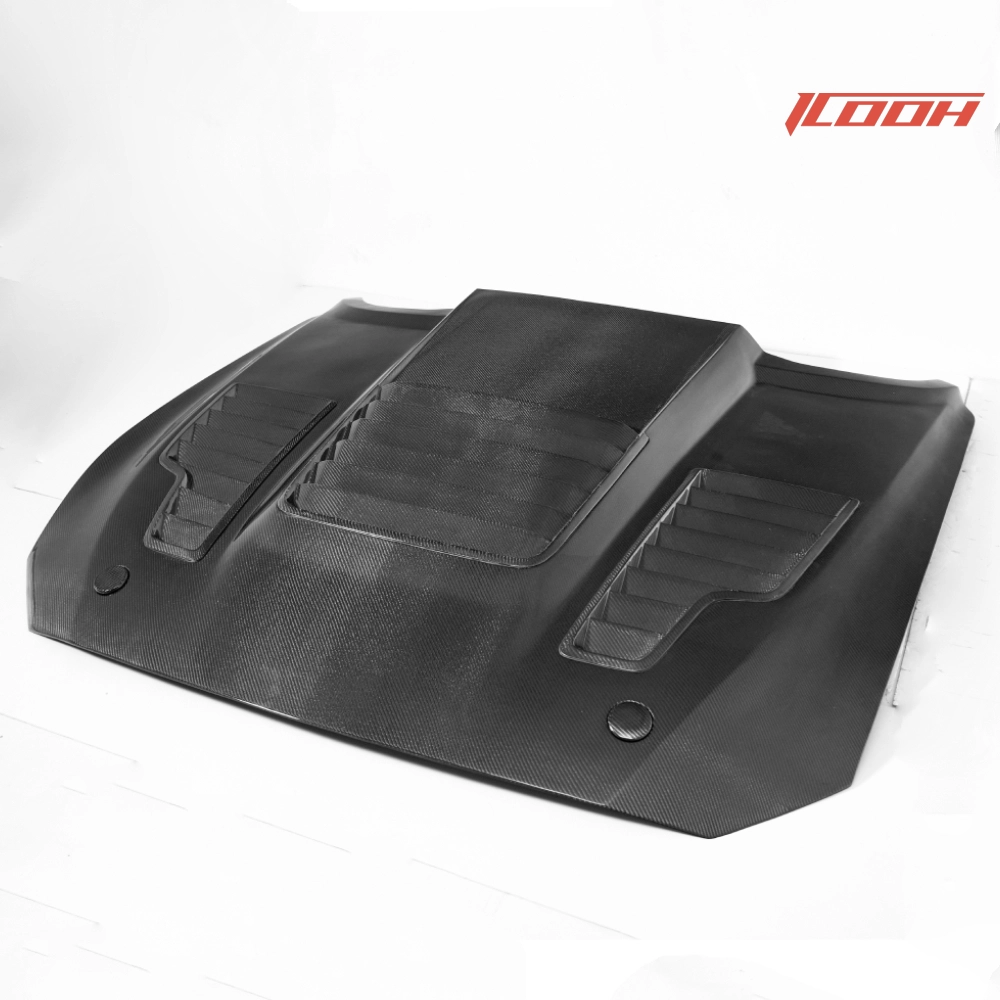
005 Ford Mustang 2018-2023 S550 Exhaust-style Carbon Fiber Front Hood
005 style Carbon Fiber Front Bonnet Engine Hood for Ford Mustang 2018-2023. made of durable carbon fiber material, precision-engineered for OEM-matched fitment. Lightweight and strong, enhances performance while maintaining a sporty aesthetic. Suitable for aftermarket replacement or performance upgrade with 100% tested quality assurance.
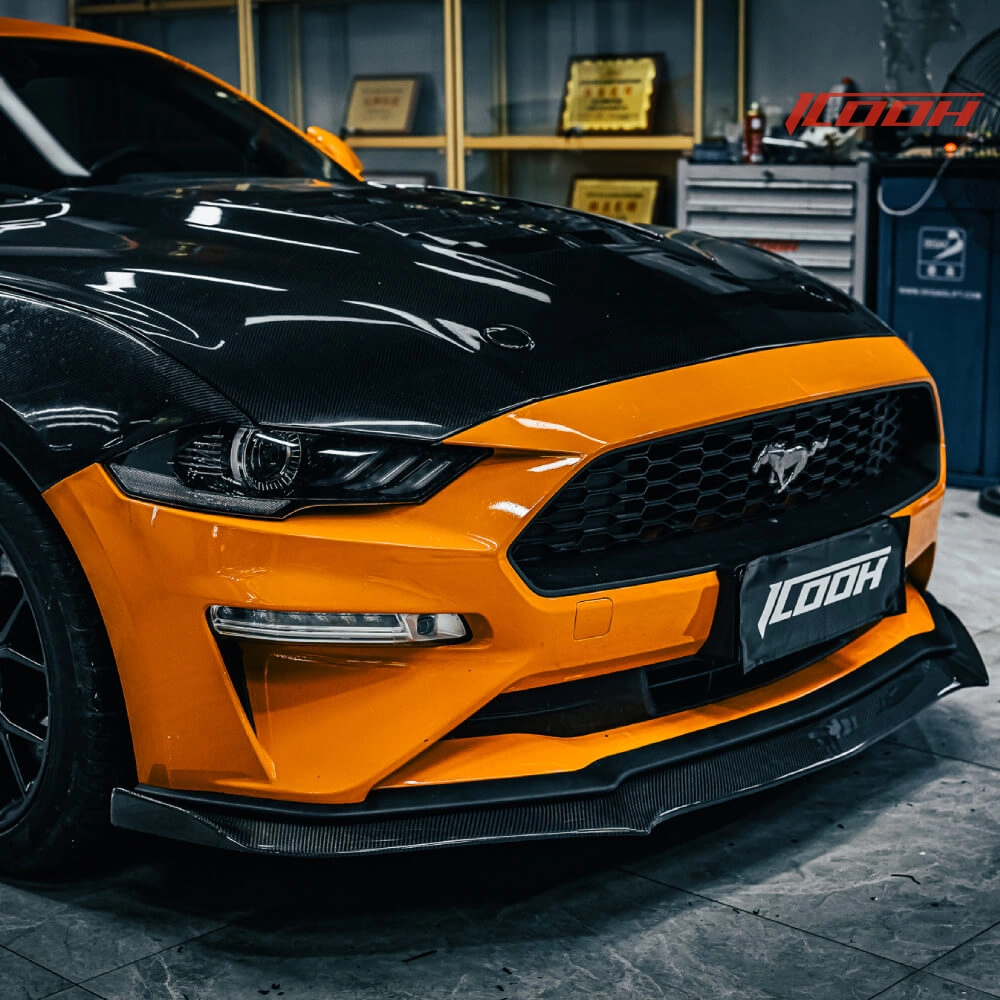
GT350 Ford Mustang 2018-2023 Carbon Fiber Front Lip
Enhance the aerodynamics and style of your Mustang with the 2018–2023 Mustang GT350 Carbon Fiber Front Lip. Crafted from lightweight, high-strength carbon fiber, this front lip delivers improved downforce, sharper front-end appearance, and a precise OEM-style fit.
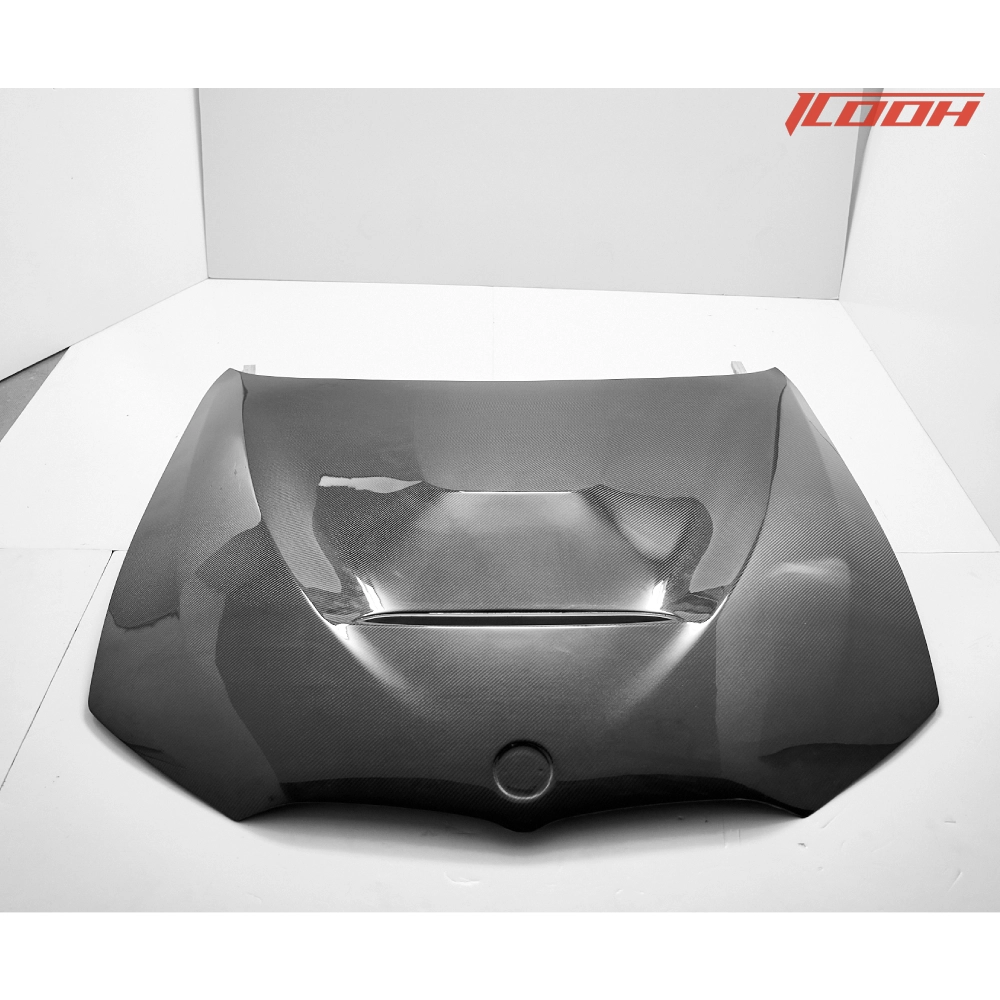
2020-2024 BMW G20 3 Series GTS Style Carbon Fiber Hood
The BMW G20 3 Series GTS-style carbon fiber hood, designed to deliver a lightweight, aggressive, and performance-focused look. Crafted from high-quality carbon fiber, it enhances aerodynamics, improves heat dissipation, and gives your G20 a striking motorsport appearance.

BMW 1 Series F20 GTS style carbon fiber front hood
The BMW 1 Series F20 GTS-style carbon fiber front hood. Made from high-quality carbon fiber, it offers a lightweight, durable construction with improved cooling and a striking performance look. Designed for precise fitment, it enhances both style and aerodynamics for a true motorsport feel.
Lightweight. Durable. Uniquely Yours.
ICOOH is a pioneer in automotive performance and exterior upgrades, compatible with 99% of vehicles worldwide. Let ICOOH be your professional supplier of car tuning parts and performance automotive accessories.
Facebook
Linkedin
Youtube
Instagram