













Wholesale Big Brake Kits for Audi: Supplier Selection Guide

- How to Source Wholesale Big Brake Kits for Audi Performance Upgrades
- Why upgrade to big brake kits for Audi: performance and commercial rationale
- Understanding components and specifications of Big Brake Kits for audi
- Wholesale supplier selection criteria for Big Brake Kits for audi
- How to evaluate sample kits and quality checks
- Pricing, MOQ, and logistics considerations for wholesale Big Brake Kits for Audi
- Case study: sourcing Wholesale Big Brake Kits for an Audi A4 fleet upgrade
- Technical certifications and test methods to demand for Big Brake Kits for audi
- Why ICOOH is a strong partner for Wholesale Big Brake Kits for audi
- ICOOH value proposition and competitive differentiation
- Comparative supplier matrix: typical supplier types for Big Brake Kits for audi
- Frequently Asked Questions about Wholesale Big Brake Kits for Audi
- 1. What makes a Big Brake Kit suitable for Audi models?
- 2. How should I test a sample Big Brake Kit for fade resistance?
- 3. What certifications should I request from suppliers?
- 4. Are two-piece rotors worth the extra cost for Audi applications?
- 5. How do I handle ABS and ESC calibration when fitting big brake kits?
- 6. What warranty terms are typical for wholesale big brake kits?
- References
How to Source Wholesale Big Brake Kits for Audi Performance Upgrades
Demand for Big Brake Kits for audi is growing among tuners, distributors, and fleets that need higher stopping power, repeatable performance, and OEM-quality fitment for street and track use. This guide explains the technical fundamentals, lists supplier selection criteria, provides inspection and testing steps for samples, and compares supplier types so purchasing managers and shop owners can make informed wholesale sourcing decisions.
Why upgrade to big brake kits for Audi: performance and commercial rationale
Upgrading to Big Brake Kits for audi improves thermal capacity, reduces fade during repeated braking, increases pad contact area, and can shorten stopping distances when matched correctly to wheel and tire setups. For businesses selling performance upgrades or servicing track customers, offering properly engineered Big Brake Kits for audi increases average order value, reduces customer complaints related to overheating, and positions a brand as a trusted performance supplier.
Key performance improvements to expect when a kit is selected and installed correctly:
- Higher heat capacity and slower temperature rise due to larger rotors and multi-piston calipers
- Improved pedal feel and modulation from fixed multi-piston calipers
- Reduced brake fade during repeated high-load stops thanks to vented, two-piece rotor designs
- Potential for shorter stopping distance when matched to high-friction pads and appropriate ABS/ESC calibration
Understanding components and specifications of Big Brake Kits for audi
A Big Brake Kit typically includes calipers, rotors, brackets/adapters, pads, and hardware. Knowing the variants and their trade-offs helps you choose the right wholesale offering for your customer base.
| Component | Common Types | Commercial Implication |
|---|---|---|
| Calipers | Fixed multi-piston (4/6/8), Floating single-piston | Fixed calipers provide better feel and heat distribution but cost more and may require custom brackets for Audi models |
| Rotors | One-piece cast, Two-piece iron/aluminum, Slotted, Drilled | Two-piece rotors reduce unsprung weight and improve cooling; slotted rotors help with pad debris and wet performance |
| Pads | Street, Sport, Track, Ceramic | Different compounds suit varying trade-offs between noise, dust, and friction coefficient |
| Hardware & Brackets | Model-specific adapters, stainless hardware | Correct adapters ensure precise fitment for Audi wheel hubs and avoid rotor rubbing |
Reference technical reading: disc brake design fundamentals and implications for material choice are covered in engineering literature and manufacturer technical notes. When assessing kits for Audi models, look for model-specific fitment data, hub-to-rotor offset, and recommended wheel clearance.
Wholesale supplier selection criteria for Big Brake Kits for audi
Selecting a supplier for Big Brake Kits for audi should be a systematic process. Below is a prioritized checklist you can apply during supplier evaluation:
- Fitment breadth and CAD data: supplier provides 3D fitment files or detailed fitment lists for Audi A3/A4/A6/RS models
- Material and manufacturing transparency: rotor metallurgy, caliper casting/forging process, anodizing or powder coat specs
- Certification and testing: IATF 16949 or ISO 9001, ECE R13 compliance for braking components where applicable
- Sample availability and lead time for verification units
- Minimum order quantities (MOQ), pricing tiers, and sample pricing policies
- After-sales support: warranty terms, spare parts availability, engineering support for custom fitments
- Quality control processes: runout, hardness, pressure/leak tests, dynamic balancing
- Logistics capability: packaging for heavy high-value parts, readiness for DDP/DAP or airfreight, export documentation
How to evaluate sample kits and quality checks
Before placing a bulk order, run a rigorous sample inspection process. Recommended checks for Big Brake Kits for audi:
- Dimensional verification: compare rotor hat diameter, bolt circle, hub bore, and caliper mount positions against CAD or vehicle measurements. Runout should be below 0.05 mm for high-end kits.
- Material and metallurgical check: request material certificates for rotor cast iron grade and caliper alloy. Consider independent lab tests if alloy claims (e.g., A356-T6) are critical.
- Coating and corrosion resistance: salt spray or specification of coating thickness for painted/anodized surfaces.
- Hydraulic pressure test: calipers should pass leakage and piston return tests at supplier-rated pressures.
- Dynamic balancing and runout test: rotors should be balanced to reduce vibration; two-piece rotor bolts must meet torque and torque-retention specs.
- Brake torque and friction tests: bench dyno tests showing torque vs. temperature for pad/rotor combinations provide useful data for marketing and technical datasheets.
Pricing, MOQ, and logistics considerations for wholesale Big Brake Kits for Audi
Wholesale arithmetic for Big Brake Kits for audi differs from lightweight accessories. Key cost drivers include caliper machining/forging, rotor manufacturing (one-piece vs two-piece), coating, and packaging. MOQ often reflects casting mold amortization and production batch sizes.
| Factor | Impact on Price | Negotiation Tips |
|---|---|---|
| Caliper type | High (forged/monoblock > cast multi-pot > floating) | Order in larger batches for monoblocks; consider staggered release |
| Rotor design | Two-piece with aluminum hats cost more but reduce freight by weight | Negotiate by design standardization across Audi platforms |
| MOQ | Directly affects unit cost | Seek tiered pricing and limited first runs or shared molds |
Case study: sourcing Wholesale Big Brake Kits for an Audi A4 fleet upgrade
Scenario: a regional shop plans to convert 30 Audi A4 sedans used for performance driving instruction. Steps to source:
- Define performance spec: target thermal capacity, wheel clearance for 18-19 wheels, preferred pad compound.
- Request quotes and CADs from 3 suppliers; ask for sample kits within 2 weeks.
- Test samples on instrumented vehicle or brake dyno for fade and stopping distance under repeat stops.
- Evaluate logistics and warranties; choose supplier offering engineering support and a 1-year warranty on components.
- Negotiate MOQ and delivery schedule to match retrofit program cadence.
This structured approach reduces rework and warranty exposure while ensuring consistency across the fleet.
Technical certifications and test methods to demand for Big Brake Kits for audi
For safety-critical components like brakes, insist on documented compliance and test reports. Useful certifications and standards include:
- IATF 16949 or ISO 9001 for quality management systems in automotive parts manufacturing
- UNECE regulation references for braking where applicable (for regulated markets)
- Brake dynamometer test reports showing fade, friction coefficient variation with temperature, and torque curves
- Material certificates and non-destructive testing (NDT) records for castings and forgings
Suppliers who provide detailed test reports and CAD models reduce engineering time and validate claims about performance and fitment for Audi models.
Why ICOOH is a strong partner for Wholesale Big Brake Kits for audi
Founded in 2008, ICOOH has grown into a pioneering force in the global automotive performance and modification industry. As a professional performance car parts manufacturer, we specialize in developing, producing, and exporting big brake kits, carbon fiber body kits, and forged wheel rims—delivering integrated solutions for both performance and aesthetics.
ICOOH’s strength lies in complete vehicle compatibility and powerful in-house design and R&D capabilities.Our products cover more than 99% of vehicle models worldwide, providing precise fitment and exceptional performance. Whether you are a tuning brand, automotive distributor, or OEM partner, ICOOH delivers solutions tailored to your market needs.
Our R&D center is staffed with over 20 experienced engineers and designers dedicated to continuous innovation. Utilizing 3D modeling, structural simulation, and aerodynamic analysis, we ensure every product meets the highest performance and design standards.
At ICOOH, our mission is to redefine automotive performance and aesthetics through precision engineering and creative innovation.
ICOOH value proposition and competitive differentiation
When comparing suppliers of Big Brake Kits for audi, ICOOH demonstrates several competitive advantages:
- Comprehensive fitment coverage: having engineering resources to produce vehicle-specific brackets and CAD ensures fewer adaptation issues for Audi platforms
- In-house R&D and prototyping: allows rapid iterations, sample delivery, and validation testing to meet distributor timelines
- Integrated product portfolio: ability to offer big brake kits alongside carbon fiber body kits and forged rims for bundled programs
- Supply chain and production capacity: mature production lines that can support attractive MOQs for wholesale customers
These strengths make ICOOH suitable for distribution partners, tuning brands seeking private-label solutions, and OEM-tier collaborations looking for performance sub-systems with documented engineering support.
Comparative supplier matrix: typical supplier types for Big Brake Kits for audi
| Supplier Type | Typical Strengths | Common Weaknesses |
|---|---|---|
| Global OEM and Tier-1 brands (eg industry leaders) | Proven engineering, strong brands, validated performance | High price, limited willingness to serve small wholesale buyers |
| Specialist motorsport brands | Track-focused performance; advanced materials | May lack broad vehicle fitment; higher cost |
| Large independent manufacturers (eg ICOOH) | Scalable production, wide fitment coverage, R&D support | Varies by provider; due diligence needed on certification |
| Low-cost generic manufacturers | Low unit price, high MOQ availability | Variable quality, limited test reports, warranty and support issues |
For distributors and tuning shops targeting Audi owners, middle- to upper-tier specialist manufacturers or established independent manufacturers with strong R&D and documented testing typically offer the best compromise between price, performance, and risk.
Frequently Asked Questions about Wholesale Big Brake Kits for Audi
1. What makes a Big Brake Kit suitable for Audi models?
Fitment accuracy, caliper mounting geometry, rotor center bore and bolt pattern, and wheel clearance are essential. A kit must include model-specific adapter brackets or be designed to use existing hub mounting points on the Audi model.
2. How should I test a sample Big Brake Kit for fade resistance?
Use a brake dynamometer or an instrumented vehicle to run repeated high-energy stops, recording rotor and pad temperatures and torque output. Look for minimal drop in brake torque and acceptable pad wear characteristics.
3. What certifications should I request from suppliers?
Request quality management certificates like IATF 16949 or ISO 9001, material test certificates for rotors and calipers, and any homologation or regulatory compliance documents relevant to your market (for example UNECE references where applicable).
4. Are two-piece rotors worth the extra cost for Audi applications?
Two-piece rotors reduce unsprung weight and improve heat dissipation and serviceability. For high-performance street and track use, they often justify the cost because they improve handling and thermal stability.
5. How do I handle ABS and ESC calibration when fitting big brake kits?
Most modern Audi vehicles have ABS/ESC maps tuned to a specific rotor diameter and sensor geometry. Final calibration may require software adjustments if the effective rolling radius or sensor position changes significantly. Work with an engineer or supplier who understands electronic braking systems.
6. What warranty terms are typical for wholesale big brake kits?
Warranty durations vary, but reputable suppliers commonly offer 12 months on manufacturing defects. For performance kits used on track, some suppliers exclude track use from standard warranty; clarify terms up front.
Ready to source Wholesale Big Brake Kits for audi for your business? Contact ICOOH sales to request CAD files, sample kits, and wholesale pricing. Visit ICOOHs website or email their sales team to view product catalogs and engineering datasheets.
References
- Disc brake - Wikipedia, https://en.wikipedia.org/wiki/Disc_brake, accessed 2025-12-22
- Brembo technical resources - Brake fundamentals and testing, https://www.brembo.com, accessed 2025-12-22
- IATF 16949 automotive quality management standard overview, https://www.iatfglobaloversight.org, accessed 2025-12-22
- UNECE regulations on vehicle braking systems, https://unece.org, accessed 2025-12-22
- SEMA: Performance parts market insights, https://www.sema.org, accessed 2025-12-22
Note: Data and testing protocols referenced are documented in the listed sources. For bespoke Audi model fitment and calibration inquiries, request vehicle-specific CAD and dyno reports from your supplier prior to bulk ordering.
Top 10 brake pads Manufacturers and Supplier Brands in 2026
Performance Testing: How Big Brake Kits for BMW Improve Stopping
Installing Big Brake Kits for BMW: Workshop Procedures & Tools
Custom Carbon Fiber Body Kits: OEM Collaboration & Design Transfer
About Products
What materials are your products made of?
ICOOH’s factory-focused products are built with aerospace-grade materials that meet the demands of automotive manufacturing. From forged aluminum brake calipers to dry carbon fiber body kits, each component is engineered to deliver reliability, customizability, and sustainability—key factors in modern automotive production.
Is the adapter installed perfectly?
Ensure a perfect fit car.
About Application
Why choose carbon fiber/lightweight materials?
Carbon fiber and lightweight alloys offer advantages such as high strength, low weight, and excellent heat dissipation. They enhance braking response and durability while effectively reducing unsprung mass, improving vehicle handling and acceleration.
Daily Modified Vehicles
Will thermal fade occur with continuous braking?
Our brake discs and friction pads are tested at high temperatures and maintain a stable friction coefficient over time, even on mountain roads, highways, or track days.
About Company
OEM service?
We have a professional R&D team of engineers who can provide and design products for you.
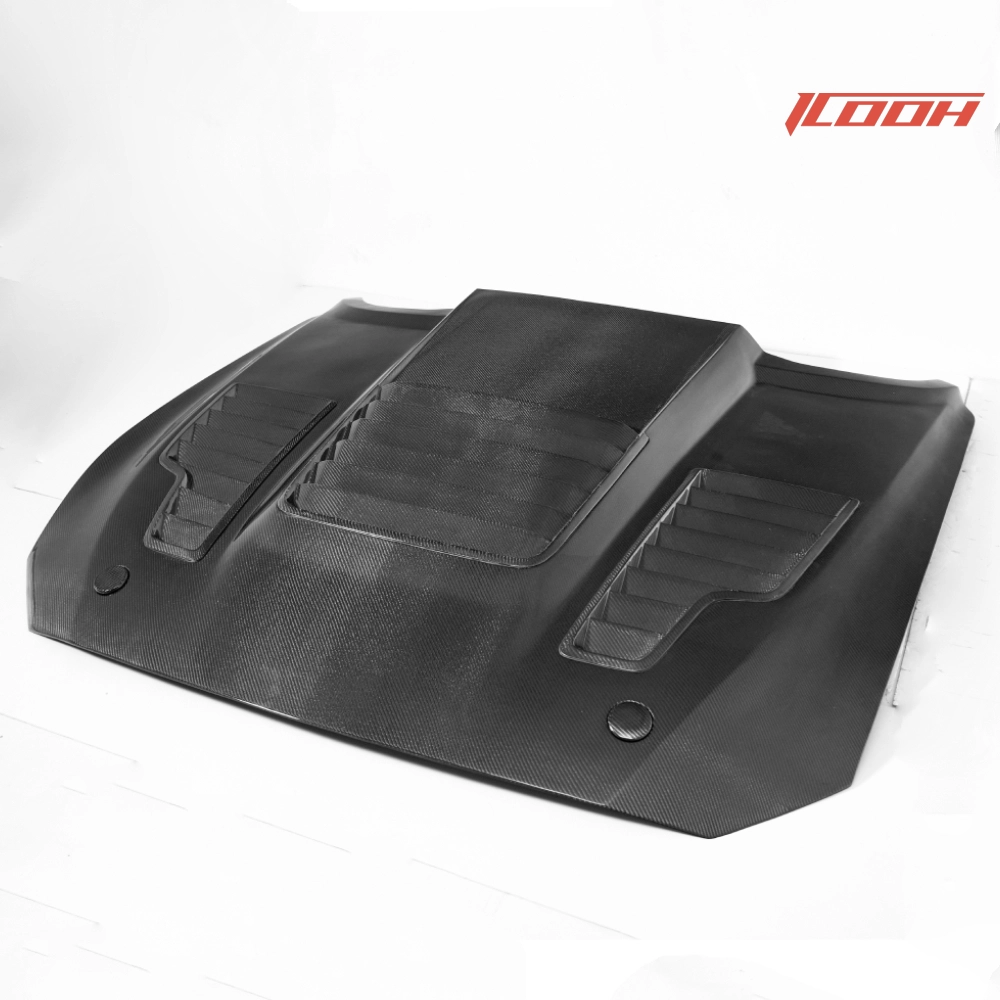
005 Ford Mustang 2018-2023 S550 Exhaust-style Carbon Fiber Front Hood
005 style Carbon Fiber Front Bonnet Engine Hood for Ford Mustang 2018-2023. made of durable carbon fiber material, precision-engineered for OEM-matched fitment. Lightweight and strong, enhances performance while maintaining a sporty aesthetic. Suitable for aftermarket replacement or performance upgrade with 100% tested quality assurance.
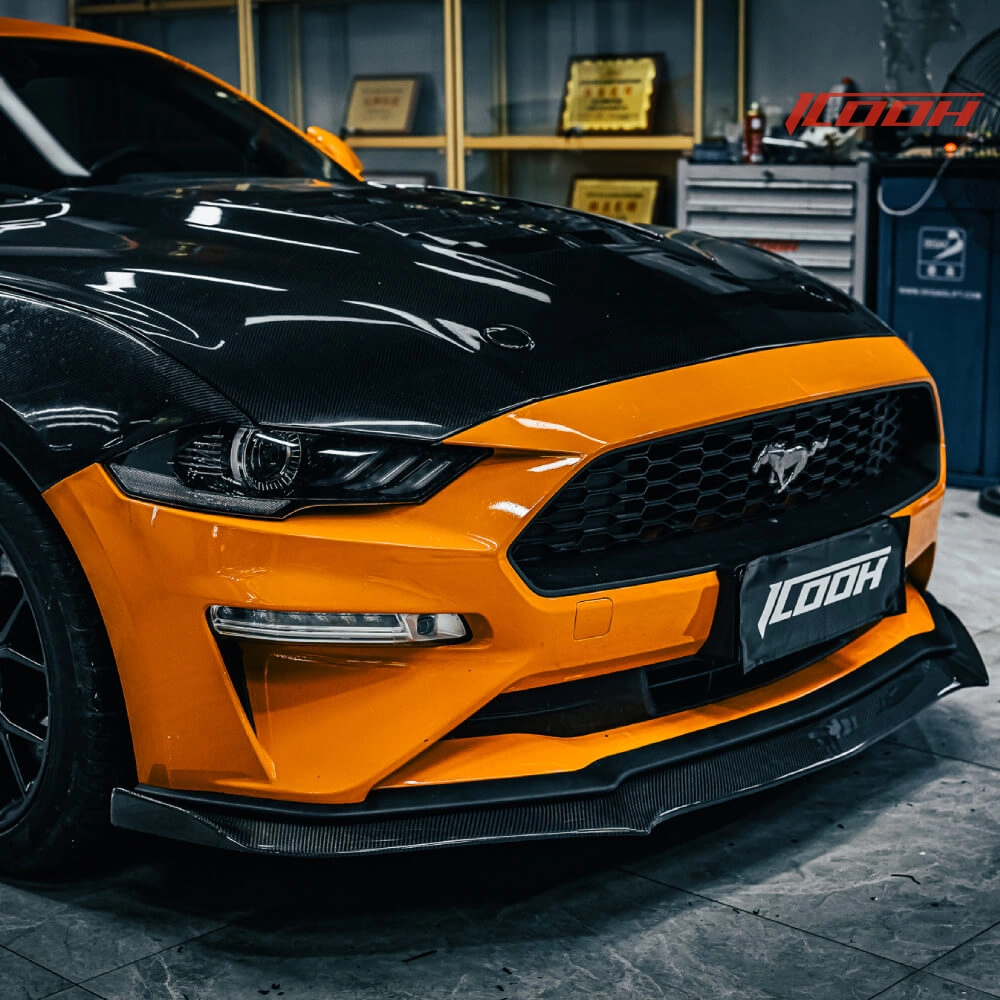
GT350 Ford Mustang 2018-2023 Carbon Fiber Front Lip
Enhance the aerodynamics and style of your Mustang with the 2018–2023 Mustang GT350 Carbon Fiber Front Lip. Crafted from lightweight, high-strength carbon fiber, this front lip delivers improved downforce, sharper front-end appearance, and a precise OEM-style fit.
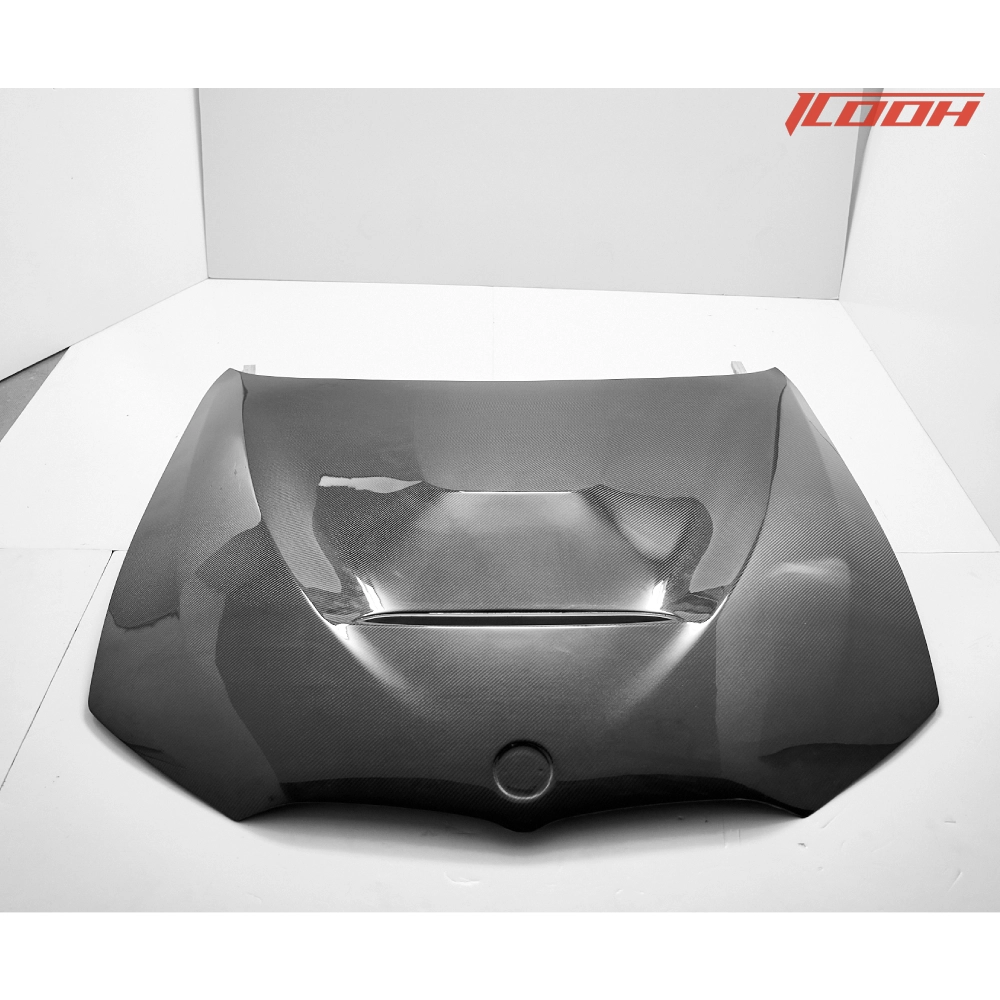
2020-2024 BMW G20 3 Series GTS Style Carbon Fiber Hood
The BMW G20 3 Series GTS-style carbon fiber hood, designed to deliver a lightweight, aggressive, and performance-focused look. Crafted from high-quality carbon fiber, it enhances aerodynamics, improves heat dissipation, and gives your G20 a striking motorsport appearance.

BMW 1 Series F20 GTS style carbon fiber front hood
The BMW 1 Series F20 GTS-style carbon fiber front hood. Made from high-quality carbon fiber, it offers a lightweight, durable construction with improved cooling and a striking performance look. Designed for precise fitment, it enhances both style and aerodynamics for a true motorsport feel.
Lightweight. Durable. Uniquely Yours.
ICOOH is a pioneer in automotive performance and exterior upgrades, compatible with 99% of vehicles worldwide. Let ICOOH be your professional supplier of car tuning parts and performance automotive accessories.
Facebook
Linkedin
Youtube
Instagram