












Differences in Brake Calipers: A Practical Performance Guide
- Understanding the differences in brake calipers: what car owners and tuners need to know
- Introduction — why knowing the differences in brake calipers matters
- Basic caliper types — fixed vs floating: core differences in brake calipers
- Materials and construction — cast, forged, and aluminum calipers
- Piston count and arrangement — how piston design changes braking performance
- Monoblock vs multi-piece calipers — pros and cons for performance upgrades
- Heat management and cooling — why it’s a commercial priority for big brake kits
- Pad and rotor compatibility — matching calipers to pads and rotors
- OEM vs aftermarket calipers — differences in brake calipers that affect buyers
- Serviceability and long-term ownership — what to expect
- Cost vs performance — choosing the right caliper upgrade for your budget
- Comparison table — quick reference for caliper differences
- How to choose: practical checklist for caliper upgrades and big brake kits
- ICOOH and performance solutions — aligning caliper choices with an integrated kit
- Installation and safety considerations — professional fitment matters
- Conclusion — selecting calipers based on differences in brake calipers and driving needs
- Frequently asked questions
Understanding the differences in brake calipers: what car owners and tuners need to know
Introduction — why knowing the differences in brake calipers matters
When upgrading brakes or shopping for big brake kits, understanding the differences in brake calipers is essential. Brake calipers are the heart of a braking system: they convert hydraulic pressure into the friction force that slows your wheels. Choosing the right performance brake calipers or aftermarket calipers affects stopping power, pedal feel, heat management, weight, and compatibility with rotors and pads. This guide helps drivers, tuners, and distributors make informed caliper upgrade decisions.
Basic caliper types — fixed vs floating: core differences in brake calipers
Fixed calipers (also called opposed-piston or monoblock calipers) and floating (sliding) calipers are the two primary designs. Fixed performance brake calipers clamp from both sides and usually house multiple pistons per side for balanced pad pressure—ideal for big brake kits and track use. Floating calipers have a single piston and slide on pins so the entire caliper moves to press the rotor; these are common OEM designs because they are compact, cost-effective, and adequate for daily driving.
Materials and construction — cast, forged, and aluminum calipers
Material affects weight, stiffness, and heat dissipation. Cast iron calipers are inexpensive and durable but heavy; OEM systems often use cast iron for economy. Aluminum calipers (cast or forged) are lighter and resist corrosion; forged aluminum offers superior strength-to-weight and is common in high-end performance brake calipers and big brake kits. Manufacturers may use two-piece designs (aluminum body with steel carrier) to balance cost and performance. For tuners seeking reduced unsprung mass and improved thermal performance, forged aluminum calipers are a common commercial choice.
Piston count and arrangement — how piston design changes braking performance
Piston quantity and size affect pad pressure distribution and pedal feel. Multi-piston calipers (four, six, or even eight pistons) can provide more uniform pad loading and greater clamping force without requiring excessive pedal travel, which improves stopping power and reduces uneven pad wear. Single- and dual-piston floating calipers are typical for OEMs on commuter vehicles, while performance brake calipers for track or heavy-duty street use often use four- to six-piston layouts per caliper.
Monoblock vs multi-piece calipers — pros and cons for performance upgrades
Monoblock calipers are machined from a single billet or forged piece, offering maximum stiffness and minimal flex under high load—advantages for repeatable brake feel during spirited driving. Multi-piece calipers bolt together (e.g., two-piece with a carrier and body) and can provide easier servicing and cost advantages. For big brake kits and high-performance aftermarket calipers, monoblock forged designs are preferred for maximum structural integrity and consistent brake modulation.
Heat management and cooling — why it’s a commercial priority for big brake kits
Heat limits braking performance. Performance calipers often include features to improve cooling and reduce fade: larger piston bores, vented caliper bodies, thermal coatings, and better pad ventilation. Upgrading to a big brake kit typically pairs larger rotors with multi-piston calipers to increase thermal mass and improve dissipation—key for track use or heavy towing where brake temperatures rise quickly.
Pad and rotor compatibility — matching calipers to pads and rotors
Not every pad or rotor fits every caliper. When selecting aftermarket brake calipers, consider pad shape, pad compound options, and rotor diameter and offset. Performance brake calipers designed for big brake kits are engineered to work with specific rotor thickness and hat dimensions. Choosing compatible calipers prevents fitment issues and ensures the braking system operates safely and efficiently.
OEM vs aftermarket calipers — differences in brake calipers that affect buyers
OEM calipers prioritize cost, packaging, and durability for broad model coverage. Aftermarket performance calipers prioritize stopping power, reduced weight, and adjustability (e.g., different piston sizes, brake pad options). For tuning brands and distributors, offering reputable performance calipers or complete big brake kits is a way to meet market demand for improved braking on modified cars, racing builds, or luxury performance vehicles.
Serviceability and long-term ownership — what to expect
Serviceability differs: simple floating calipers are easier and cheaper to rebuild, while multi-piece or monoblock performance calipers may require specialized seals or piston kits. When evaluating caliper upgrades, factor in maintenance costs, availability of rebuild kits, and warranty coverage—important commercial considerations for distributors and OEM partners evaluating suppliers.
Cost vs performance — choosing the right caliper upgrade for your budget
High-performance multi-piston forged calipers and complete big brake kits are more expensive but deliver measurable gains in heat resistance and pedal feel. For street drivers seeking a balance, OEM-upgrade aftermarket kits with two- or four-piston calipers and upgraded rotors provide noticeable improvements at a lower cost. Matching the caliper selection to driving style (commute, spirited street, track) ensures cost-effective upgrades.
Comparison table — quick reference for caliper differences
| Caliper Type | Typical Use | Advantages | Disadvantages | Common Piston Counts |
|---|---|---|---|---|
| Floating (sliding) | OEM street cars, compact vehicles | Lower cost, compact, easy to service | Less consistent pad pressure, can heat-soak under heavy use | 1–2 |
| Fixed (monoblock) | Performance cars, big brake kits, track | Uniform pad pressure, rigid, better pedal feel | Higher cost, heavier packaging, complex service | 4–8 |
| Two-piece (aluminum body + carrier) | Aftermarket performance, upscale OEM | Balance of weight, cost, and serviceability | Slightly less stiff than monoblock | 2–6 |
How to choose: practical checklist for caliper upgrades and big brake kits
Choose calipers by answering: What is the vehicle’s primary use (street, track, towing)? What wheel clearance and rotor diameter are possible? Do you need reduced unsprung mass? Is rebuildability important? For tuners and distributors, stock compatibility and fitment options across many models reduce returns—ICOOH’s product strategy emphasizes broad model coverage and precise fitment when selling big brake kits or performance brake calipers to aftermarket partners.
ICOOH and performance solutions — aligning caliper choices with an integrated kit
As a manufacturer, ICOOH integrates calipers with rotors and wheels for complete brake system upgrades. Founded in 2008, ICOOH emphasizes R&D-driven fitment across 99% of vehicle models and uses 3D modeling and structural simulation to ensure caliper and kit compatibility. For distributors and tuning brands, choosing a supplier with in-house design capabilities ensures aftermarket calipers, big brake kits, and wheels work together with fewer fitment issues.
Installation and safety considerations — professional fitment matters
Upgrading calipers often requires new lines, brackets, and correct torque specs. Brake bleeding and fluid selection matter: DOT4 is common for street/track, with dry boiling points around 230°C (DOT4) and DOT5.1 offering higher thermal performance. Professional installation and proper bedding of pads are critical to realize the performance gains and ensure safety.
Conclusion — selecting calipers based on differences in brake calipers and driving needs
Understanding the differences in brake calipers helps you pick the right solution: floating calipers for economy and simple OEM replacements, fixed multi-piston forged calipers for high-performance and big brake kits, and two-piece designs for an intermediate option. Match caliper material, piston count, and pad compatibility to driving demands. For suppliers and tuners, working with experienced manufacturers like ICOOH ensures complete, well-engineered brake upgrades that balance performance, fitment, and long-term support.
Frequently asked questions
What are the main differences between fixed and floating calipers?Fixed calipers are rigidly mounted, often with multiple pistons on both sides, providing more uniform pad pressure and better performance under high loads. Floating calipers use a single piston and slide on pins to clamp the rotor; they are less costly and common on OEM street cars.
Do more pistons always mean better braking?More pistons improve pad pressure distribution and can increase clamping force for the same pedal effort—but piston size, caliper stiffness, pad compound, and rotor thermal capacity also determine overall braking performance.
Are forged calipers worth the extra cost?Forged calipers offer superior stiffness, lighter weight, and durability under extreme use, making them worthwhile for track-focused builds and high-performance big brake kits. For everyday street use, upgraded cast or two-piece aluminum calipers may provide good value.
Can I fit performance calipers without changing wheels?You must check wheel clearance and rotor diameter; many performance calipers and big brake kits require larger wheels or different offsets. Always verify fitment specifications before purchase.
What brake fluid is recommended with performance calipers?DOT4 is common for street and moderate track use (dry boiling point ~230°C). For higher track demands, DOT5.1 (glycol-based, dry boiling point ~260°C) can offer higher thermal tolerance. Avoid DOT5 silicone fluid in systems not designed for it.
How often should calipers be serviced?Inspect calipers and hardware during routine brake service (every 12–24 months based on use). High-performance or track-driven cars may require more frequent inspection and pad replacement. Rebuild seals and pistons as per manufacturer recommendations.
Cost & Margin Analysis for Selling Big Brake Kits
Best Brake Caliper Paint Guide: Choose, Prep, Paint, Protect
Spec Essentials for Carbon Fiber Body Kits: Measurements & Fitment
Certification & Testing Standards for Big Brake Kits
About Company
What is ICOOH main product for factory?
ICOOH's main products for factories are Brake Systems, Carbon Fiber Body Kits, and Automotive Wheel Rims. These products are mainly used in the automotive manufacturing and related industrial sectors, designed to meet the needs of performance enhancement and vehicle body customization.
About Products
Are your products compliant with EU/US safety?
ICOOH’s products adhere to strict international safety standards.
Quality control
We guarantee that all products are 100% tested before shipment.
What materials are your products made of?
ICOOH’s factory-focused products are built with aerospace-grade materials that meet the demands of automotive manufacturing. From forged aluminum brake calipers to dry carbon fiber body kits, each component is engineered to deliver reliability, customizability, and sustainability—key factors in modern automotive production.
Daily Modified Vehicles
Will thermal fade occur with continuous braking?
Our brake discs and friction pads are tested at high temperatures and maintain a stable friction coefficient over time, even on mountain roads, highways, or track days.
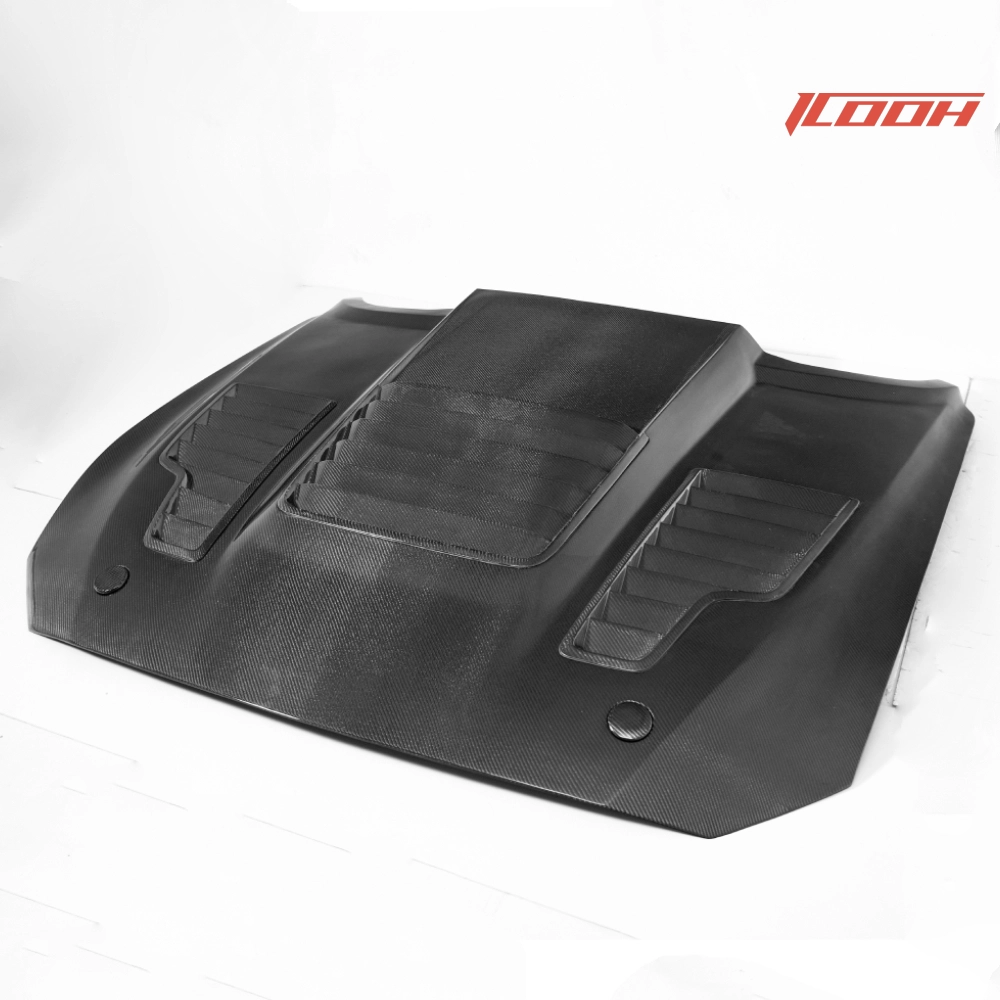
005 Ford Mustang 2018-2023 S550 Exhaust-style Carbon Fiber Front Hood
005 style Carbon Fiber Front Bonnet Engine Hood for Ford Mustang 2018-2023. made of durable carbon fiber material, precision-engineered for OEM-matched fitment. Lightweight and strong, enhances performance while maintaining a sporty aesthetic. Suitable for aftermarket replacement or performance upgrade with 100% tested quality assurance.
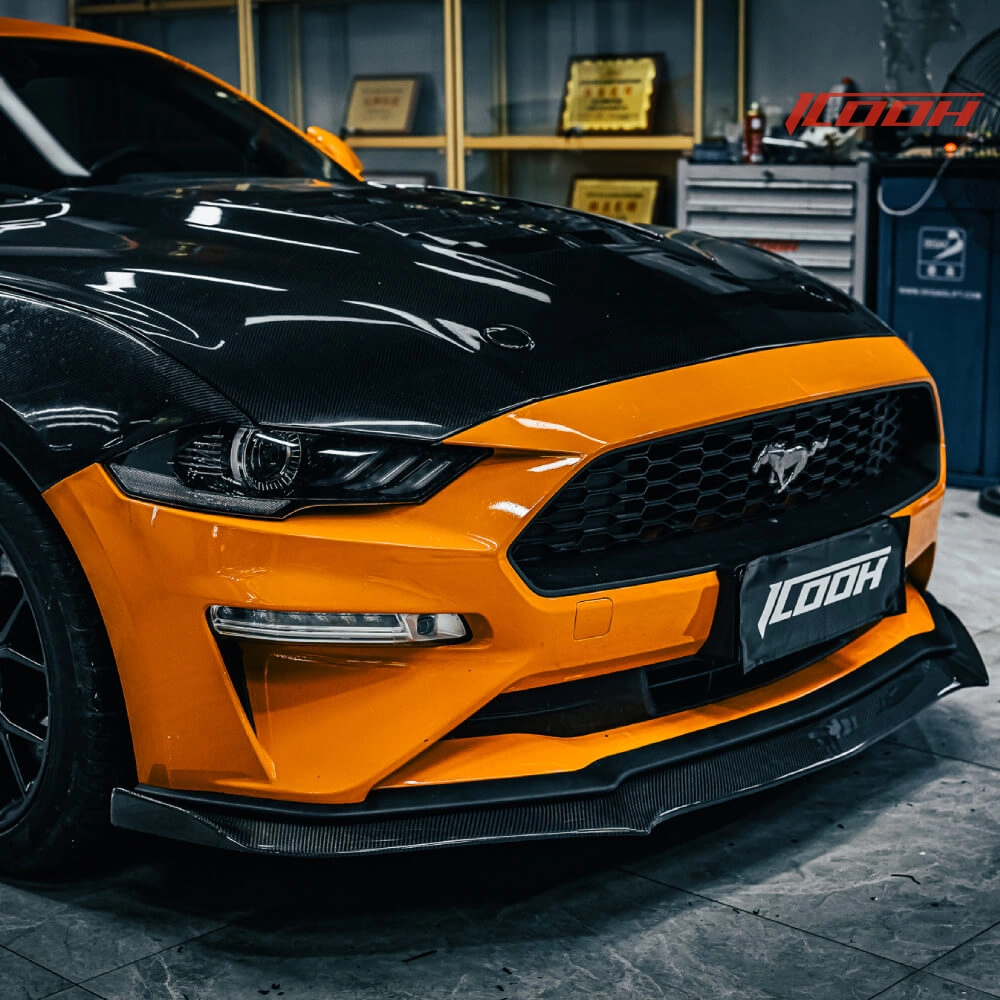
GT350 Ford Mustang 2018-2023 Carbon Fiber Front Lip
Enhance the aerodynamics and style of your Mustang with the 2018–2023 Mustang GT350 Carbon Fiber Front Lip. Crafted from lightweight, high-strength carbon fiber, this front lip delivers improved downforce, sharper front-end appearance, and a precise OEM-style fit.
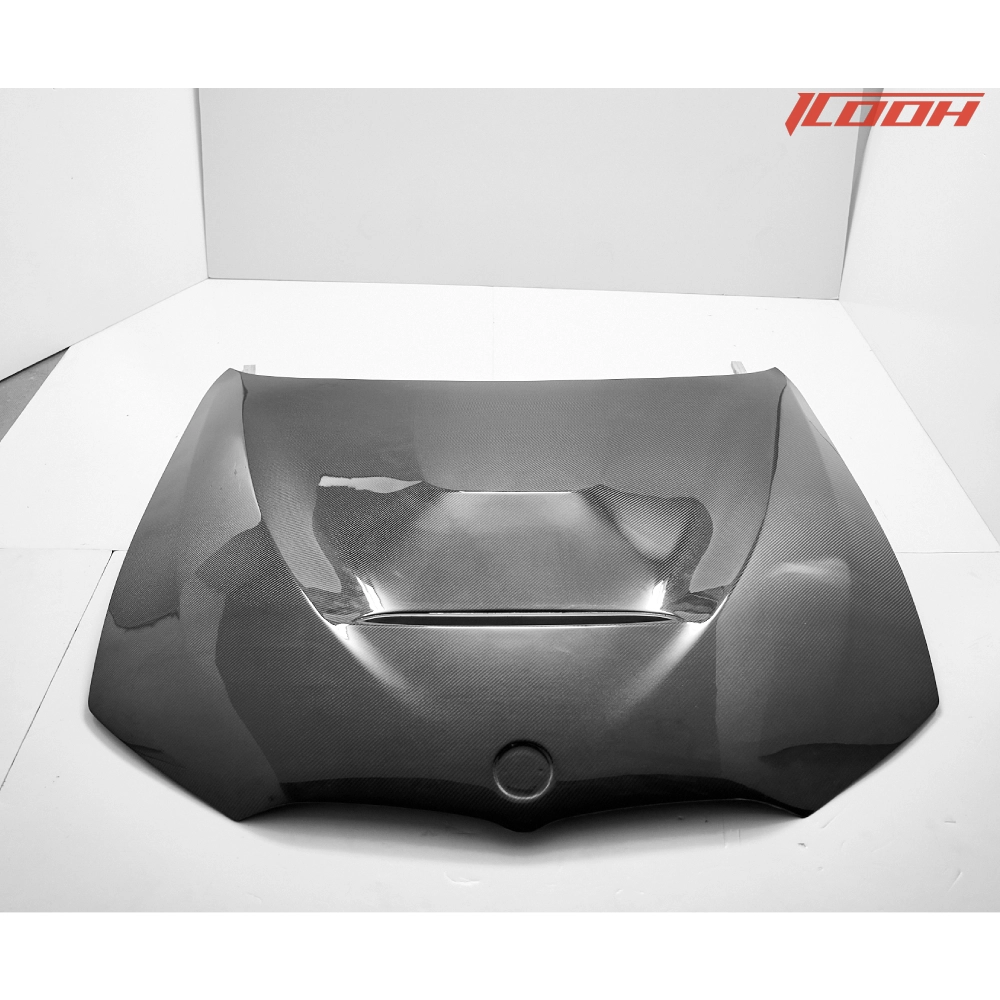
2020-2024 BMW G20 3 Series GTS Style Carbon Fiber Hood
The BMW G20 3 Series GTS-style carbon fiber hood, designed to deliver a lightweight, aggressive, and performance-focused look. Crafted from high-quality carbon fiber, it enhances aerodynamics, improves heat dissipation, and gives your G20 a striking motorsport appearance.

BMW 1 Series F20 GTS style carbon fiber front hood
The BMW 1 Series F20 GTS-style carbon fiber front hood. Made from high-quality carbon fiber, it offers a lightweight, durable construction with improved cooling and a striking performance look. Designed for precise fitment, it enhances both style and aerodynamics for a true motorsport feel.
Lightweight. Durable. Uniquely Yours.
ICOOH is a pioneer in automotive performance and exterior upgrades, compatible with 99% of vehicles worldwide. Let ICOOH be your professional supplier of car tuning parts and performance automotive accessories.
Facebook
Linkedin
Youtube
Instagram