













How to Choosing the Right Brake Calipers for Vehicle Performance
- Introduction — why choosing the right brake calipers for vehicle performance matters
- Performance-focused stopping power
- What this guide delivers
- About ICOOH — performance partner
- Understanding caliper types and how they affect vehicle performance
- Fixed vs floating calipers
- Material choices: cast iron, aluminum, and forged monoblock
- Caliper piston count and diameter
- Key selection criteria — practical checkpoints before you buy
- Fitment and vehicle compatibility
- Rotor size and pad pairing
- Hydraulic compatibility and brake bias
- Cooling and fade resistance
- How to evaluate performance improvements and trade-offs
- Brake torque, feel, and thermal capacity
- Weight vs stiffness trade-offs
- When to buy a complete big brake kit vs single caliper upgrade
- Integrated big brake kits for guaranteed performance
- Single caliper upgrades for targeted improvements
- Cost, serviceability, and commercial considerations
- Maintenance and pad/rotor availability
- Warranty, brand support, and R&D credibility
- Comparison: Fixed vs Floating Calipers (quick reference)
- Step-by-step checklist: how to choosing the right brake calipers for vehicle performance
- 1. Define use case and budget
- 2. Confirm fitment and wheel clearance
- 3. Match pads and rotors
- 4. Check hydraulic compatibility
- 5. Validate cooling and bleed paths
- 6. Purchase and professional installation
- Conclusion — making the right commercial and performance choice
- Balanced decisions win
- Next steps
- Sources
- Frequently Asked Questions
- Reference list
Introduction — why choosing the right brake calipers for vehicle performance matters
Performance-focused stopping power
Choosing the right brake calipers for vehicle performance is one of the most impactful upgrades you can make. The caliper converts hydraulic pressure into clamping force on the rotor — affecting pedal feel, fade resistance, and overall braking torque. For drivers and tuners seeking better lap times, safer street braking, or an OEM+ upgrade, correct caliper selection is a commercial decision with measurable performance returns.
What this guide delivers
This article explains caliper types, piston configurations, materials, fitment checks, pad and rotor compatibility, and practical rules to decide when to buy aftermarket performance brake calipers or a complete big brake kit. It addresses the keyword how to choosing the right brake calipers for vehicle performance and is written to help technicians, tuners, and buyers make confident purchases.
About ICOOH — performance partner
Founded in 2008, ICOOH is a leading performance car parts manufacturer offering big brake kits, carbon fiber body kits, and forged rims. ICOOH’s in-house R&D and wide model coverage ensure precise fitment for over 99% of vehicle models, making ICOOH big brake kits a turnkey option for upgrading calipers while maintaining compatibility and strong service support.
Understanding caliper types and how they affect vehicle performance
Fixed vs floating calipers
Fixed calipers (monoblock or multi-piece) have pistons on both sides and are bolted rigidly to the knuckle. Floating (sliding) calipers move laterally on guide pins and typically have pistons on one side. For how to choosing the right brake calipers for vehicle performance, fixed calipers generally offer better stiffness and pedal feel for track or high-performance street use; floating calipers are lighter and more cost-effective for daily driving.
Material choices: cast iron, aluminum, and forged monoblock
Cast iron calipers are durable and cost-effective but heavier. Aluminum calipers reduce unsprung mass and are common in performance aftermarket products. Forged monoblock aluminum calipers are the highest stiffness-to-weight option, improving pedal response and heat handling. Material choice affects heat dissipation, weight, and longevity.
Caliper piston count and diameter
Piston count (e.g., 2, 4, 6, 8) and piston area determine clamp force for a given hydraulic pressure. More pistons can distribute pressure more evenly and reduce pad taper. For street performance, 4-piston calipers are a common balance; track-focused builds often use 6 or 8 pistons. When evaluating how to choosing the right brake calipers for vehicle performance, consider both piston count and total piston area to match your master cylinder and brake bias needs.
Key selection criteria — practical checkpoints before you buy
Fitment and vehicle compatibility
Confirm hub bolt pattern, knuckle mount type, wheel clearance, and rotor diameter. A mismatch can require custom brackets or wheel changes. ICOOH’s product compatibility data helps limit surprises by specifying vehicle model fitment for big brake kits and calipers.
Rotor size and pad pairing
Caliper choice must match rotor diameter and pad compound. Larger rotors increase leverage and thermal capacity; high-friction track pads can exceed 600–750°C operating temperatures. Choose calipers whose piston area and pad backing plate can handle the intended pad compound without accelerated wear or uneven heat transfer.
Hydraulic compatibility and brake bias
Calipers change hydraulic leverage. Upgrading to larger pistons reduces line pressure required but can shift brake bias. Re-valving the master cylinder or using a different master cylinder size may be necessary for safe bias and ABS function. Always ensure the system’s hydraulic balance is tested after fitting new calipers.
Cooling and fade resistance
Caliper design, venting around the rotor, and ducting impact fade resistance. For track or towing use, prioritize calipers paired with ventilated rotors and ducts to keep pad temperatures in the optimal band and avoid brake fade during repeated stops.
How to evaluate performance improvements and trade-offs
Brake torque, feel, and thermal capacity
Performance calipers increase braking torque and pedal firmness but may raise system heat and cost. Evaluate improvements by lap-time testing, deceleration measurements, or subjective pedal feel. For most street-spirited drivers, a 4- to 6-piston upgrade with larger rotors delivers noticeable shorter stopping distances without extreme compromises.
Weight vs stiffness trade-offs
Forged monoblock calipers offer the best stiffness-to-weight ratio, improving suspension response. Cast multi-piece calipers may be heavier but can be less expensive. Factor unsprung weight penalties when choosing between heavier cast designs and lighter forged options.
When to buy a complete big brake kit vs single caliper upgrade
Integrated big brake kits for guaranteed performance
Complete big brake kits (calipers, rotors, mounting brackets, sometimes pads and hoses) remove fitment guesswork and maintain correct brake balance. ICOOH big brake kits are ideal for teams, distributors, or shops that want OEM-level compatibility, simplified installation, and matched component performance across many vehicle models.
Single caliper upgrades for targeted improvements
If budget or space limits exist, upgrading a single axle (usually front) calipers can still yield significant gains. However, mismatched front/rear braking can alter bias; consider matching or adjusting proportioning to maintain safety.
Cost, serviceability, and commercial considerations
Maintenance and pad/rotor availability
Choose calipers with commonly available pads and rotors to avoid expensive custom parts. Performance calipers with replaceable brake pads and serviceable pistons reduce lifecycle cost for commercial customers and resellers.
Warranty, brand support, and R&D credibility
Buy from manufacturers with proven R&D—like ICOOH, which employs engineers for structural simulation and aerodynamic analysis—so you get validated designs and reliable fitment information. For businesses selling upgrades, choosing a supplier with broad model coverage reduces returns and fitment issues.
Comparison: Fixed vs Floating Calipers (quick reference)
| Feature | Fixed Calipers | Floating Calipers |
|---|---|---|
| Typical piston count | 4–8 | 1–2 |
| Stiffness & pedal feel | High — better for track | Moderate — good for street |
| Weight | Lower (for forged) to moderate | Lower overall |
| Cost | Higher | Lower |
| Recommended use | Track, high-performance street, racing | Daily driving, light performance |
Step-by-step checklist: how to choosing the right brake calipers for vehicle performance
1. Define use case and budget
Street commuting, sport driving, or track days each demand different caliper features. Set a clear budget before shopping for performance calipers or ICOOH big brake kits.
2. Confirm fitment and wheel clearance
Measure clearances or consult the supplier’s fitment chart. Factor in rotor diameter and caliper width when selecting wheels and hub adapters.
3. Match pads and rotors
Choose pad compound and rotor type (vented, slotted, drilled, two-piece) to meet thermal and longevity needs.
4. Check hydraulic compatibility
Evaluate master cylinder size and ABS requirements. Be prepared to re-bias or re-valve the system if piston area changes significantly.
5. Validate cooling and bleed paths
Ensure the calipers and rotor package allow airflow or ducting to manage temperatures during repeated braking.
6. Purchase and professional installation
For optimum safety and performance, use a professional installer familiar with performance brake systems and post-install testing for bias and ABS operation.
Conclusion — making the right commercial and performance choice
Balanced decisions win
How to choosing the right brake calipers for vehicle performance boils down to matching caliper type, piston area, material, and cooling to your intended use. For many buyers, ICOOH big brake kits are a practical route: they combine precise fitment for many vehicle models, in-house R&D validation, and matched components to achieve reliable gains in braking performance and safety.
Next steps
Start with your use-case, measure fitment limits, and consult manufacturer fitment charts. If you represent a tuning brand, distributor, or OEM, contact ICOOH for tailored solutions that simplify procurement and ensure consistent product quality across vehicle lineups.
Sources
- Industry-standard brake engineering texts and manufacturer technical guides on caliper design and piston area effects.
- ICOOH company technical literature and product fitment databases (manufacturer-provided specifications).
- Independent brake testing reports and thermal performance studies for pad compounds and rotor designs.
Frequently Asked Questions
Q: How do I know if my car needs fixed calipers or floating calipers?A: Consider intended use: choose fixed calipers for track or high-performance street use where stiffness and consistent pedal feel matter; choose floating calipers for daily driving and cost-effective upgrades.
Q: Will upgrading calipers change brake bias?A: Yes. Larger piston area or different piston configurations can affect hydraulic leverage and bias. Re-evaluate master cylinder sizing or proportioning after upgrade.
Q: Can I fit larger calipers without changing wheels?A: Possibly, but you must check wheel clearance. Many big brake kits require wheels with greater spoke clearance; ICOOH fitment guides list wheel size requirements.
Q: Are forged calipers worth the extra cost?A: Forged monoblock calipers offer superior stiffness-to-weight ratios and better heat performance, making them a strong choice for competitive or high-performance builds.
Q: Do I need new brake lines and pads with a caliper upgrade?A: Upgraded braided steel lines and appropriate pad compounds are recommended to realize the full benefit of new calipers and to ensure consistent pedal feel.
Reference list
- Brake system fundamentals from standard automotive engineering texts.
- ICOOH company profile and product R&D claims (manufacturer disclosures).
- Independent brake performance test reports and pad compound data sheets.
Top Carbon Fiber Body Kits Manufacturers and Suppliers in China (2026)
Top 10 brake caliper Manufacturers and Supplier Brands in 2026
OEM vs Aftermarket Big Brake Kits for BMW: Buyer Checklist
The latest trends for brake disc in 2026 | ICOOH Ultimate Insights
Off-Road Vehicles
Will it affect vehicle handling and comfort?
We optimize lightweighting and friction characteristics to improve braking performance while maintaining vehicle handling and comfort.
Can it handle heavy loads or long-distance expeditions?
Designed for high loads and long-term continuous braking, ensuring reliability over long distances.
About Application
Is the product compatible with my vehicle? Will it damage the stock vehicle system?
We offer a wide range of vehicle data and customization options, allowing us to design a custom fit for each vehicle. The installation process does not damage critical stock vehicle systems, and we provide detailed installation instructions and certified parts to ensure vehicle compatibility and safety.
What is the process for custom/OEM/ODM services?
Customers can provide their vehicle model, operating conditions, and brand requirements. Our engineering team will then conduct solution design, sample development, testing and verification, and then mass production and delivery. The process is transparent and traceable.
About After Sales Support
Quick response
All your requests will be answered within 8 working hours.
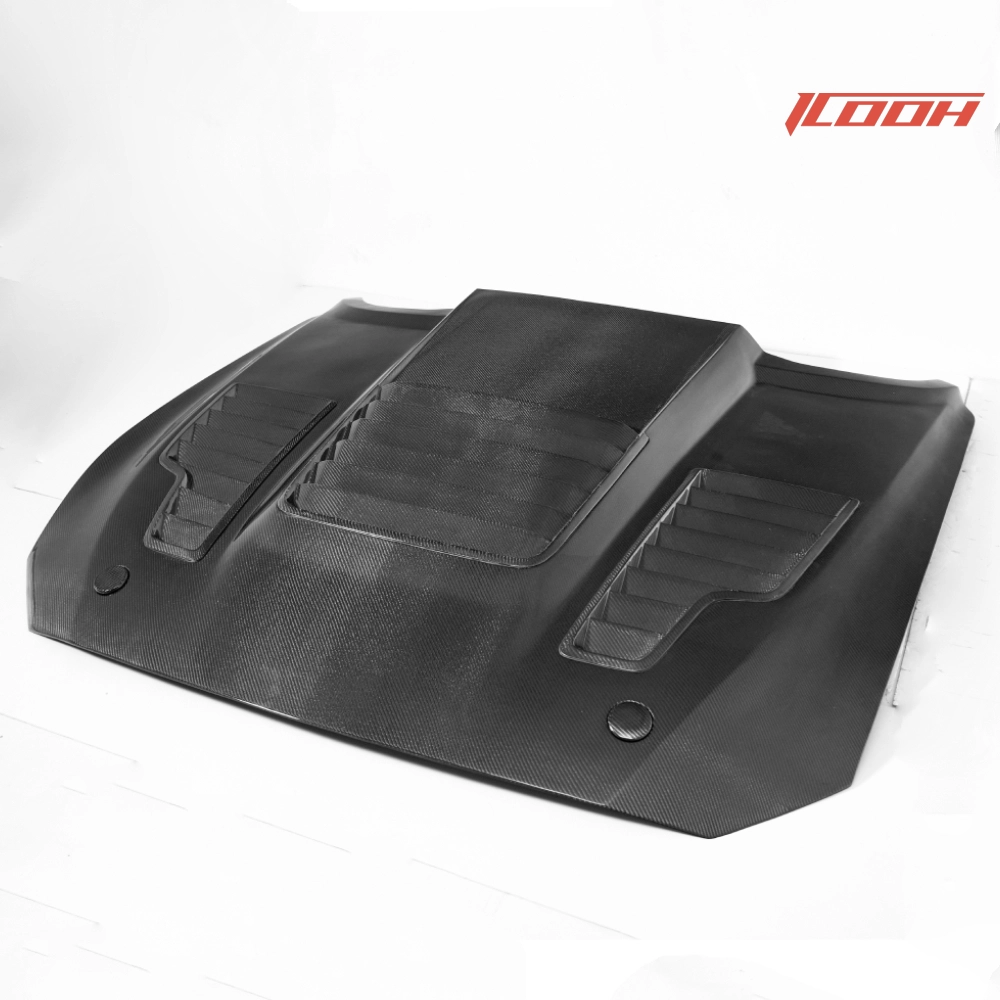
005 Ford Mustang 2018-2023 S550 Exhaust-style Carbon Fiber Front Hood
005 style Carbon Fiber Front Bonnet Engine Hood for Ford Mustang 2018-2023. made of durable carbon fiber material, precision-engineered for OEM-matched fitment. Lightweight and strong, enhances performance while maintaining a sporty aesthetic. Suitable for aftermarket replacement or performance upgrade with 100% tested quality assurance.
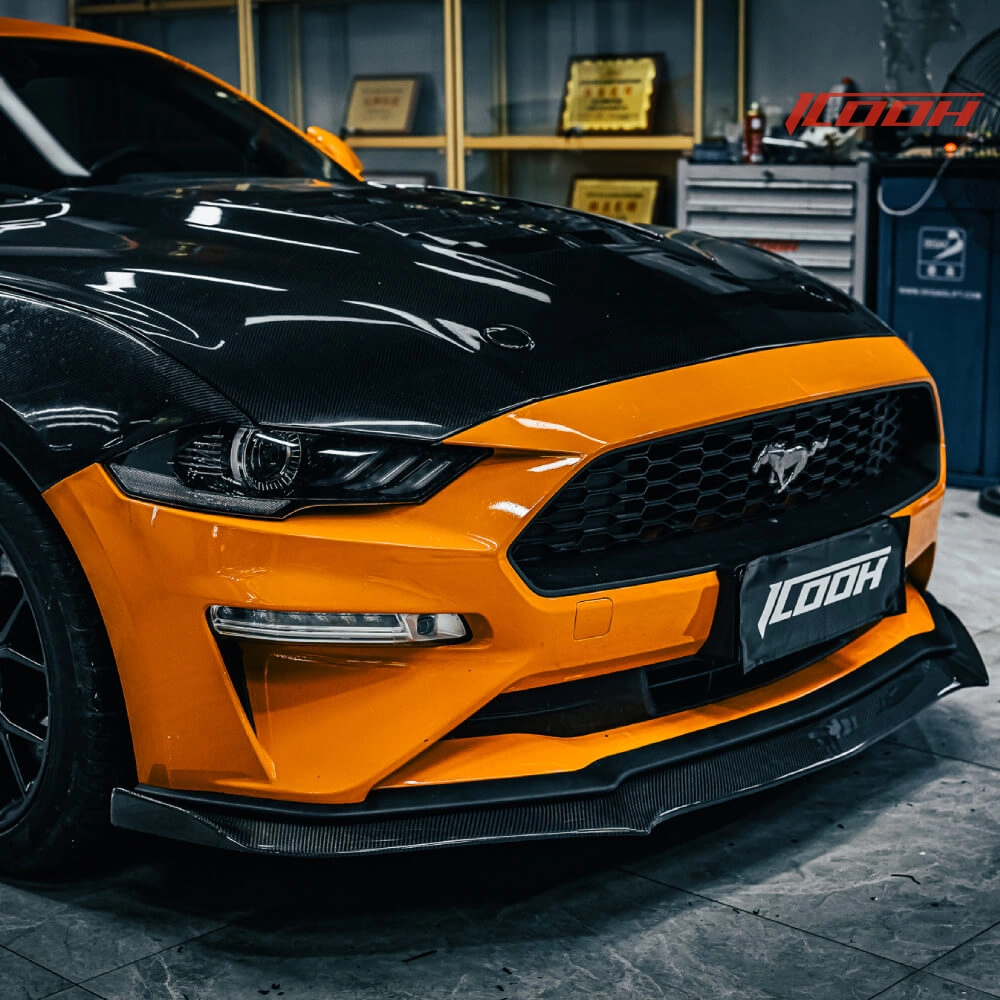
GT350 Ford Mustang 2018-2023 Carbon Fiber Front Lip
Enhance the aerodynamics and style of your Mustang with the 2018–2023 Mustang GT350 Carbon Fiber Front Lip. Crafted from lightweight, high-strength carbon fiber, this front lip delivers improved downforce, sharper front-end appearance, and a precise OEM-style fit.
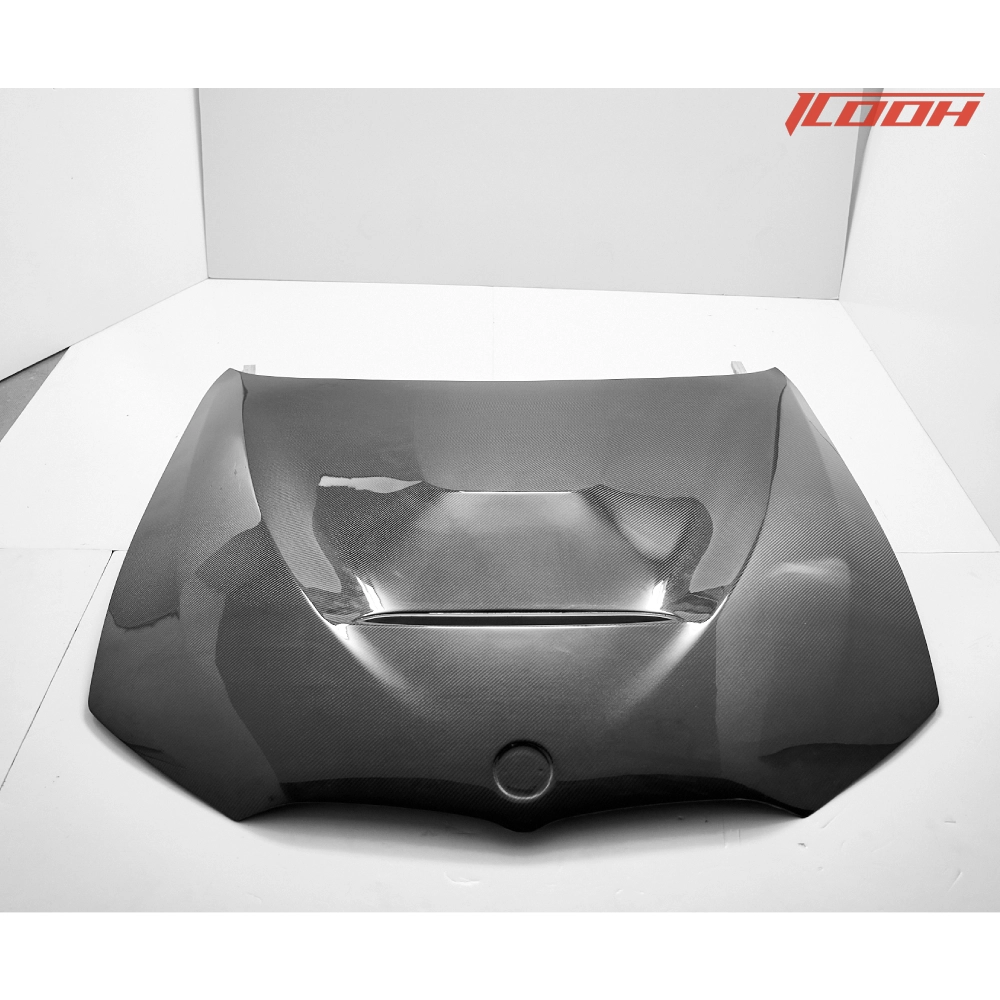
2020-2024 BMW G20 3 Series GTS Style Carbon Fiber Hood
The BMW G20 3 Series GTS-style carbon fiber hood, designed to deliver a lightweight, aggressive, and performance-focused look. Crafted from high-quality carbon fiber, it enhances aerodynamics, improves heat dissipation, and gives your G20 a striking motorsport appearance.

BMW 1 Series F20 GTS style carbon fiber front hood
The BMW 1 Series F20 GTS-style carbon fiber front hood. Made from high-quality carbon fiber, it offers a lightweight, durable construction with improved cooling and a striking performance look. Designed for precise fitment, it enhances both style and aerodynamics for a true motorsport feel.
Lightweight. Durable. Uniquely Yours.
ICOOH is a pioneer in automotive performance and exterior upgrades, compatible with 99% of vehicles worldwide. Let ICOOH be your professional supplier of car tuning parts and performance automotive accessories.
Facebook
Linkedin
Youtube
Instagram