How to Break In New Brakes: The 30/30/30 Rule Explained
Improperly bedded brakes lead to noise, vibration, and reduced stopping power. Master the 30/30/30 rule for brakes to transfer a uniform layer of friction material to the rotors and ensure peak performance. ICOOH breaks down this essential break-in procedure to help you protect your investment and maximize safety from the first mile. Read the technical breakdown here.
- How to Check Your Brake Pads: Signs It’s Time for a Replacement
- Why You Must Break In (Bed-In) New Brake Pads
- What is the 30/30/30 Rule for Brakes?
- Why Are My New Brakes Squeaking?
- Upgrade Your Stopping Power with ICOOH
- Frequently Asked Questions (FAQ)
- Q: What happens if I don't break in my new brakes?
- Q: Does the 30/30/30 rule apply to high-performance Big Brake Kits?
- Q: Is it normal to smell burning during the brake break-in process?
- Q: Can I bed in new brake pads on old rotors?
- Q: How long does it take for new brakes to fully bed in?
When you install new brake pads, simply driving off and hitting the road isn't enough. Proper brake bedding (or breaking in) is essential for optimal stopping power, preventing premature wear, and eliminating annoying noises.
Whether you are upgrading to high-performance ICOOH Big Brake Kits or just doing a routine replacement, understanding how to treat your new braking system is crucial. In this comprehensive guide, we will explain the famous 30/30/30 rule for brakes, teach you how to check your brake pads, and explain why new brakes sometimes squeak.
How to Check Your Brake Pads: Signs It’s Time for a Replacement
Before you worry about breaking in new pads, you need to know if you actually need them. Knowing how to check brake pads can save you from costly rotor damage and keep you safe on the road. Here is a quick 3-step checklist:
-
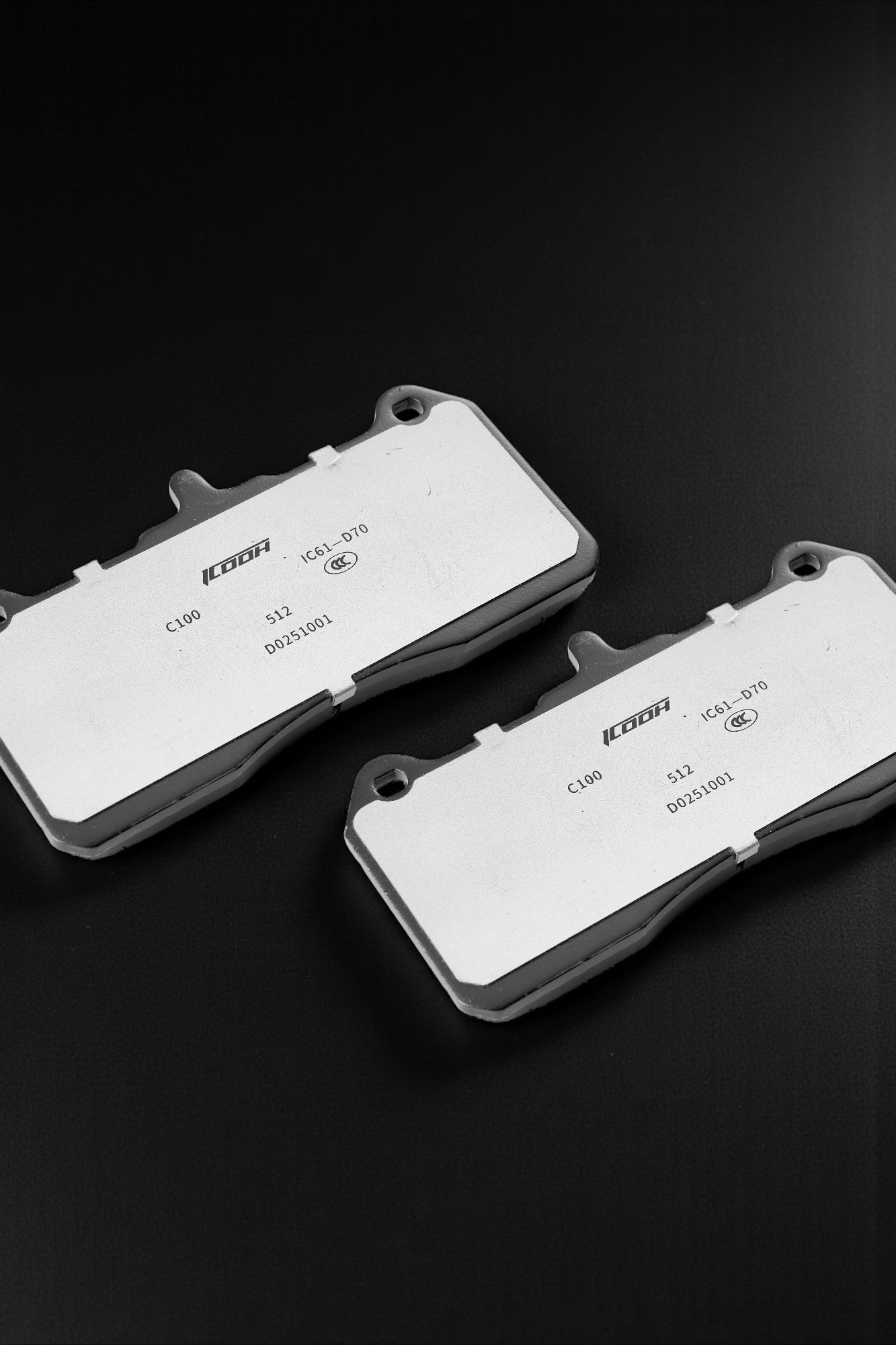
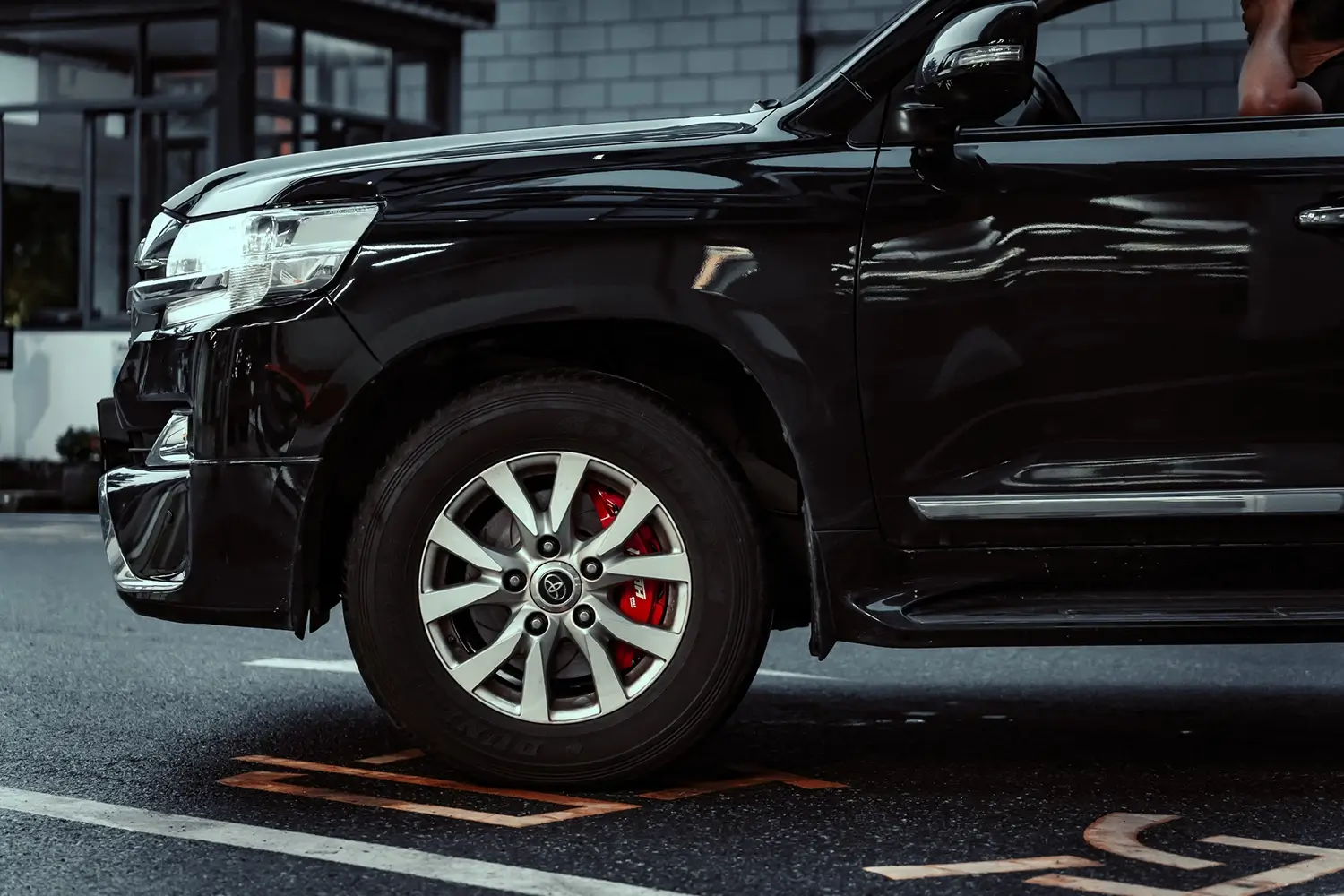
Visual Inspection (The Thickness Test): Look through your wheel spokes at the brake caliper. You should be able to see the brake pad pressing against the metal rotor. If the friction material is less than 1/4 inch (about 6.4 mm) thick, it is time for a replacement.
-
Listen for the Warning Sounds: Most modern brake pads come with built-in wear indicators. If you hear a high-pitched squealing or scraping noise when you apply the brakes, that is the metal indicator telling you the pads are dangerously thin.
-
Feel the Brake Pedal: If your brake pedal feels "spongy" or if the steering wheel vibrates when you slow down, your pads or rotors might be worn unevenly or warped.
Why You Must Break In (Bed-In) New Brake Pads
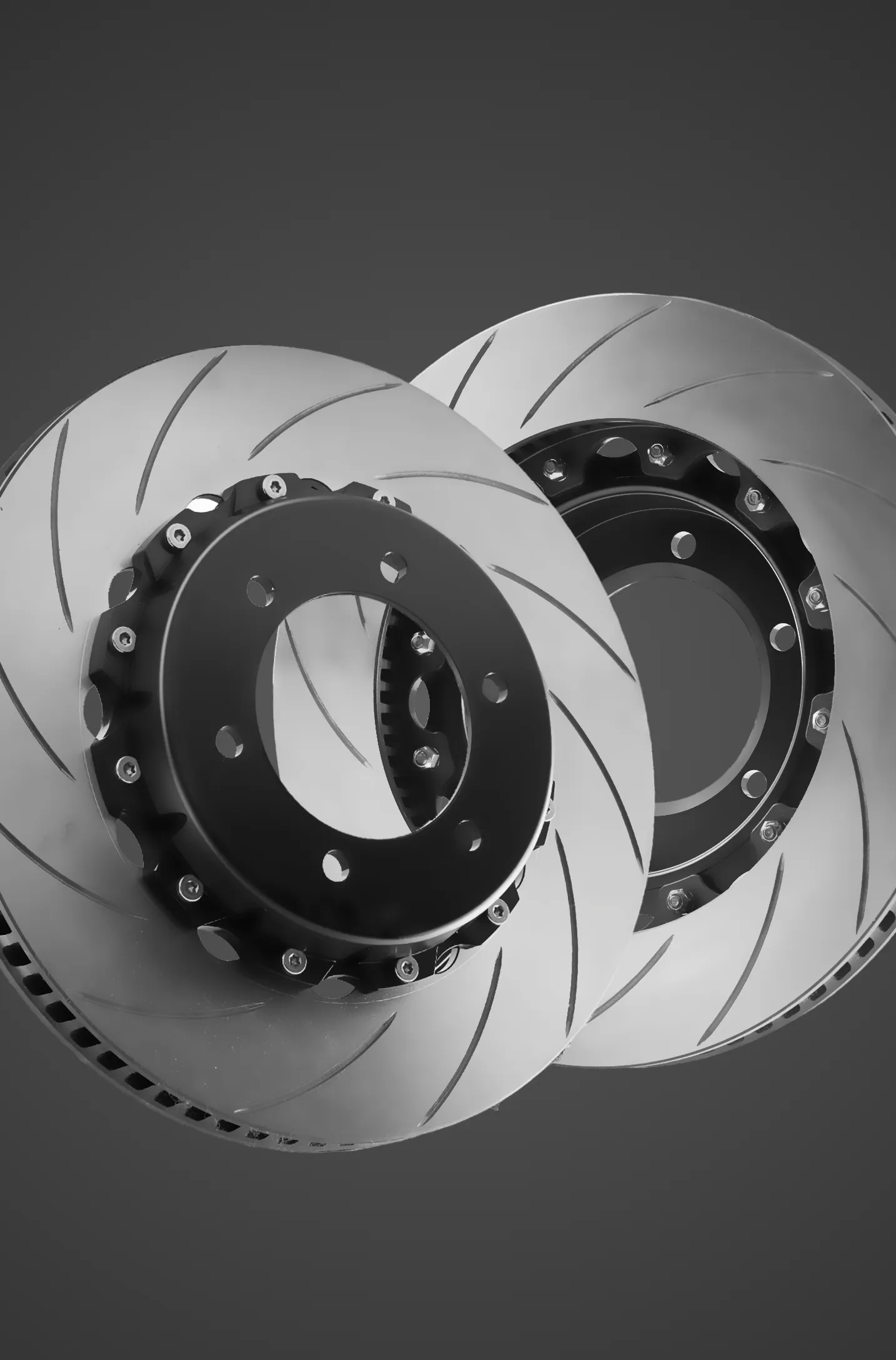
If you've just replaced your pads, you must "bed them in." Bedding is the process of depositing an even layer of brake pad friction material onto the surface of the brake rotor.
Without this transfer layer, your brakes won't grip efficiently. Improper bedding can lead to uneven pad wear, brake judder (vibration), and a significant loss in braking performance.
What is the 30/30/30 Rule for Brakes?

The 30/30/30 rule is a widely accepted, easy-to-remember method for bedding in standard street brake pads. Here is exactly how to do it safely in an empty parking lot or a quiet stretch of road:
-
30 Stops: Perform 30 gradual stops (or near-stops).
-
From 30 MPH: Accelerate your vehicle to about 30 miles per hour (mph), then firmly and smoothly apply the brakes to slow down to about 5 mph. Do not come to a complete stop, as this can leave an uneven imprint of pad material on a hot rotor.
-
30 Seconds of Cooling: Allow roughly 30 seconds of driving between each braking cycle to let the brakes cool slightly and prevent overheating.
Pro Tip: After completing the 30 cycles, drive your car at normal speeds with minimal braking for about 15 minutes to let the entire brake system cool down evenly.
Why Are My New Brakes Squeaking?
A very common question after a brake job is, "Why do my new brakes squeak?" If you just installed new pads and they are making noise, it is usually due to one of the following reasons:
-
Skipped the Bedding Process: If you didn't follow the 30/30/30 rule, the pads and rotors haven't mated properly, causing high-frequency vibrations (squeaking).
-
Dirty Rotors: If the old rotors weren't cleaned to remove rust, grease, or old pad material before the new pads were installed, it will cause noise.
-
Missing Lubrication: The back of the brake pads and the caliper slider pins require specific high-temp brake grease. Without it, metal-on-metal contact will cause squeals.
Upgrade Your Stopping Power with ICOOH
Understanding how to maintain and break in your brakes is the key to vehicle safety. If your current factory brakes are constantly fading, squeaking, or just not delivering the bite you need, it might be time for a serious upgrade.
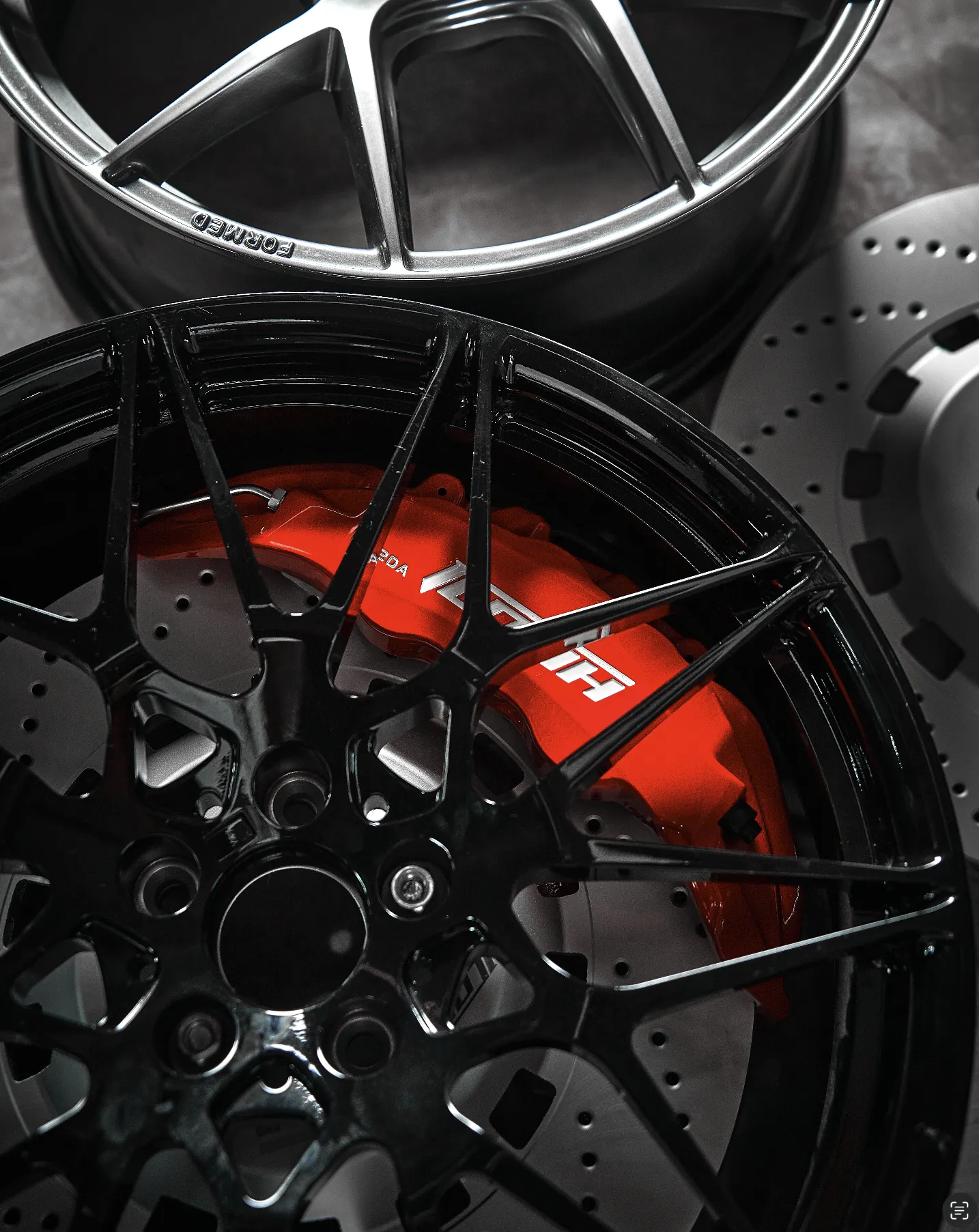
At ICOOH, we specialize in manufacturing premium Big Brake Kits and Carbon Fiber Body Kits. Designed for both aggressive street driving and track enthusiasts, our brake systems offer superior heat dissipation, massive stopping power, and a sleek, high-performance look.
Explore our extensive catalog today and give your vehicle the braking performance it truly deserves!
Frequently Asked Questions (FAQ)
Q: What happens if I don't break in my new brakes?
A: Skipping the break-in (bedding) process can lead to several issues. You will likely experience squeaking noises, uneven pad wear, brake judder (vibration in the steering wheel or pedal), and significantly reduced stopping power. The friction material won't transfer evenly to the rotor, compromising your safety.
Q: Does the 30/30/30 rule apply to high-performance Big Brake Kits?
A: The 30/30/30 rule is an excellent baseline for standard street brakes. However, high-performance systems like ICOOH Big Brake Kits use advanced, high-temperature friction materials. They may require a more aggressive bedding procedure (such as higher speeds and firmer stops) to properly cure the pads. Always refer to the specific bedding instructions included in your ICOOH package for the best results.
Q: Is it normal to smell burning during the brake break-in process?
A: Yes, absolutely! A slight burning smell, and sometimes even a small amount of smoke, is completely normal when you are bedding in new brake pads. This is simply the bonding resins in the new pads curing and burning off due to the high heat generated during the process. The smell should dissipate after the brakes cool down.
Q: Can I bed in new brake pads on old rotors?
A: While it is possible, it is highly discouraged unless the old rotors have been properly machined (resurfaced). Putting perfectly flat new pads onto uneven, old rotors will prevent them from making full contact. This means they cannot bed correctly, which often leads to noise and poor braking performance. For the best results, always pair new pads with new or freshly resurfaced rotors.
Q: How long does it take for new brakes to fully bed in?
A: If you follow the 30/30/30 rule correctly, the initial bedding process takes only about 15 to 20 minutes. However, it may take up to 100 to 200 miles of normal city driving for the brake pads and rotors to perfectly conform to each other and reach their absolute peak stopping performance.
BMW X5 Big Brake Kit: Benefits, Cost & Performance Guide
How to Choose a Reliable Custom Brake Caliper Manufacturer
Mercedes GLC63 Brake Kit: Smart Upgrade Guide
BMW M4 Carbon Ceramic Brake Cost: Why Are They So Expensive?
Explore More Automotive News
Subscribe to our newsletter for the latest tuning cases, technology trends, and industry analysis.
Facebook
Linkedin
Youtube
Instagram