Performance Car Parts Categories
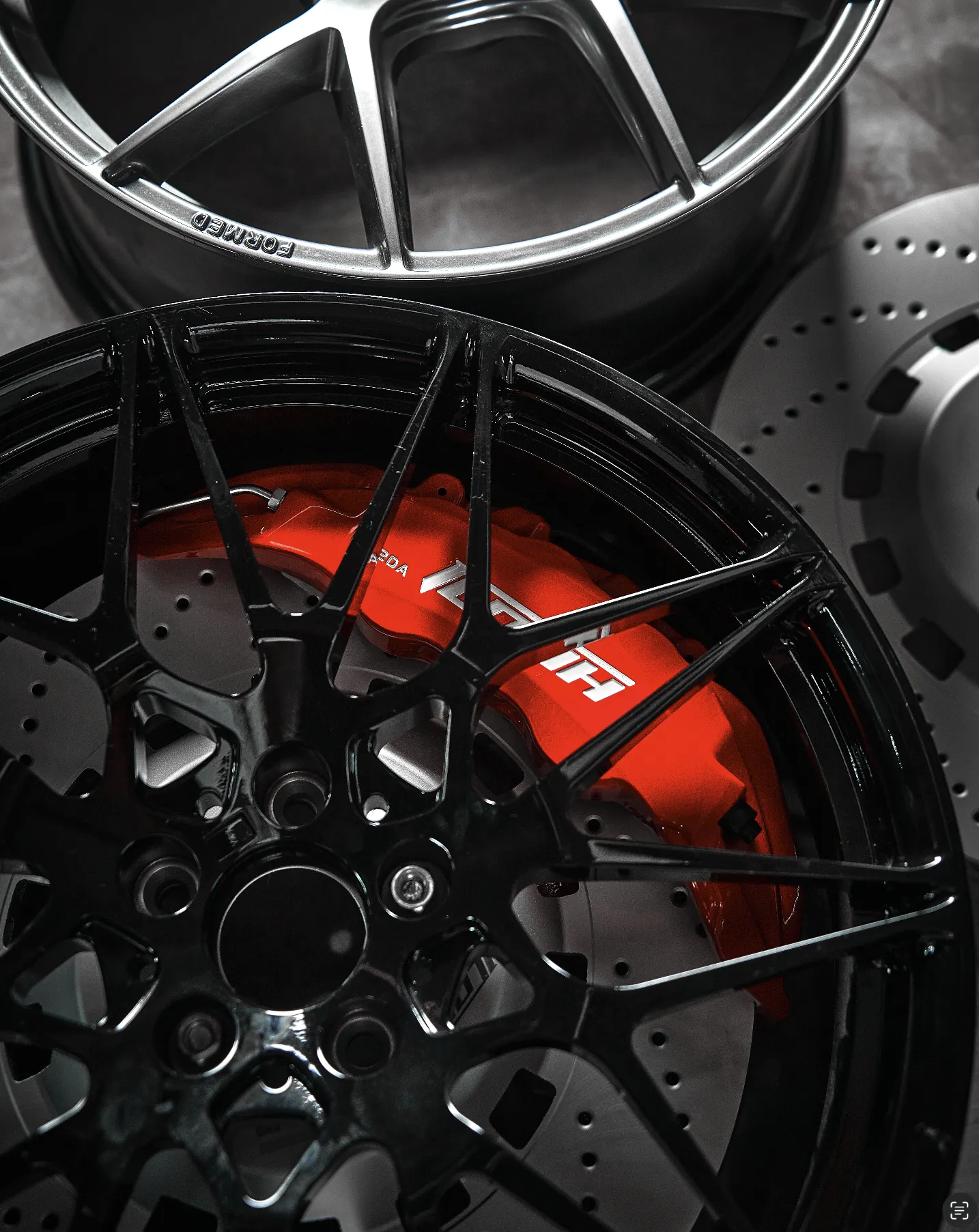
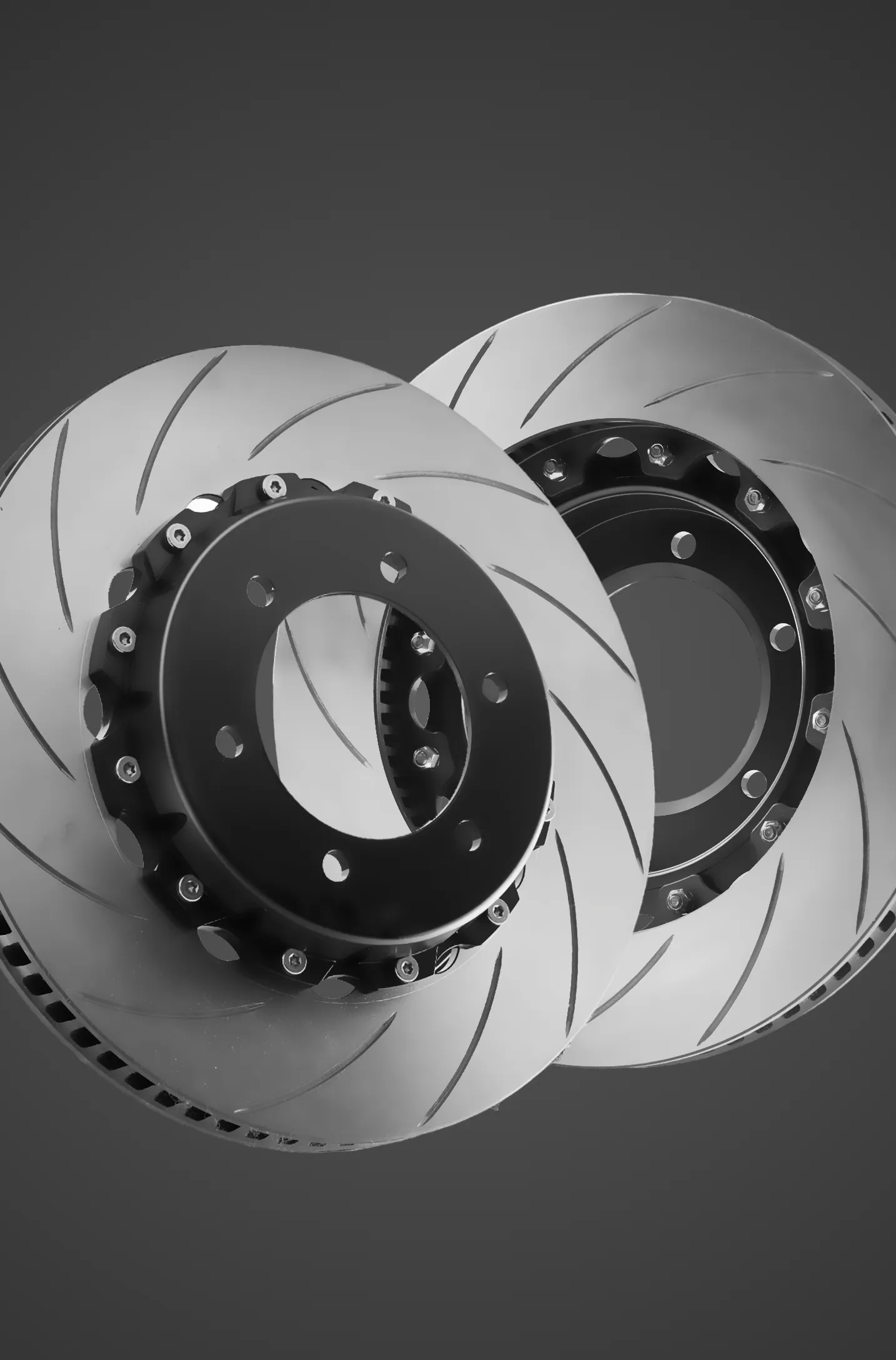
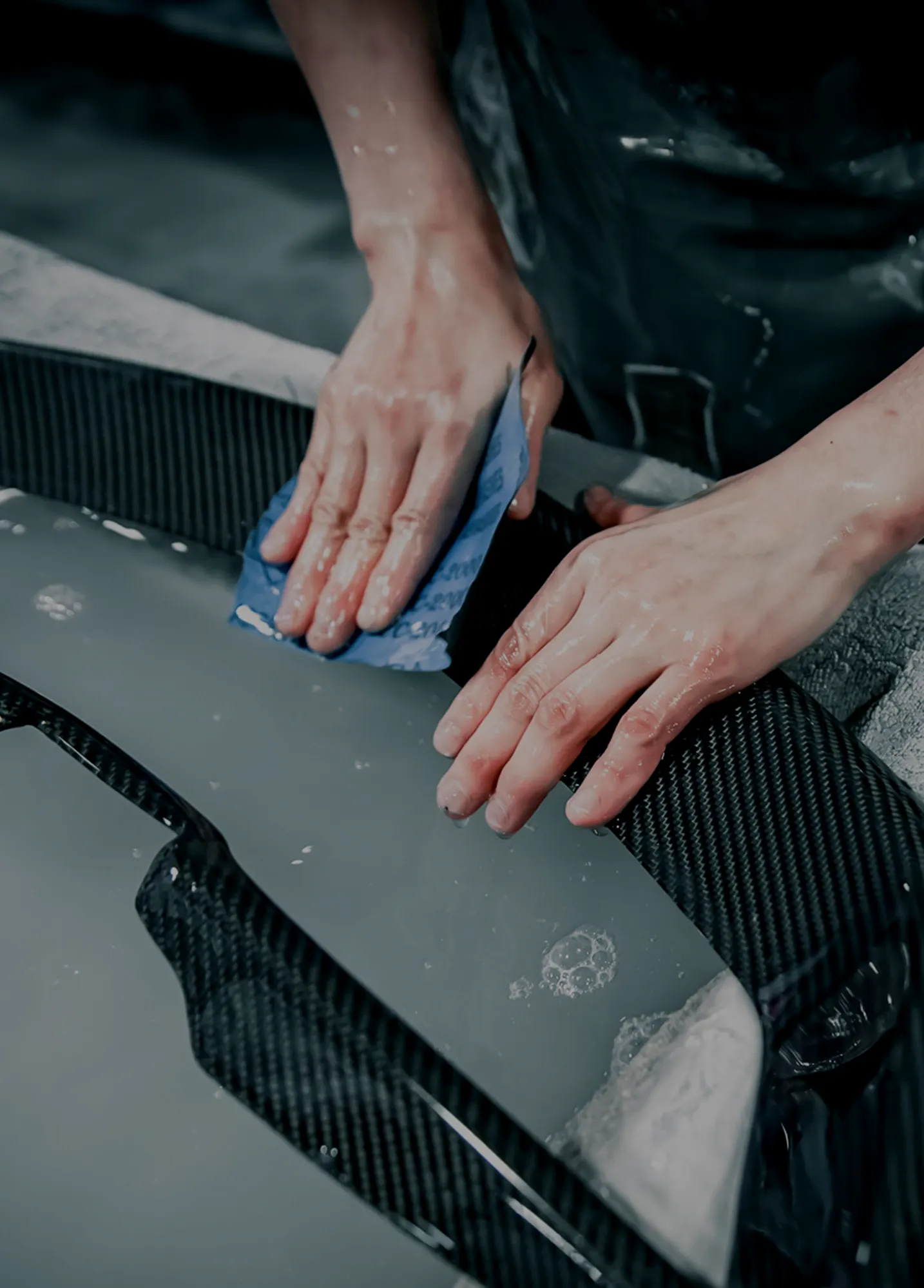
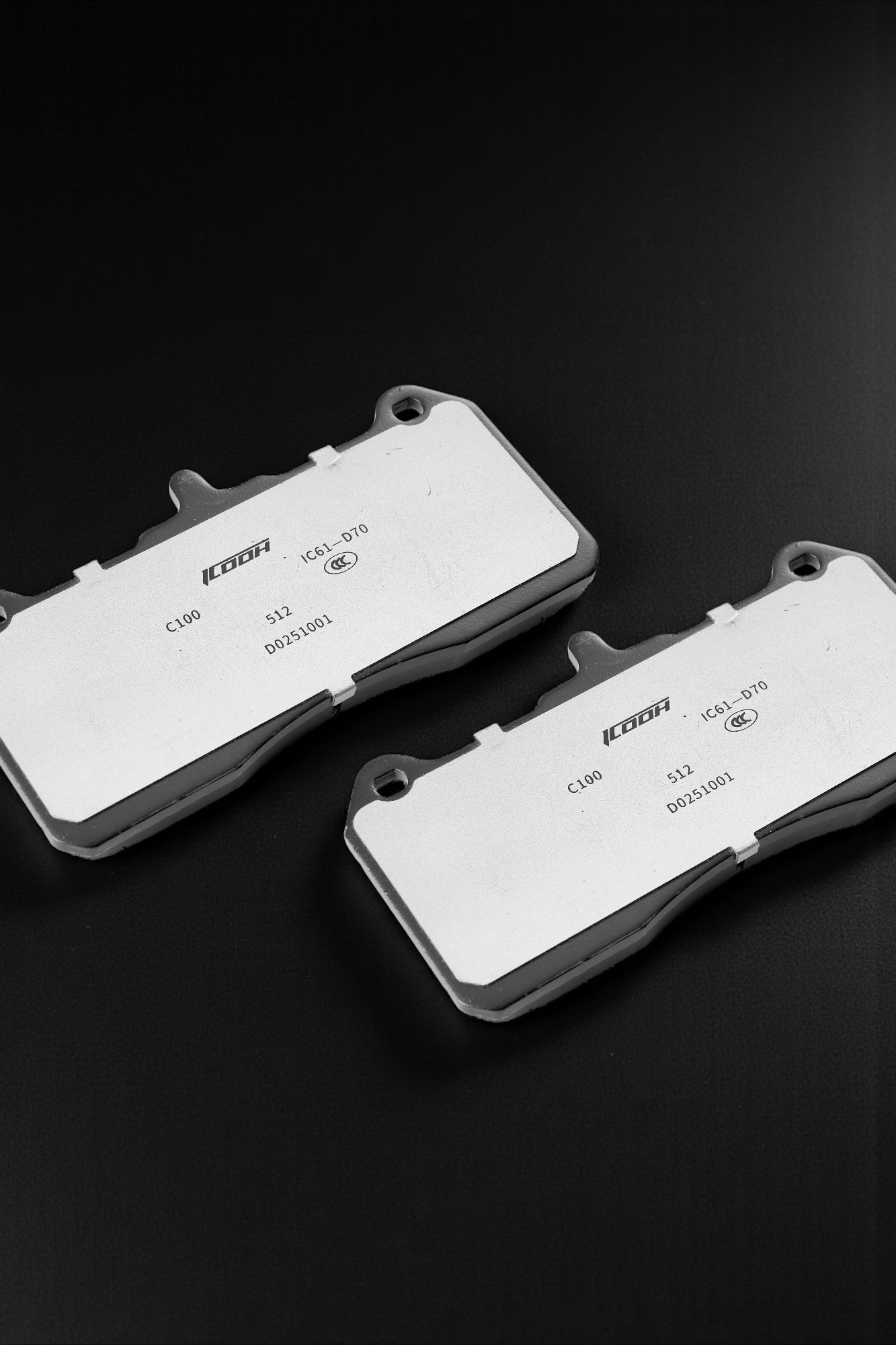
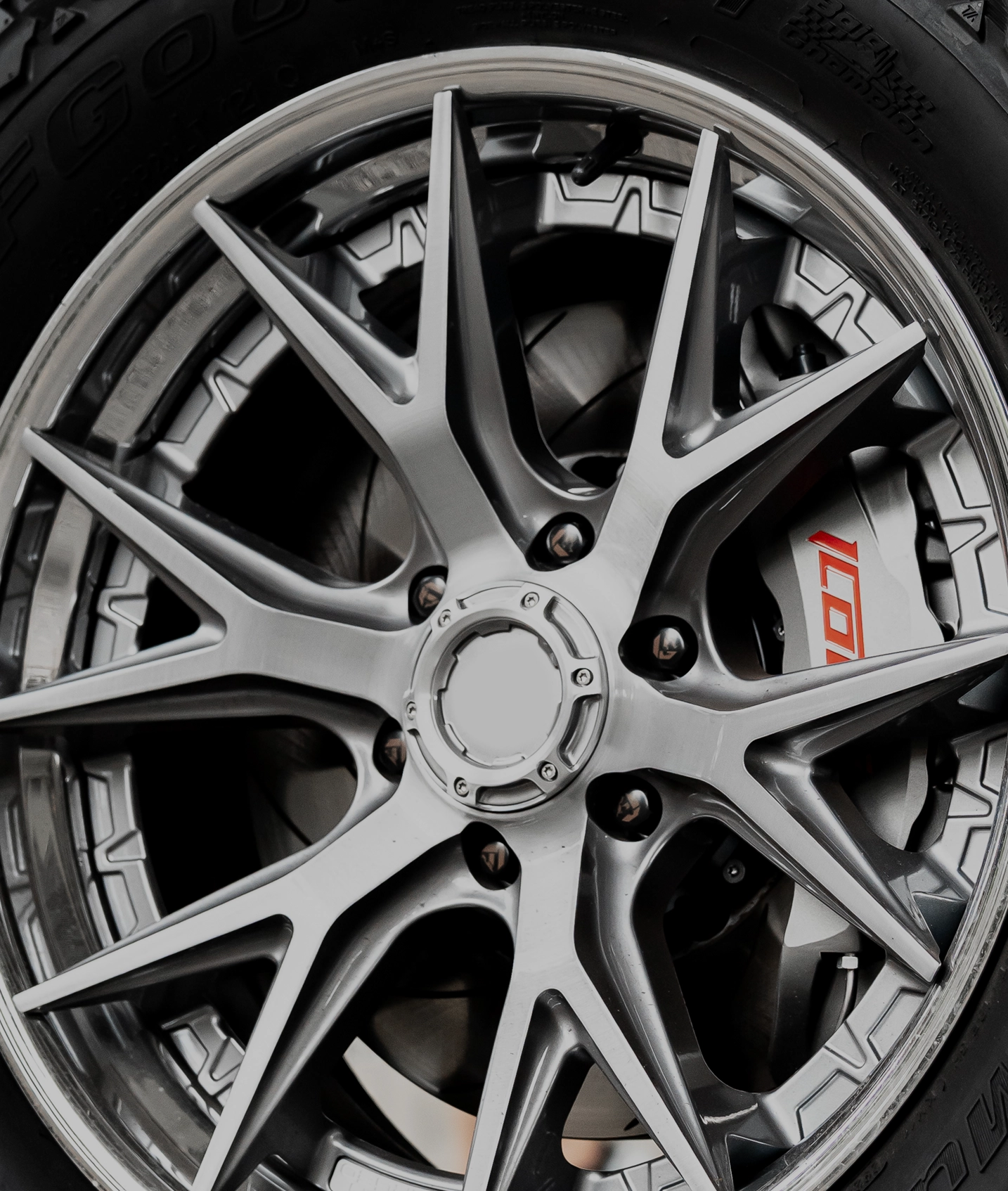
Brand Upgrades Begin with Advanced Car Modification Solutions
ICOOH tailors brand identity for you, from color customization and logo engraving to personalized packaging. We provide one-stop OEM/ODM services to ensure your brand stands out in both performance and appearance.

Size
Available in multiple sizes to meet different application needs

Color
Choose from a variety of colors for a personalized look.

Logo
Custom logo printing available to highlight your brand.
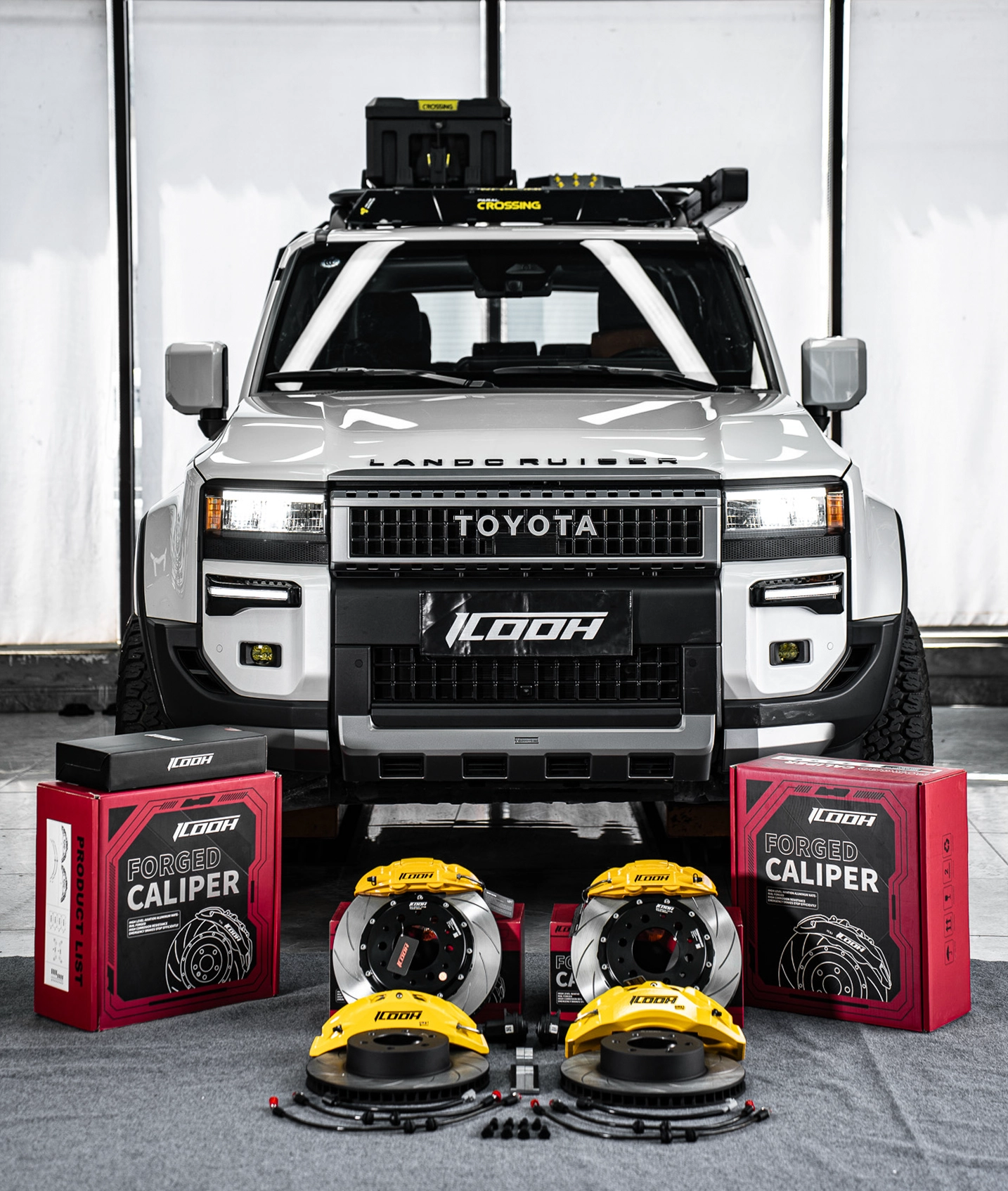
Mastering Performance and Design in Automotive Upgrades
Founded in 2008, ICOOH is a leading company in the global automotive modification industry, specializing in advanced technologies for enhancing performance and aesthetics.
As an innovative leader in automotive performance upgrades, we stand out thanks to two key strengths: exceptional vehicle compatibility and robust design and R&D capabilities. Our braking performance solutions cover over 99% of vehicles worldwide, and our R&D team of over 20 experienced experts focuses on creating customized exterior modifications and carbon fiber body enhancements for each vehicle model.
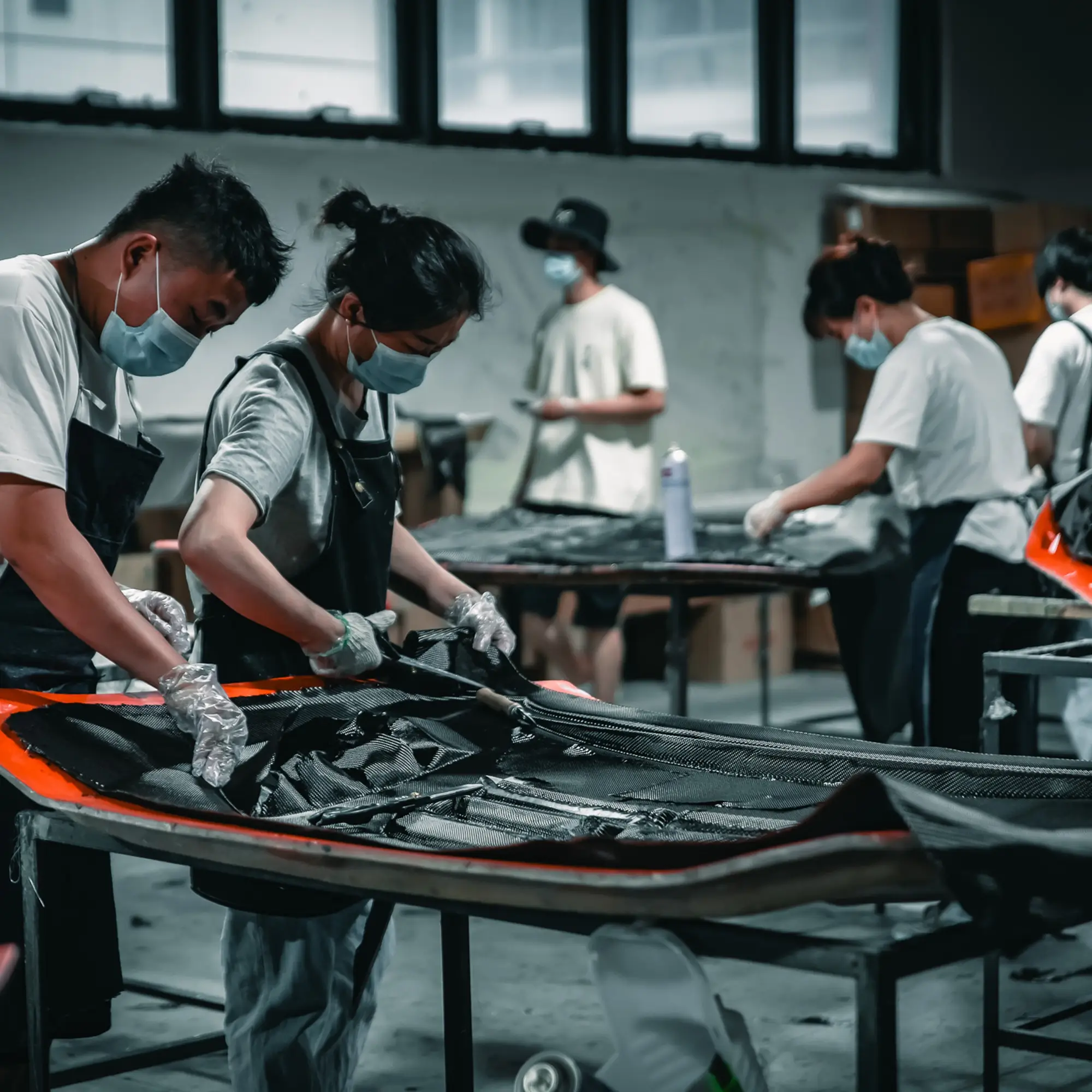
Every product undergoes meticulous craftsmanship and strict quality control from concept design to final production. At ICOOH, we don't just modify cars—we are your trusted partner in delivering high-performance, lightweight and visually striking enhancement solutions for sports and luxury vehicles.
Inside ICOOH →One-Stop Luxury & Sports Car Modification Solutions
"All-in-one automotive modification solutions for distributors, e-commerce, and performance markets"
Whether you are a wholesaler, private label brand, or online retailer, we provide integrated services from design, color, and surface finishing to packaging. Ensure stable quality, reliable delivery times, and maximum cost efficiency.
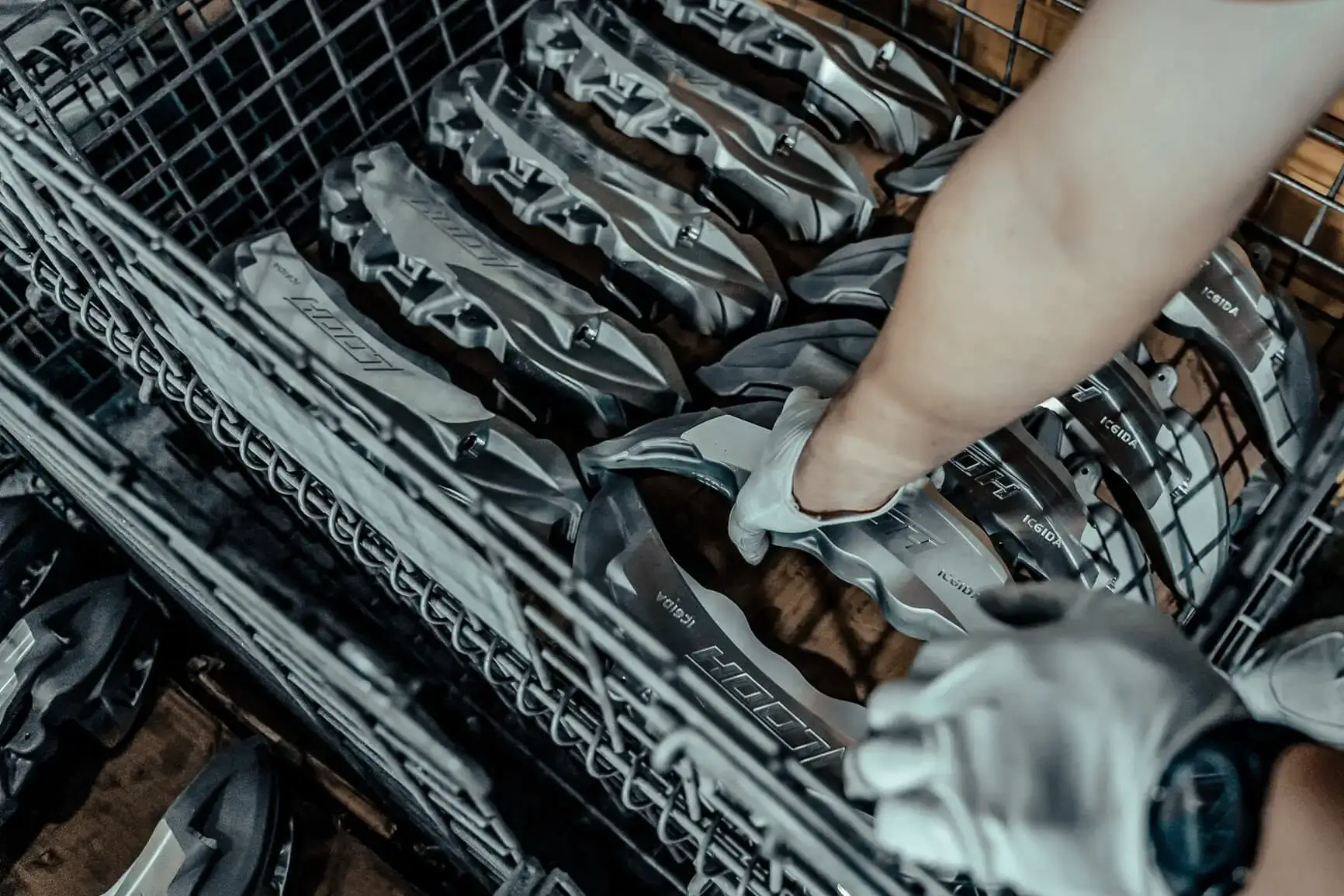
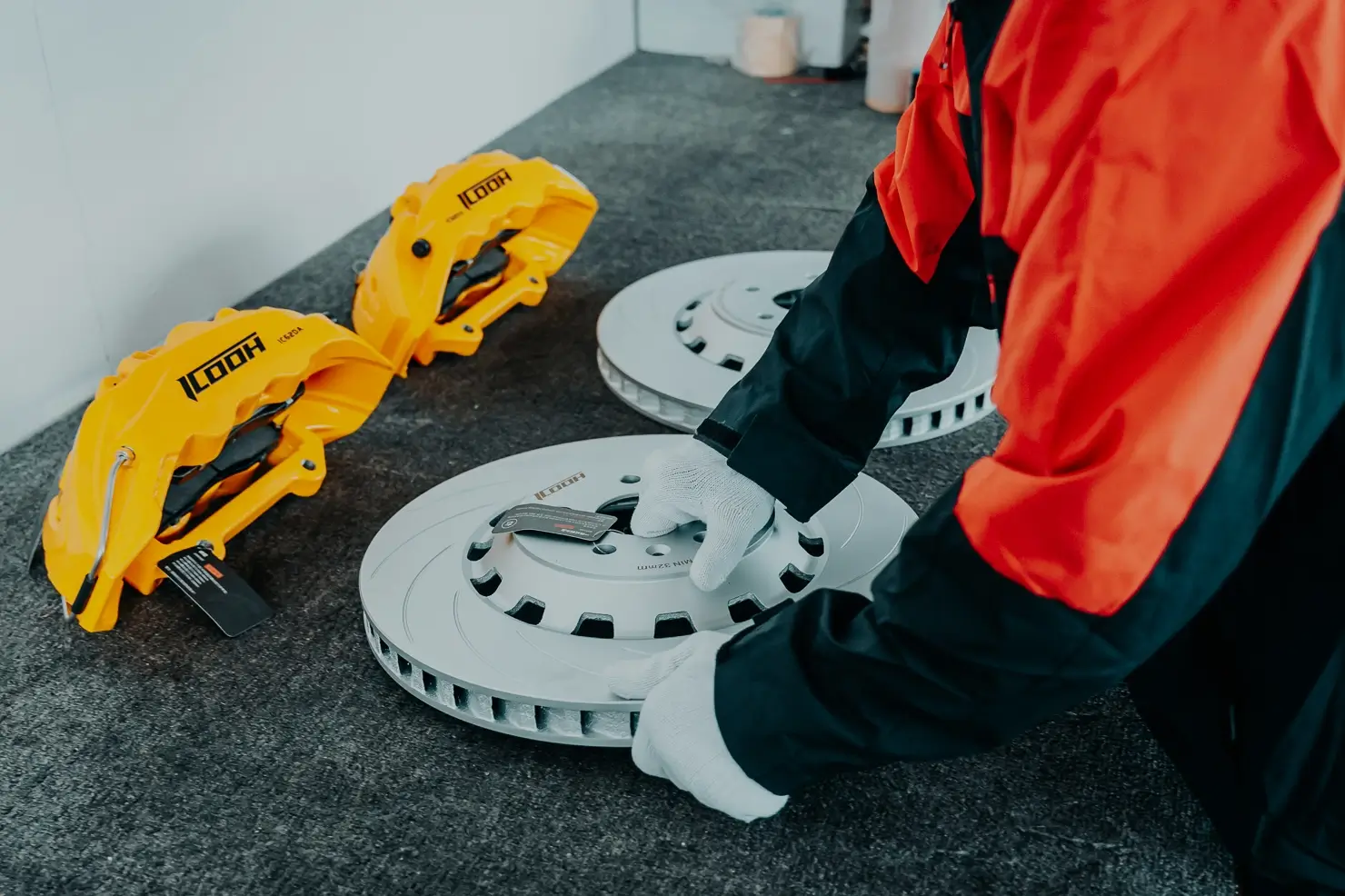
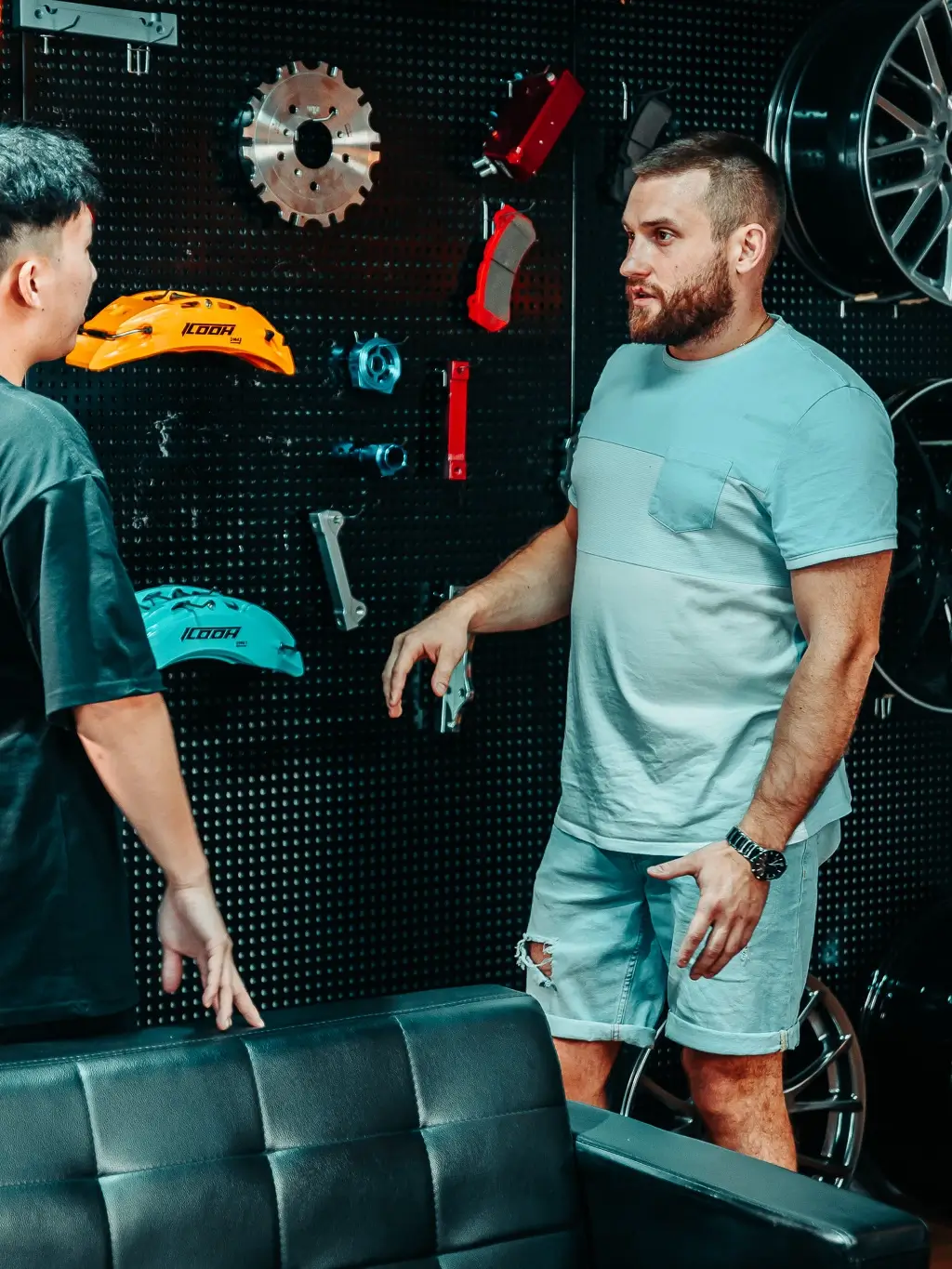
Real Performance & Market Feedback
True performance speaks for itself. At ICOOH, every automotive modification part that we produce, from big brake kits to carbon fiber body kits, is tried and tested and has been praised by customers across global markets. We use real feedback to drive our innovation and strengthen our commitment to excellence.
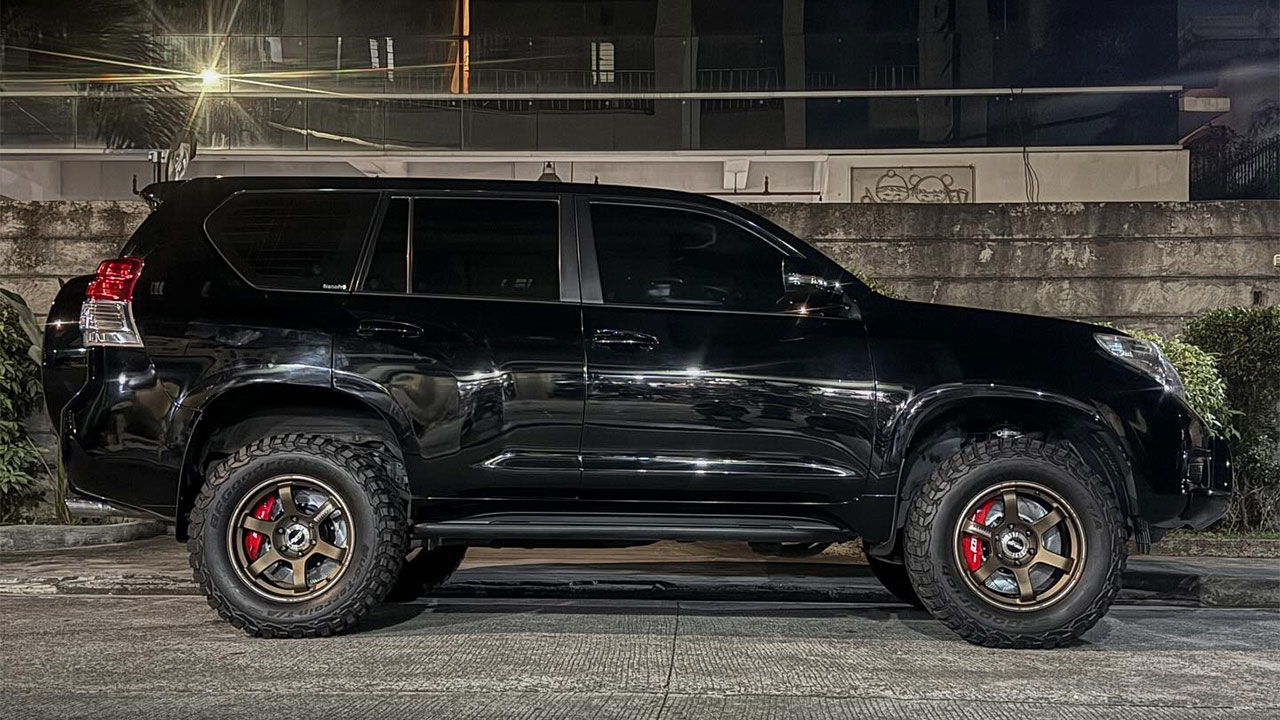
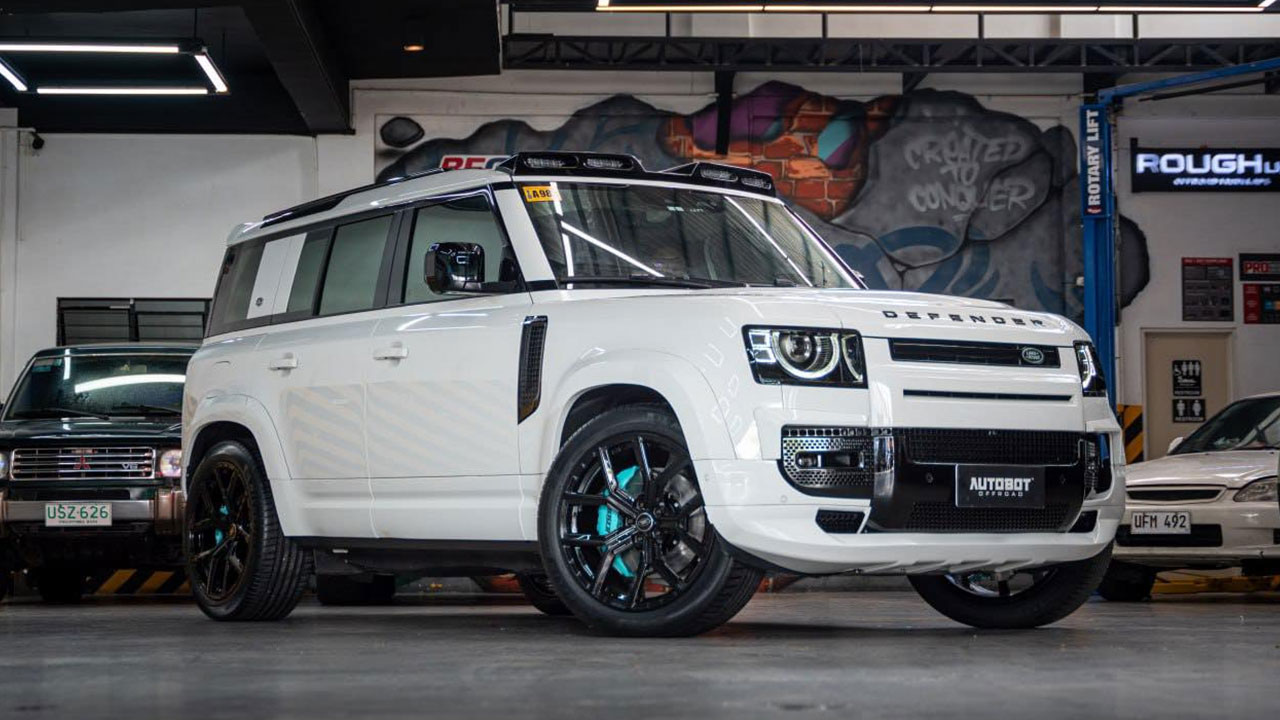
Chosen by Leading Automotive Dealers Worldwide
ICOOH is the preferred choice of top distributors and tuning brands across the globe for premium automotive modification parts. Our commitment to performance, quality and aesthetics ensures lasting partnerships and consistent customer satisfaction.
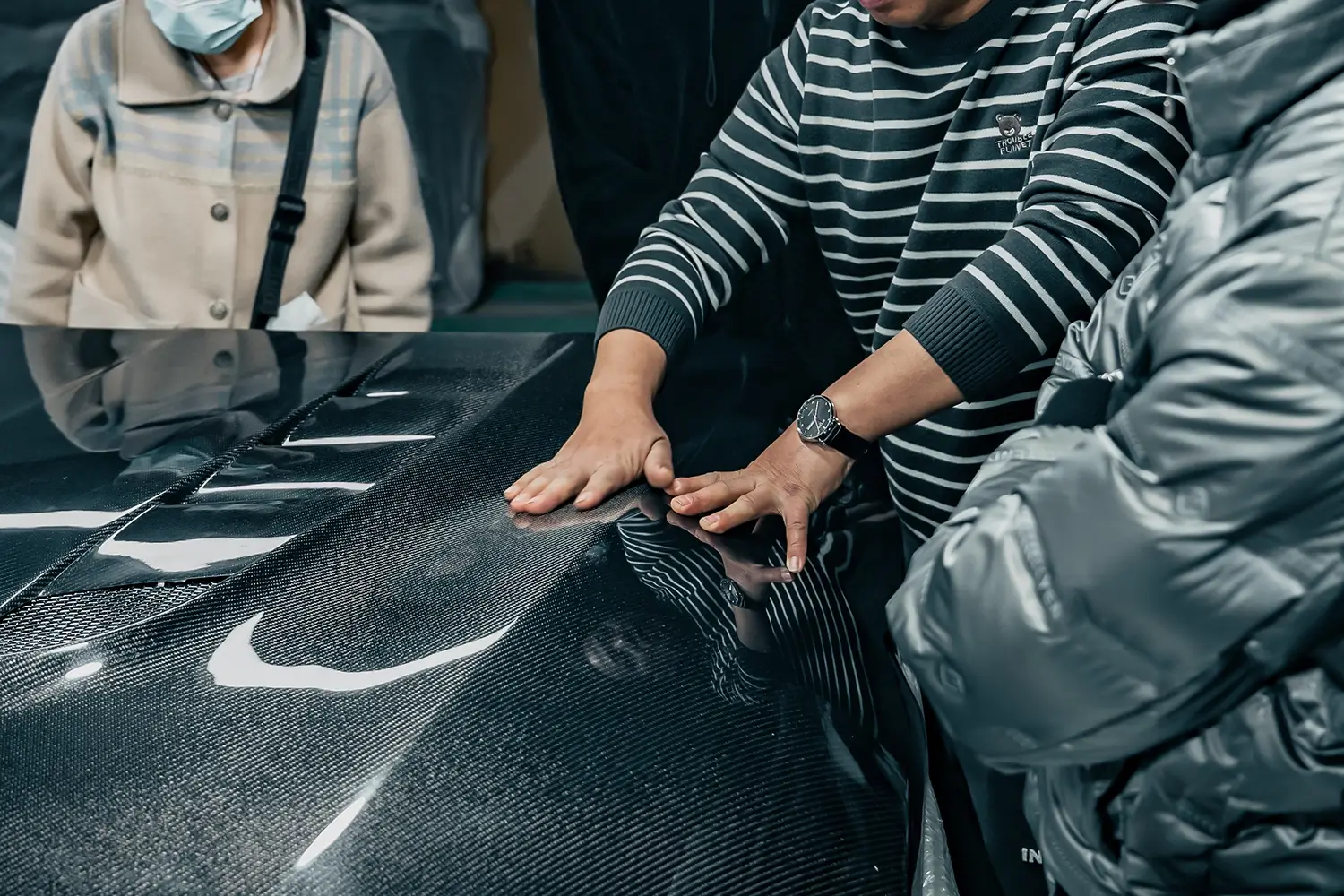

We've been working with ICOOH for over three years. Their carbon fiber kits not only attract luxury car owners but also give us strong margins. The brand has definitely elevated our business.

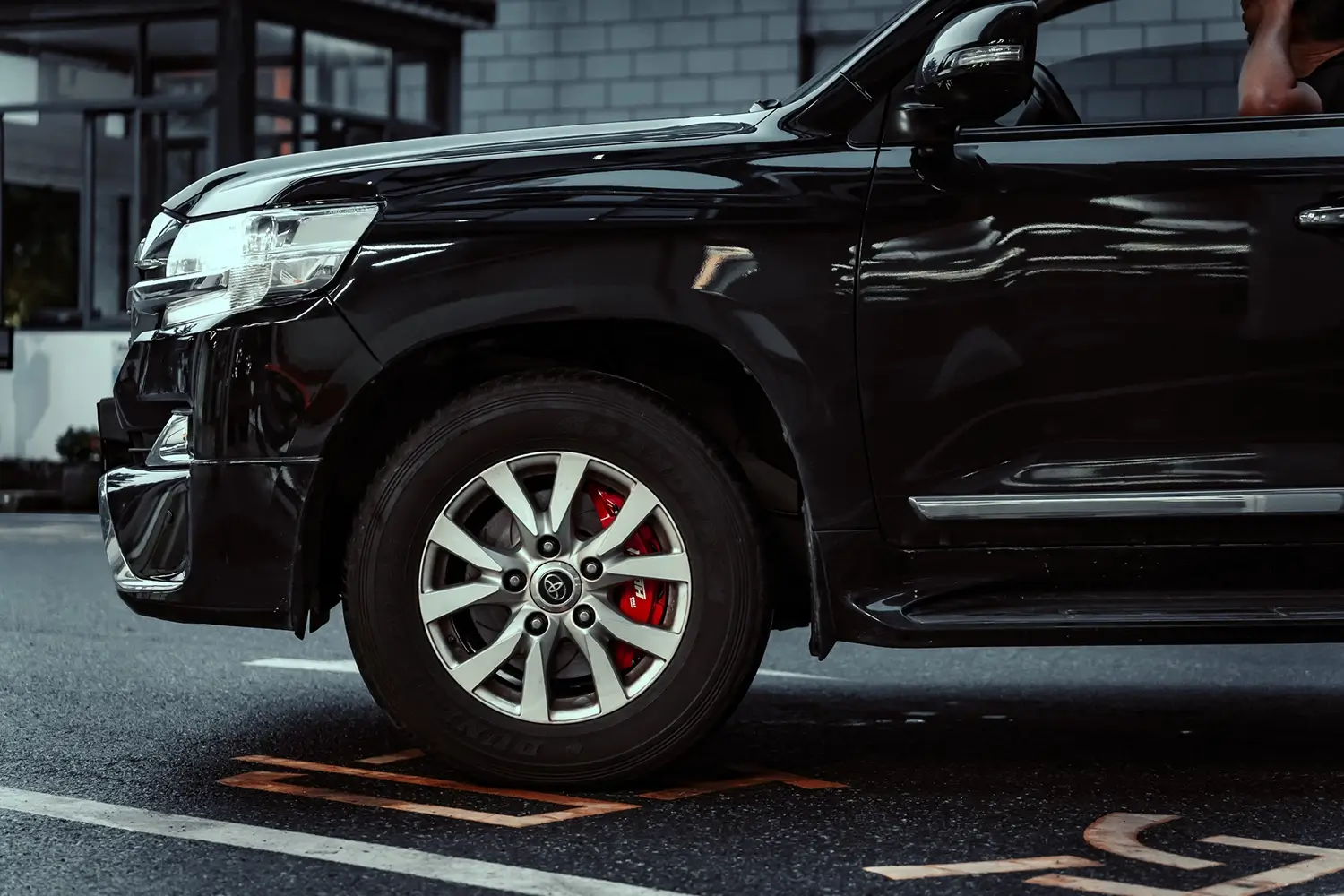
Our clients expect the highest standards, and ICOOH always delivers. The finish, the fitment, the lightweight quality—everything meets premium expectations.
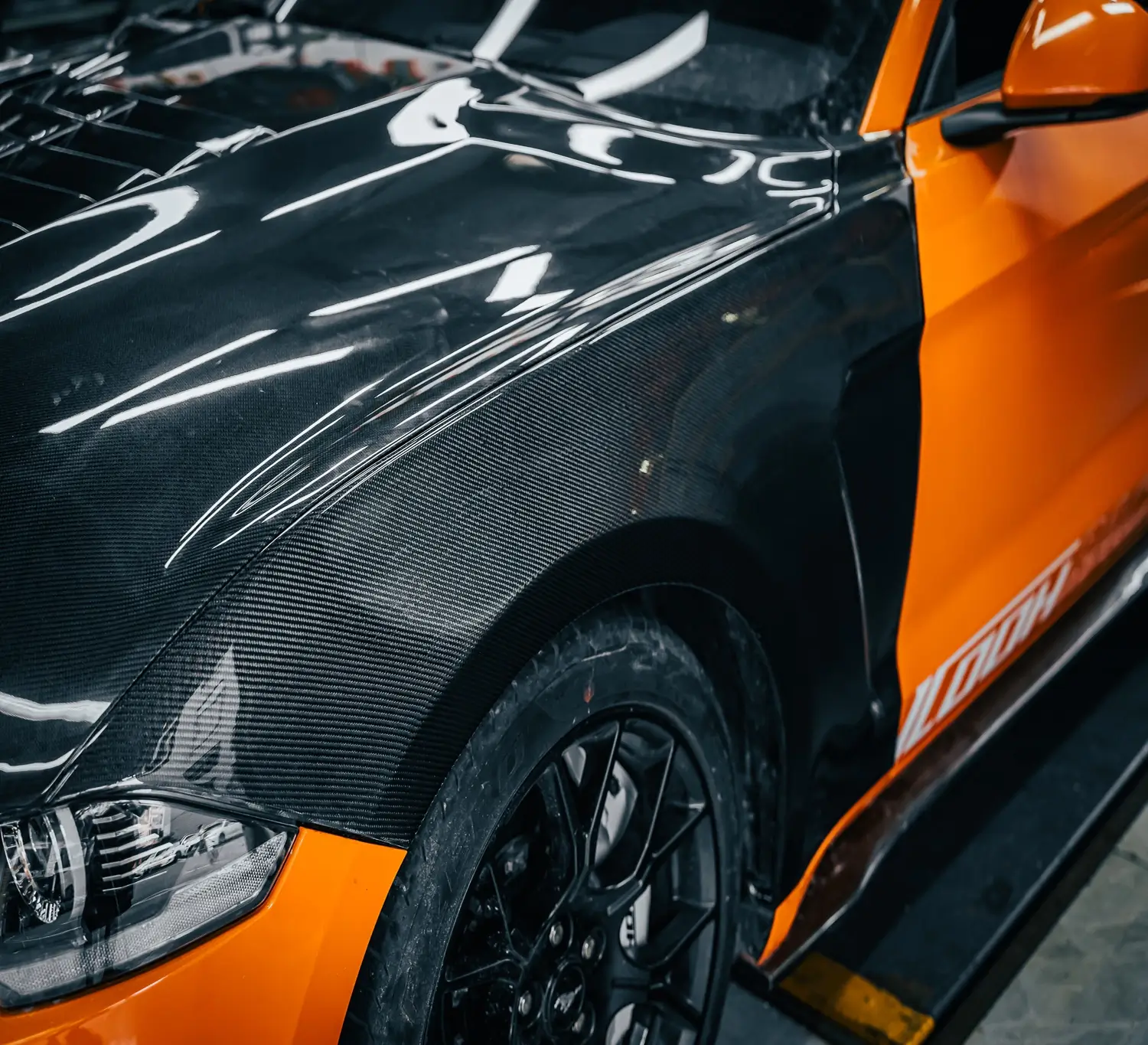
I installed a ICOOH carbon fiber body kit on my sports car, and the result is stunning. It feels lighter and more aggressive, and the craftsmanship is flawless.


Customize Your Performance Car Parts
We work with clients worldwide to deliver high-quality performance car parts.
Get in touch with us for inquiries, OEM/ODM cooperation, or bulk orders. Our experts are ready to provide a free consultation and competitive quote.