Ultimate Guide to the Brake System in Vehicle: 2026 Technology and Safety Trends

Tuesday, January 13, 2026
by 
Want to learn more?
Ultimate Guide to the Brake System in Vehicle - ICOOH

A comprehensive guide covering mechanical, hydraulic, and electronic braking systems, focusing on 2026 Brake-by-Wire trends, regenerative technology, and essential maintenance for safety.

Quick Summary: The Essentials of Modern Vehicle Braking

A vehicle brake system is a safety-critical mechanism that converts kinetic energy into thermal energy or electricity to decelerate a car. The modern landscape is shifting from purely mechanical setups to electronically controlled networks.

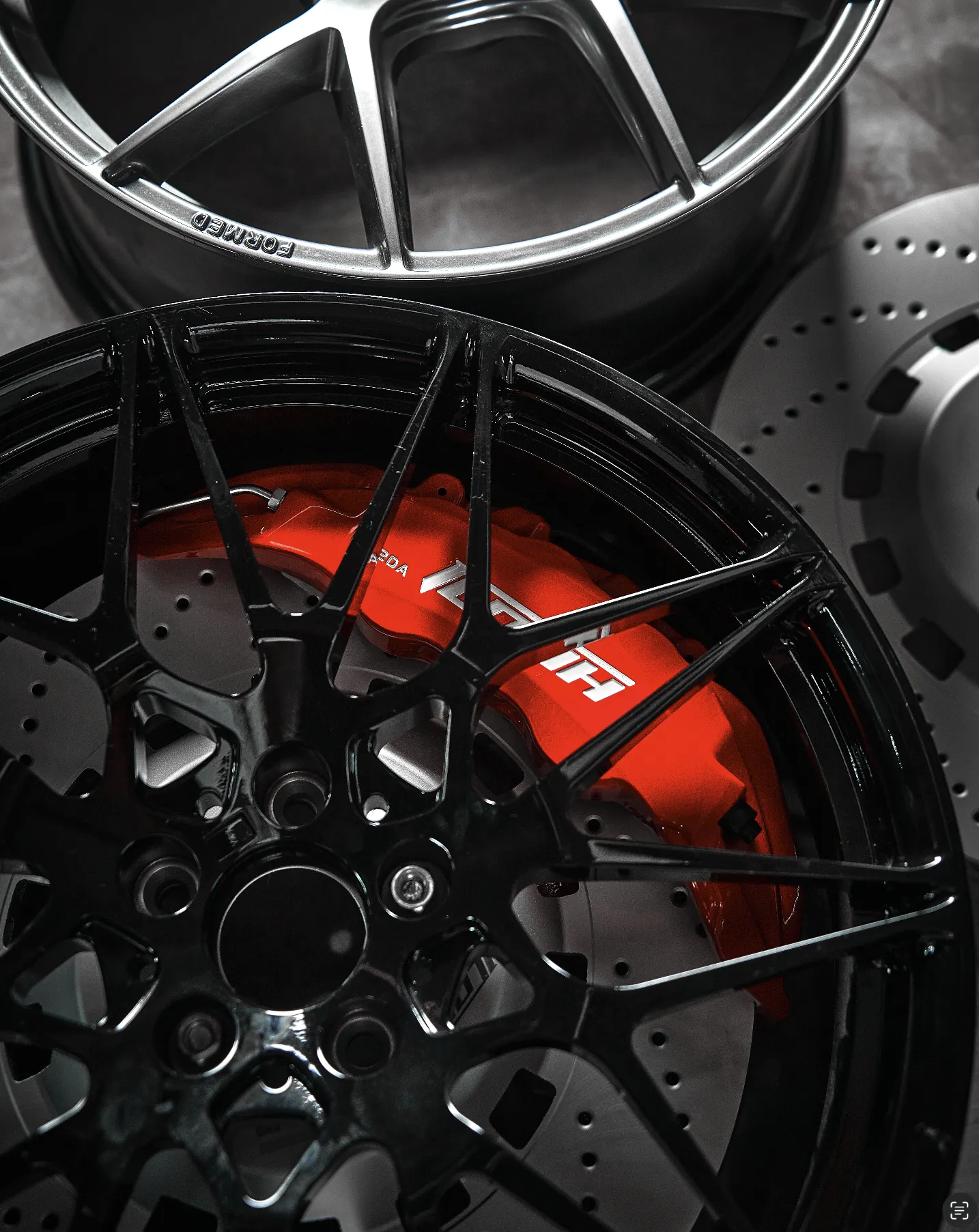
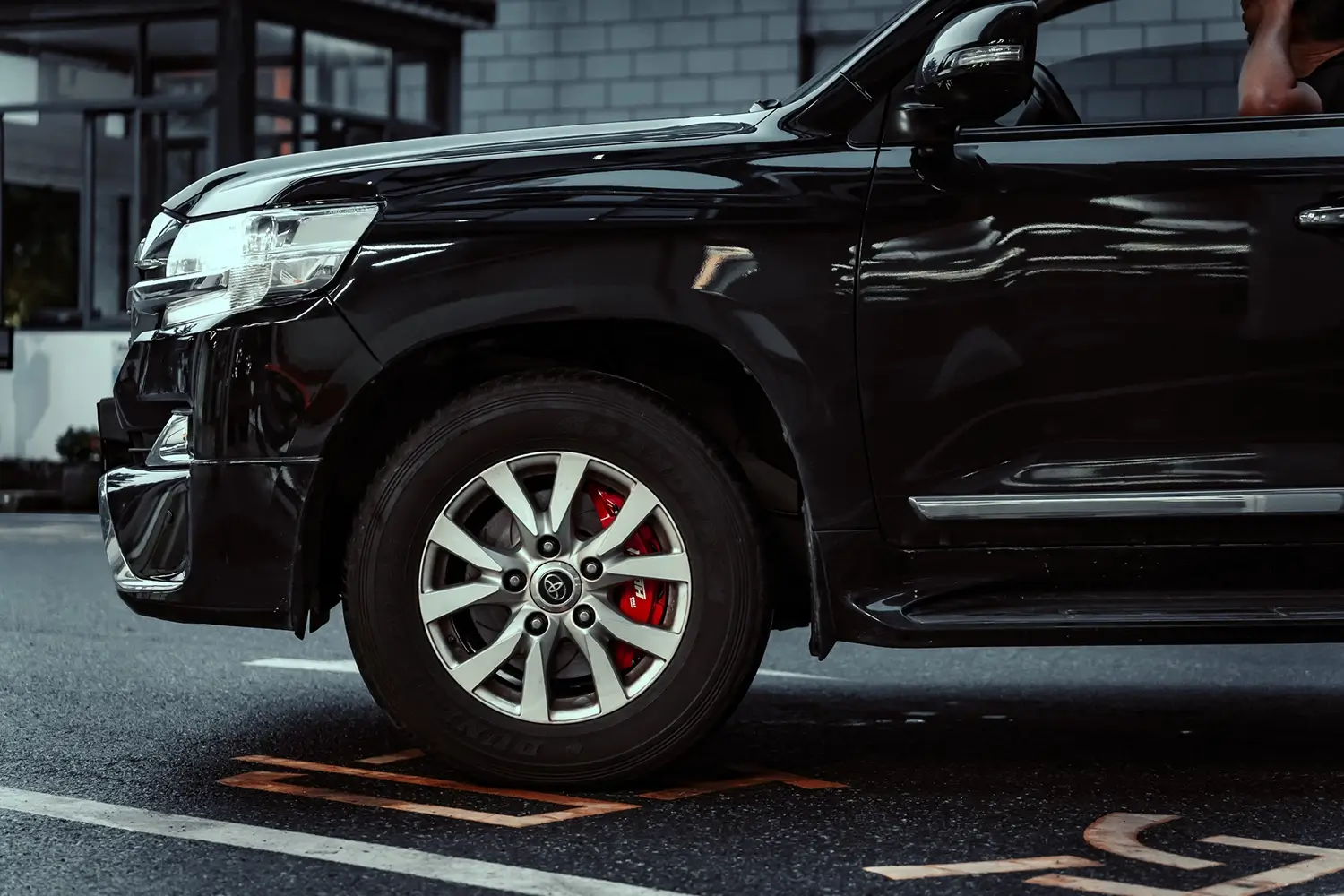
brake system parts

  • Core Purpose: Safe deceleration via friction (heat) or regeneration (electricity).
  • Primary Types: Traditional hydraulic friction brakes, regenerative braking technology, and emerging brake-by-wire systems.
  • Key Safety Components: Anti-lock Braking Systems (ABS), Electronic Brake-force Distribution (EBD), and Emergency Brake Assist (EBA).
  • Maintenance Priority: Regular checks of fluid levels, rotor thickness, and pad material are non-negotiable for maintaining optimal stopping distances.

What is a Brake System in a Vehicle and How Does it Work?

A vehicle brake system is an assembly of mechanical, hydraulic, and electronic components that work in unison to slow or stop a moving vehicle by creating resistance at the wheels. It fundamentally operates on the principle of energy conversion.

The Mechanics of Stopping

When a driver presses the brake pedal, the system initiates a chain reaction. In a standard setup, this force is amplified by a vacuum booster and transmitted through a hydraulic brake circuit. This pressurized fluid travels to the wheels, where it forces friction materials against rotating metal discs or drums.

According to Pascal's Principle, pressure applied to a confined fluid is transmitted undiminished in every direction. This allows a relatively small force from the driver's foot to generate the massive clamping force required to stop a 4,000-pound vehicle. In modern electric vehicles (EVs), this process is often assisted or replaced by electric motors that reverse their polarity to slow the car down.

Anatomy of a Modern Braking System: Core Components

Brake system parts function as a cohesive unit where failure in one component can compromise the entire safety network. Understanding these elements is critical for diagnostics and maintenance.

Critical Hardware Breakdown

  • Master Cylinder: The primary pump that pushes hydraulic fluid into the lines; the heart of the system.
  • Brake Booster: Uses engine vacuum or an electric pump to multiply the force applied to the pedal, reducing driver fatigue.
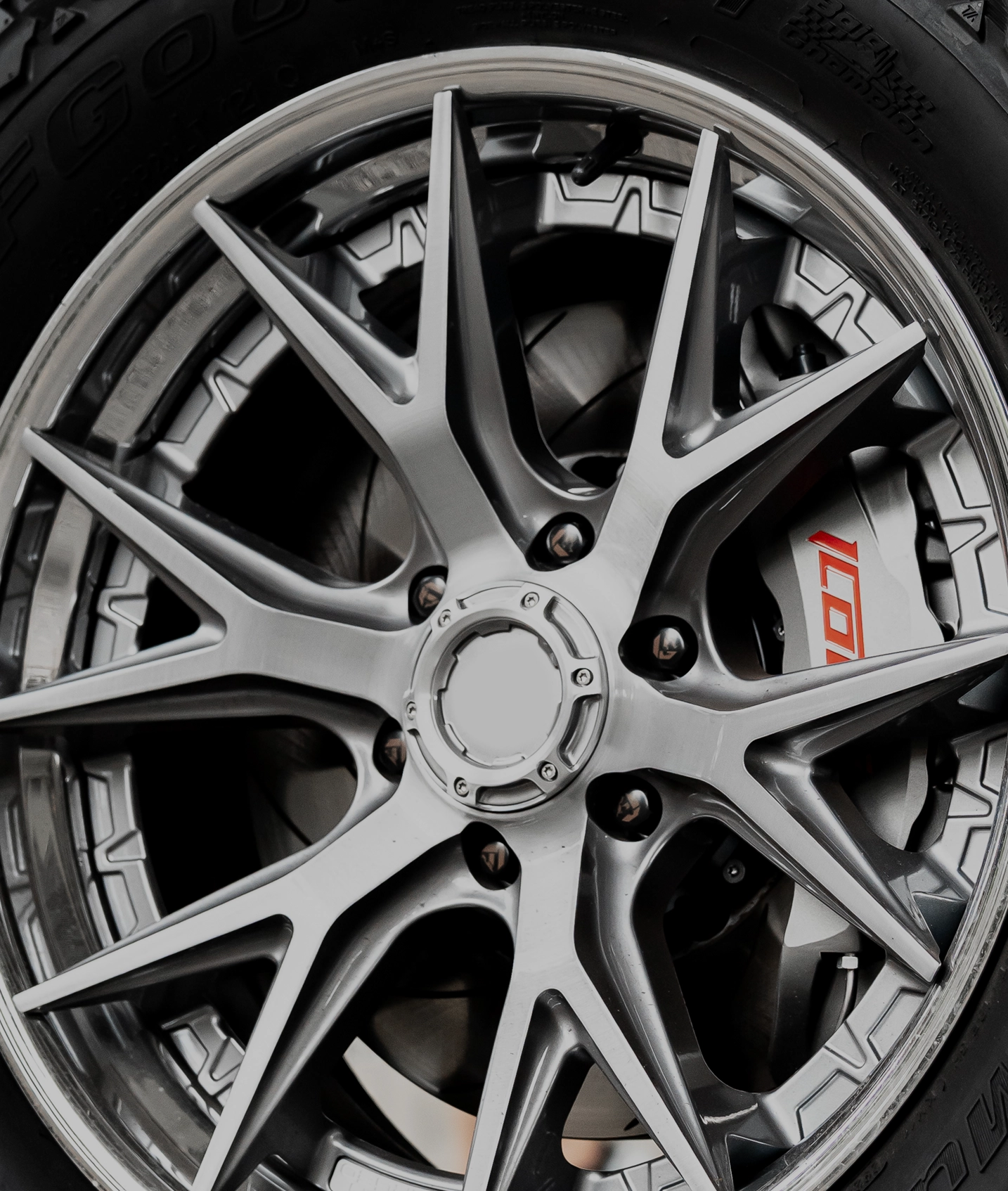
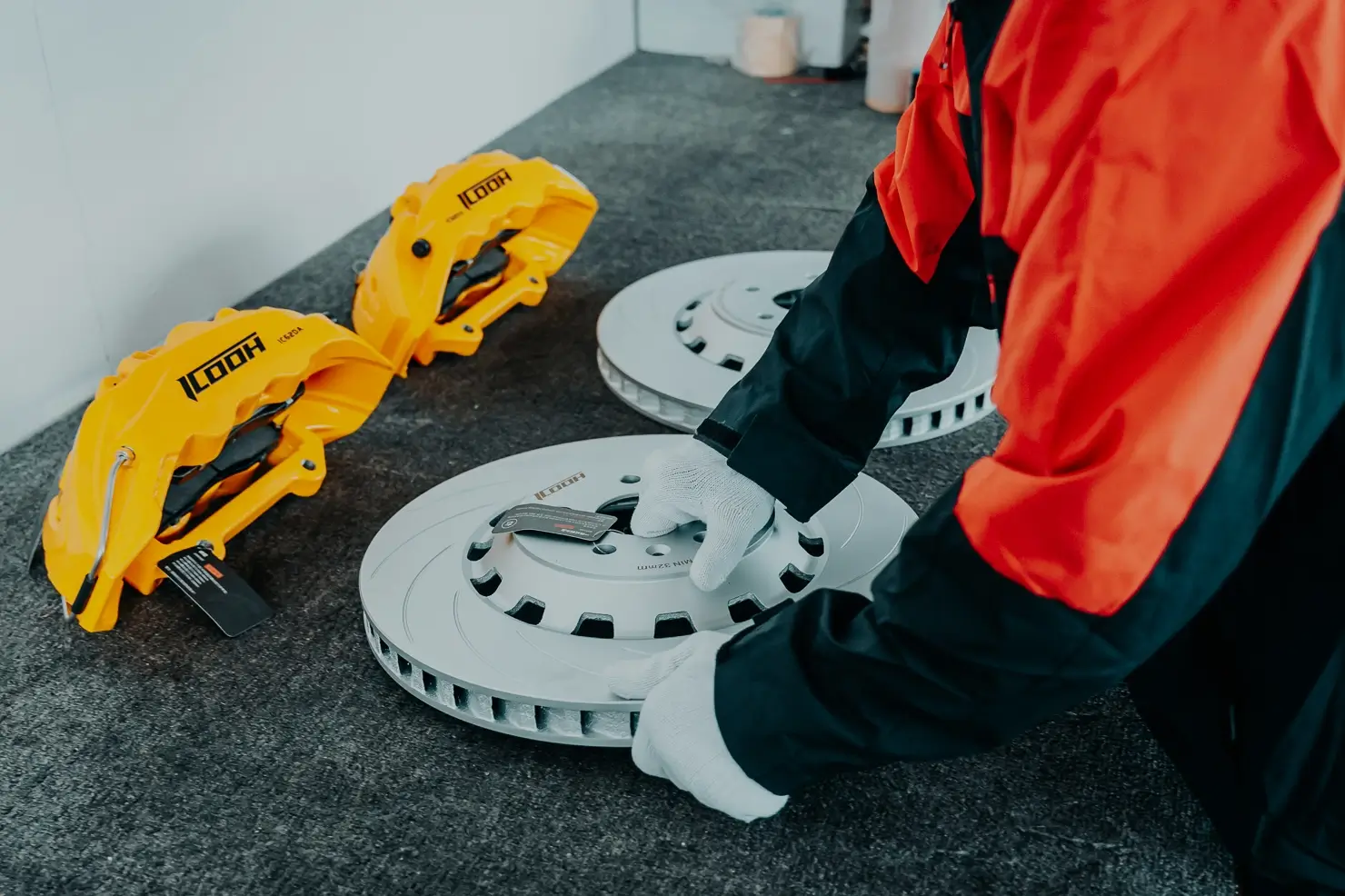
  • Calipers and Wheel Cylinders: Hydraulic actuators that squeeze the brake pads against the rotors.
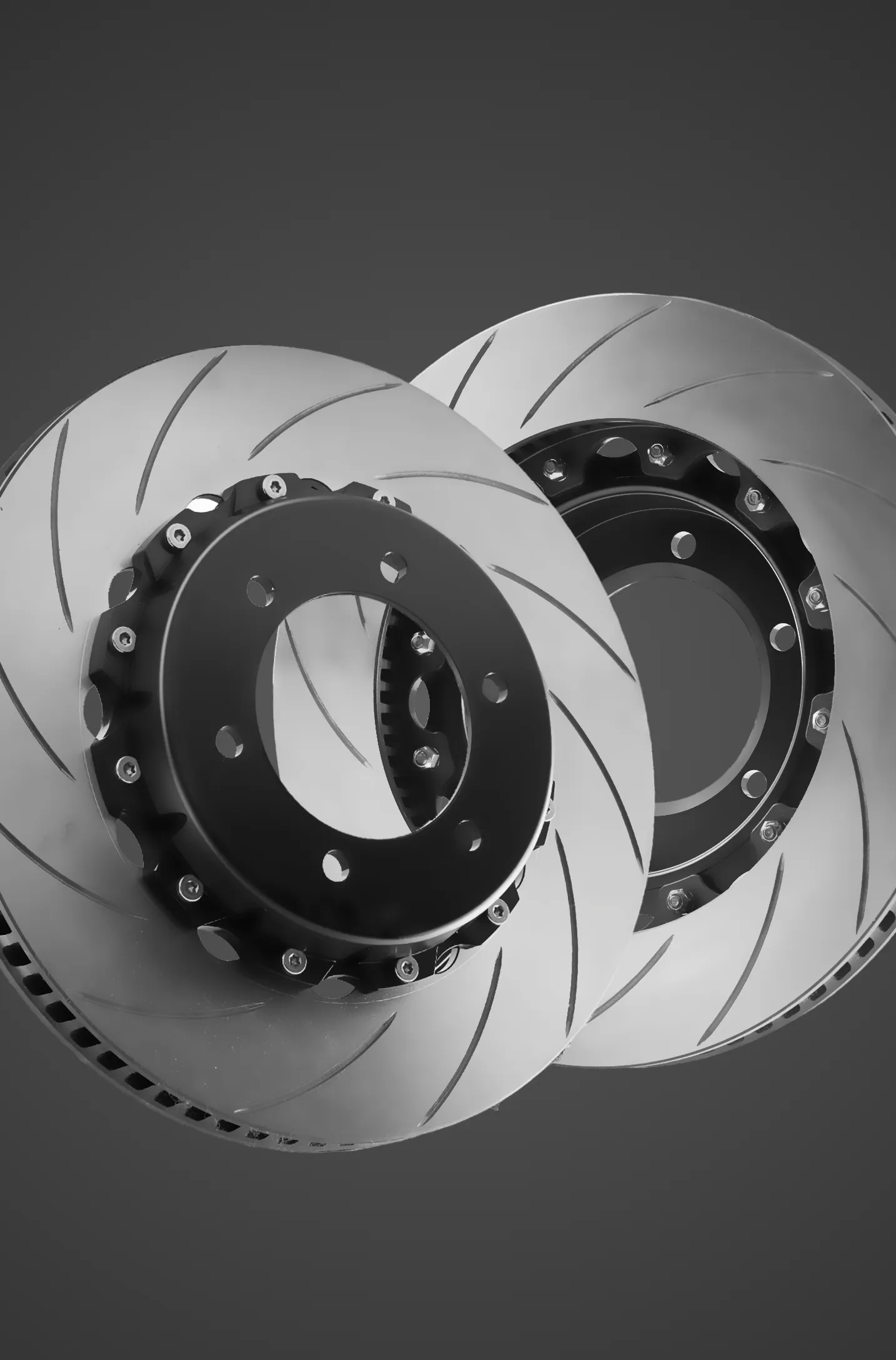
  • Rotors (Discs) and Drums: The rotating metal surfaces that absorb heat; warped rotors are a common cause of pedal vibration.
  • Anti-lock Braking System Components: Speed sensors and control modules that modulate pressure up to 15 times per second to prevent wheel lockup during panic stops.

Friction vs. Regenerative Braking: Understanding the Difference

Regenerative braking technology utilizes the vehicle's electric motor to recover kinetic energy during deceleration, turning the motor into a generator to recharge the battery. Unlike traditional friction braking, this method reduces wear on physical parts.

Efficiency and Performance Data

While friction brakes rely solely on wasting energy as heat, regenerative systems are efficiency powerhouses. Data from Navistrat Analytics (2025) indicates that modern regenerative systems can improve urban driving range by 12% to 25% by recovering energy otherwise lost. However, they cannot completely replace friction brakes, which are still required for emergency stops and holding the vehicle stationary.

  • Friction Braking: The default for high-intensity stopping power; uses pads and rotors.
  • Regenerative Braking: Ideal for "one-pedal driving" in EVs; reduces brake dust emissions.
  • Hybrid Integration: Electronic Control Units (ECUs) seamlessly blend both methods. As the driver presses the pedal, the system maximizes regeneration first before engaging the hydraulic calipers.
  • Sustainability: By using the motor to slow the car, regenerative tech significantly extends the lifespan of brake system parts.

2026 Evolution: Brake-by-Wire and AI Integration

Brake-by-wire systems decouple the physical connection between the brake pedal and the wheel brakes, relying instead on electronic signals to actuate stopping power. This technology is the cornerstone of autonomous driving and next-gen safety.

The Shift to Digital Braking

By 2026, the industry is seeing a massive pivot toward these "dry" electronic systems. A recent report by Technavio projects the brake-by-wire market to grow by over $24 billion between 2025 and 2029. This growth is driven by the need for faster response times in autonomous vehicles, where milliseconds count.

  • Faster Response: Electronic signals travel instantly, reducing stopping distances compared to hydraulic pressure build-up.
  • AI Predictive Braking: New 2026 models utilize sensors to detect hazards before the driver does, pre-charging the brakes for an immediate stop.
  • Weight Reduction: Eliminating heavy hydraulic lines and boosters improves fuel economy and EV range.
  • Redundancy: To satisfy safety standards, these systems employ dual-circuit electronics to ensure functionality even if one power source fails.

Expert Maintenance Tips: Maximizing Performance and Safety

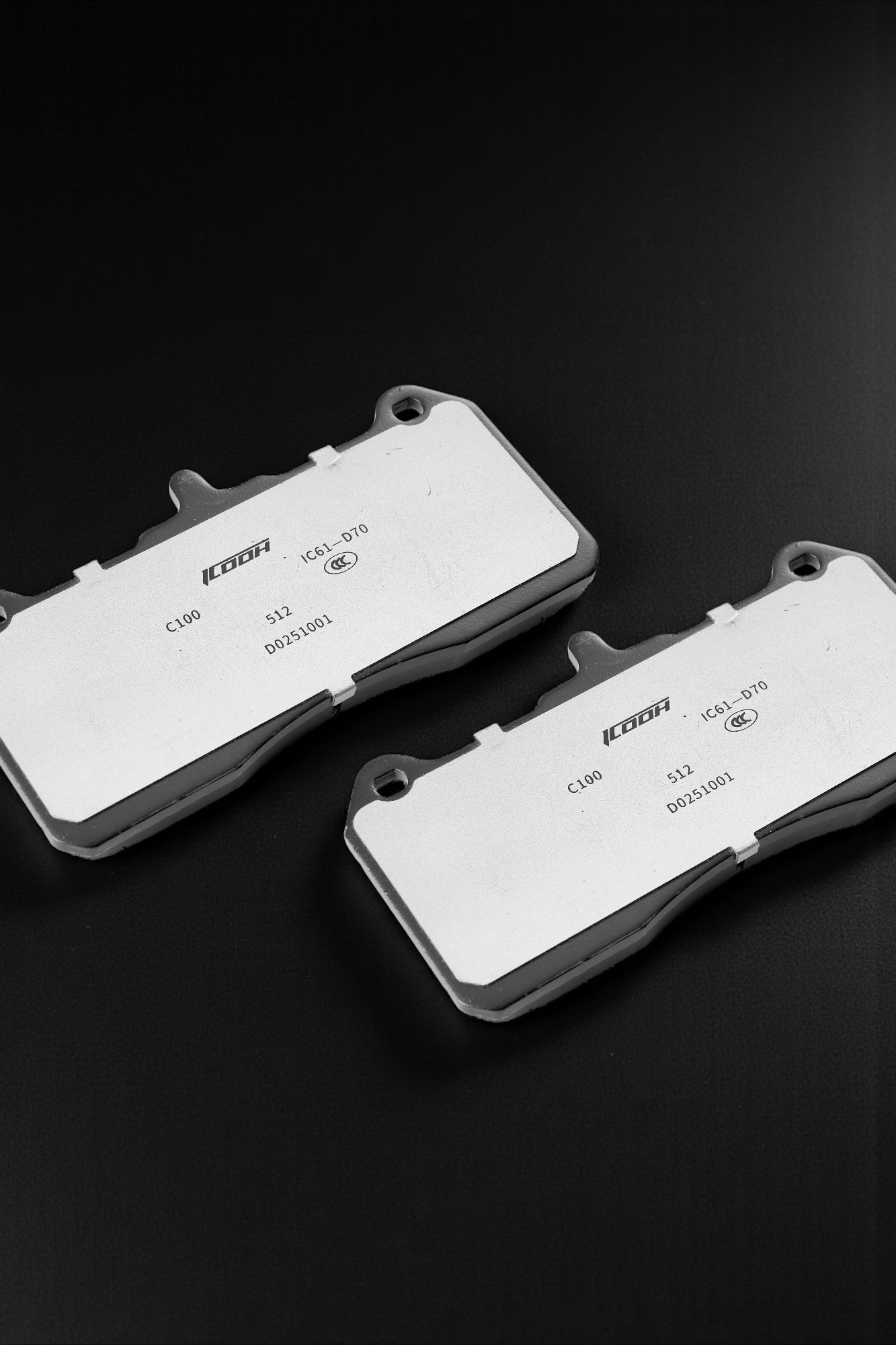
Brake pad material comparison is essential for vehicle owners, as choosing the right compound impacts noise, dust, and stopping power. Neglecting maintenance is the leading cause of brake failure.

Choosing the Right Friction Material

According to 2024 market data, semi-metallic pads still dominate with roughly 45% market share due to their cost-effectiveness and high thermal threshold. However, ceramic pads are gaining popularity (peaking in search trends in late 2025) for their low-dust and quiet operation, making them ideal for luxury vehicles and EVs.

  • The Penny Test: Insert a penny into the pad groove; if you can see Lincoln's head, the pads are too thin (under 3mm).
  • Fluid Flushing: Brake fluid is hygroscopic (absorbs water). Flush it every 2 years to prevent internal corrosion and boiling.
  • Vibration Diagnosis: If the pedal pulses, it is likely a warped rotor. If it vibrates only during a panic stop, that is the ABS working correctly.
  • Spongey Pedal: A soft pedal usually indicates air trapped in the hydraulic brake circuit, requiring a "bleed" service immediately.

Frequently Asked Questions (FAQ)

How does a hydraulic brake system work?

It utilizes Pascal’s Law to transmit pressure through an incompressible fluid from the master cylinder to the wheel brakes, multiplying the driver's foot force to stop the vehicle.

What are the first signs of brake system failure?

Common indicators include squealing or grinding noises, a soft or "spongy" brake pedal, the vehicle pulling to one side, or dashboard warning lights (ABS/Brake).

What is the difference between disc and drum brakes?

Disc brakes use calipers to squeeze pads against a rotating rotor (better cooling), while drum brakes use wheel cylinders to push shoes outward against a spinning drum (lower cost).

How long do brake pads typically last?

On average, brake pads last between 30,000 and 70,000 miles. This varies heavily based on driving habits (highway vs. city) and brake pad material comparison (ceramic vs. semi-metallic).

What is Brake-by-Wire technology?

A system where the connection between the pedal and the brakes is purely electronic. It replaces physical hydraulic links with sensors and actuators for faster, lighter braking.

Why is my brake pedal vibrating when I stop?

This is often caused by warped brake rotors or an uneven build-up of friction material on the rotor surface, creating a pulsating sensation.

Does regenerative braking replace traditional brakes?

No, it works alongside friction brakes. Regenerative braking technology handles most deceleration to save energy, but traditional friction brakes are required for hard stops.

What are the benefits of ceramic brake pads?

They offer quieter operation, produce significantly less brake dust, and provide stable performance across a wide range of temperatures, though they are often more expensive.

References

Recommended for you
BMW X5 Big Brake Kit - ICOOH

BMW X5 Big Brake Kit: Benefits, Cost & Performance Guide

BMW X5 Big Brake Kit: Benefits, Cost & Performance Guide
Custom Brake Caliper Manufacturer - ICOOH

How to Choose a Reliable Custom Brake Caliper Manufacturer

How to Choose a Reliable Custom Brake Caliper Manufacturer
Mercedes GLC63 Brake Kit - ICOOH

Mercedes GLC63 Brake Kit: Smart Upgrade Guide

Mercedes GLC63 Brake Kit: Smart Upgrade Guide
bmw m4 carbon ceramic brake cost - ICOOH

BMW M4 Carbon Ceramic Brake Cost: Why Are They So Expensive?

BMW M4 Carbon Ceramic Brake Cost: Why Are They So Expensive?
You may also like
ic6 carbon ceramic brakes - ICOOH
ICOOH IC6 Carbon Ceramic Brake Kits | High Performance Braking System
SH-1 style  carbon fiber hood - ICOOH
Chevrolet Corvette C8 2020-2025 SH-1 style new carbon fiber front hood
IC4 gray brake kits - ICOOH
IC4 Four-piston brake caliper kit for 18 inches and above
Mustang hood main picture display - ICOOH
004 Style Carbon Fiber Fibre Front Bonnet Engine Hood for Ford Mustang 2018-2023

Explore More Automotive News

Subscribe to our newsletter for the latest tuning cases, technology trends, and industry analysis.

Name must not exceed 100 characters.
Invalid email format or length exceeds 100 characters. Please re-enter.
WhatsApp/Phone must not exceed 100 characters.
WhatsApp preferred for faster response.
Company Name must not exceed 100 characters.
Referral Code must not exceed 100 characters.
Blogger referral code (optional)
Please select How to use for
Content must not exceed 3000 characters.
Please enter your vehicle model, year, and tire size for product recommendations.
Contact customer service

Contact ICOOH

Have questions about our products or brand? Start a conversation with our team today.

×
Name must not exceed 100 characters.
Invalid email format or length exceeds 100 characters. Please re-enter.
WhatsApp/Phone must not exceed 100 characters.
WhatsApp preferred for faster response.
Company Name must not exceed 100 characters.
Referral Code must not exceed 100 characters.
Blogger referral code (optional)
Please select How to use for
Content must not exceed 3000 characters.
Please enter your vehicle model, year, and tire size for product recommendations.

Customize My Style

From colors to logo applications, explore options that make ICOOH products uniquely yours.

×
Name must not exceed 100 characters.
Invalid email format or length exceeds 100 characters. Please re-enter.
WhatsApp/Phone must not exceed 100 characters.
WhatsApp preferred for faster response.
Company Name must not exceed 100 characters.
Referral Code must not exceed 100 characters.
Blogger referral code (optional)
Please select How to use for
Content must not exceed 3000 characters.
Please enter your vehicle model, year, and tire size for product recommendations.

Request a Free Quote

Don’t miss out on competitive wholesale prices and OEM/ODM customization. Fill in your details now and receive a free quote within 24 hours—fast, accurate, and hassle-free.

×
Name must not exceed 100 characters.
Invalid email format or length exceeds 100 characters. Please re-enter.
WhatsApp/Phone must not exceed 100 characters.
WhatsApp preferred for faster response.
Company Name must not exceed 100 characters.
Referral Code must not exceed 100 characters.
Blogger referral code (optional)
Please select How to use for
Content must not exceed 3000 characters.
Please enter your vehicle model, year, and tire size for product recommendations.

Send My Request

Submit your details and vehicle information, and we'll provide you with a custom-tailored upgrade solution.

×
Name must not exceed 100 characters.
Invalid email format or length exceeds 100 characters. Please re-enter.
WhatsApp/Phone must not exceed 100 characters.
WhatsApp preferred for faster response.
Company Name must not exceed 100 characters.
Referral Code must not exceed 100 characters.
Blogger referral code (optional)
Please select How to use for
Content must not exceed 3000 characters.
Please enter your vehicle model, year, and tire size for product recommendations.