Disc Brake Caliper Upgrades: When to Repair, Rebuild, or Replace for Maximum Safety
- Quick Summary: The Caliper Decision Cheat Sheet
- What is a disc brake caliper, and why is it critical for safety?
- Types of Calipers
- 5 Critical Signs Your Brake Calipers Are Failing
- The Core Decision Matrix: Repair, Rebuild, or Replace?
- Option 1: Repair (Maintenance)
- Option 2: Rebuild (DIY)
- Option 3: Replace (Remanufactured/New)
- Fixed vs. Floating Calipers: Choosing the Right Upgrade
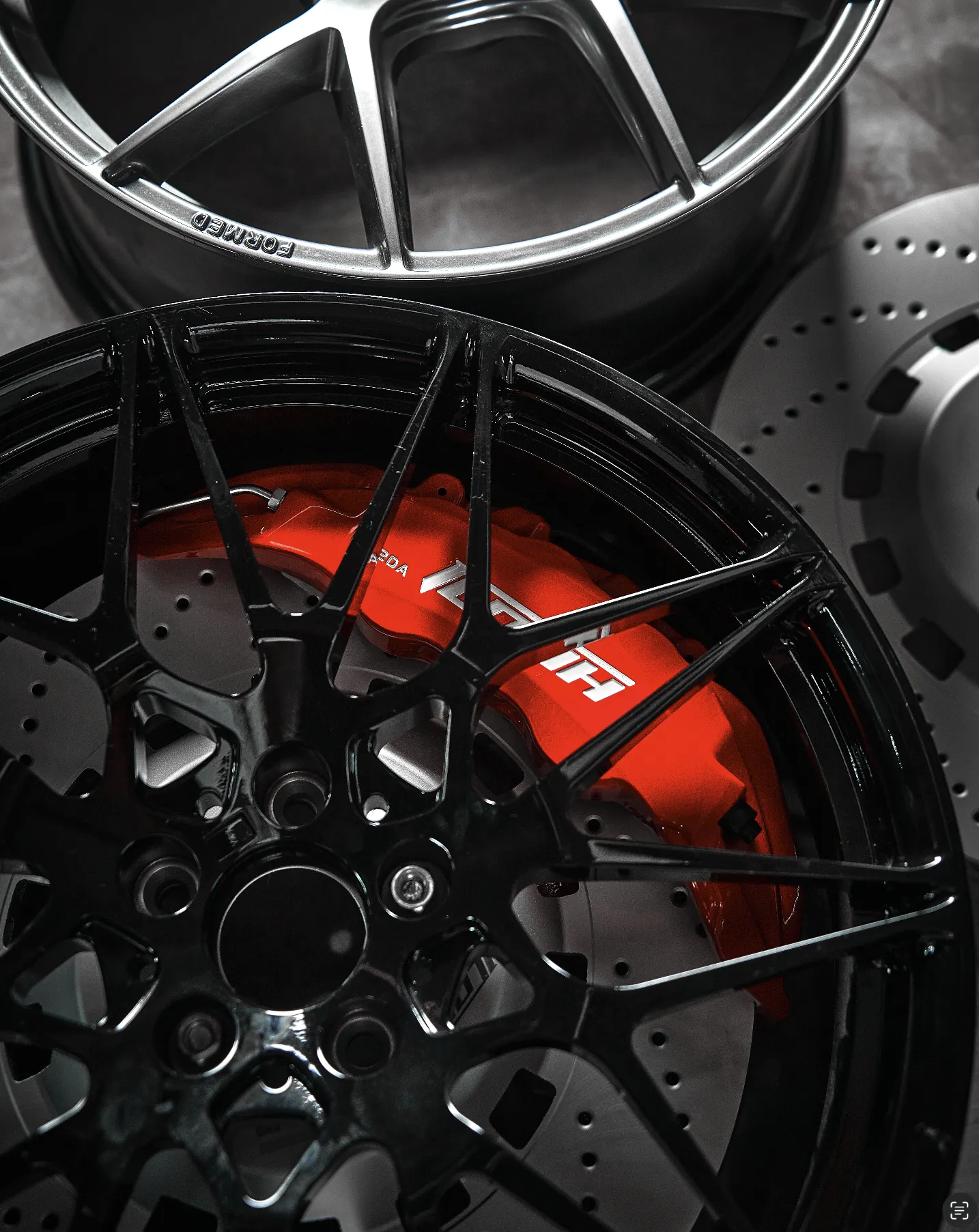
- High-Performance Fixed Caliper Upgrades
- Electronic Parking Brake (EPB) and Future Trends
- Expert Tips: Common Mistakes to Avoid
- Industry-Leading Solutions: ICOOH Performance
- Conclusion: Prioritizing Safety in Your Brake System
Quick Summary: The Caliper Decision Cheat Sheet
A brake caliper should be replaced rather than rebuilt if there is significant corrosion on the piston bore or if it is an electronic parking brake (EPB) unit without serviceable internals. For minor sticking issues on slide pins, a simple repair kit is sufficient, while performance upgrades are best for tracking or towing.
- Safety First: Never compromise on braking components for minor cost savings; a failing caliper increases stopping distance significantly.
- Decision Snapshot:
- Repair: Sticky slide pins, torn dust boots.
- Rebuild: Classic/rare cars with no available replacements.
- Replace: seized pistons, severe rust, or cracked housing.
- Upgrade Potential: Moving to fixed calipers improves pedal feel and heat dissipation.
- Time vs. Money: Remanufactured calipers often offer the best warranty-to-price ratio for daily drivers.
What is a disc brake caliper, and why is it critical for safety?
A disc brake caliper is the hydraulic assembly that houses brake pads and pistons, converting hydraulic pressure into the mechanical clamping force required to stop a vehicle. It is arguably the most critical component in the braking system, acting as the muscles that squeeze the rotor.
Functioning calipers are essential for balanced braking. According to SAE International, the standards for hydraulic brake seals and fluids are rigorous because even a small failure can lead to catastrophic loss of pressure. When a driver presses the pedal, the master cylinder pushes fluid to the caliper. The caliper piston extends, forcing the pads against the spinning rotor to create friction.
Types of Calipers
- Floating (Sliding) Calipers: Common on 90% of daily drivers. They have pistons on one side and slide on pins to clamp the rotor.
- Fixed Calipers: Found on performance vehicles. Pistons are arranged on both sides of the rotor for immediate, stiff clamping force.
5 Critical Signs Your Brake Calipers Are Failing
The most common indicators of caliper failure include the vehicle pulling to one side, a soft brake pedal, or a distinct burning smell coming from the wheel well. Early detection of these symptoms is vital to prevent rotor warping and complete brake failure.
If you notice any of the following symptoms of seized brake caliper piston issues, immediate inspection is required:
- Vehicle Pulling: The car veers to the left or right when braking because one caliper is gripping while the other is sliding effectively.
- Uneven Pad Wear: If the inboard pad is worn down to the metal while the outboard pad looks new, the slide pins are likely seized.
- Fluid Leaks: Brake fluid visible inside the wheel rim or on the ground indicates compromised piston seals.
- Overheating & Smell: A sharp chemical odor or smoke indicates a "dragging" caliper that isn't releasing the rotor after the pedal is released.
- Abnormal Noises: Continuous squealing or grinding, even when the brakes are not applied, suggests the pads are stuck against the rotor.
The Core Decision Matrix: Repair, Rebuild, or Replace?
Choosing between rebuilding and replacing depends heavily on the condition of the internal piston bore and the availability of parts for your specific vehicle model. While rebuilding saves money on raw materials, it requires precision labor that often outweighs the cost of a mass-produced replacement.
Here is the breakdown of the brake caliper rebuild vs. replace cost and effort:
Option 1: Repair (Maintenance)
- Best For: Sticking slide pins or torn dust boots where the piston itself is healthy.
- Process: Remove pins, clean with a wire brush, and lubricate with high-temp silicone.
- Cost: Low ($10–$20 for grease and boots).
Option 2: Rebuild (DIY)
- Best For: Classic cars, rare vehicles, or enthusiasts with specialized tools.
- Risk: Requires honing the cylinder bore. If pitting remains, the new seals will leak.
- Cost: Moderate ($30–$60 for a seal and piston kit).
Option 3: Replace (Remanufactured/New)
- Best For: Daily drivers, severe corrosion, or EPB failures.
- Benefit: Comes with a warranty and requires no internal assembly.
- Cost: Higher ($80–$200+ per unit), but saves hours of labor.
Fixed vs. Floating Calipers: Choosing the Right Upgrade
Fixed calipers provide superior rigidity and pedal feel compared to floating calipers because they eliminate the flex inherent in the sliding mechanism. This results in a more immediate braking response, making them the preferred choice for performance driving and heavy towing.
Understanding the floating vs. fixed caliper performance benefits helps in selecting upgrades:
- Floating Calipers (1 or 2 Pistons):
- Pros: Lightweight, cost-effective, sufficient for street use.
- Cons: Prone to "caliper flex" under hard braking, leading to uneven pad wear.
- Fixed Calipers (4, 6, or 8 Pistons):
- Pros: Pistons on both sides clamp instantly; larger surface area for heat dissipation.
- Cons: Heavier, require more wheel clearance, more expensive.
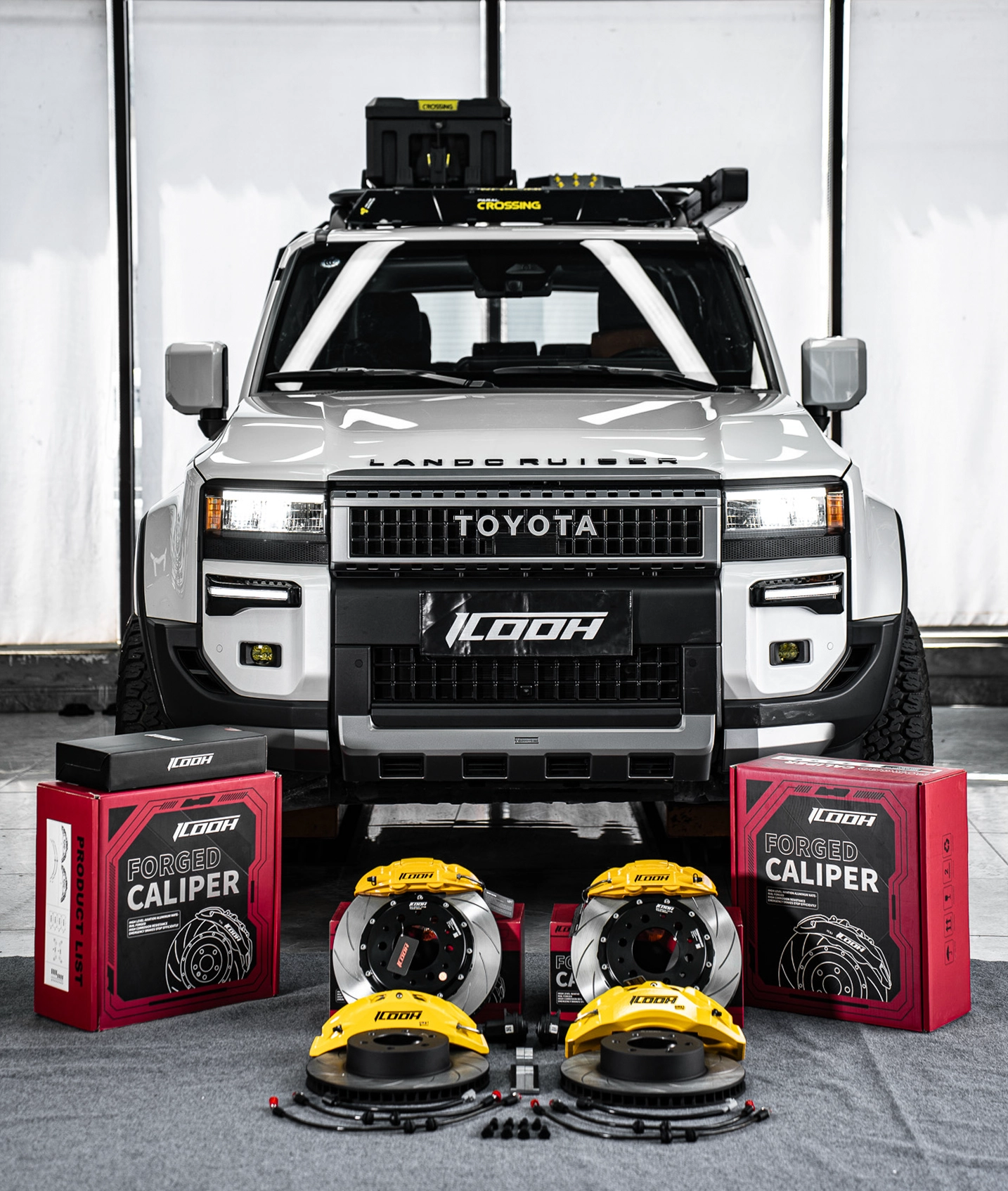
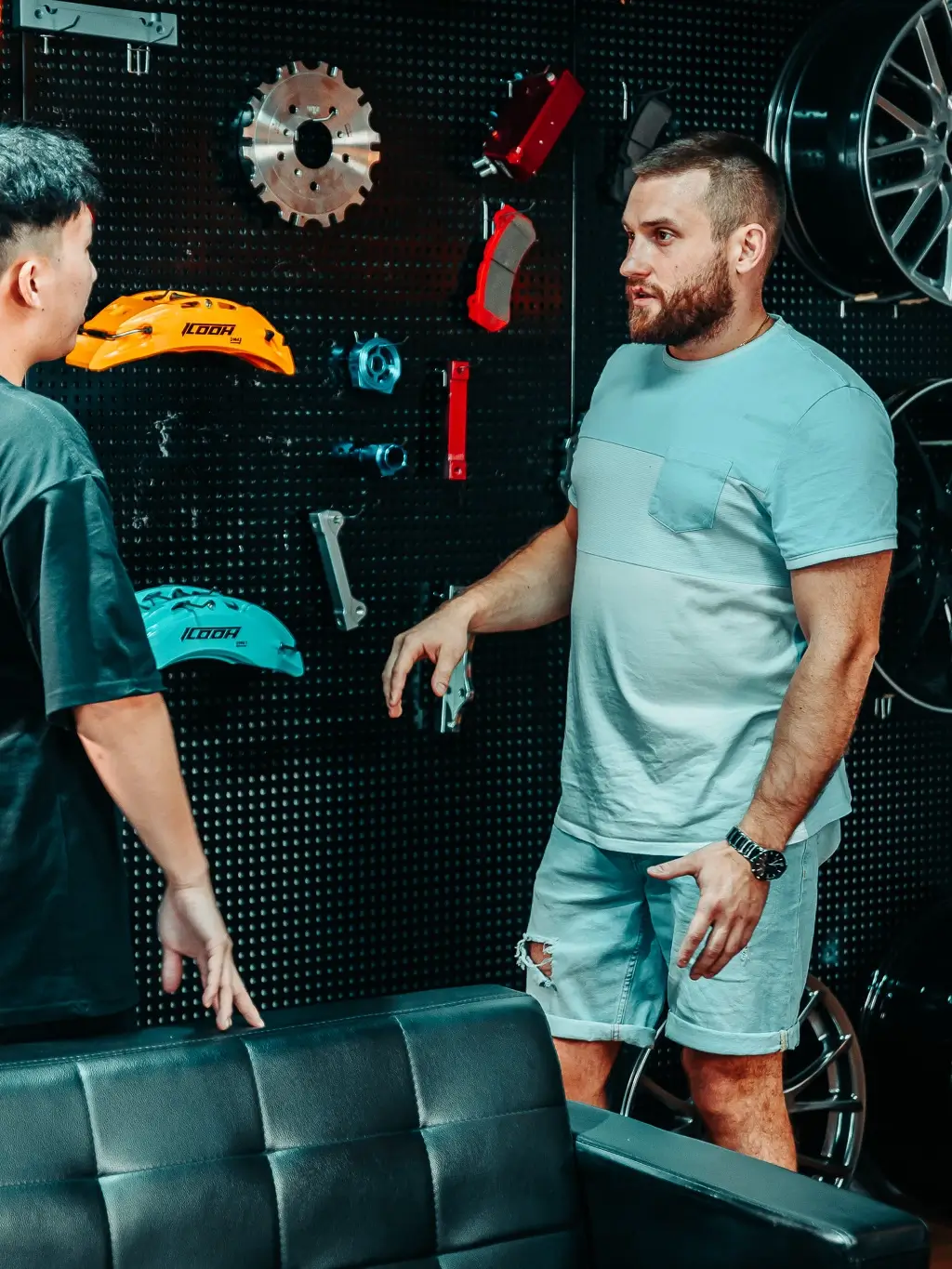
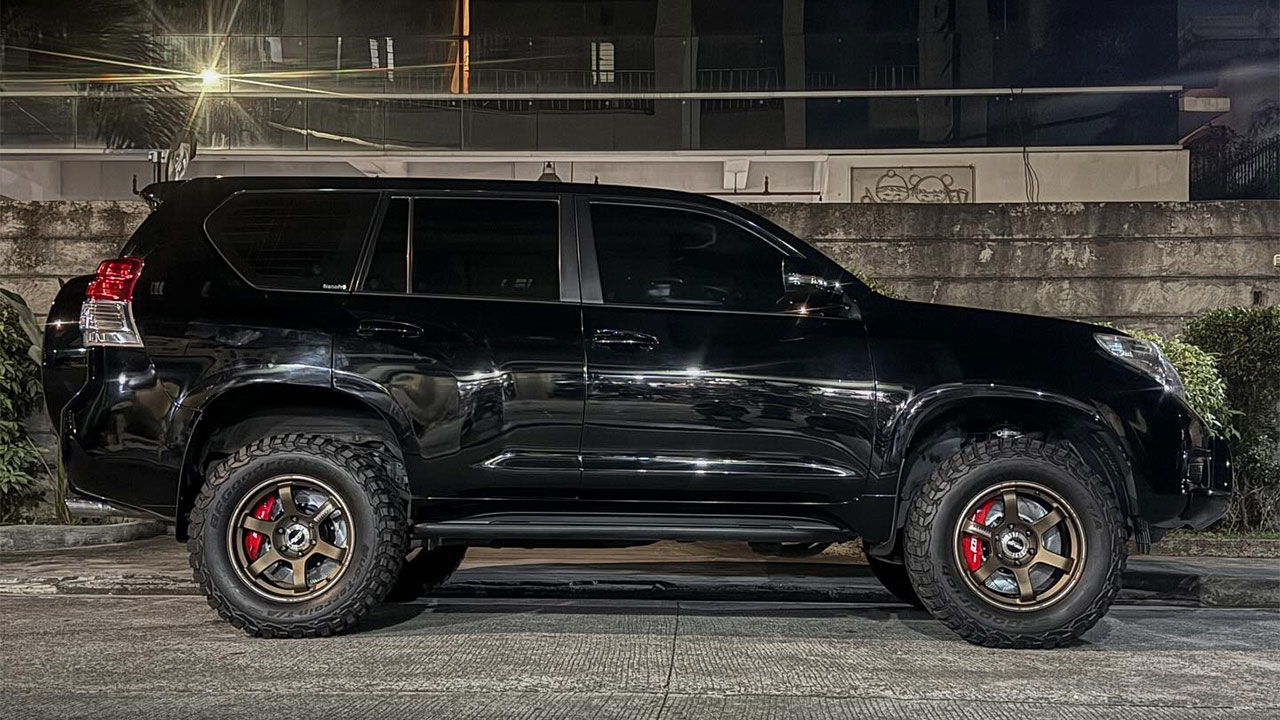
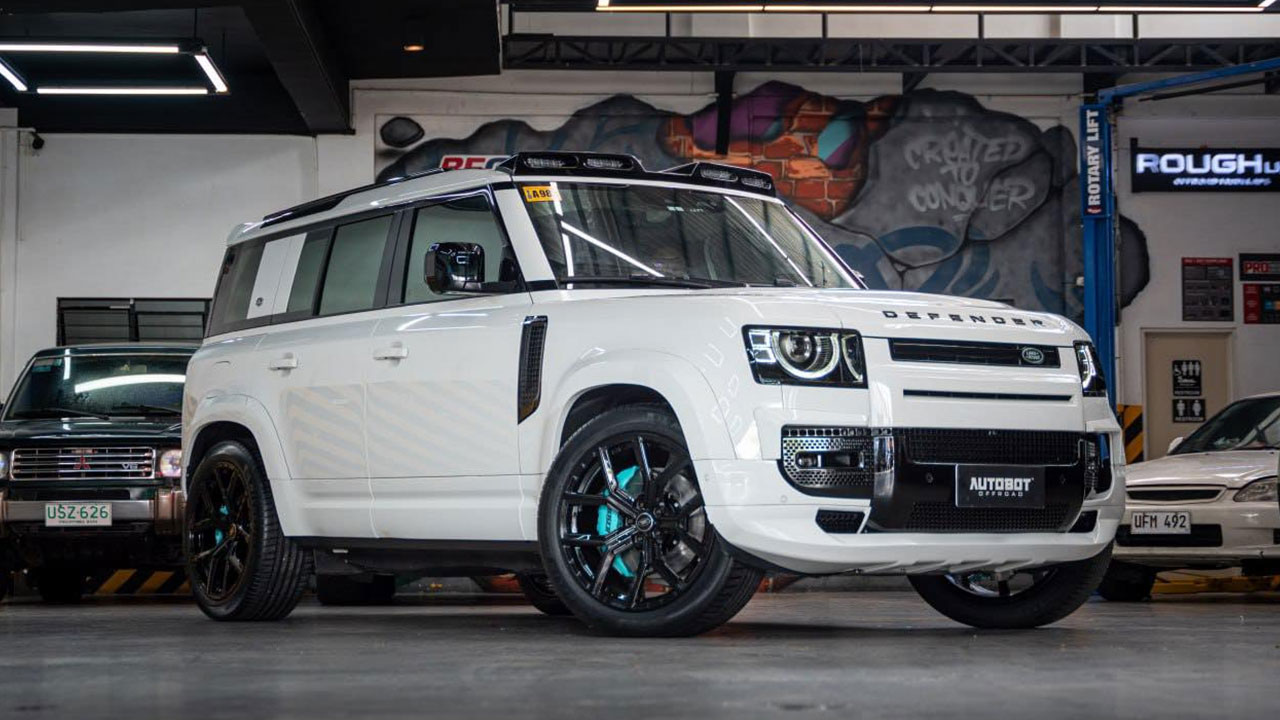
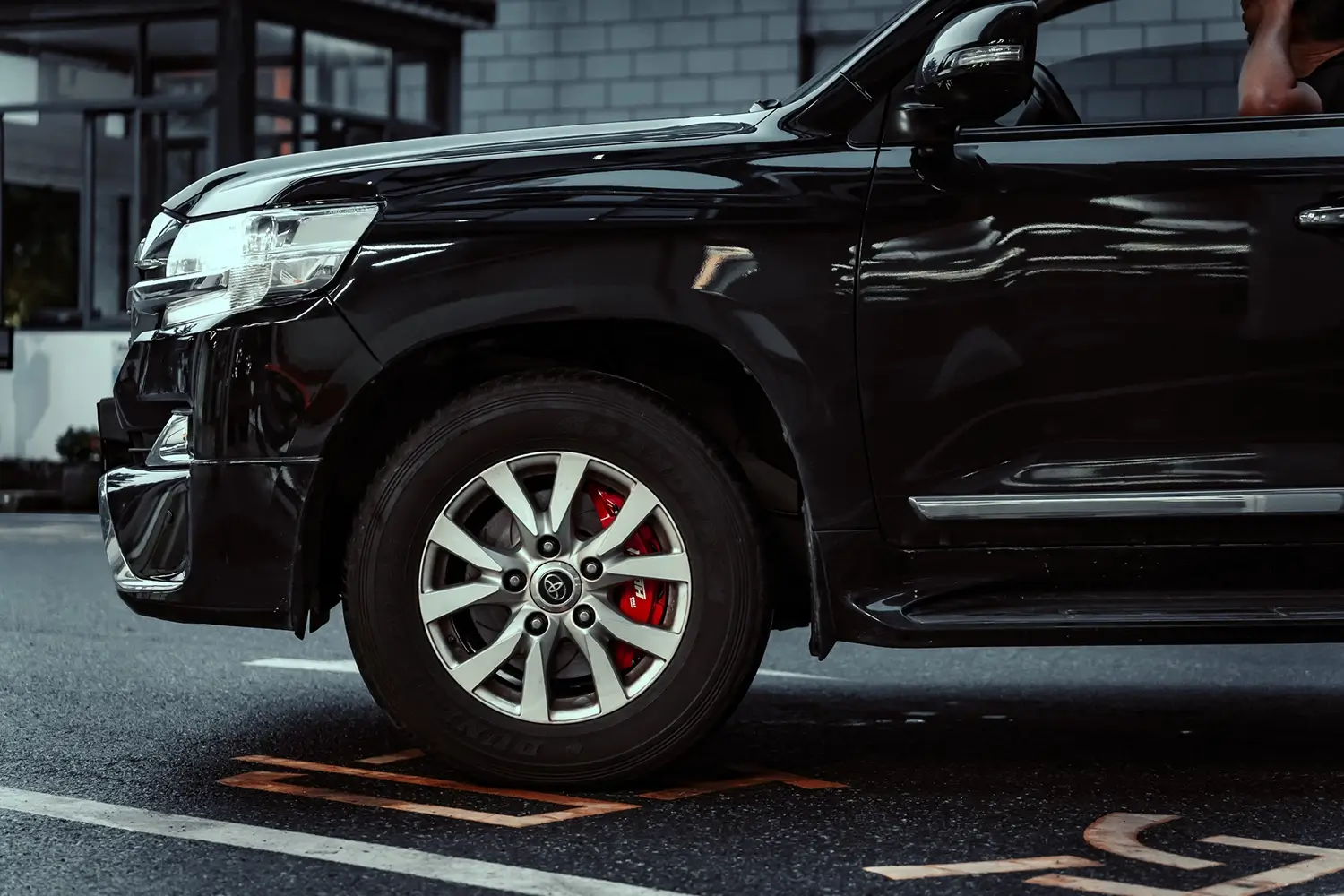
At Guangzhou Wantian Industrial Co., Ltd. (ICOOH), we specialize in bridging this gap. Our Big Brake Kits allow drivers to transition from standard floating systems to high-performance fixed systems, utilizing our coverage of over 99% of vehicle models worldwide.
High-Performance Fixed Caliper Upgrades

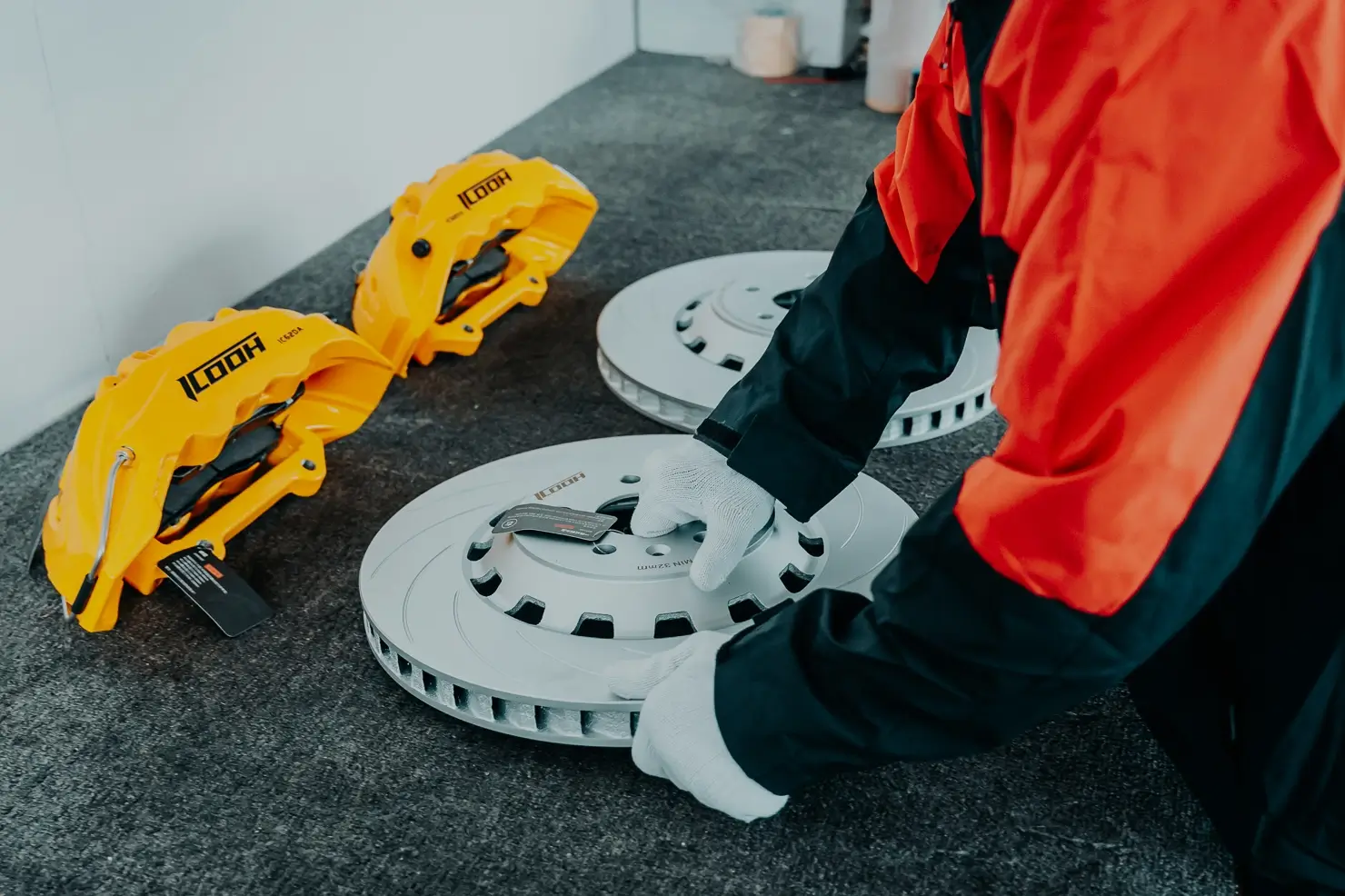
Upgrading to high-performance fixed calipers involves installing larger, multi-piston units that increase the clamping surface area and heat capacity of the braking system. This is critical for preventing "brake fade" during track days or aggressive driving.
High-performance fixed caliper upgrades offer distinct advantages:
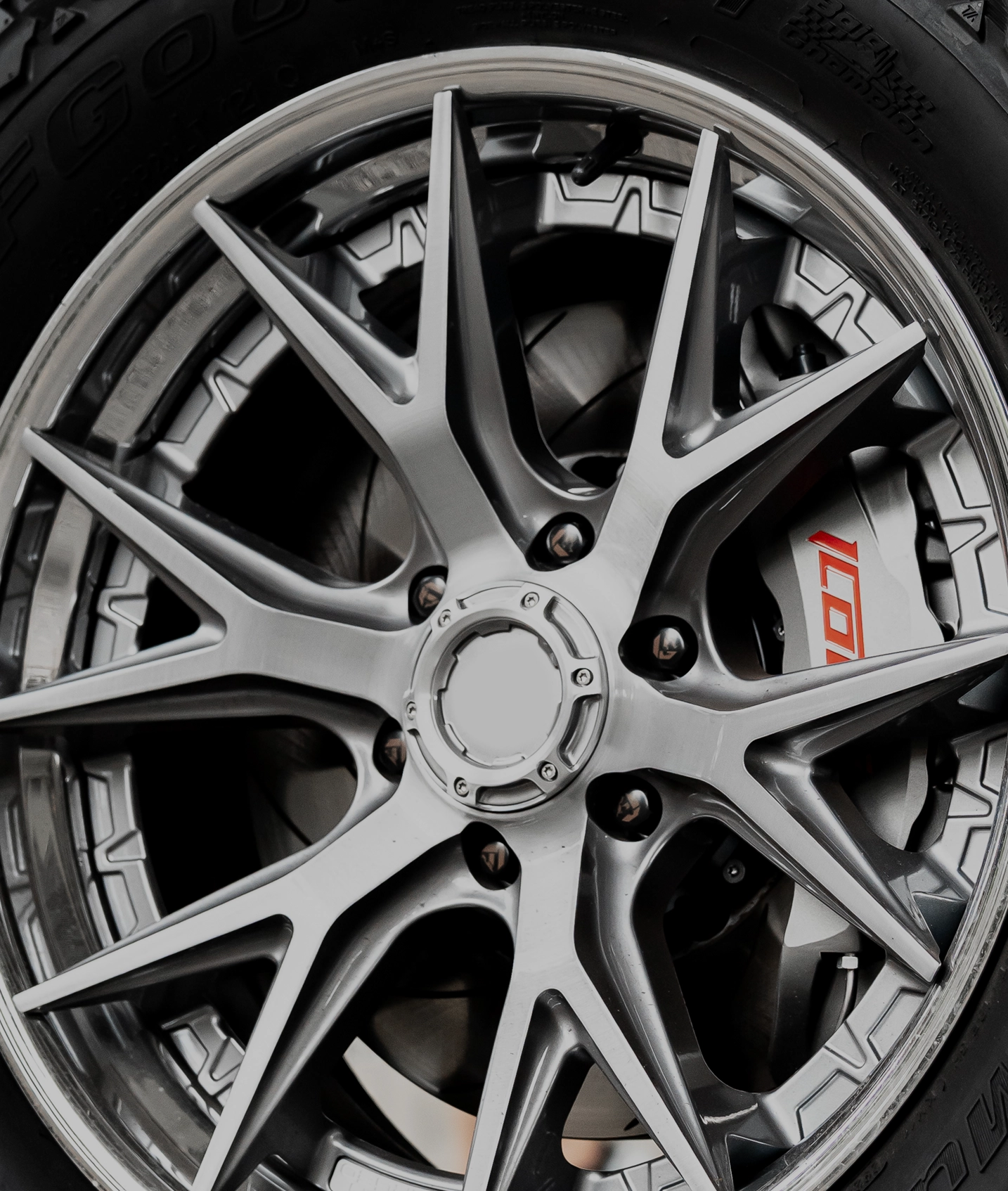
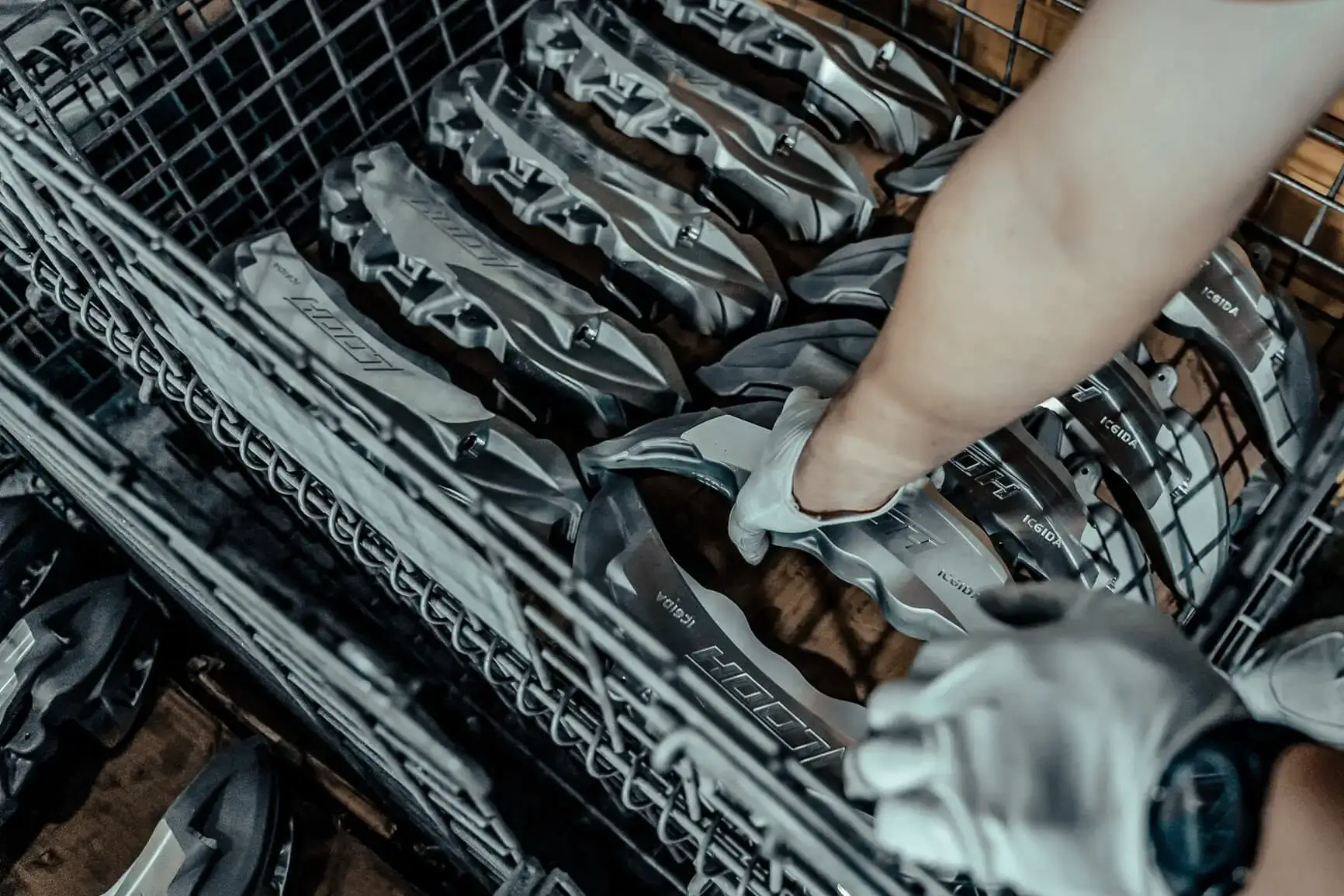
- Monoblock Construction: Many modern performance calipers are machined from a single piece of aluminum, eliminating bolts that can cause flex.
- Heat Management: Larger calipers hold more fluid and have more mass to absorb heat, keeping brake fluid below its boiling point.
- Modulation: Multiple smaller pistons allow for finer control of braking pressure compared to one giant piston.
Leveraging our experience since 2008, ICOOH engineers use 3D structural simulation to ensure these upgrades fit precisely without compromising the vehicle’s master cylinder balance.
Electronic Parking Brake (EPB) and Future Trends
Modern vehicles increasingly utilize Electronic Parking Brakes (EPB), where an electric motor is integrated directly into the rear caliper to engage the parking mechanism. This adds complexity to maintenance, as the motor must be retracted electronically before the piston can be compressed.
Electronic parking brake caliper maintenance requires specific attention:
- Scanner Required: You generally cannot use a C-clamp to compress an EPB piston without first setting it to "Service Mode" via an OBDII scanner.
- Safety Standards: The shift toward electronic actuation is part of broader safety trends. The NHTSA notes that electronic integration allows for advanced safety features like automatic emergency braking and hill-hold assist.
- 2026 Outlook: Expect to see "smart calipers" with integrated wear sensors and temperature monitoring becoming standard, further reducing the viability of DIY rebuilding for modern cars.
Expert Tips: Common Mistakes to Avoid
A successful caliper job requires strict adherence to cleanliness and bleeding procedures, as air bubbles or contaminants can render the brakes ineffective. The most common failure after service is a soft pedal caused by improper bleeding order.
- The "Hang" Error: Never let a caliper hang by the brake hose. The weight can damage the internal mesh, leading to a hose collapse.
- Lubrication Errors: Using petroleum-based grease causes rubber dust boots to swell and seize. Always use silicone or ceramic brake lubricant.
- Bleeding Sequence: Generally, bleed the brake furthest from the master cylinder first, but always check the service manual for ABS-equipped cars.
- Banjo Washers: Always replace the copper crush washers on the brake line bolt. Reusing them is a guaranteed recipe for a leak.
Industry-Leading Solutions: ICOOH Performance
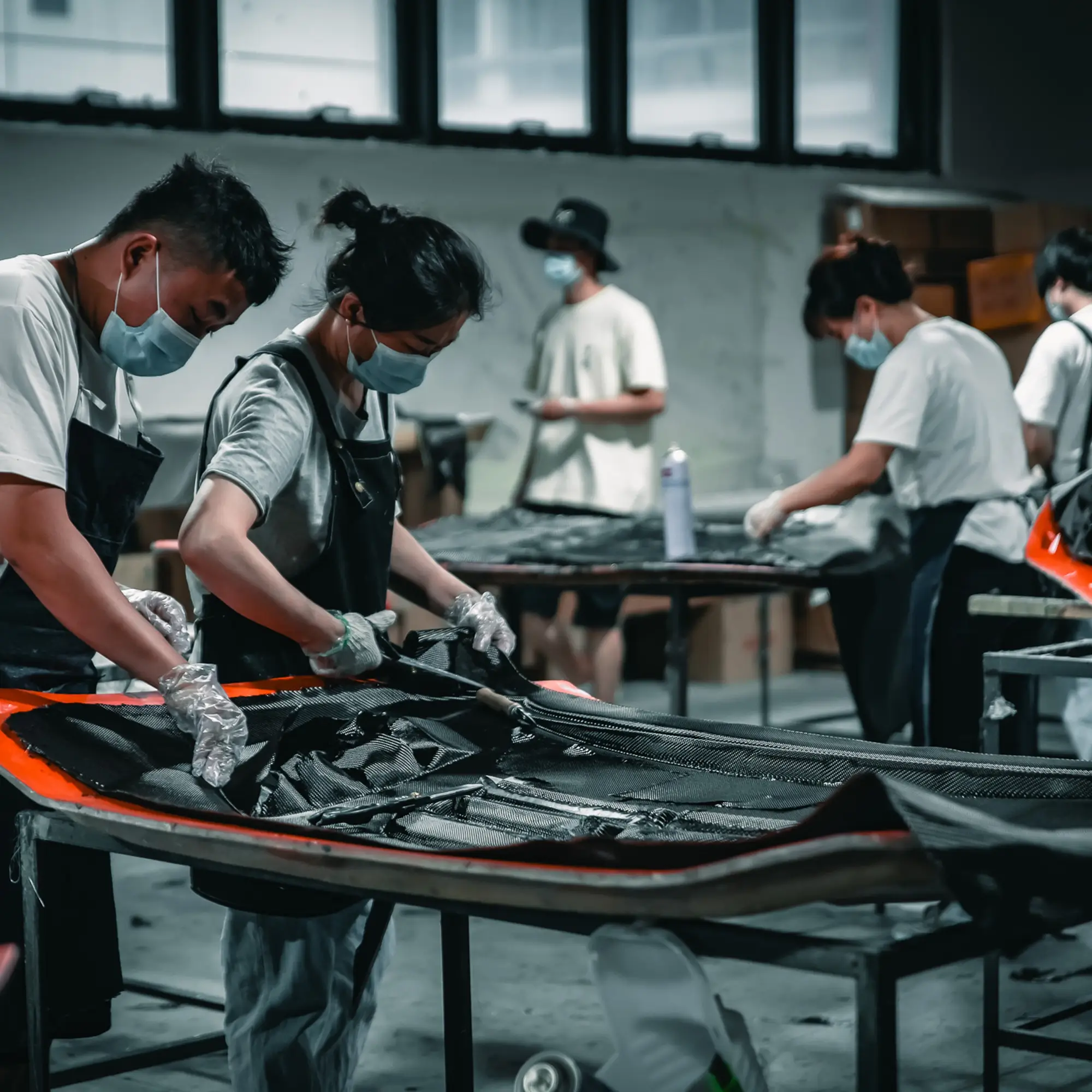
Guangzhou Wantian Industrial Co., Ltd. (ICOOH) delivers professional performance brake solutions that combine OEM-level precision with advanced racing technology. Founded in 2008, we have established ourselves as a pioneering force in the global automotive modification industry.
Our commitment to quality includes:
- R&D Excellence: With over 20 experienced engineers utilizing aerodynamic analysis and 3D modeling, we ensure every Big Brake Kit meets rigorous safety standards.
- Global Compatibility: Our products cover more than 99% of vehicle models, ensuring that whether you drive a European sports car or a domestic truck, we have a precision-fit solution.
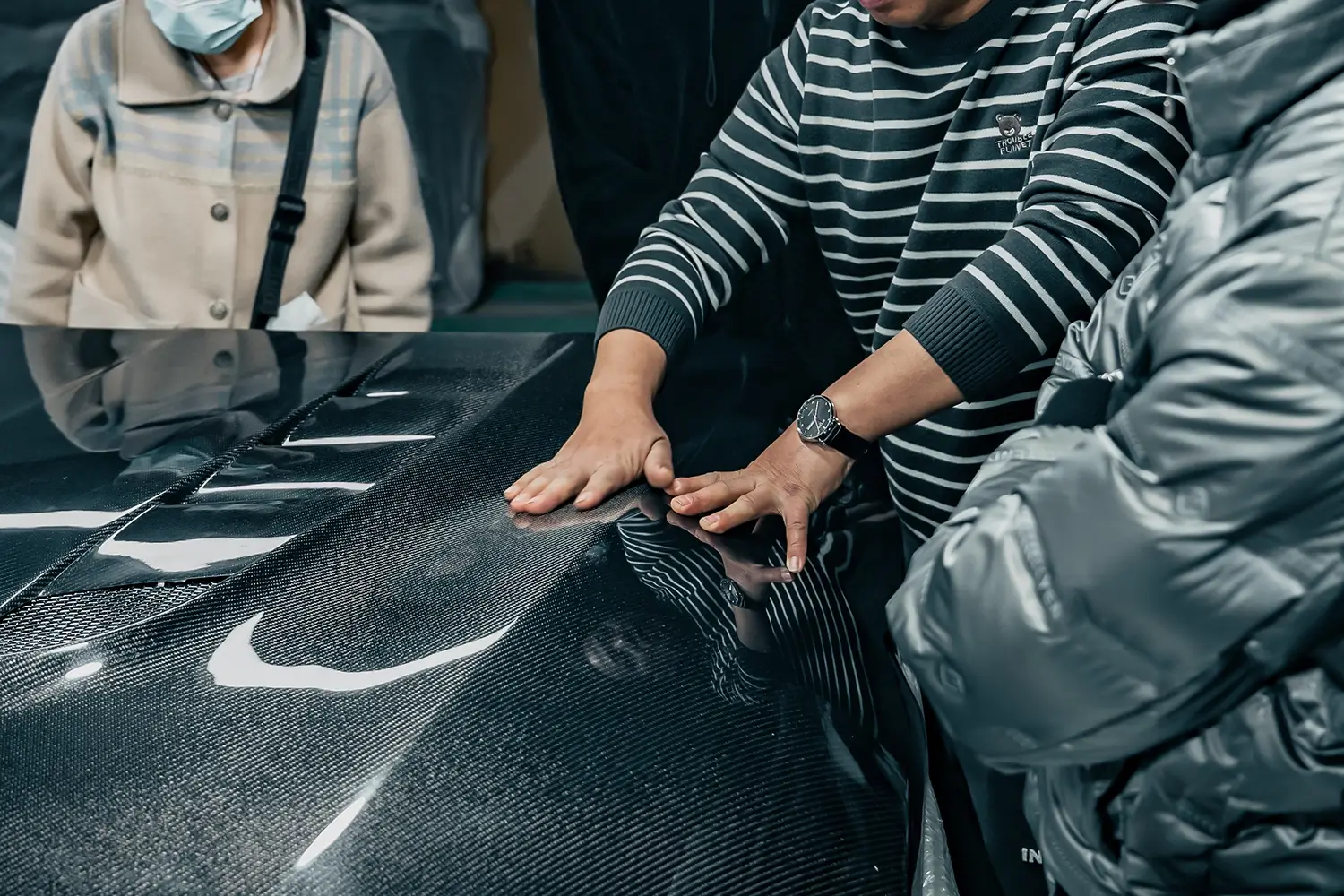
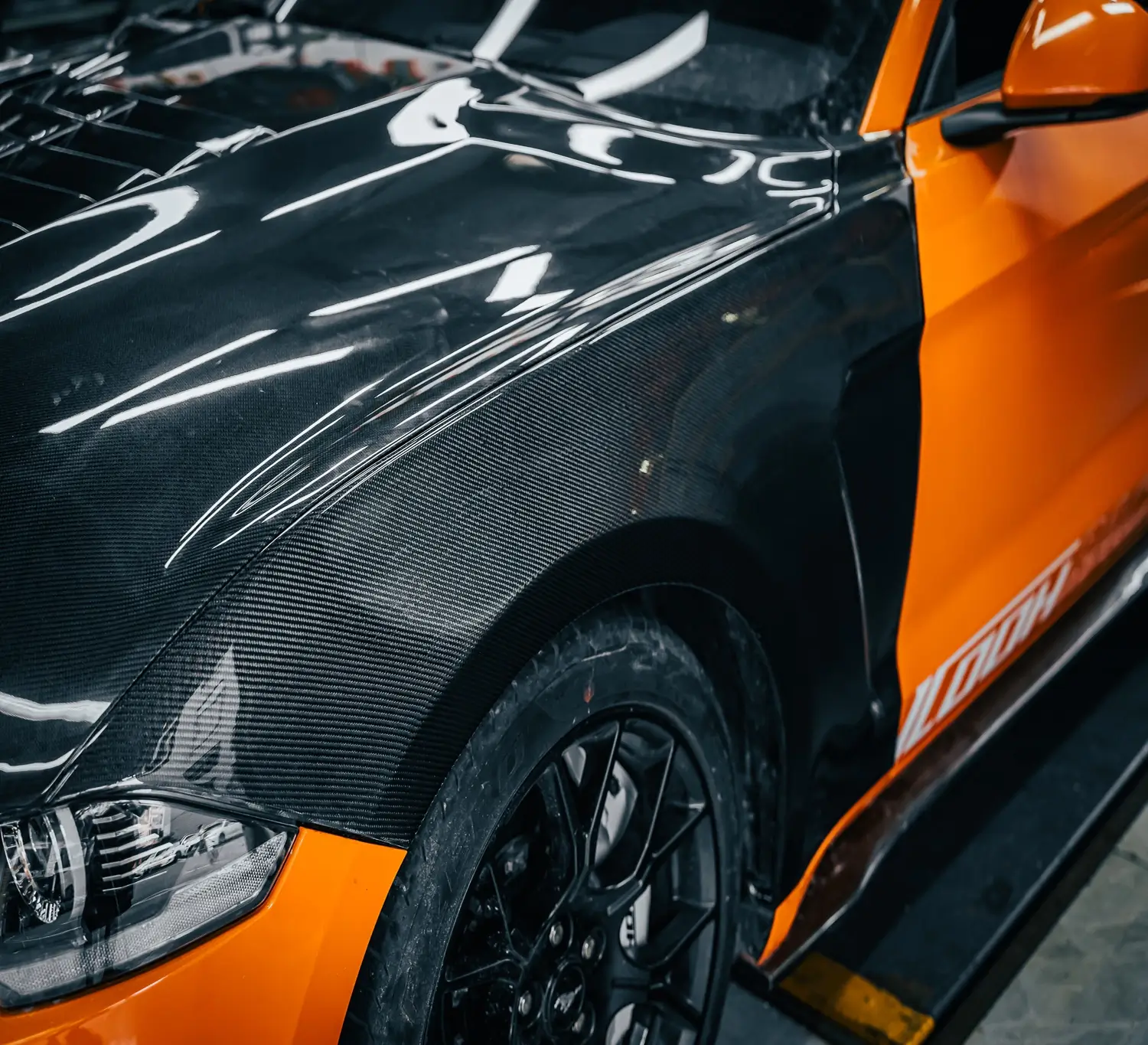
- Comprehensive Upgrades: Beyond calipers, we specialize in carbon fiber body kits and forged wheel rims, providing an integrated approach to vehicle performance and aesthetics.
Conclusion: Prioritizing Safety in Your Brake System
Your braking system is only as strong as its weakest link; a failing caliper compromises the entire vehicle's safety. Whether you choose to rebuild a classic component or upgrade to a modern fixed caliper, ensure the job is done with precision tools and quality fluids. Regular inspections of dust boots and slide pins can prevent costly full-system failures down the road.
Contact ICOOH today to discuss your specific needs for high-performance brake upgrades and precision manufacturing.
BMW X5 Big Brake Kit: Benefits, Cost & Performance Guide
How to Choose a Reliable Custom Brake Caliper Manufacturer
Mercedes GLC63 Brake Kit: Smart Upgrade Guide
BMW M4 Carbon Ceramic Brake Cost: Why Are They So Expensive?
Explore More Automotive News
Subscribe to our newsletter for the latest tuning cases, technology trends, and industry analysis.
Facebook
Linkedin
Youtube
Instagram