Big Brake Kits Buying Guide: How to Choose the Right Kit

2025-11-20
A comprehensive buying guide to choosing big brake kits for street, track, or heavy-duty use. Learn the components, specs to prioritize, fitment considerations, pad and rotor choices, cost comparisons, installation tips, and how ICOOH delivers tailored performance brake solutions.

Big Brake Kits Buying Guide: How to Choose the Right Kit

What are big brake kits and why do they matter?

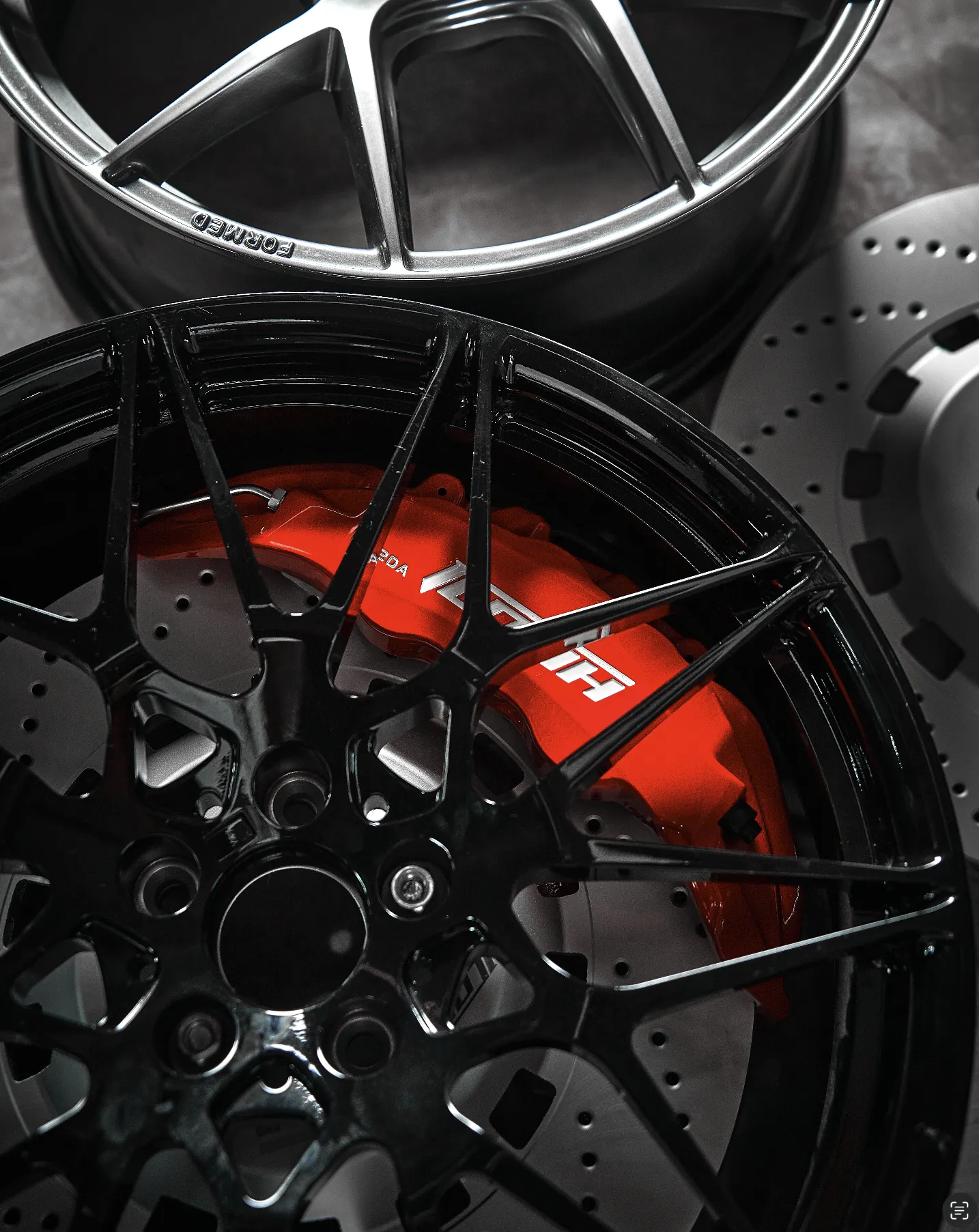
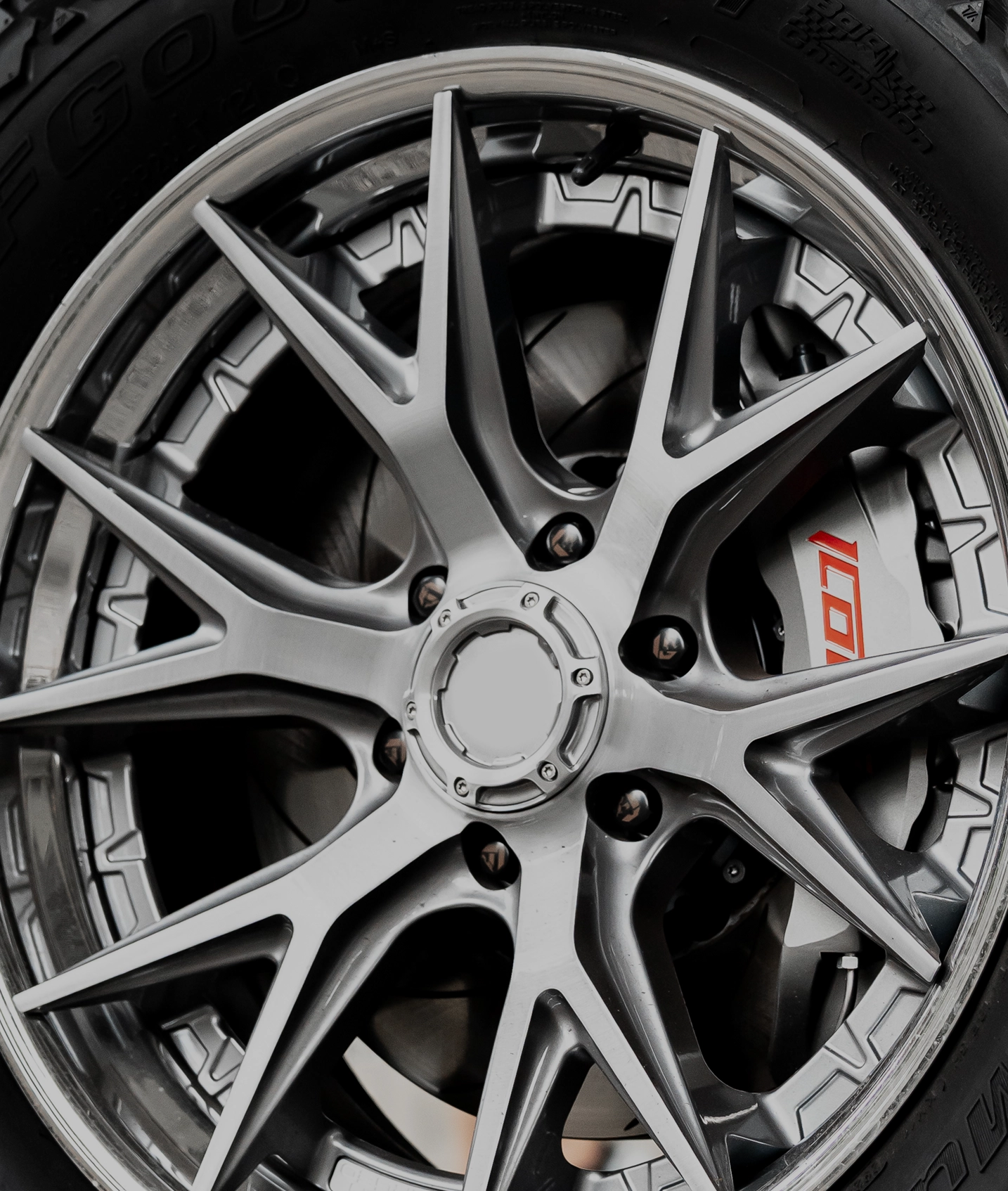
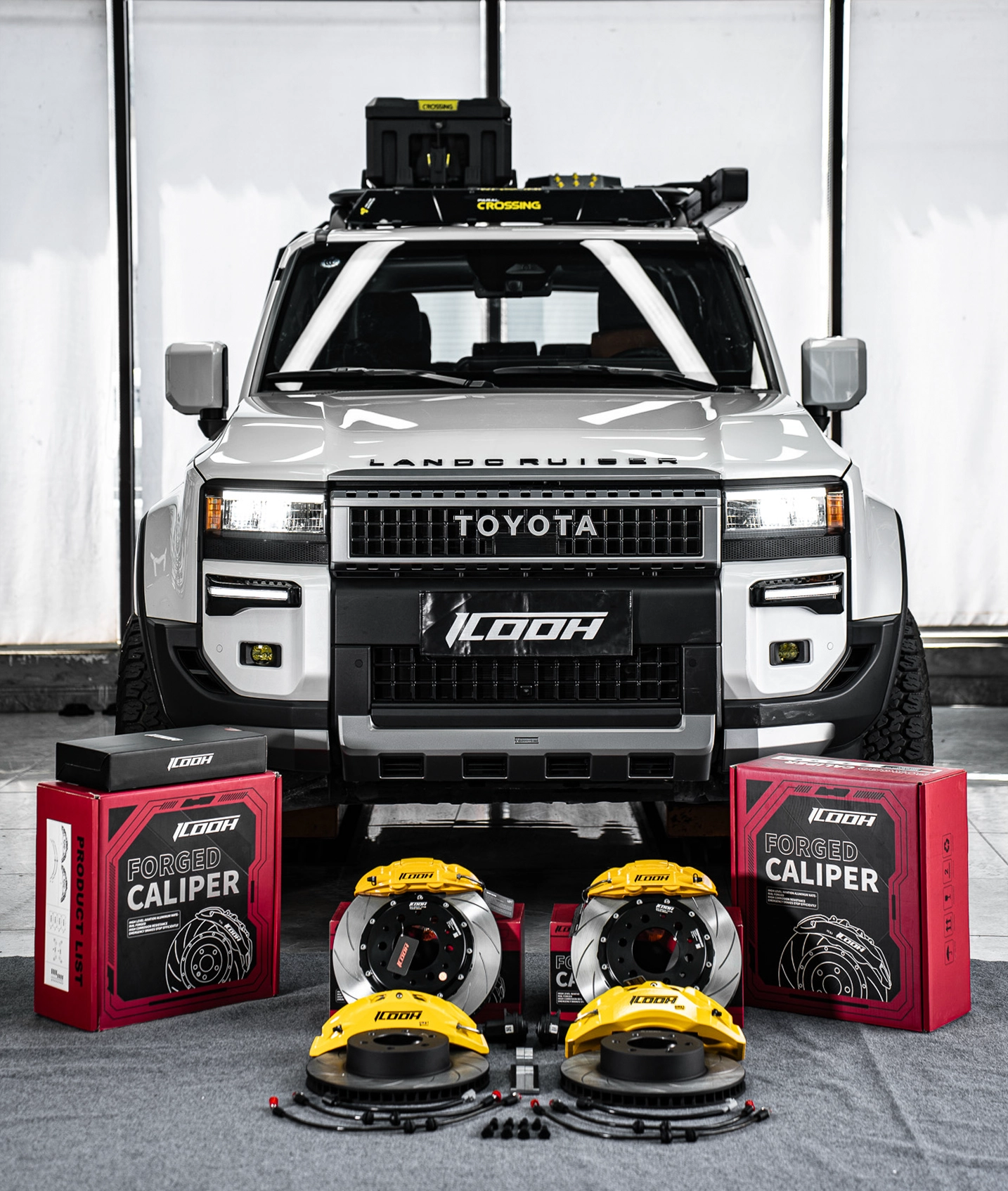
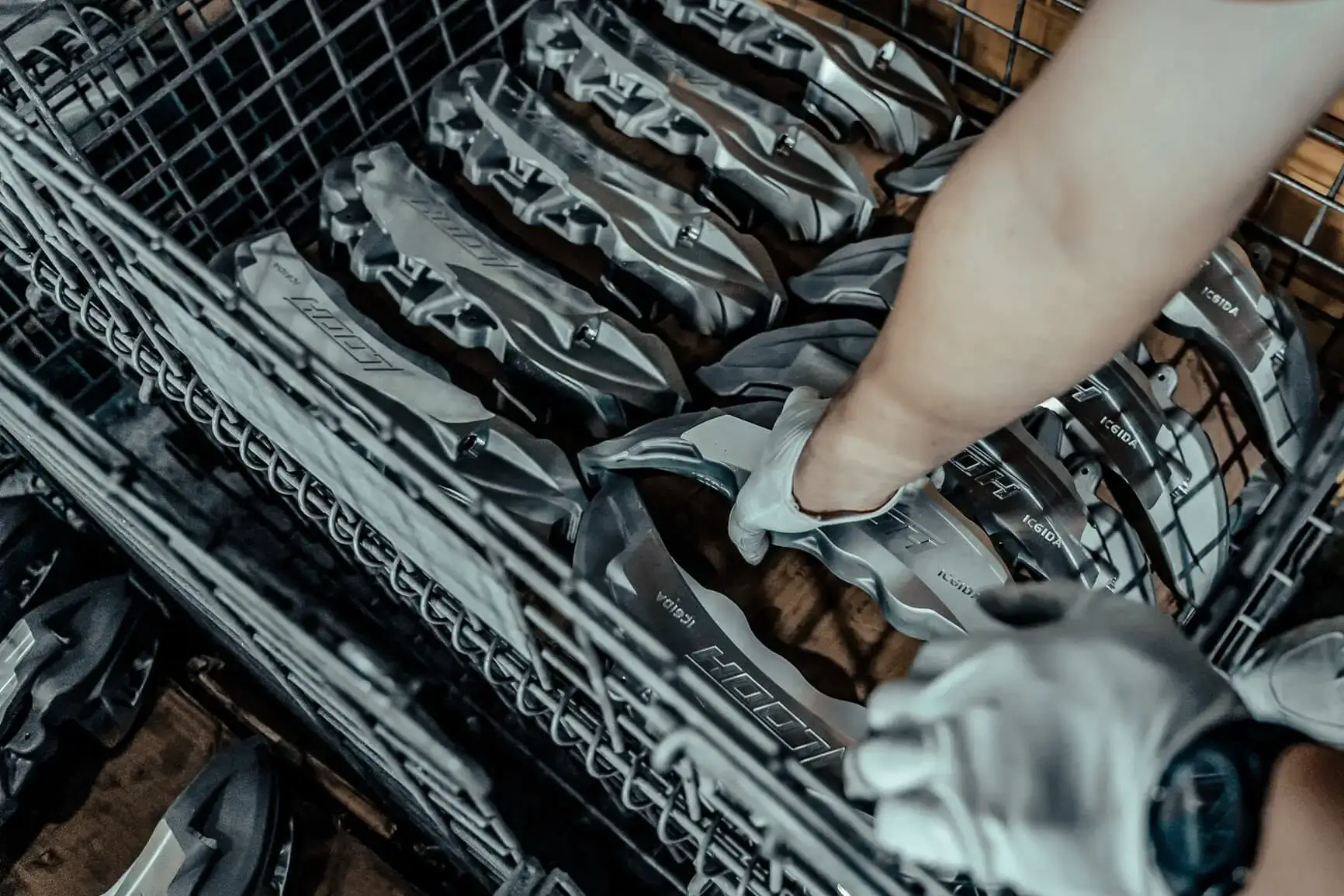
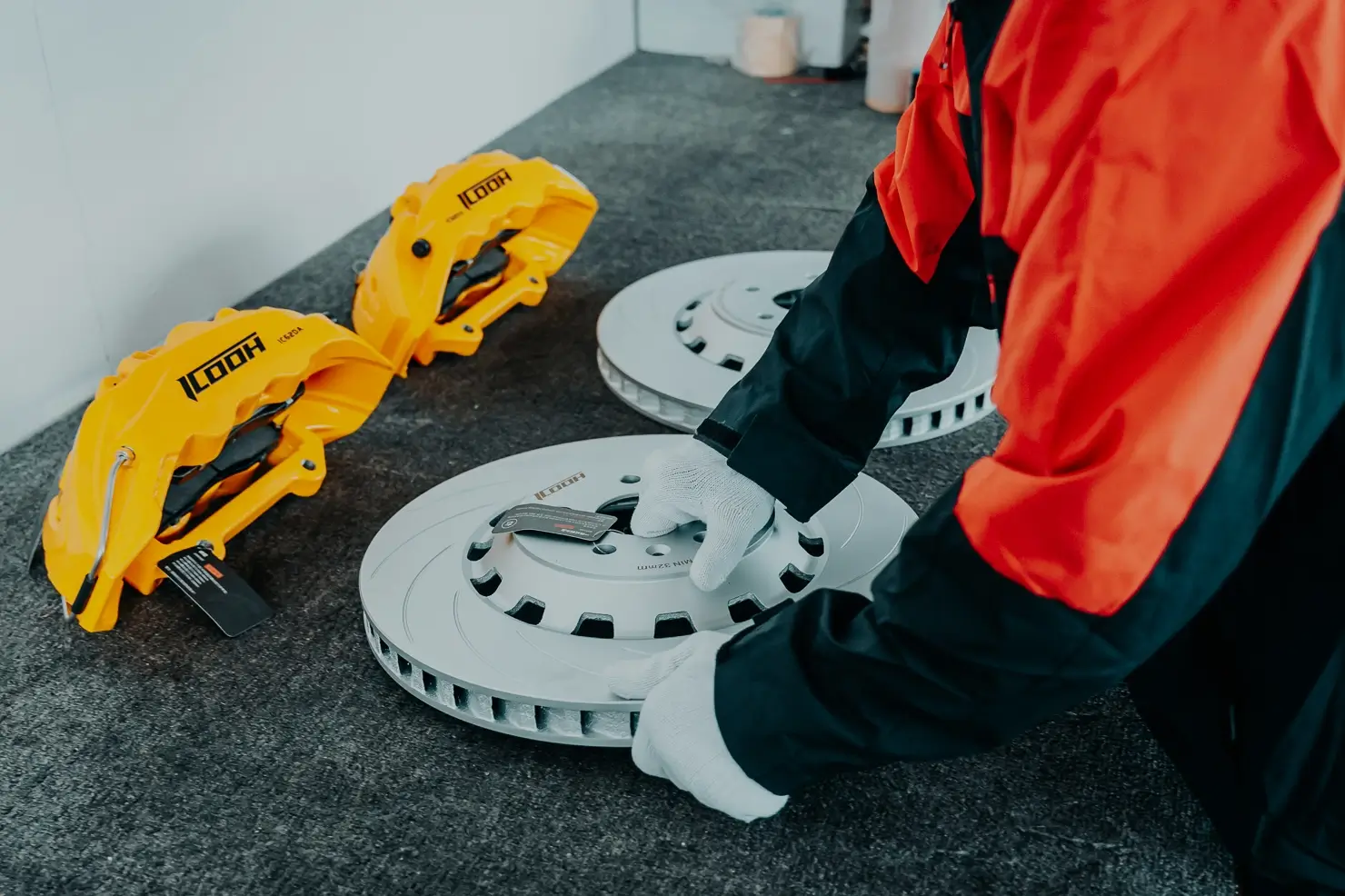
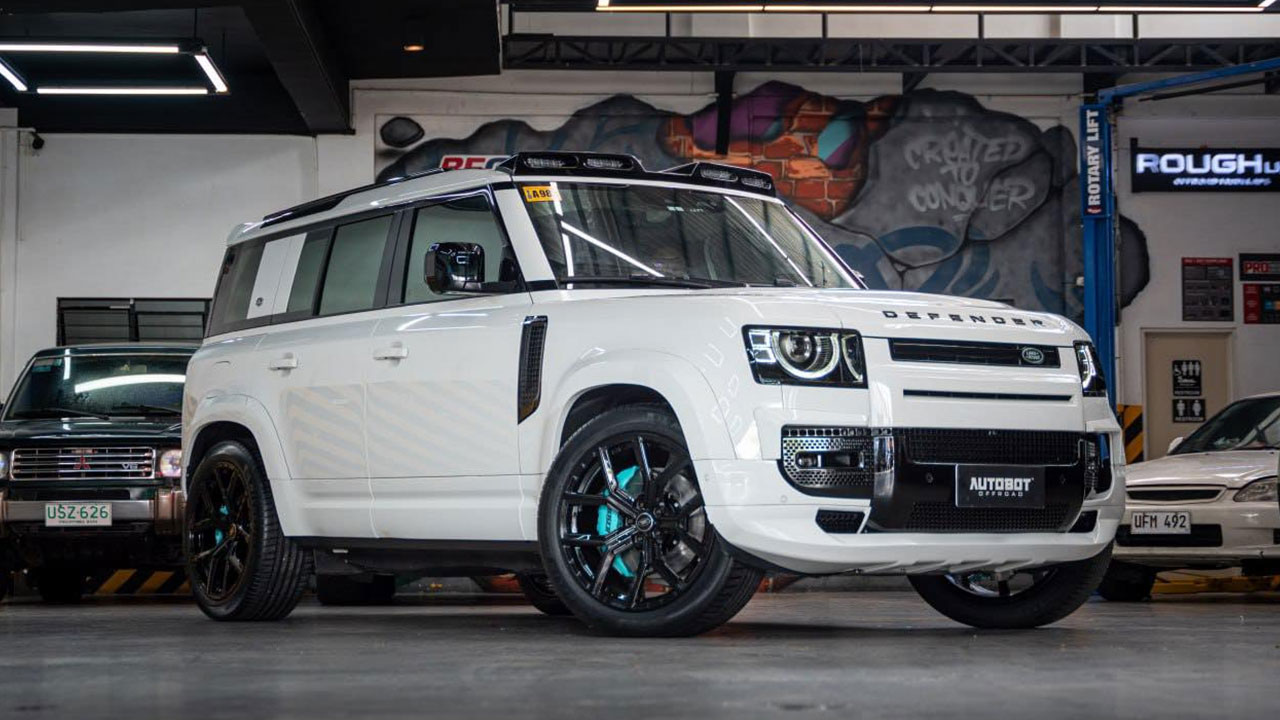
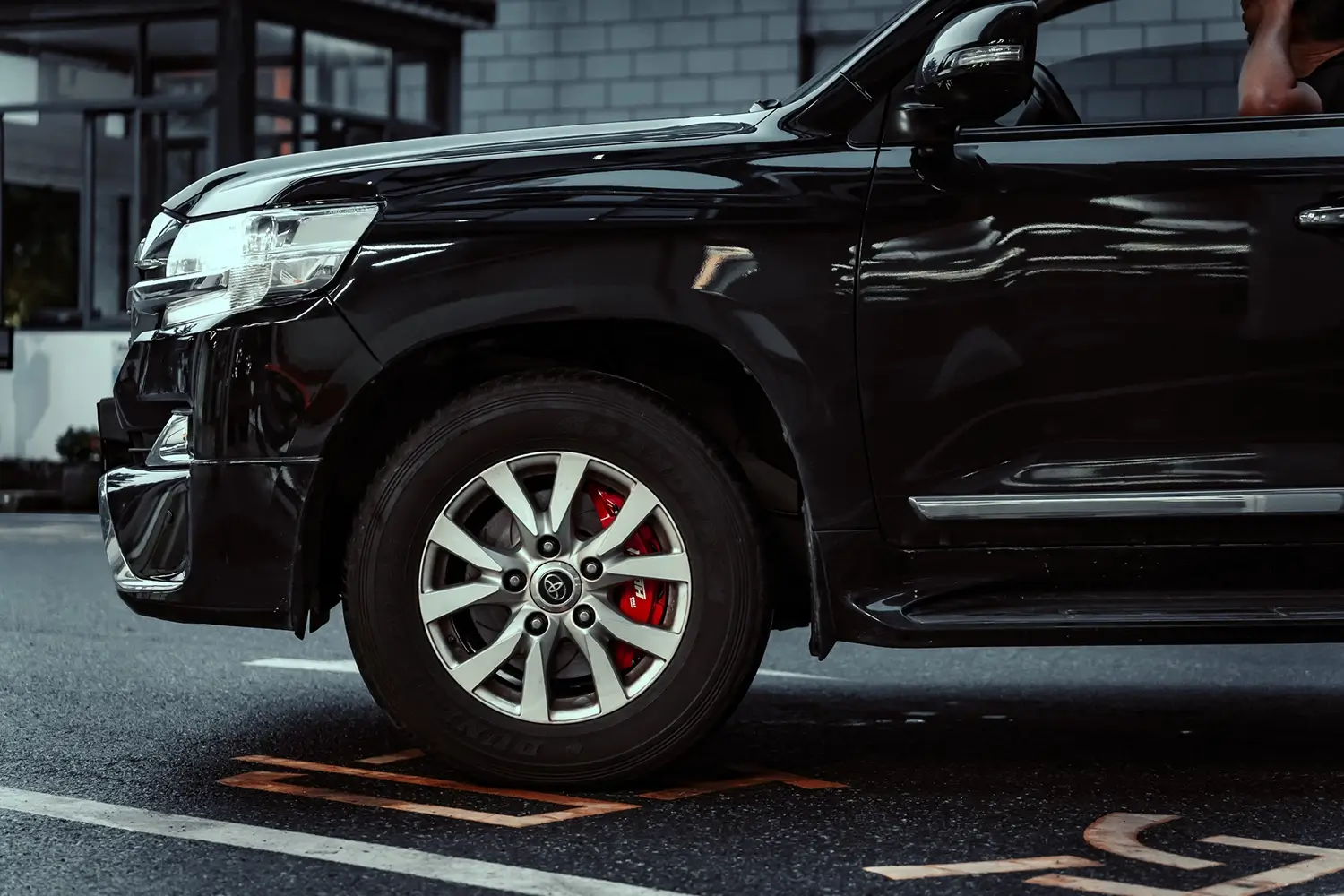
Big brake kits are aftermarket brake upgrades that replace one or more components of your vehicle’s braking system—typically larger rotors, multi-piston calipers, performance brake pads, and often reinforced lines and mounting brackets. These kits are designed to increase stopping power, improve heat dissipation, reduce brake fade, and provide better pedal feel under demanding conditions. For drivers who use their vehicles for spirited street driving, track days, towing, or higher-speed performance, big brake kits can deliver measurable safety and performance gains.

Key components of big brake kits

Understanding each component helps you choose the right kit for your needs:

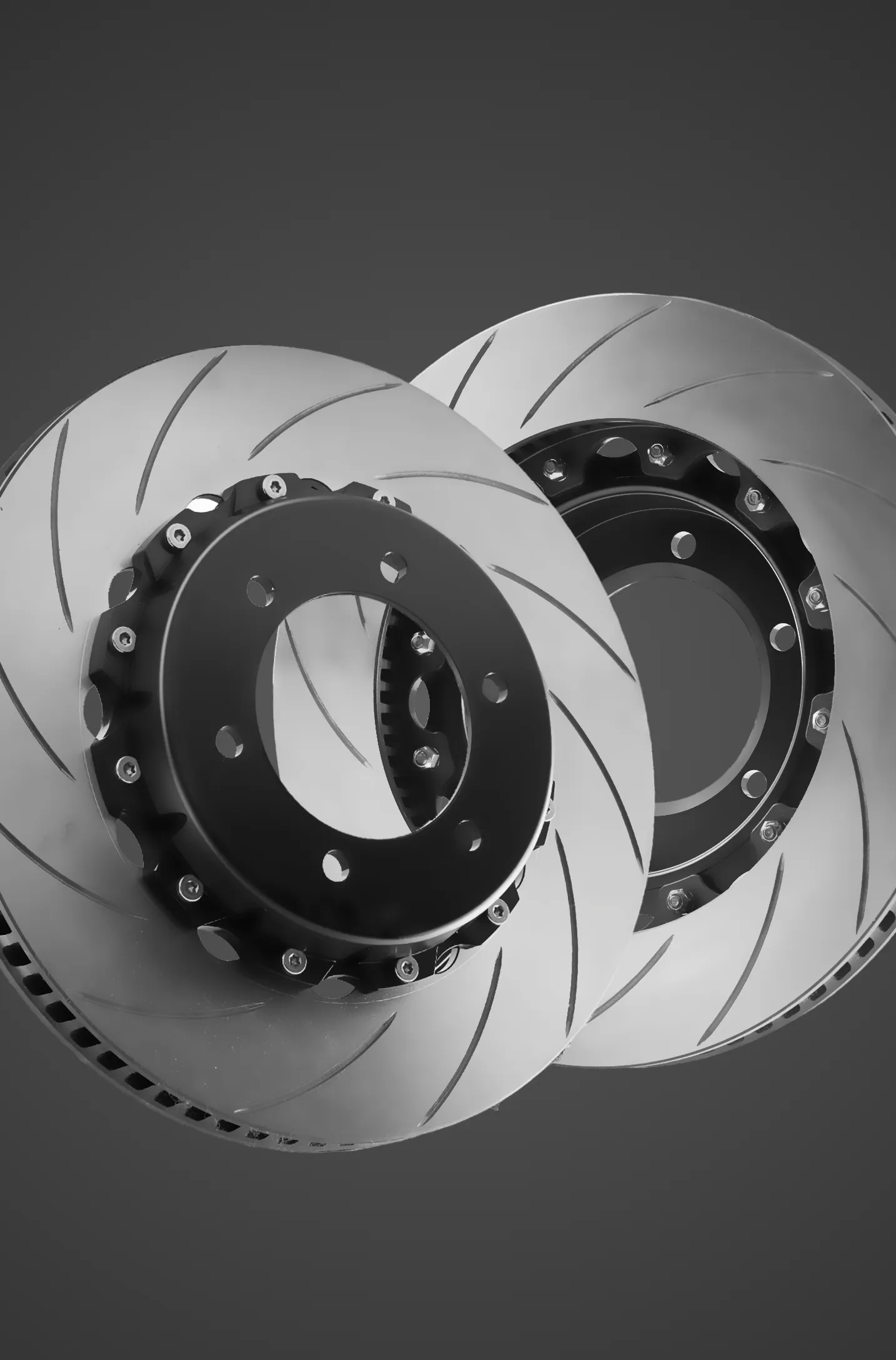
  • Rotors: Typically larger in diameter and thickness than OEM, available as solid, slotted, drilled, or two-piece designs for better cooling and resistance to warping.
  • Calipers: Fixed (monoblock or multi-piece) or floating designs. Fixed calipers with multiple pistons (4-, 6-, or 8-piston) offer more even pressure and better modulation.
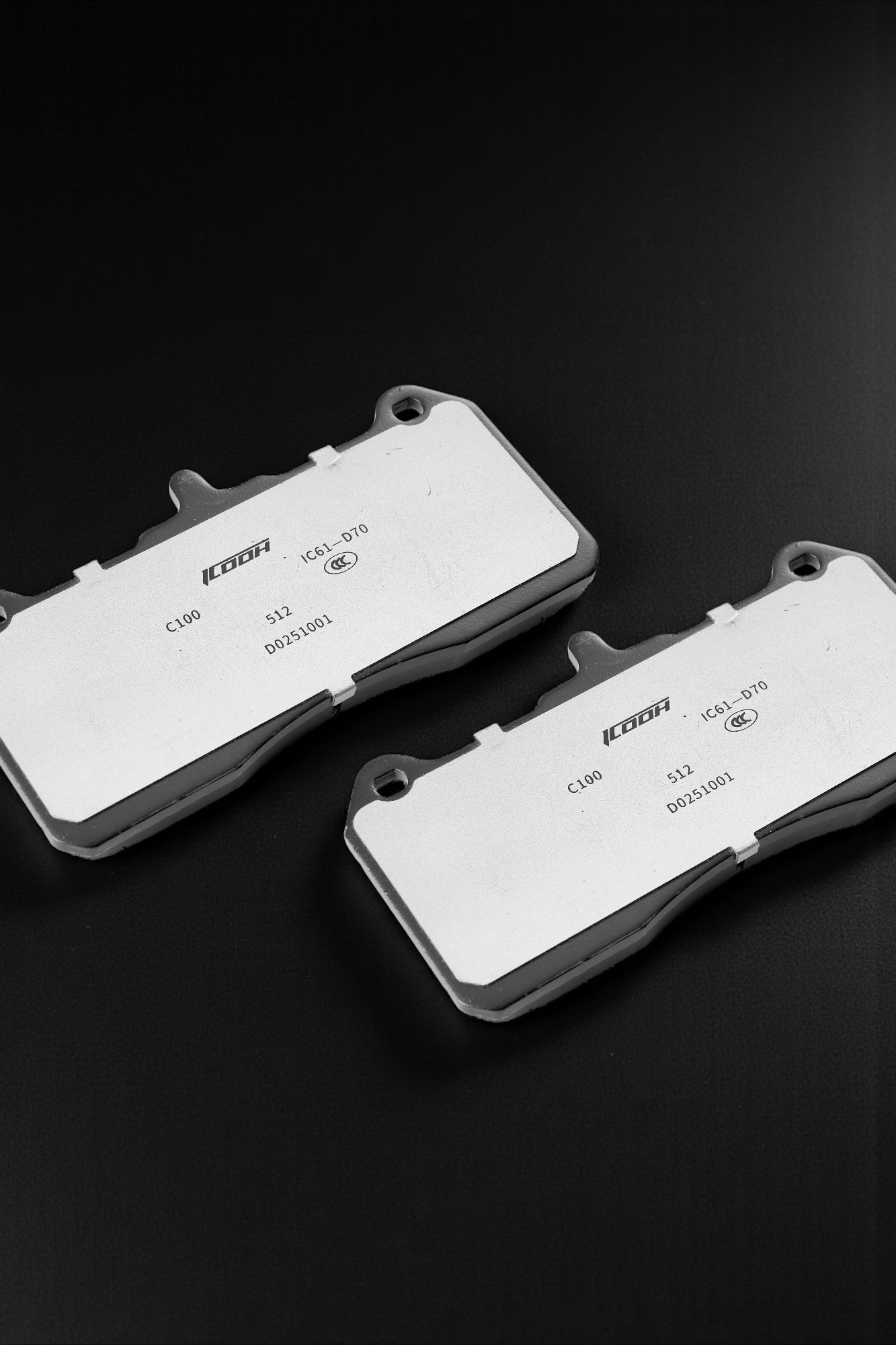
  • Brake pads: Compound varies by use—street, sport, track, or endurance. Pad choice affects bite, fade resistance, dust, and rotor wear.
  • Brake lines and hoses: Braided stainless-steel lines reduce expansion under pressure and improve pedal feel.
  • Caliper brackets and hats: Necessary to adapt larger components to your hub and to allow correct rotor offset and wheel fitment.

How big brake kits improve braking performance

The main performance advantages of big brake kits are increased thermal capacity, larger friction surface area, and improved mechanical leverage. Larger rotors hold more heat and cool more quickly; multi-piston calipers distribute pressure more evenly; and performance pads maintain friction at higher temperatures. Together these translate to shorter repeat stopping distances and less brake fade during repeated heavy braking. Agencies and testing organizations show that braking performance is highly dependent on system design and pad compound—upgrading hardware alone helps only when matched with appropriate pads and cooling design.

Important technical specs to evaluate when choosing big brake kits

Compare kits using the following technical parameters—each has a practical effect on performance and fitment:

  • Rotor diameter and thickness: Larger diameter increases leverage at the wheel; thickness affects heat capacity and resistance to warping.
  • Caliper type and piston count: More pistons usually equal more clamping force and even pad wear, but also more weight and cost.
  • Rotor construction: One-piece cast, slotted/drilled, or two-piece (aluminum hat + cast iron ring) for reduced unsprung mass.
  • Pad material: Ceramic/organic for quiet daily use, semi-metallic or metallic for higher friction and track use.
  • Weight and unsprung mass: Heavier braking components affect handling—two-piece designs often reduce unsprung weight.
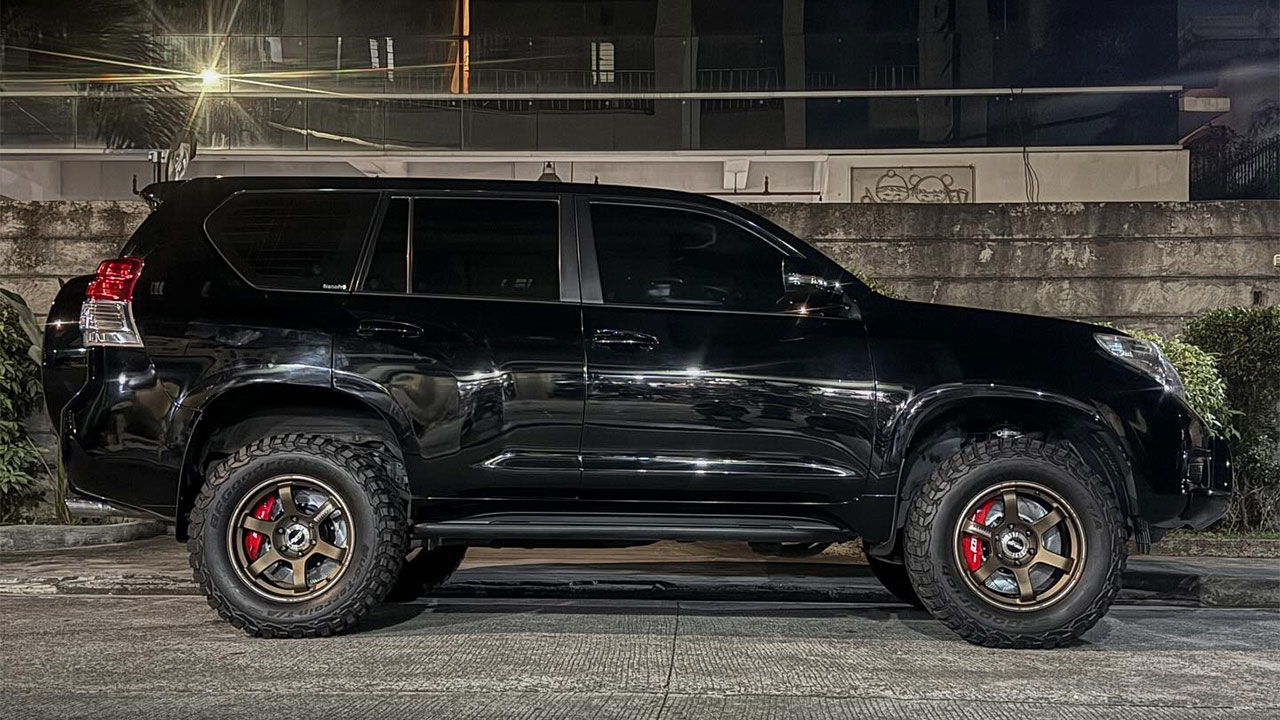
  • Wheel clearance and fitment: Larger calipers and rotors require compatible wheels with sufficient backspace and diameter.

Quick comparison: OEM brakes vs entry-level aftermarket vs high-end big brake kits

The table below summarizes typical characteristics and cost ranges to help you decide which direction fits your budget and goals.

Category Typical Rotor Diameter Typical Caliper / Pistons Weight Change Cost Range (per axle) Best For
OEM Brake System Stock (300–330 mm typical) Floating caliper / 1–2 pistons Baseline $0 (stock) Daily driving, comfort
Entry-Level Aftermarket 330–360 mm Fixed or upgraded floating / 2–4 pistons +2–6 kg $600–$1,500 Enthusiast street, occasional track
High-End Big Brake Kits 360–420+ mm Monoblock fixed calipers / 4–8 pistons +4–12 kg (often offset by 2-piece rotors) $1,500–$5,000+ Frequent track use, high-performance street cars, towing/high-speed safety

Sources for typical values: manufacturer product pages (Brembo, StopTech, Wilwood) and independent reviews.

Choosing the right big brake kit for your driving style

Match kit selection to how you use the car:

  • Daily street use: Moderate rotor size increase, quality pads with low dust and reasonable noise, and improved lines. Prioritize compatibility and predictable pedal feel.
  • Spirited driving/club track: Larger rotors, multi-piston fixed calipers, and track-oriented pads. Consider two-piece rotors to reduce unsprung mass.
  • Frequent track use or endurance racing: High-temperature pads, iron ring two-piece rotors, larger diameter and thickness, and attention to cooling ducting and bias adjustment.
  • Towing/high-speed highway use: Bigger rotors for heat dissipation and durable pad compounds to resist fade during prolonged deceleration.

Fitment and installation considerations for big brake kits

Many failed big brake upgrades are a result of poor fitment planning. Key fitment considerations:

  • Wheel clearance: Verify wheel diameter, offset, and inner clearance to avoid caliper contact with spokes. Some kits require minimum wheel sizes (e.g., 18+).
  • Hub and rotor hat compatibility: Some kits use vehicle-specific hats; confirm bolt pattern and hub centric dimensions.
  • ABS and sensor integration: Many aftermarket kits retain ABS and parking brake systems, but verify sensor harness and bracket requirements.
  • Brake bias and proportioning: Big front brakes can change front/rear bias—some setups need a proportioning valve or rear upgrade to maintain balance.
  • Professional installation: For safety-critical systems, professional installation is strongly recommended. Torque specs, bedding procedures, and hydraulic bleeding must be done properly.

Maintenance, pads, and rotor life

Brake maintenance with big brake kits differs from OEM systems:

  • Pad wear: Performance pads often wear faster than OEM; plan for more frequent replacement on track-use cars.
  • Rotor resurfacing vs replacement: One-piece rotors may be resurfaced; two-piece rotors usually require replacement of the friction ring if damaged.
  • Bedding-in: Proper bedding (series of controlled stops) ensures optimal pad transfer layer and consistent performance.
  • Fluid: Use high-performance DOT 4/5.1 fluid with higher boiling point for track use; replace fluid regularly to avoid moisture-induced boil.

Common mistakes when selecting big brake kits and how to avoid them

Avoid these pitfalls:

  • Oversizing without purpose: Bigger isn’t always better—oversized rotors can increase unsprung mass and reduce responsiveness.
  • Ignoring wheel fitment: Always confirm wheel clearance before purchase to avoid costly returns or wheel changes.
  • Neglecting pad selection: Buying a hardware-only kit without the right pads will limit real-world improvements.
  • Assuming one kit fits all: Vehicle-specific brackets, hub sizes, and caliper offsets matter—ensure the kit is designed for your vehicle or request custom solutions.

Cost vs value: what to expect

Big brake kits range from a few hundred to several thousand dollars per axle. Consider total system cost: hardware, pads, lines, brackets, installation, and potential wheel changes. Evaluate value by expected use—frequent track users will justify high-end kits faster than drivers who only want improved looks and sporadic performance gains. Keep in mind that properly engineered kits can also increase resale value for performance-minded buyers.

How ICOOH supports your big brake kits choice

Founded in 2008, ICOOH has grown into a pioneering force in the global automotive performance and modification industry. As a professional performance car parts manufacturer, we specialize in developing, producing, and exporting big brake kits, carbon fiber body kits, and forged wheel rims—delivering integrated solutions for both performance and aesthetics.

ICOOH’s competitive advantages for big brake kits

ICOOH’s strength lies in complete vehicle compatibility and powerful in-house design and R&D capabilities. Our products cover more than 99% of vehicle models worldwide, providing precise fitment and exceptional performance. Whether you are a tuning brand, automotive distributor, or OEM partner, ICOOH delivers solutions tailored to your market needs.

Our R&D center is staffed with over 20 experienced engineers and designers dedicated to continuous innovation. Utilizing 3D modeling, structural simulation, and aerodynamic analysis, we ensure every product meets the highest performance and design standards. At ICOOH, our mission is to redefine automotive performance and aesthetics through precision engineering and creative innovation.

ICOOH product suite: big brake kits, carbon fiber body kits, and forged wheel rims

ICOOH offers integrated performance packages. Our big brake kits are engineered for direct fitment, balanced braking bias, and optimized cooling. Complementary carbon fiber body kits improve aerodynamic efficiency and cooling duct routing when needed, while our forged wheel rims are designed with caliper clearance and reduced unsprung mass in mind. Together these products deliver both measurable lap-time improvements and showroom-grade aesthetics.

How ICOOH helps you choose the right kit

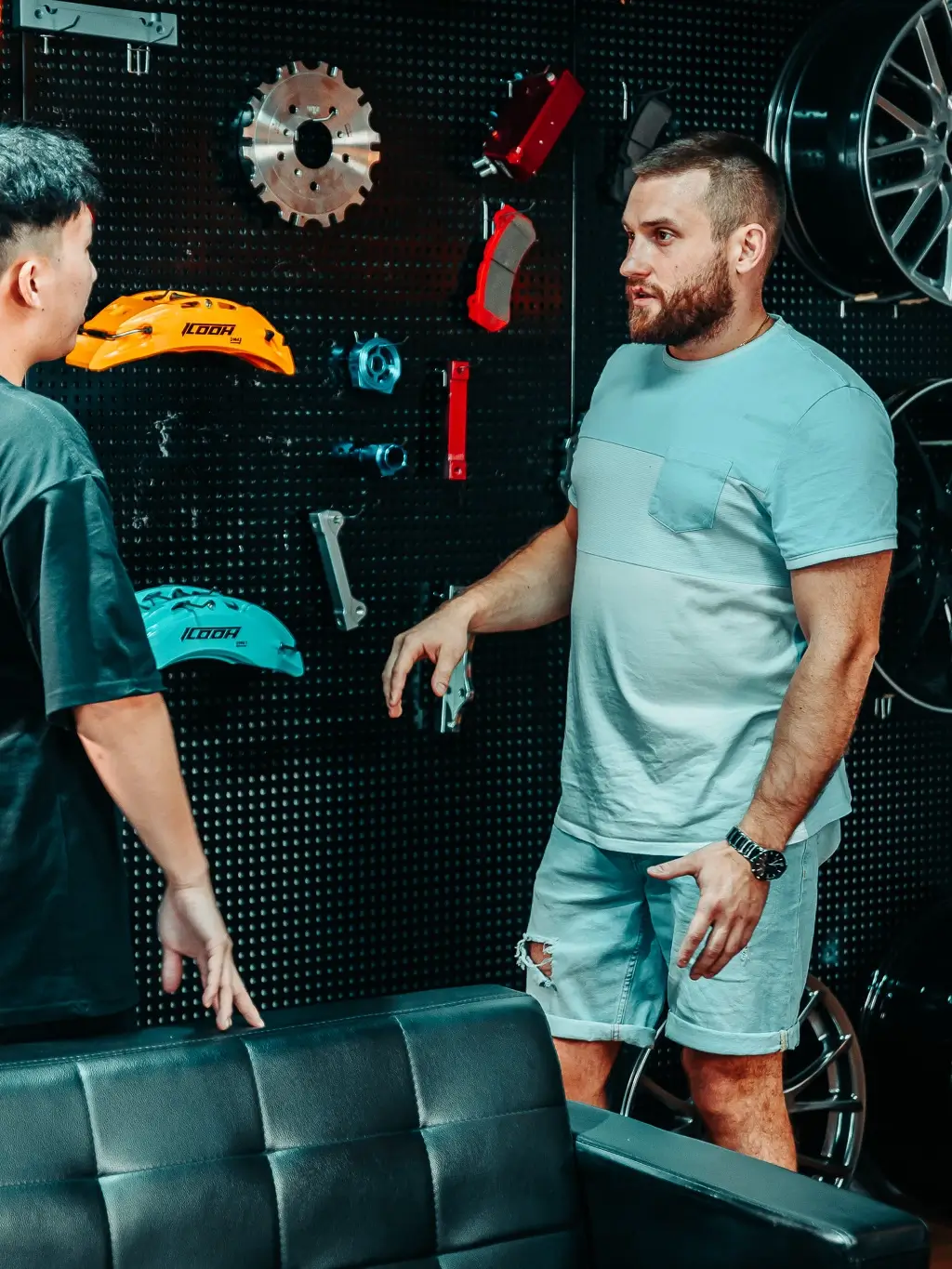
ICOOH provides vehicle-specific recommendations based on intended use, supplying detailed fitment data, wheel clearance checks, and pad/rotor options. For custom requirements—such as OEM partnership programs, distributor specifications, or unique vehicle modifications—ICOOH’s engineering team uses 3D scanning and simulation to design solutions that meet exacting standards.

Installation tips and post-install checks

After installation, follow these steps to ensure reliability and performance:

  • Bleed the brake system thoroughly and replace fluid if using track-oriented DOT 4/5.1 fluids.
  • Perform a controlled bedding-in process as recommended by pad manufacturers.
  • Check wheel torque and retorque after the first 50–100 miles.
  • Monitor pad and rotor temperatures during initial use to confirm cooling performance.

FAQ — Big Brake Kits

Q: Do I need new wheels if I install a big brake kit?

A: Not always, but many big brake kits require wheels with larger diameter or specific offsets. Check minimum wheel size and inner clearance specified by the kit manufacturer before purchase.

Q: Will a big brake kit increase stopping distance in everyday driving?

A: Properly matched kits with correct pads and fluid generally improve repeat stopping performance and reduce fade. For one-off emergency stops at cold temperatures, differences may be minimal—real benefit is in repeated heavy braking and heat management.

Q: How much maintenance do big brake kits require compared to OEM?

A: Performance pads and rotors for track use typically require more frequent inspection and replacement. Street-oriented kits with comfort-friendly pads have maintenance similar to OEM but may still require attention to bedding and fluid change intervals.

Q: Can big brake kits affect ABS or traction control systems?

A: Most high-quality kits are designed to integrate with ABS and traction control, but ensure the kit retains necessary sensors and signal paths. If significant changes to rotor diameter or tone ring geometry occur, additional sensor adaptations may be required.

Q: Are two-piece rotors better than one-piece?

A: Two-piece rotors (aluminum center with a cast iron ring) reduce unsprung mass and often improve thermal expansion behavior. They are usually more expensive but offer performance advantages for track and high-end street applications.

Contact us / View products

If you’re ready to upgrade or need personalized recommendations, contact ICOOH’s sales and engineering team for vehicle-specific advice and product options. Our specialists can confirm fitment, recommend pad compounds, and provide quotes for big brake kits, carbon fiber body kits, and forged wheel rims. To view product lines and technical specifications, reach out to our sales team or request a fitment report tailored to your vehicle.

Sources and references

  • How Brakes Work. HowStuffWorks—basic brake system explanation and components.
  • Brembo technical articles and product pages—information on rotor types, caliper design, and brake system integration.
  • StopTech product pages and fitment guides—examples of aftermarket brake kit configurations and fitment notes.
  • Independent automotive tests and reviews (Car and Driver, Auto Express)—real-world braking performance evaluations.
  • DOT and brake fluid specifications—manufacturer technical sheets for fluid boiling points and maintenance guidance.
Tags
F33 carbon fiber front hood
Chevrolet Corvette C8 hood
G80 carbon fiber rear trunk lid
BMW carbon fiber rear trunk lid
ford mustang carbon fiber rear luggage lid boot
BMW 1 Series carbon fiber hood
Recommended for you

Caliper Brake Pads Installation: Tips for Proper Bedding-In

Caliper Brake Pads Installation: Tips for Proper Bedding-In
How to Source and Install a Performance Brake Kit on a Budget: A Step-by-Step DIY Guide (2026 Edition) - ICOOH

How to Source and Install a Performance Brake Kit on a Budget: A Step-by-Step DIY Guide (2026 Edition)

How to Source and Install a Performance Brake Kit on a Budget: A Step-by-Step DIY Guide (2026 Edition)

Caliper Sizes Explained: Picking the Best Piston Diameter

Caliper Sizes Explained: Picking the Best Piston Diameter

How to Choose Brake Kits and Calipers for Your Vehicle

How to Choose Brake Kits and Calipers for Your Vehicle
You may also like
ic6 carbon ceramic brakes - ICOOH
ICOOH IC6 Carbon Ceramic Brake Kits | High Performance Braking System
SH-1 style  carbon fiber hood - ICOOH
Chevrolet Corvette C8 2020-2025 SH-1 style new carbon fiber front hood
IC4 gray brake kits - ICOOH
IC4 Four-piston brake caliper kit for 18 inches and above
Mustang hood main picture display - ICOOH
004 Style Carbon Fiber Fibre Front Bonnet Engine Hood for Ford Mustang 2018-2023

Explore More Automotive News

Subscribe to our newsletter for the latest tuning cases, technology trends, and industry analysis.

Name must not exceed 100 characters.
Invalid email format or length exceeds 100 characters. Please re-enter.
WhatsApp/Phone must not exceed 100 characters.
WhatsApp preferred for faster response.
Company Name must not exceed 100 characters.
Referral Code must not exceed 100 characters.
Blogger referral code (optional)
Please select How to use for
Content must not exceed 3000 characters.
Please enter your vehicle model, year, and tire size for product recommendations.
Contact customer service

Contact ICOOH

Have questions about our products or brand? Start a conversation with our team today.

×
Name must not exceed 100 characters.
Invalid email format or length exceeds 100 characters. Please re-enter.
WhatsApp/Phone must not exceed 100 characters.
WhatsApp preferred for faster response.
Company Name must not exceed 100 characters.
Referral Code must not exceed 100 characters.
Blogger referral code (optional)
Please select How to use for
Content must not exceed 3000 characters.
Please enter your vehicle model, year, and tire size for product recommendations.

Customize My Style

From colors to logo applications, explore options that make ICOOH products uniquely yours.

×
Name must not exceed 100 characters.
Invalid email format or length exceeds 100 characters. Please re-enter.
WhatsApp/Phone must not exceed 100 characters.
WhatsApp preferred for faster response.
Company Name must not exceed 100 characters.
Referral Code must not exceed 100 characters.
Blogger referral code (optional)
Please select How to use for
Content must not exceed 3000 characters.
Please enter your vehicle model, year, and tire size for product recommendations.

Request a Free Quote

Don’t miss out on competitive wholesale prices and OEM/ODM customization. Fill in your details now and receive a free quote within 24 hours—fast, accurate, and hassle-free.

×
Name must not exceed 100 characters.
Invalid email format or length exceeds 100 characters. Please re-enter.
WhatsApp/Phone must not exceed 100 characters.
WhatsApp preferred for faster response.
Company Name must not exceed 100 characters.
Referral Code must not exceed 100 characters.
Blogger referral code (optional)
Please select How to use for
Content must not exceed 3000 characters.
Please enter your vehicle model, year, and tire size for product recommendations.

Send My Request

Submit your details and vehicle information, and we'll provide you with a custom-tailored upgrade solution.

×
Name must not exceed 100 characters.
Invalid email format or length exceeds 100 characters. Please re-enter.
WhatsApp/Phone must not exceed 100 characters.
WhatsApp preferred for faster response.
Company Name must not exceed 100 characters.
Referral Code must not exceed 100 characters.
Blogger referral code (optional)
Please select How to use for
Content must not exceed 3000 characters.
Please enter your vehicle model, year, and tire size for product recommendations.