The Ultimate 2026 Car Brake Kit Buyer’s Guide: Stop Faster and Safer [Updated]

2026-03-19
author - ICOOH
Sam Chen
Explore our comprehensive 2026 guide on choosing the perfect car brake kit. Learn about thermal mass, piston ratios, and how upgrading your brakes enhances both safety and aesthetics.

When upgrading your vehicle, nothing is more critical to your safety than investing in a premium Car Brake Kit. As vehicles get heavier and faster in 2026, relying on outdated factory brakes can compromise your stopping power and overall driving experience. This comprehensive guide will walk you through everything you need to know about modern brake systems.

What is a Car Brake Kit and Why Does It Matter?

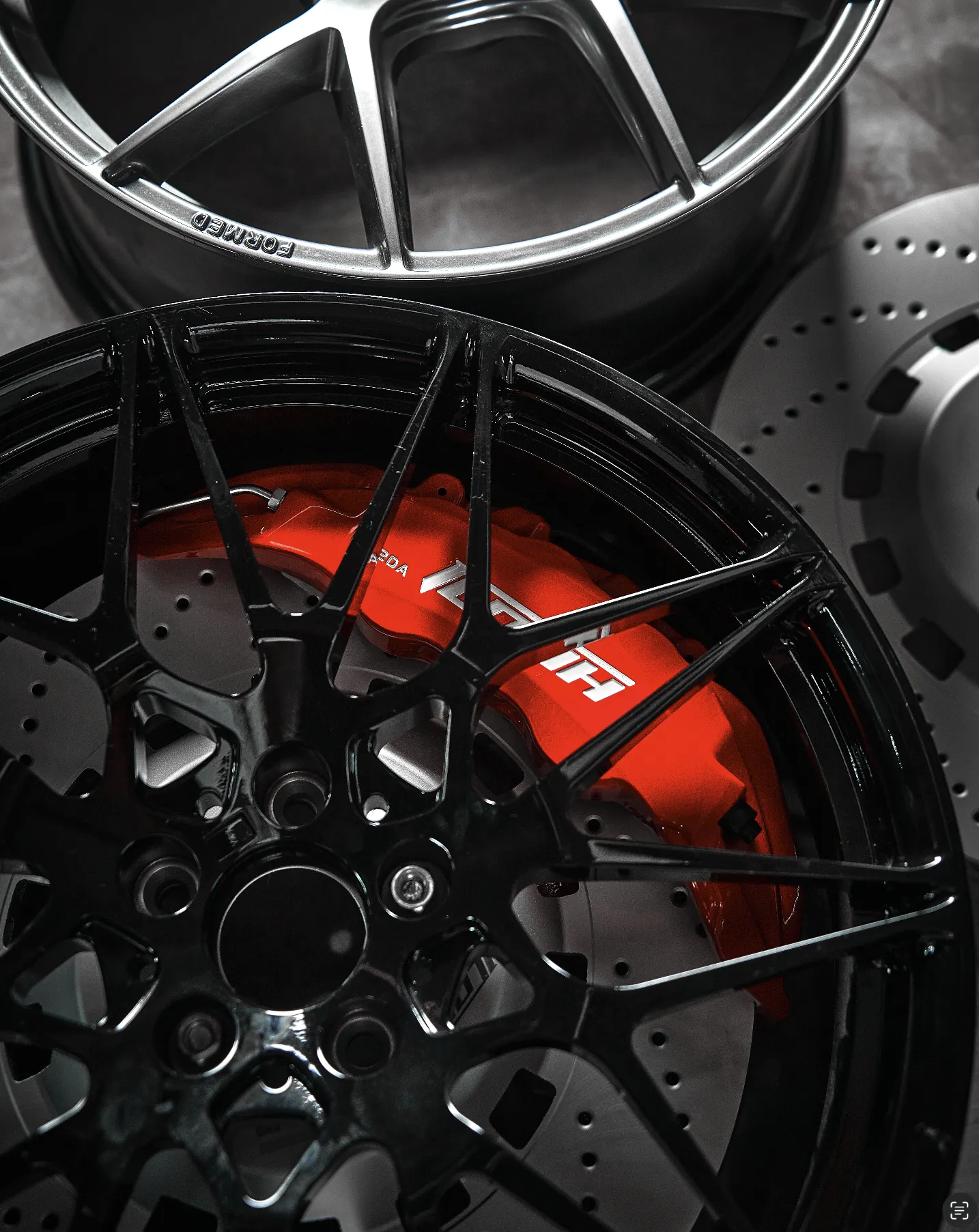
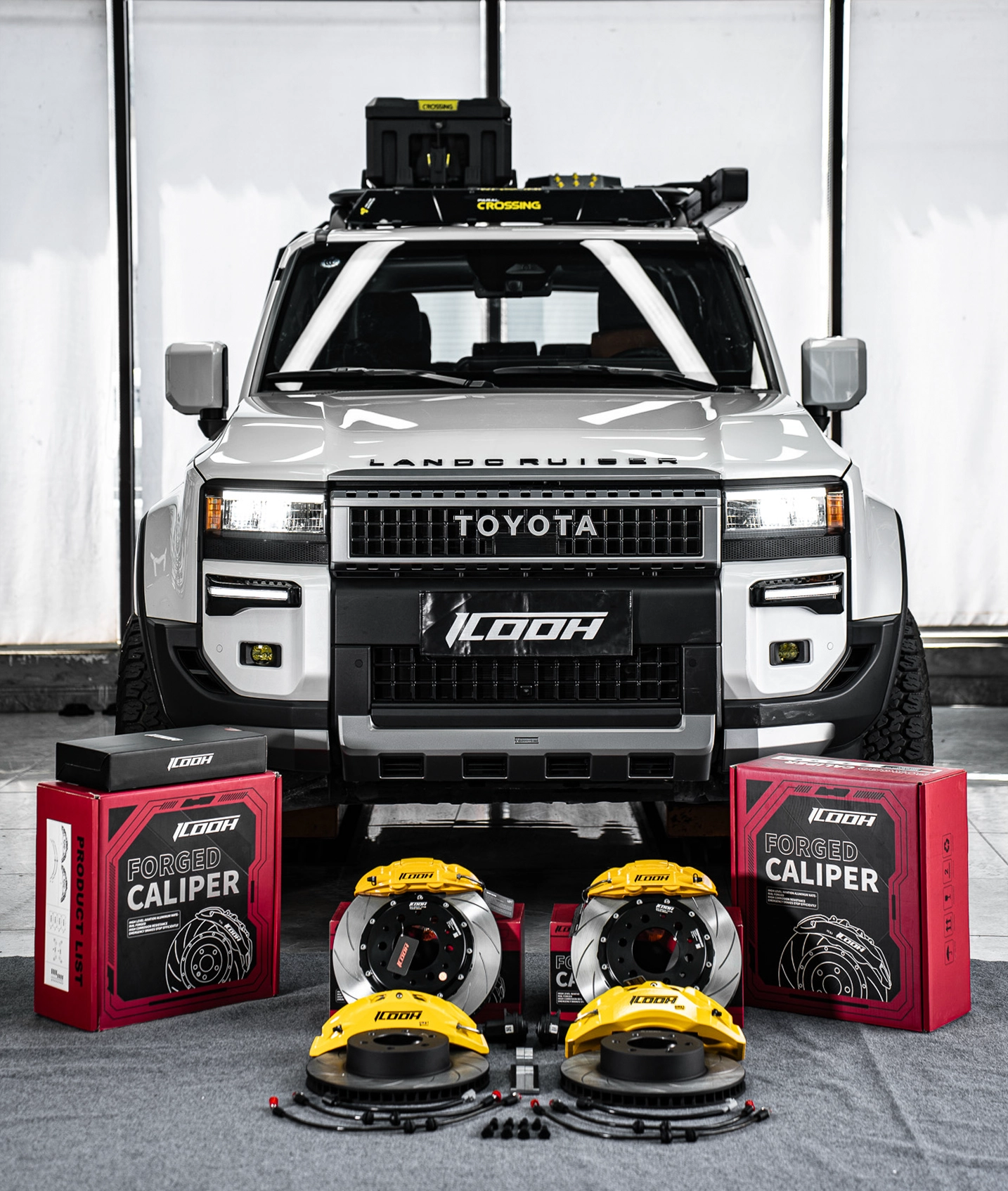
A professional studio shot of an ICOOH car brake kit including a red caliper and a drilled rotor.

A car brake kit is a comprehensive package containing all essential components—such as rotors, brake pads, calipers, and hardware—to replace or upgrade a vehicle's braking system, ensuring improved safety and reliable stopping power.

Upgrading to a performance brake upgrade matters because it significantly increases thermal mass, which allows the braking system to absorb and dissipate heat more effectively. This reduces brake fade under heavy loads. Whether you are navigating daily commuting traffic or participating in aggressive track days, matching the right brake kit to your vehicle ensures optimal stopping power and unwavering reliability.

Here are the primary reasons a modern brake kit upgrade matters in 2026:

  • Enhanced Heat Management: Larger rotors and advanced pad materials prevent the system from overheating.
  • Consistent Pedal Feel: High-quality components eliminate the spongy pedal sensation during repetitive stops.
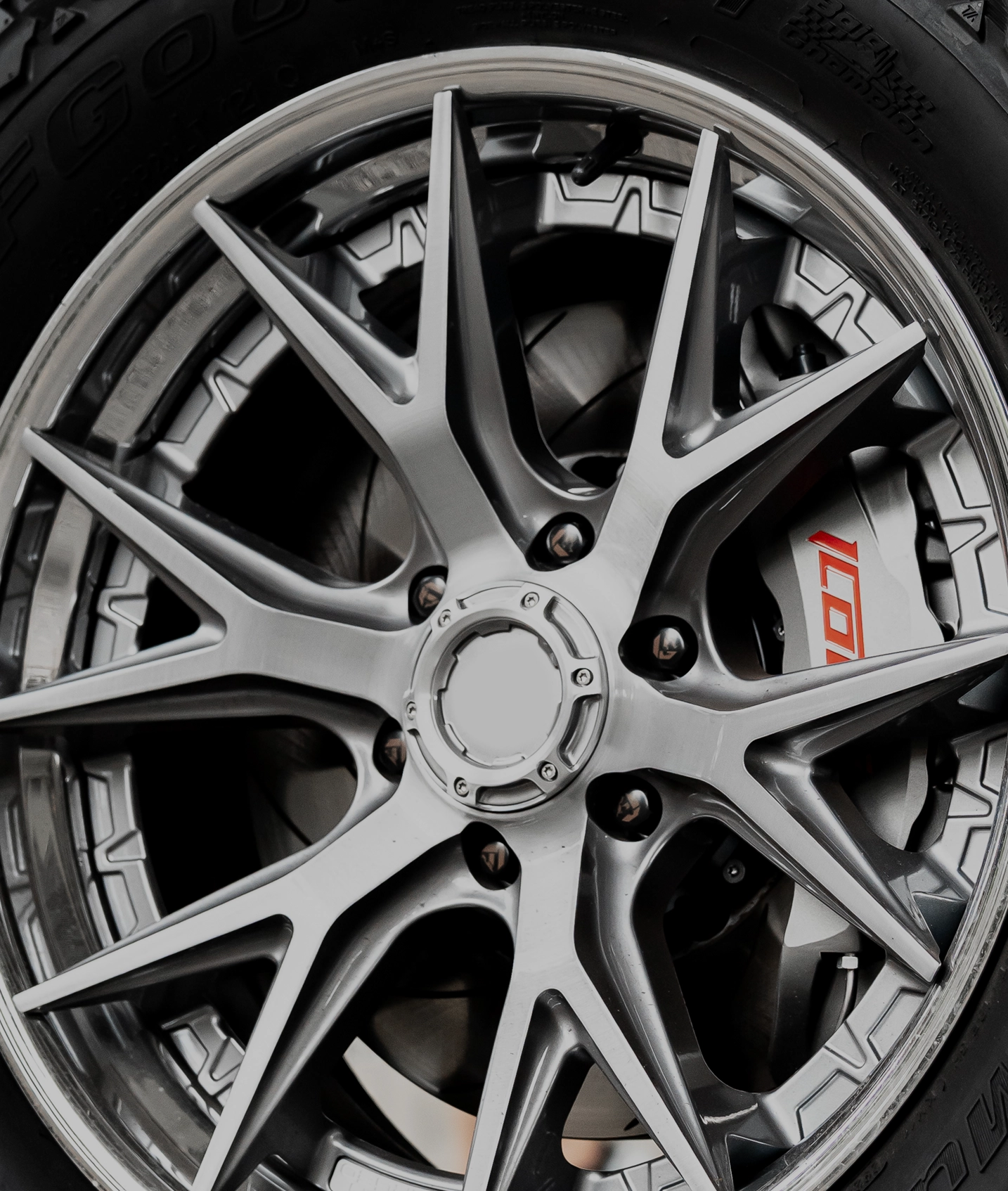
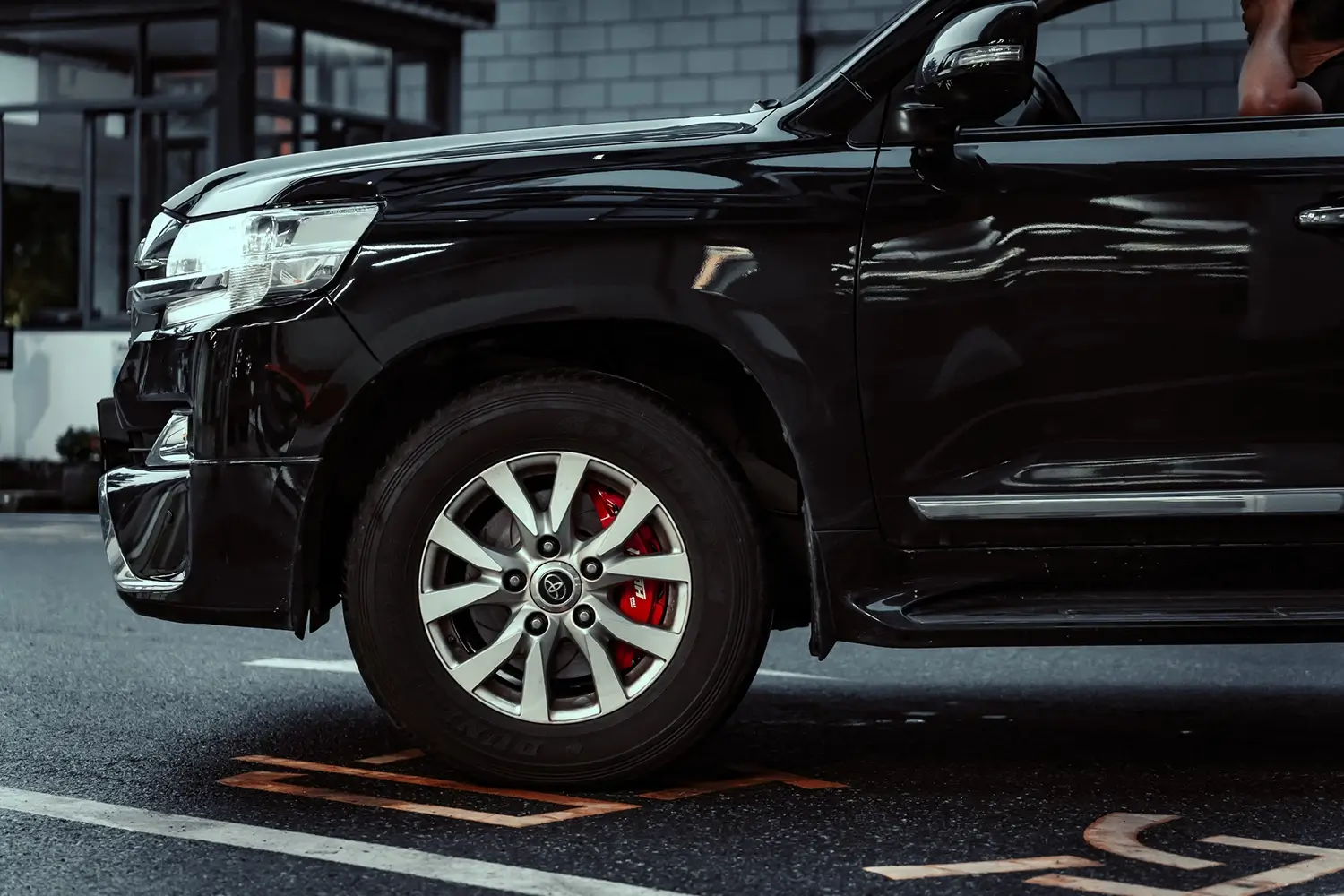
  • Improved Aesthetics: Upgraded kits visually complement aftermarket wheels and body modifications.

Quick Summary & Key Takeaways for 2026 Buyers

The critical takeaway for 2026 is that modern drivers must prioritize Big Brake Kits to handle the heavy weight of both ICE and EV vehicles, requiring careful matching of friction materials to specific driving habits.

The shift towards Big Brake Kits is dominating the market. Because modern electric vehicles (EVs) and hybrid cars carry massive battery packs, their increased curb weight puts extreme stress on standard brakes. Upgrading your system guarantees you maintain safe stopping margins. Furthermore, you must deeply understand your driving style: street driving typically requires low-dust ceramic pads, while track use demands high-temperature tolerant compounds. Finally, complete vehicle compatibility is paramount. Upgrading brakes without considering wheel rim clearance or aerodynamics can severely limit your performance gains.

  • Weight Compensation: Heavy EVs require larger rotors to stop safely.
  • Material Selection: Match your pad material to your actual daily driving needs.
  • Holistic Fitment: Ensure your wheels have the necessary inner barrel clearance.

The Anatomy of a High-Performance Brake System

The anatomy of a high-performance brake system consists of drilled and slotted rotors for cooling, carbon fiber ceramic pads for friction, and multi-piston monoblock calipers to apply even, powerful clamping force across the wheel.

Understanding how these parts work together is crucial, as reported by Wikipedia, which explains that hydraulically actuated disc brakes are the most commonly used mechanical device for slowing motor vehicles by squeezing pads against a rotating disc to create friction.

To break it down further, here are the core components:

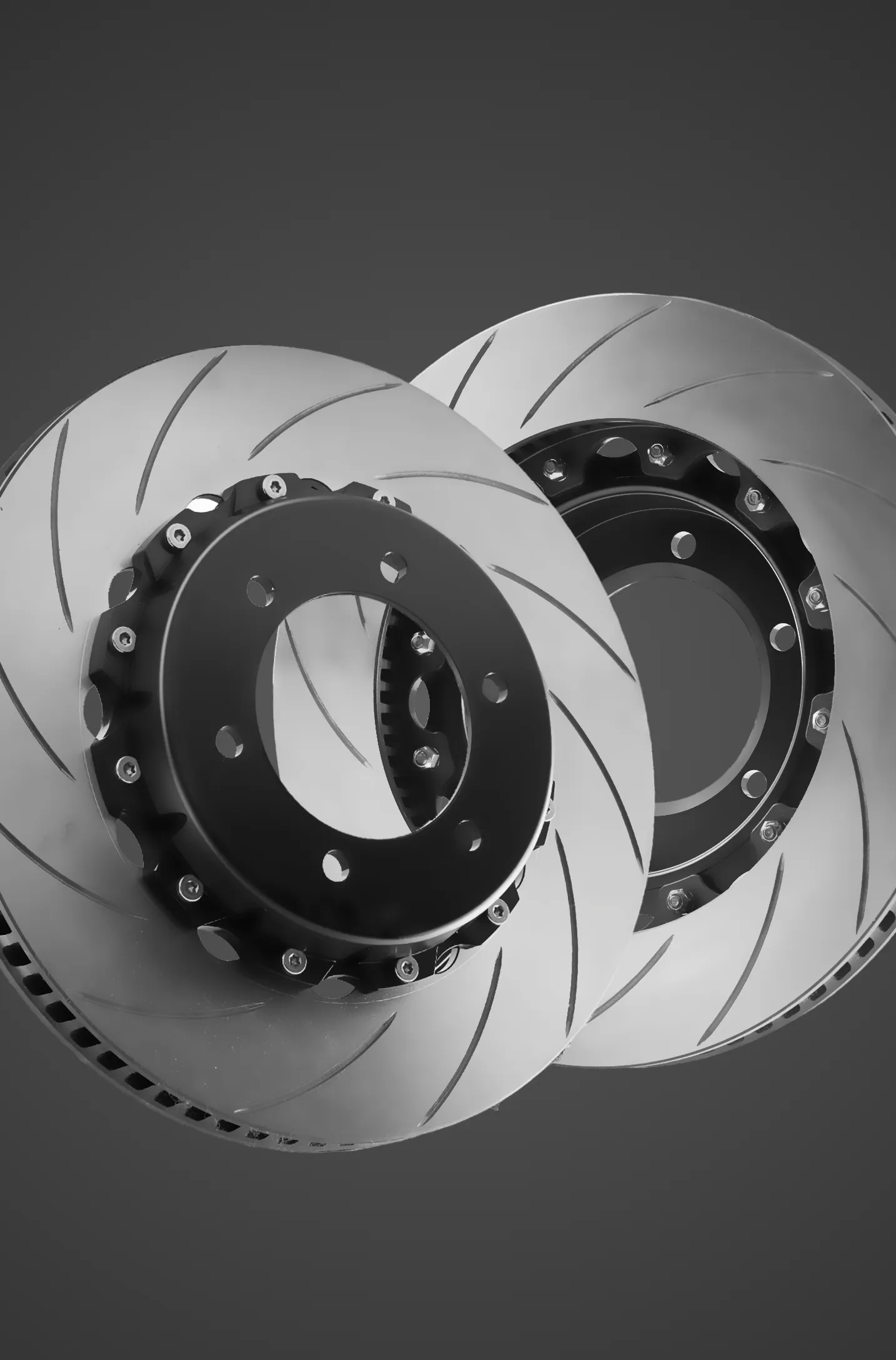
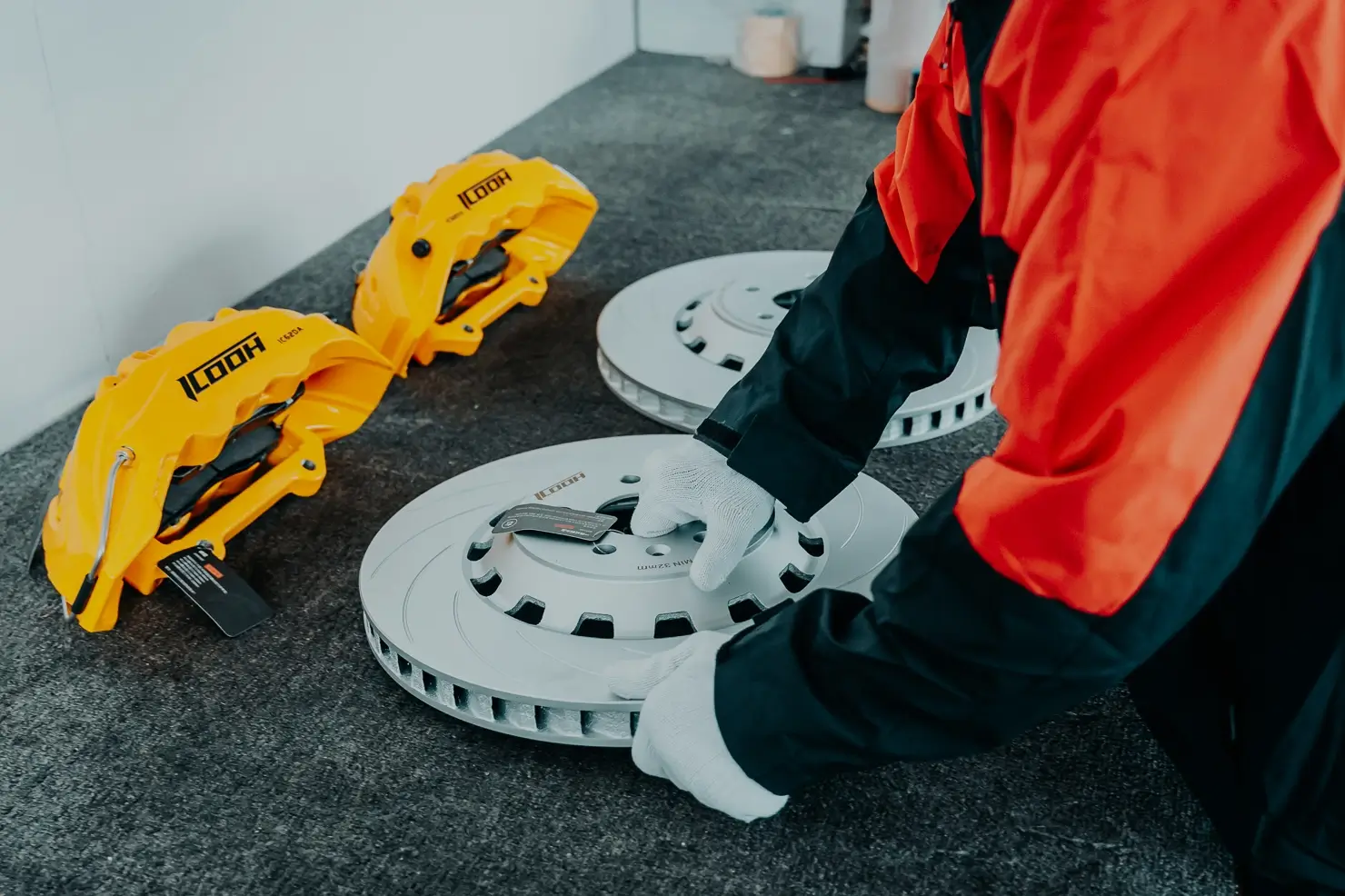
  1. Brake Rotors: These discs are squeezed by the pads to create friction. Drilled and slotted rotors are highly sought after because the holes allow hot gases to escape, while the slots wipe the pad surface clean of dust and debris.
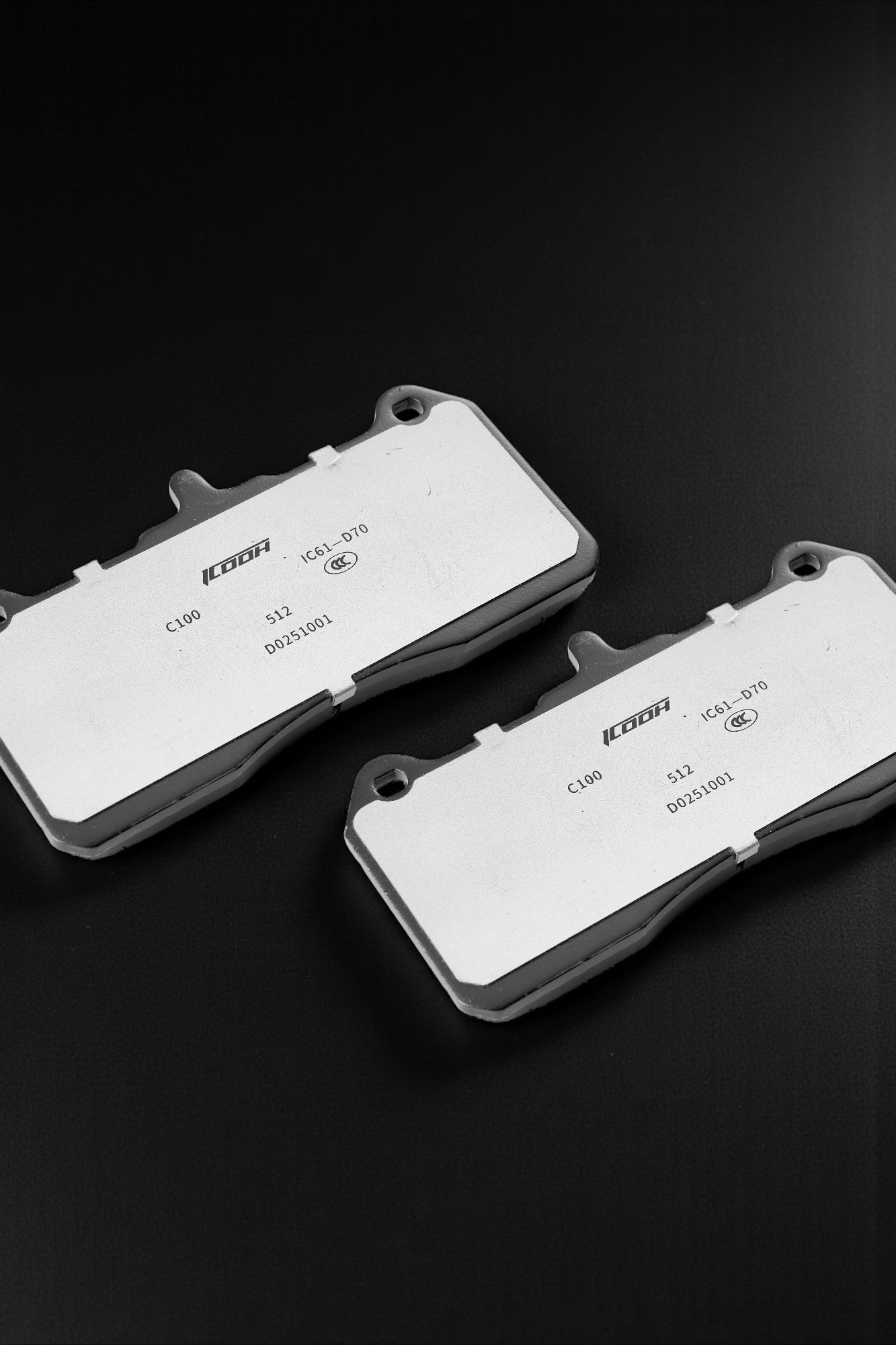
  2. Brake Pads: The friction material dictates performance. Carbon fiber ceramic pads are a top-tier choice in 2026 because they offer extreme durability, low dust, and quiet operation compared to traditional semi-metallic options.
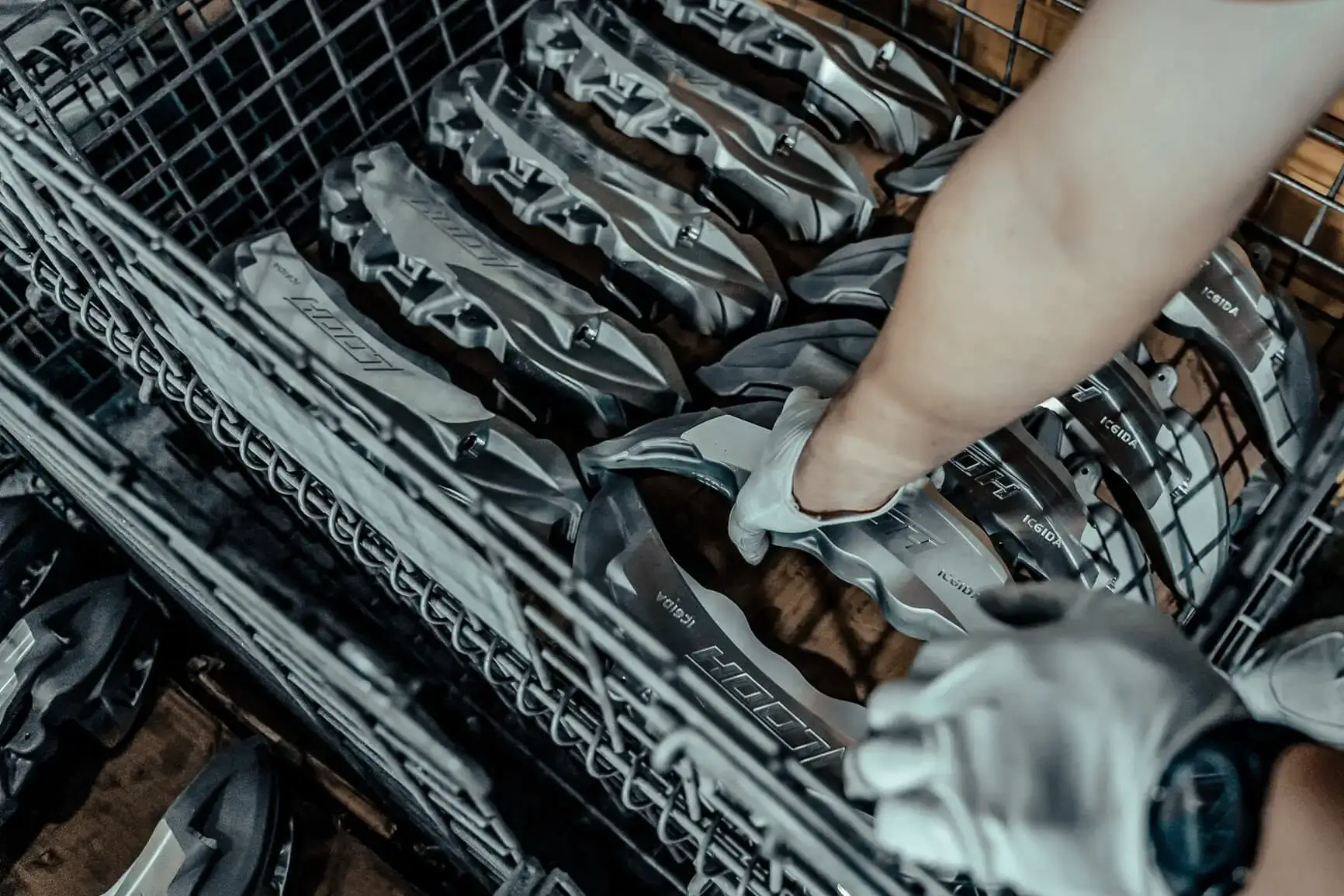
  3. Calipers: The engineering leap from standard single-piston sliding calipers to multi-piston forged monoblock calipers ensures that clamping force is evenly distributed, leading to superior brake modulation.
  4. Supporting Hardware: Stainless steel brake lines and specialized mounting brackets are essential for maintaining precise brake fluid pressure and structural rigidity.
Brake Rotor Type Best Use Case Heat Dissipation Structural Integrity
Solid/Blank Rotors Daily commuting Standard High
Drilled Rotors Street performance Excellent Moderate (Prone to stress cracks)
Slotted Rotors Track days & Heavy Towing Very Good High
Drilled and Slotted Aggressive street driving Excellent Moderate to High

Top 3 Mistakes People Make When Upgrading Brakes (Expert Tips)

The three most common mistakes when upgrading brakes are misunderstanding the relationship between thermal capacity and stopping distance, ignoring master cylinder compatibility, and prioritizing aesthetics over structurally sound engineering.

At Guangzhou Wantian Industrial Co., Ltd. (ICOOH), our engineers frequently encounter these misconceptions. Many drivers believe that simply bolting on bigger brakes will magically stop their car in a shorter distance. In reality, your tires determine your absolute shortest single-stop distance. The true power of a Big Brake Kit lies in its thermal capacity—its ability to prevent the loss of friction, commonly known as brake fade. This loss of stopping power, as reported by Wikipedia, is caused when the temperature reaches a critical point on the temperature-friction curve and gas builds up between the disc and pad.

Avoid these critical errors:

  • Misunderstanding Stopping Distance: Do not expect shorter single stops; expect consistent stops without fading over time.
  • Ignoring Master Cylinder Compatibility: Upgrading to massive 6-piston calipers without calculating the piston count ratio will lead to a dangerously spongy brake pedal.
  • Aesthetics Over Engineering: Buying cheap, flashy kits that lack 3D structural simulation puts you at risk of catastrophic component cracking under high stress.

2026 Trends: The Future of Braking Technology

A futuristic illustration of an EV braking system with a holographic ICOOH logo and high-tech components.

The future of 2026 braking technology is driven by the integration of lightweight, aerospace-grade materials to reduce unsprung weight, and the heavy use of advanced 3D modeling to accommodate modern, high-torque hybrid platforms.

As the automotive landscape rapidly evolves, the demands placed on a car brake kit are higher than ever. Manufacturers are abandoning heavy, cast-iron components in favor of advanced composites and forged alloys. This reduction in unsprung weight not only improves braking but dramatically enhances acceleration and suspension response.

Key trends defining 2026 include:

  • Aerospace Materials: Utilizing forged aluminum and carbon composites to shed unnecessary weight.
  • Advanced Simulation: 3D modeling and structural simulation are now standard in consumer-level manufacturing, ensuring parts can withstand extreme thermal shock.
  • EV Specific Engineering: Designing kits specifically to handle the instant torque and heavy curb weight of electric vehicles.

Why ICOOH Big Brake Kits Lead the 2026 Market

ICOOH leads the 2026 market because we leverage over 18 years of pioneering engineering experience, utilizing advanced 3D structural simulations to produce a performance brake upgrade that precisely fits over 99% of global vehicle models.

Founded in 2008, Guangzhou Wantian Industrial Co., Ltd. (ICOOH) has grown into a dominant force in the global automotive performance industry. We do not just sell parts; we engineer complete stopping solutions. Our R&D center is staffed with over 20 experienced engineers and designers who are dedicated to continuous innovation. By utilizing advanced 3D modeling, structural simulation, and aerodynamic analysis, we guarantee that every kit meets the highest standards of safety and power.

Why tuning brands and automotive distributors choose ICOOH:

  • Unmatched Compatibility: Our products seamlessly integrate with the OEM master cylinder, preserving factory pedal feel.
  • Precision Manufacturing: We deliver integrated solutions for both track performance and visual aesthetics.
  • Global Reach: Supplying top-tier braking components to tuning markets worldwide with an uncompromising dedication to quality.

Building the Ultimate Setup: Pairing ICOOH Brakes, Wheels, and Aero

Building the ultimate automotive setup requires seamlessly integrating a car brake kit with custom forged wheel rims and carbon fiber aero components, ensuring maximum caliper clearance, optimal aerodynamic cooling, and complete vehicle compatibility.

A brake upgrade shouldn't happen in a vacuum. At ICOOH, our strength lies in providing a holistic approach to vehicle modification. Installing massive monoblock calipers often requires larger, specifically designed wheels. How our forged rims are specifically engineered guarantees they provide maximum clearance and direct optimal airflow straight to the rotors for enhanced cooling.

Steps to achieving the perfect integrated setup:

  1. Select the Brake Kit: Choose the right rotor size and caliper piston count for your driving style.
  2. Match the Wheels: Pair the brakes with ICOOH forged wheel rims designed to clear the larger calipers without requiring dangerous spacers.
  3. Optimize Airflow: Utilize carbon fiber body kits to channel cold air directly into the wheel wells, maximizing brake cooling during high-speed driving.

Conclusion

A modern sports car parked safely on a mountain road with an ICOOH brand sign in the background.

Upgrading your braking system requires a holistic understanding of thermal mass, piston ratios, and complete vehicle compatibility to ensure you can stop safely and efficiently under any driving condition.

Investing in precision-engineered solutions ensures you not only stop faster and safer but elevate the entire aesthetic of your vehicle. Moving beyond basic replacements to a complete Big Brake Kit protects your vehicle against dangerous brake fade, while seamlessly integrating with your car's specific mechanical profile. Whether you are driving a lightweight sports car or a heavy modern EV, upgrading your brakes is the most critical performance decision you can make in 2026.

Contact us today to optimize your Car Brake Kit strategy.

FAQs About Car Brake Kit

How much does it cost to install a car brake kit?

The cost varies widely depending on the kit type; standard replacements may cost $300-$600, while high-performance Big Brake Kits can range from $1,500 to over $4,000. Labor costs typically add $200 to $500 depending on the complexity of the installation and shop rates.

Are big brake kits worth the money for daily driving?

For strictly standard daily driving, a big brake kit may be overkill; however, they provide unmatched safety margins, better pedal feel, and superior aesthetics. If you frequently drive in heavy stop-and-go traffic, tow heavy loads, or drive aggressively, the heat dissipation benefits make them highly worthwhile.

What is the difference between drilled and slotted rotors?

Drilled rotors have holes through the disc to maximize heat and water dissipation, though they can be prone to cracking under extreme racing stress. Slotted rotors feature grooves that wipe the brake pad clean of dust and gases, offering enhanced durability for track days and heavy towing.

How do I know if a brake kit will fit my specific vehicle model?

Fitment is determined by the vehicle's year, make, model, and specifically the wheel barrel clearance. Premium manufacturers like ICOOH provide kits covering 99% of vehicle models, utilizing 3D modeling to guarantee precise bolt-on fitment without extensive modifications.

Do performance brake kits reduce stopping distance?

Your tires primarily determine single-stop distance; however, performance brake kits prevent 'brake fade'. By managing heat better, they ensure your vehicle maintains its shortest possible stopping distance repeatedly, even after multiple heavy braking events.

How long do performance carbon-ceramic brake pads last?

Under normal driving conditions, high-quality carbon-ceramic pads can last between 50,000 to 70,000 miles. They offer the added benefits of producing significantly less brake dust and operating quietly compared to aggressive semi-metallic track pads.

Can I install a car brake kit myself or do I need a professional?

Experienced DIY mechanics can install bolt-on brake kits with proper tools and a torque wrench. However, because brakes are a critical safety component and the system must be properly bled of air, professional installation is highly recommended for most drivers.

Will upgrading my calipers affect my car's master cylinder?

It can if the piston volume of the new calipers is vastly different from the OEM calipers, which can result in a soft pedal feel. Top-tier kits are engineered to maintain the correct brake bias and fluid volume ratios to work perfectly with your factory master cylinder.

Tags
big brake caliper kit
brake caliper kit for 18 inches and above
chevrolet corvette 2022 style front hood
Front Wheel Caliper Kits
6-piston high performance caliper kit
big brake kit calipers
You may also like
ic6 carbon ceramic brakes - ICOOH
ICOOH IC6 Carbon Ceramic Brake Kits | High Performance Braking System
SH-1 style  carbon fiber hood - ICOOH
Chevrolet Corvette C8 2020-2025 SH-1 style new carbon fiber front hood
IC4 gray brake kits - ICOOH
IC4 Four-piston brake caliper kit for 18 inches and above
Mustang hood main picture display - ICOOH
004 Style Carbon Fiber Fibre Front Bonnet Engine Hood for Ford Mustang 2018-2023

Explore More Automotive News

Subscribe to our newsletter for the latest tuning cases, technology trends, and industry analysis.

Name must not exceed 100 characters.
Invalid email format or length exceeds 100 characters. Please re-enter.
WhatsApp/Phone must not exceed 100 characters.
WhatsApp preferred for faster response.
Company Name must not exceed 100 characters.
Referral Code must not exceed 100 characters.
Blogger referral code (optional)
Please select How to use for
Content must not exceed 3000 characters.
Please enter your vehicle model, year, and tire size for product recommendations.
Contact customer service

Contact ICOOH

Have questions about our products or brand? Start a conversation with our team today.

×
Name must not exceed 100 characters.
Invalid email format or length exceeds 100 characters. Please re-enter.
WhatsApp/Phone must not exceed 100 characters.
WhatsApp preferred for faster response.
Company Name must not exceed 100 characters.
Referral Code must not exceed 100 characters.
Blogger referral code (optional)
Please select How to use for
Content must not exceed 3000 characters.
Please enter your vehicle model, year, and tire size for product recommendations.

Customize My Style

From colors to logo applications, explore options that make ICOOH products uniquely yours.

×
Name must not exceed 100 characters.
Invalid email format or length exceeds 100 characters. Please re-enter.
WhatsApp/Phone must not exceed 100 characters.
WhatsApp preferred for faster response.
Company Name must not exceed 100 characters.
Referral Code must not exceed 100 characters.
Blogger referral code (optional)
Please select How to use for
Content must not exceed 3000 characters.
Please enter your vehicle model, year, and tire size for product recommendations.

Request a Free Quote

Don’t miss out on competitive wholesale prices and OEM/ODM customization. Fill in your details now and receive a free quote within 24 hours—fast, accurate, and hassle-free.

×
Name must not exceed 100 characters.
Invalid email format or length exceeds 100 characters. Please re-enter.
WhatsApp/Phone must not exceed 100 characters.
WhatsApp preferred for faster response.
Company Name must not exceed 100 characters.
Referral Code must not exceed 100 characters.
Blogger referral code (optional)
Please select How to use for
Content must not exceed 3000 characters.
Please enter your vehicle model, year, and tire size for product recommendations.

Send My Request

Submit your details and vehicle information, and we'll provide you with a custom-tailored upgrade solution.

×
Name must not exceed 100 characters.
Invalid email format or length exceeds 100 characters. Please re-enter.
WhatsApp/Phone must not exceed 100 characters.
WhatsApp preferred for faster response.
Company Name must not exceed 100 characters.
Referral Code must not exceed 100 characters.
Blogger referral code (optional)
Please select How to use for
Content must not exceed 3000 characters.
Please enter your vehicle model, year, and tire size for product recommendations.