













Supply Chain Tips: Sourcing Performance Brakes for Mercedes
- Optimizing Sourcing for High-Performance Brake Systems
- Introduction: Why sourcing Big Brake Kits for benz requires a different approach
- Understanding fitment complexity and OEM constraints for Big Brake Kits for benz
- Selecting materials: Iron vs carbon-ceramic for Big Brake Kits for benz
- Supplier qualification: certifications and quality systems for Big Brake Kits for benz
- Testing & validation: performance, durability and regulatory testing
- Logistics & lead time strategies for Big Brake Kits for benz
- Cost management: unit cost, tooling, MOQ and total cost of ownership
- Risk management: counterfeit parts, traceability, and aftersales support for Big Brake Kits for benz
- Why partner with ICOOH for Big Brake Kits for benz
- Implementation checklist and sample RFQ items for Big Brake Kits for benz
- Conclusion & call to action
- FAQs — Frequently Asked Questions about Sourcing Big Brake Kits for benz
- Q1: What certifications should I require from a big brake kit supplier for Mercedes vehicles?
- Q2: How do carbon-ceramic rotors compare to iron rotors for Mercedes street and track use?
- Q3: What are common pitfalls when sourcing big brake kits for Mercedes models?
- Q4: How can I reduce lead times and inventory costs for brake kits?
- Q5: What testing should be included in the validation plan before a commercial launch?
- Q6: How do I protect my supply chain from counterfeit or substandard parts?
- References
Optimizing Sourcing for High-Performance Brake Systems
Introduction: Why sourcing Big Brake Kits for benz requires a different approach
Sourcing Big Brake Kits for benz is not the same as buying generic aftermarket parts. Mercedes vehicles span a wide range of models, each with exacting fitment, electronic integration (ABS/ESP sensor compatibility), and performance expectations. Procurement teams must balance regulatory compliance, material selection, production capability, and supply-chain resilience to deliver kits that meet both safety and customer expectations.
Understanding fitment complexity and OEM constraints for Big Brake Kits for benz
Mercedes-Benz vehicles have tightly engineered wheel wells, hub geometries, and electronic control systems. A successful big brake kit must address:
- Mechanical fitment—rotor diameter, caliper clearance, and hub mounting interfaces;
- Brake-by-wire/electronic compatibility—sensor placement and signal integration;
- Heat management—venting and materials to avoid thermal fade under track use;
- Wheel fitment—ensuring enough backspacing and spoke clearance for larger calipers.
Procurement teams should request CAD models or OEM hub drawings during RFQ stage and validate supplier ability to deliver vehicle-specific adapters, hats, and anti-rattle hardware. Including the keyword Big Brake Kits for benz in RFQs helps ensure suppliers target Mercedes-compatible solutions.
Selecting materials: Iron vs carbon-ceramic for Big Brake Kits for benz
Material choice drives performance, cost, and customer expectations. Understanding trade-offs early prevents supply surprises and ensures procurement aligns with market positioning.
| Characteristic | Cast/Signed Gray Iron Rotors | Carbon-Ceramic Rotors |
|---|---|---|
| Thermal capacity | Good for most road and club track use | Excellent—sustains higher temperatures with less fade |
| Weight | Heavier | Significantly lighter—improves unsprung mass |
| Cost | Lower—easier to scale | High—material and processing intensive |
| Durability (street) | Very good—predictable wear | Excellent long-term, but can be brittle under certain misuse |
| Supply complexity | Commodity supply chain | Specialized suppliers, longer lead times |
Sources: Brembo product literature and engineering summaries on carbon-ceramic technology (see references).
Supplier qualification: certifications and quality systems for Big Brake Kits for benz
Quality and compliance start with selecting suppliers certified to the right standards. Required and recommended checks include:
- IATF 16949 (automotive quality management) as a baseline for mass-market and OEM-grade suppliers;
- ISO 9001 and specific material certifications for raw aluminum, stainless or iron materials;
- Regulatory compliance such as UNECE R90 (brake replacement parts), and national homologation rules where applicable;
- Production controls like PPAP (Production Part Approval Process) and FIRST ARTICLE INSPECTION (FAI);
- Supplier factory audits (onsite or remote), capability to provide metallurgical test reports, and NDT processes (mag particle, dye penetrant) for critical caliper and rotor components.
Requiring these standards in RFQs reduces the risk of late-stage rejections and helps ensure long-term availability for Big Brake Kits for benz.
Testing & validation: performance, durability and regulatory testing
Testing should be staged and tied to commercial milestones:
- Prototype fitment using CAD and physical mock-ups to confirm mounting and wheel clearance;
- Dyno and vehicle-level brake tests for stopping distance, thermal runaway, and fade curves under defined protocols (repeatable cycles to simulate track use);
- Endurance tests: high-cycle thermal fatigue, pad/rotor wear rate measurement, and caliper piston seal longevity tests;
- Environmental testing: salt spray, corrosion resistance, and temperature cycling for coatings and aluminum components;
- Regulatory/market-specific tests (ECE R90 or FMVSS equivalence) where required for replacement components.
Documented evidence (test reports, video logs, telemetry) during validation simplifies product launches and supports marketing claims for Big Brake Kits for benz.
Logistics & lead time strategies for Big Brake Kits for benz
Brake kits combine precision-machined calipers, rotors, pads, hats/adapters, and hardware—each may come from different suppliers. To optimize supply continuity:
- Map the bill-of-materials (BOM) and lead time per component. Capture supplier lead time, capacity, and alternate sources;
- Use strategic buffers for long-lead items (carbon-ceramic rotors, custom aluminum hats). Consider safety stock or contract inventory at 3PL;
- Apply centralized shipping for kits where possible to avoid customs delays and ensure consistent packaging and kitting quality;
- Evaluate freight options—air for samples and critical replenishment, sea for production volumes—build reorder point models tied to sales forecasts and seasonal demand (track seasonality);
- Use vendor-managed inventory (VMI) for high-volume SKUs to reduce internal handling and avoid stockouts.
| Scenario | Lead Time | Mitigation |
|---|---|---|
| Standard iron rotor kits | 8–12 weeks | Local stocking, multiple casting sources |
| Carbon-ceramic kits | 16–28 weeks | Advance orders, scheduled production runs, High Quality freight for urgent demand |
| Custom-painted or forged calipers | 12–20 weeks | Standardize color options, batch painting |
Cost management: unit cost, tooling, MOQ and total cost of ownership
Price per kit is only part of the story. Include tooling amortization, quality rework rates, shipping, and warranty reserves when evaluating supplier quotes. Negotiation levers include:
- MOQ vs. tooling amortization—higher MOQ typically lowers unit cost but increases working capital;
- Design for manufacturability (DFM)—modest design changes can reduce machining cycles or simplify assembly;
- Kitting and assembly location—final assembly nearer to market can reduce shipping of bulky rotor/hardware combos and lower duties;
- Volume price breaks and long-term contracts with defined revision/change protocols;
- Warranty terms based on return materials analysis (RMA) process to discourage misuse claims and track failure modes.
Risk management: counterfeit parts, traceability, and aftersales support for Big Brake Kits for benz
Brakes are safety-critical. Protect ICOOH and end-users by implementing:
- Traceability: laser-etched serial numbers, QR codes linking to production batch and test reports;
- Anti-counterfeit measures: tamper-evident packaging, holograms, and authorized dealer programs;
- Warranty portals and clear installation instructions to reduce warranty claims due to improper fitment;
- Post-market surveillance: monitor field failures, track warranty rates per batch, and maintain RMA turnaround SLA;
- Insurance and recall contingency planning—define trigger thresholds for recalls and corrective actions.
Why partner with ICOOH for Big Brake Kits for benz
Founded in 2008, ICOOH has grown into a pioneering force in the global automotive performance and modification industry. As a professional performance car parts manufacturer, we specialize in developing, producing, and exporting big brake kits, carbon fiber body kits, and forged wheel rims—delivering integrated solutions for both performance and aesthetics.
ICOOH’s strength lies in complete vehicle compatibility and powerful in-house design and R&D capabilities. Our products cover more than 99% of vehicle models worldwide, providing precise fitment and exceptional performance. Whether you are a tuning brand, automotive distributor, or OEM partner, ICOOH delivers solutions tailored to your market needs.
Our R&D center is staffed with over 20 experienced engineers and designers dedicated to continuous innovation. Utilizing 3D modeling, structural simulation, and aerodynamic analysis, we ensure every product meets the highest performance and design standards. At ICOOH, our mission is to redefine automotive performance and aesthetics through precision engineering and creative innovation.
What this means for procurement teams sourcing Big Brake Kits for benz:
- High fitment coverage—reduced design cycles and fewer custom adapters;
- Strong in-house engineering—quicker prototype iterations and validated CAD packages for RFQ;
- Comprehensive manufacturing—caliper machining, rotor blanks, coating, and assembly under one quality system for traceability;
- Flexible production—ability to support small series for boutique tuners and larger volumes for distributors or OEM channels.
Implementation checklist and sample RFQ items for Big Brake Kits for benz
Use this checklist when issuing RFQs and qualifying suppliers:
- Vehicle application list (VIN ranges, suspension variants);
- Required service life or mileage target (e.g., 40,000 km street life);
- Material specification (iron grade, carbon-ceramic spec, caliper aluminum alloy);
- Required certifications (IATF 16949, ISO 9001, ECE R90);
- Sample requests: prototype (1), pre-production (5), PPAP samples (quantity per part);
- Validation tests required: dyno stopping test protocol, thermal fatigue cycles, corrosion tests;
- Packaging and labeling requirements with traceability codes and installation instructions;
- MOQ, tooling cost, lead time, and penalty clauses for late delivery;
- Warranty terms, RMA process, and expected failure analysis turnaround;
- Preferred logistics route and incoterms (e.g., DDP or EXW depending on responsibility).
Conclusion & call to action
Sourcing Big Brake Kits for benz demands a deliberate, engineering-led procurement approach: verify fitment, insist on automotive-grade quality systems, plan for long lead items, and implement traceability. For teams looking to reduce time-to-market and mitigate supply risk, partnering with experienced manufacturers who combine R&D, production breadth, and global fitment coverage is crucial.
If you’re evaluating suppliers for Mercedes-focused performance brake programs or need detailed RFQ templates and fitment CAD, contact ICOOH to review product options and engineering capabilities. Explore ICOOH’s big brake kits, carbon fiber body kits, and forged wheel rims tailored for Mercedes applications—reach out for catalogues, CAD files, and sample requests.
FAQs — Frequently Asked Questions about Sourcing Big Brake Kits for benz
Q1: What certifications should I require from a big brake kit supplier for Mercedes vehicles?
A1: At minimum require IATF 16949 or ISO 9001 for quality systems, material certificates for alloys, and documentation showing compliance or equivalence to local brake part regulations (e.g., UNECE R90 for Europe). Also require PPAP deliverables and first-article inspection reports.
Q2: How do carbon-ceramic rotors compare to iron rotors for Mercedes street and track use?
A2: Carbon-ceramic rotors offer significantly reduced unsprung weight and superior high-temperature performance with less fade, but they are more expensive, have longer lead times, and require careful handling. For mixed street/track use, consider customer expectations and cost-to-benefit when selecting materials.
Q3: What are common pitfalls when sourcing big brake kits for Mercedes models?
A3: Common pitfalls include inadequate fitment verification (leading to wheel interference), underestimating lead time for specialty components, accepting suppliers without automotive certifications, and ignoring electronic sensor integration requirements for modern Mercedes models.
Q4: How can I reduce lead times and inventory costs for brake kits?
A4: Use vendor-managed inventory for high-turn SKUs, consolidate kitting/assembly closer to key markets, negotiate scheduled production runs with suppliers, and maintain strategic buffers for long-lead items like carbon-ceramic rotors.
Q5: What testing should be included in the validation plan before a commercial launch?
A5: Include fitment verification, dyno and vehicle brake performance testing, thermal fatigue cycling, wear rate measurement, corrosion/environmental testing, and a field pilot phase to capture real-world performance and installation feedback.
Q6: How do I protect my supply chain from counterfeit or substandard parts?
A6: Implement a traceability system (serial/QR codes), conduct supplier audits, require batch test reports, use tamper-evident packaging, and maintain authorized dealer networks. Rapid RMA and field analysis capabilities help identify and isolate issues early.
Contact ICOOH for product catalogs, CAD files, sample orders, and RFQ templates tailored to Big Brake Kits for benz. Email sales@icooh.com or visit our product pages to view compatibility and request technical documents.
References
- UNECE — Regulation No. 90 (R90) on replacement brake discs and pads: https://unece.org/ (Accessed 2024-06-01)
- IATF Global Oversight — IATF 16949 information: https://www.iatfglobaloversight.org/ (Accessed 2024-06-01)
- Brembo — Technical information on brake technologies and carbon-ceramic systems: https://www.brembo.com/ (Accessed 2024-05-25)
- Wikipedia — Carbon–ceramic brake: https://en.wikipedia.org/wiki/Carbon%E2%80%93ceramic_brake (Accessed 2024-06-01)
- Grand View Research — Automotive Aftermarket Market Overview (industry report summary): https://www.grandviewresearch.com/industry-analysis/automotive-aftermarket-market (Accessed 2024-03-10)
- AIAG — Production Part Approval Process (PPAP) guidance: https://www.aiag.org/ (Accessed 2024-06-01)
Maintaining Big Brake Kits: Pads, Rotors and Fluid
Top 10 performance car parts Manufacturers and Supplier Brands in Asia
B2B Guide: Selecting Compatible Big Brake Kits for Benz Models
Cost & Margin Analysis for Selling Big Brake Kits
About Company
OEM service?
We have a professional R&D team of engineers who can provide and design products for you.
About Products
Are your products compliant with EU/US safety?
ICOOH’s products adhere to strict international safety standards.
Racing Vehicles
Do you offer customized services?
We can customize the caliper, disc, and friction pad combination based on the vehicle type, event type, and driving style.
Daily Modified Vehicles
Will this affect daily driving comfort?
High-performance friction pads and lightweight design combine daily comfort with high performance, providing smoother braking.
About After Sales Support
Customer Feedback & Improvement
Feedback Channel:A special feedback form is available on our official website; customers can submit suggestions on product quality, service experience, or functional needs.
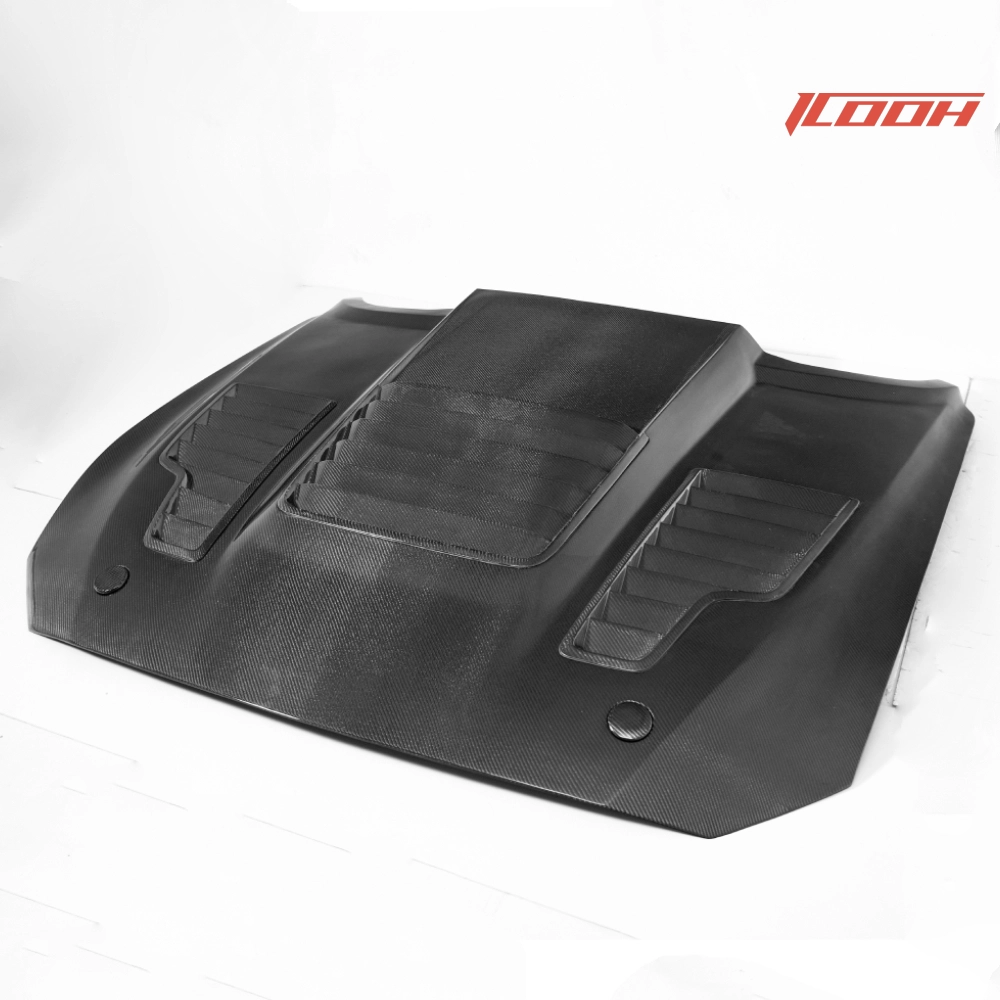
005 Ford Mustang 2018-2023 S550 Exhaust-style Carbon Fiber Front Hood
005 style Carbon Fiber Front Bonnet Engine Hood for Ford Mustang 2018-2023. made of durable carbon fiber material, precision-engineered for OEM-matched fitment. Lightweight and strong, enhances performance while maintaining a sporty aesthetic. Suitable for aftermarket replacement or performance upgrade with 100% tested quality assurance.
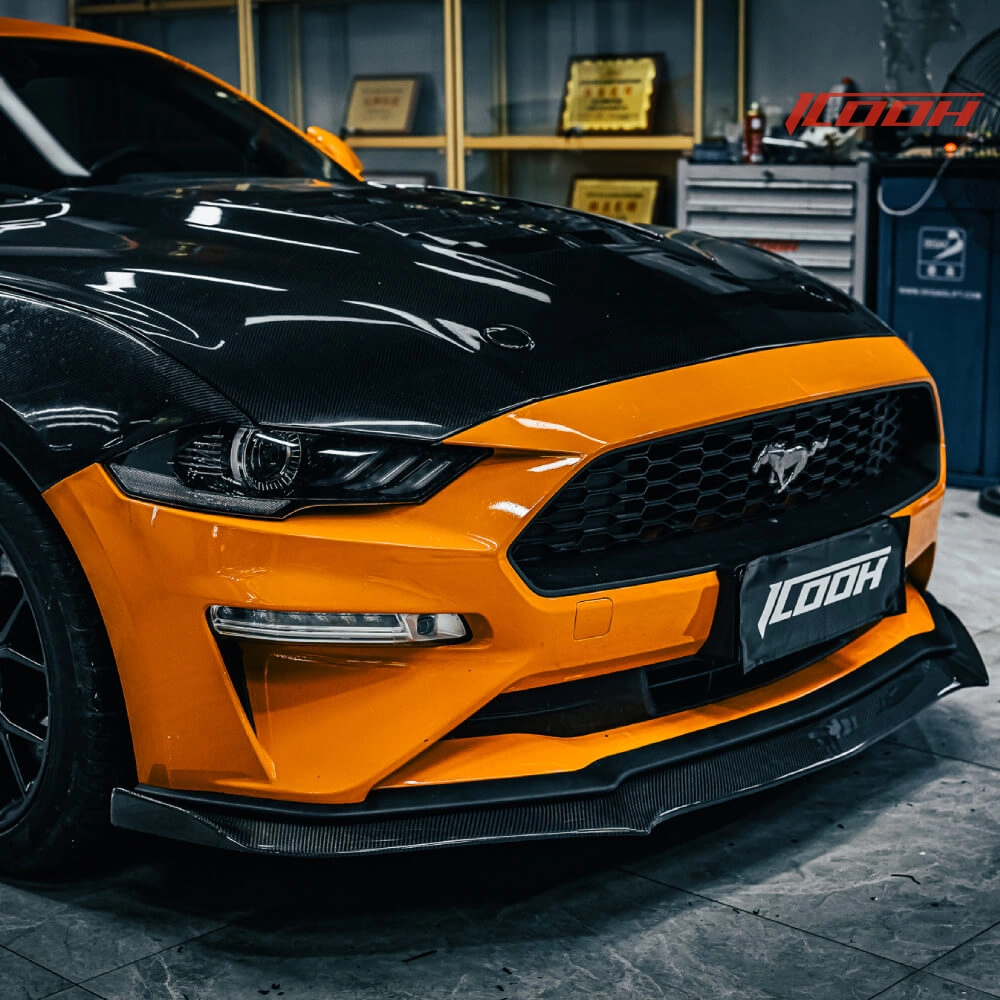
GT350 Ford Mustang 2018-2023 Carbon Fiber Front Lip
Enhance the aerodynamics and style of your Mustang with the 2018–2023 Mustang GT350 Carbon Fiber Front Lip. Crafted from lightweight, high-strength carbon fiber, this front lip delivers improved downforce, sharper front-end appearance, and a precise OEM-style fit.
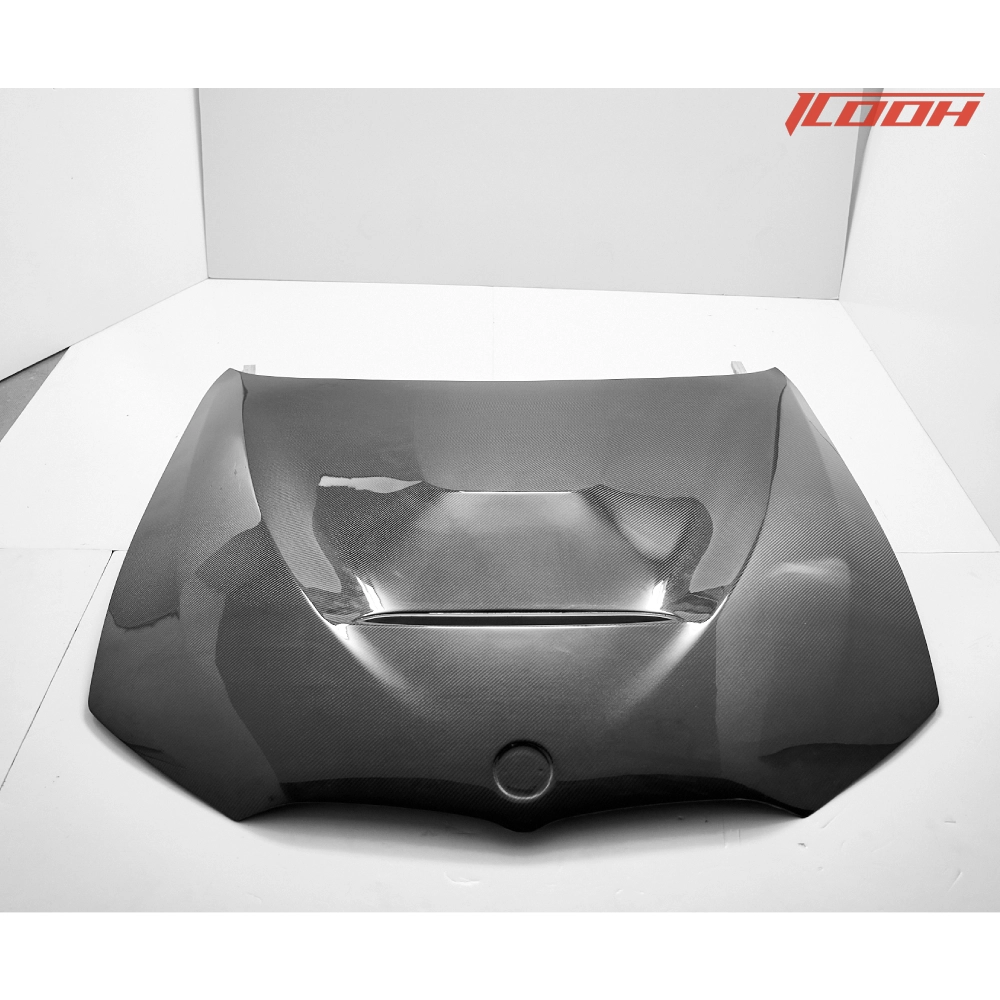
2020-2024 BMW G20 3 Series GTS Style Carbon Fiber Hood
The BMW G20 3 Series GTS-style carbon fiber hood, designed to deliver a lightweight, aggressive, and performance-focused look. Crafted from high-quality carbon fiber, it enhances aerodynamics, improves heat dissipation, and gives your G20 a striking motorsport appearance.

BMW 1 Series F20 GTS style carbon fiber front hood
The BMW 1 Series F20 GTS-style carbon fiber front hood. Made from high-quality carbon fiber, it offers a lightweight, durable construction with improved cooling and a striking performance look. Designed for precise fitment, it enhances both style and aerodynamics for a true motorsport feel.
Lightweight. Durable. Uniquely Yours.
ICOOH is a pioneer in automotive performance and exterior upgrades, compatible with 99% of vehicles worldwide. Let ICOOH be your professional supplier of car tuning parts and performance automotive accessories.
Facebook
Linkedin
Youtube
Instagram