The 2026 Master Guide to Performance Brake Calipers: Everything You Need to Know Before You Buy

2026-03-17
author - ICOOH
Sam Chen
Explore the 2026 master guide to performance brake calipers. Learn the engineering behind multi-piston designs, thermal management, and expert tips for buying big brake kits.

What Are Performance Brake Calipers and Why Do They Matter?

A close-up 3D render of a red ICOOH performance brake caliper showcasing multi-piston technology and forged aluminum construction.

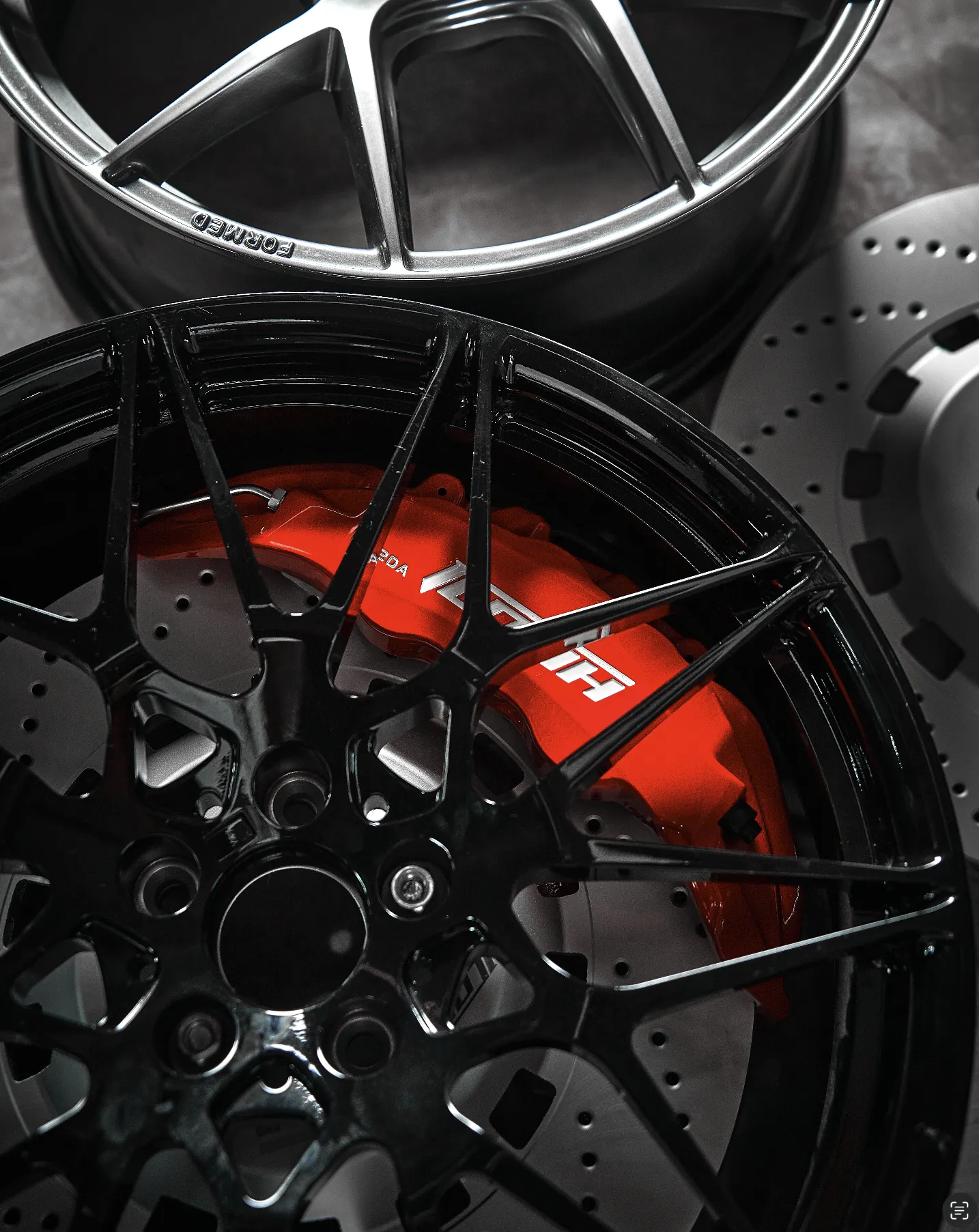
Performance brake calipers are high-strength automotive components engineered to press brake pads against rotors with superior caliper clamping force. Unlike standard sliding calipers, these fixed, multi-piston units distribute pressure evenly, ensuring reliable stopping power and minimizing brake fade during high-stress driving.

To fully appreciate the value of this upgrade, it is essential to understand the core mechanical differences between standard Original Equipment Manufacturer (OEM) components and aftermarket performance variants. In fact, as explained by Wikipedia, disc brakes inherently offer better stopping performance than traditional drum brakes because the open disc design is more readily cooled, making them far less prone to overheating. When you elevate that base disc design with a performance caliper, the benefits multiply exponentially.

Here is why upgrading to performance brake calipers is crucial for automotive enthusiasts and track competitors alike:

  • Superior Clamping Efficiency: Performance models utilize fixed designs rather than sliding pins. This means pistons actuate from both sides simultaneously, delivering immediate and perfectly balanced pressure across the entire brake pad.
  • Optimized Heat Dissipation: Manufactured from premium materials like forged billet aluminum, these calipers shed heat rapidly. This is essential for maintaining brake thermal stability during aggressive canyon driving or track days.
  • Enhanced Structural Rigidity: High-stress braking can physically flex an inferior caliper. Performance units are engineered to resist this flex, ensuring that 100% of the hydraulic pressure is translated into direct stopping power.
  • Firmer Pedal Feel: By eliminating component flex and utilizing multi-piston brake calipers, drivers experience a significantly firmer, more predictable brake pedal, ultimately reducing overall stopping distance and increasing driver confidence.

Quick Summary & 2026 Industry Takeaways

The 2026 automotive industry takeaways highlight a massive shift toward lightweight forged aluminum constructions, enhanced 3D structural simulations for exact fitment, and the integration of low-dust friction technology without sacrificing track-level stopping power for performance brake calipers.

As vehicle weights increase—partially driven by the transition to hybrid and electric platforms—the demand for robust, highly engineered braking solutions has never been higher. Buyers must look beyond basic aesthetics and focus on integrated mechanical performance.

Here are the top 2026 trends defining the modern braking landscape:

  1. Massive Shift Toward Lightweight Materials: In 2026, reducing unsprung weight is paramount. The industry is moving heavily toward aerospace-grade forged aluminum and monoblock calipers to cut bulk without sacrificing tensile strength.
  2. Advanced 3D Structural Simulations: Guesswork is a thing of the past. Leading manufacturers now guarantee perfect fitment for over 99% of global vehicle models by utilizing cutting-edge 3D scanning and aerodynamic analysis during the R&D phase.
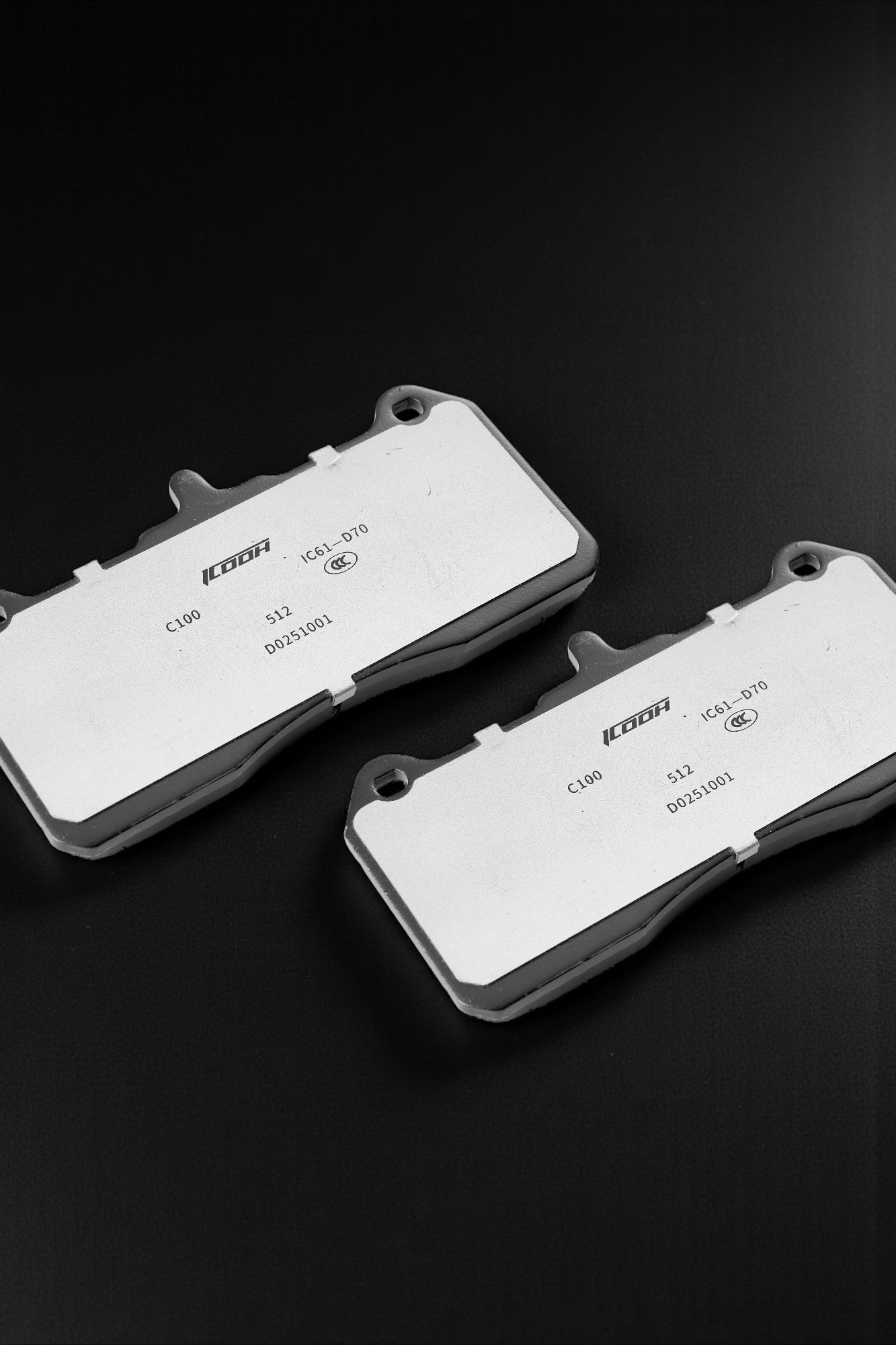
  3. Low-Dust Ceramic Friction Integration: Modern pad formulations seamlessly integrate with performance calipers to offer low-dust ceramic properties, keeping custom wheel rims clean while still providing aggressive, track-level bite.
  4. Holistic Vehicle Integration: Buying calipers is no longer an isolated decision. It requires a precise match of piston count, thermal barrier coatings, and proper wheel clearance to ensure the entire big brake kit functions as a cohesive unit.

The Engineering Behind Stopping Power: Multi-Piston & Monoblock Explained

The engineering behind stopping power centers on utilizing multi-piston brake calipers to optimize pad load distribution and monoblock calipers to eliminate mechanical flex. This precise structural design ensures that the braking bite remains consistent, firm, and immediate under extreme deceleration.

When evaluating high-end braking systems, the terminology can often feel overwhelming. However, understanding the engineering fundamentals is key to selecting the right big brake kits for your specific driving application.

Consider these foundational engineering concepts:

  • Understanding Piston Count: Standard vehicles often use a single large piston to squeeze the brake pad. Upgrading to 4, 6, or even 8 pistons changes the geometry of the load. Multiple smaller pistons distribute the caliper clamping force across the entire length of the brake pad, preventing pad tapering and delivering a more aggressive bite.
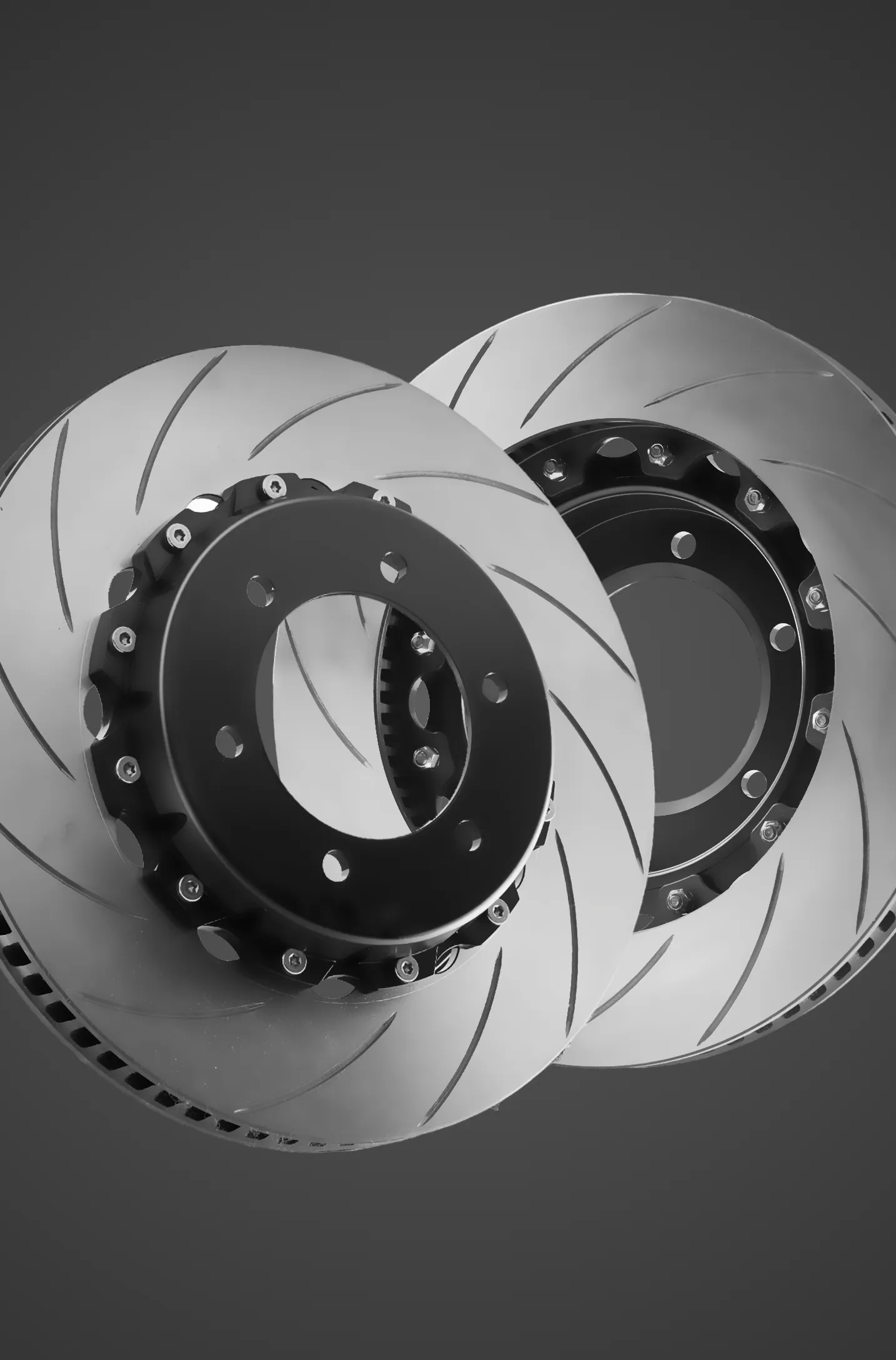
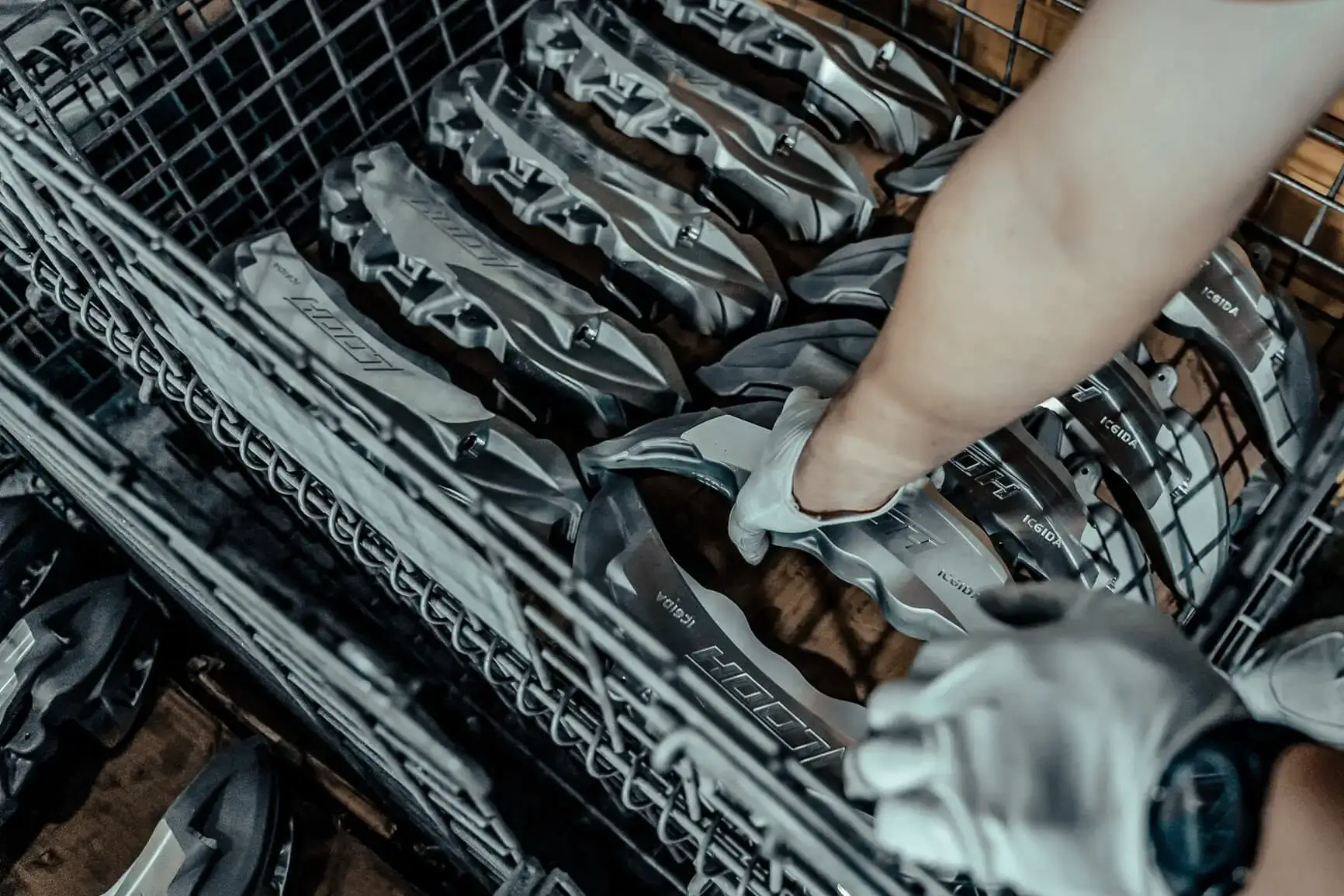
  • Monoblock vs. Two-Piece Designs: Traditional performance calipers are often two-piece designs bolted together. However, 2026 road cars and high-end racing applications heavily favor monoblock calipers—units machined from a single, solid block of forged aluminum. This construction eliminates the microscopic flex that occurs between bolted halves, vastly improving pedal stiffness.
  • Radial Mount vs. Axial Mount: Most high-performance units utilize radial mounting, where the securing bolts run parallel to the brake disc radius. This mechanical advantage allows for easier adaptation to larger rotors and custom big brake setups, providing superior structural rigidity compared to traditional axial mounts.
  • Differential Piston Bores: High-end multi-piston brake calipers do not use identical piston sizes. Instead, they use staggered (differential) piston bores. A smaller leading piston and a larger trailing piston compensate for mechanical wear, preventing uneven pad degradation and enhancing smooth brake modulation.

Thermal Management: Defeating Brake Fade in High-Stress Environments

Thermal management in braking refers to a system's ability to rapidly dissipate kinetic energy converted into heat, thereby maintaining brake thermal stability. High-performance units act as robust thermal heat sinks to protect the vehicle's hydraulic brake fluid from boiling.

Braking is fundamentally a process of energy conversion. When you step on the pedal, your vehicle's kinetic energy is forcefully converted into thermal energy via friction. As detailed by Wikipedia, brake fade is the dangerous reduction in stopping power that occurs after repeated or sustained application of the brakes, particularly in high-load or high-speed conditions.

To defeat this phenomenon, engineers incorporate sophisticated thermal management features:

  • The Physics of Heat Dissipation: Performance calipers are physically larger and utilize aluminum alloys specifically chosen for their thermal conductivity. They act as massive heat sinks, pulling destructive heat away from the sensitive brake fluid.
  • Ventilated Pistons and Thermal Barriers: Top-tier calipers feature hollow, ventilated pistons and specialized thermal barrier coatings. These components drastically slow the transfer of heat from the glowing red brake pad to the hydraulic fluid, preventing fluid boil and a subsequent loss of pedal pressure.
  • Technical Load Test Insights: Rigorous structural simulations and sustained load tests demonstrate why standard cast-iron sliding calipers fail on the track. Under sustained use, cast iron retains heat, eventually destroying dust boots and boiling fluid. Conversely, heavily ventilated forged aluminum units maintain brake thermal stability, allowing for lap after lap of consistent deceleration.

Expert Tips & Common Mistakes When Buying Big Brake Kits

An expert engineer analyzing ICOOH big brake kit specifications on a digital interface in a high-tech automotive garage.

When buying big brake kits, experts strongly recommend prioritizing perfect wheel rim clearance and master cylinder hydraulic compatibility, while avoiding the common mistake of mismatching piston volumes which inevitably leads to a spongy, unresponsive brake pedal.

Investing in a massive braking upgrade requires careful planning. Many enthusiasts rush into purchasing the largest calipers available without considering the holistic mechanics of their vehicle.

To ensure a flawless upgrade, adhere to these expert tips and avoid common pitfalls:

  • Mistake 1: Ignoring Wheel Rim Clearance. Performance brake calipers are substantially wider and taller than stock units. A frequent mistake is installing a kit only to realize the OEM wheels strike the caliper face. Big brake kits often require specific wheel offsets or aftermarket forged wheel rims to fit safely.
  • Mistake 2: Mismatching the Master Cylinder. Slapping massive 8-piston calipers onto a car with a small factory master cylinder alters the hydraulic ratio. This mismatch prevents the system from pushing enough fluid, resulting in a dangerously spongy pedal.
  • Expert Tip 1: Demand 3D Verification. Always verify compatibility by choosing brands that utilize 3D scanning and structural simulation. This guarantees exact OEM integration without requiring dangerous modifications to your vehicle's knuckles or suspension.
  • Expert Tip 2: Prioritize High-Heat Seals. If your vehicle is exposed to harsh winter salts or sees heavy track use, insist on calipers featuring high-heat internal seals and durable electrostatic powder coatings to prevent corrosion and premature rebuilds.

Industry-Leading Solutions: How ICOOH is Redefining Braking Performance

ICOOH, the premier performance brand of Guangzhou Wantian Industrial Co., Ltd., redefines braking performance by engineering custom high-stopping-power solutions using advanced 3D modeling, structural simulation, and aerodynamic analysis to ensure exact compatibility for over 99% of global vehicle models.

Founded in 2008, Guangzhou Wantian Industrial Co., Ltd. has grown into a pioneering force in the global automotive performance and modification industry. Experience and first-hand engineering capabilities separate basic aftermarket parts from true performance upgrades. At the heart of this innovation is their dedicated R&D center, staffed with over 20 experienced engineers and designers who are obsessed with continuous improvement.

Here is how ICOOH is leading the 2026 market in automotive braking solutions:

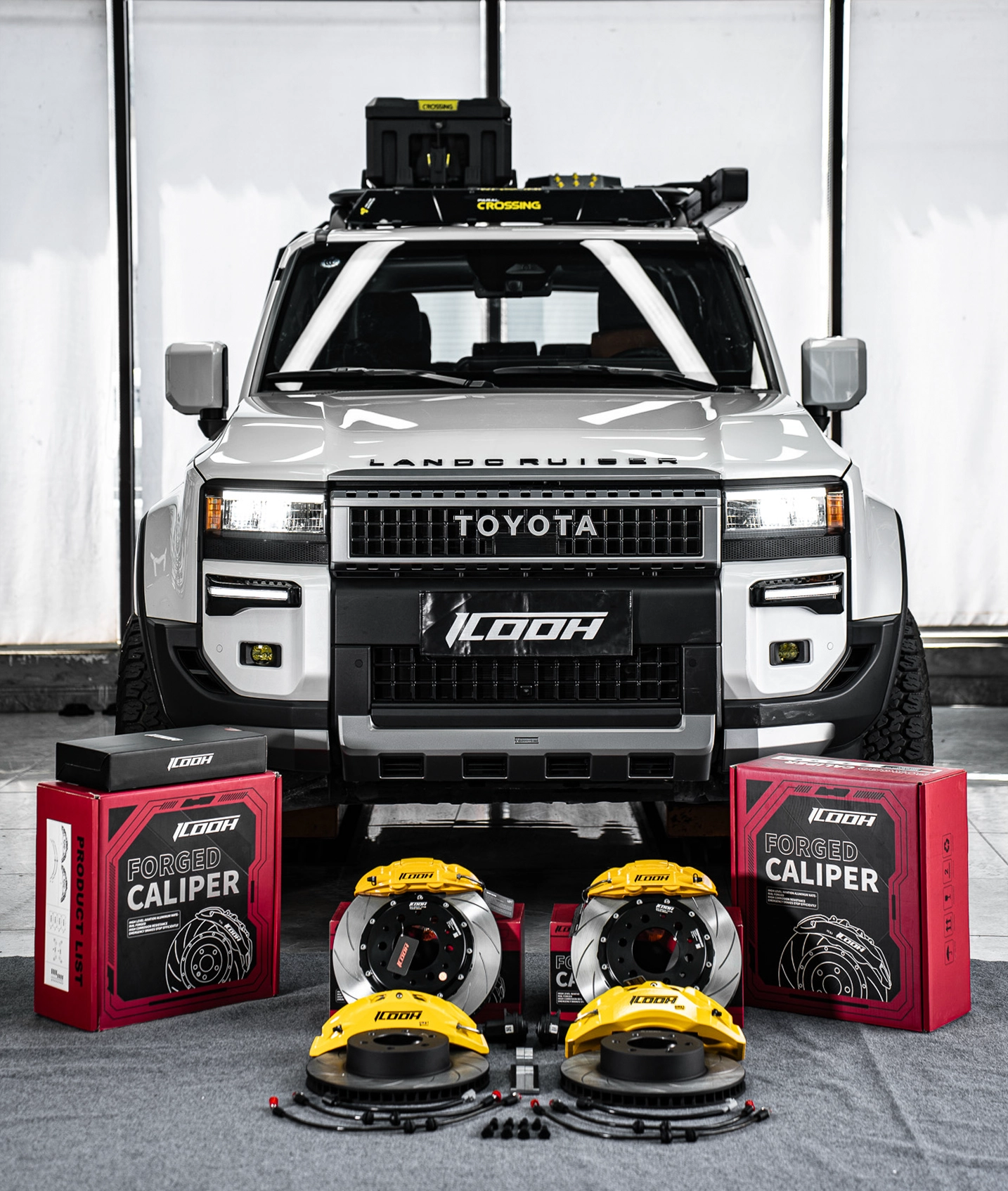
  • Unmatched Global Compatibility: Utilizing proprietary 3D modeling and structural simulation, ICOOH ensures their big brake kits cover more than 99% of vehicle models worldwide, providing precision fitment right out of the box.
  • Advanced Engineering Capabilities: Every product undergoes rigorous aerodynamic analysis and structural simulation to guarantee it meets the highest global performance and safety standards.
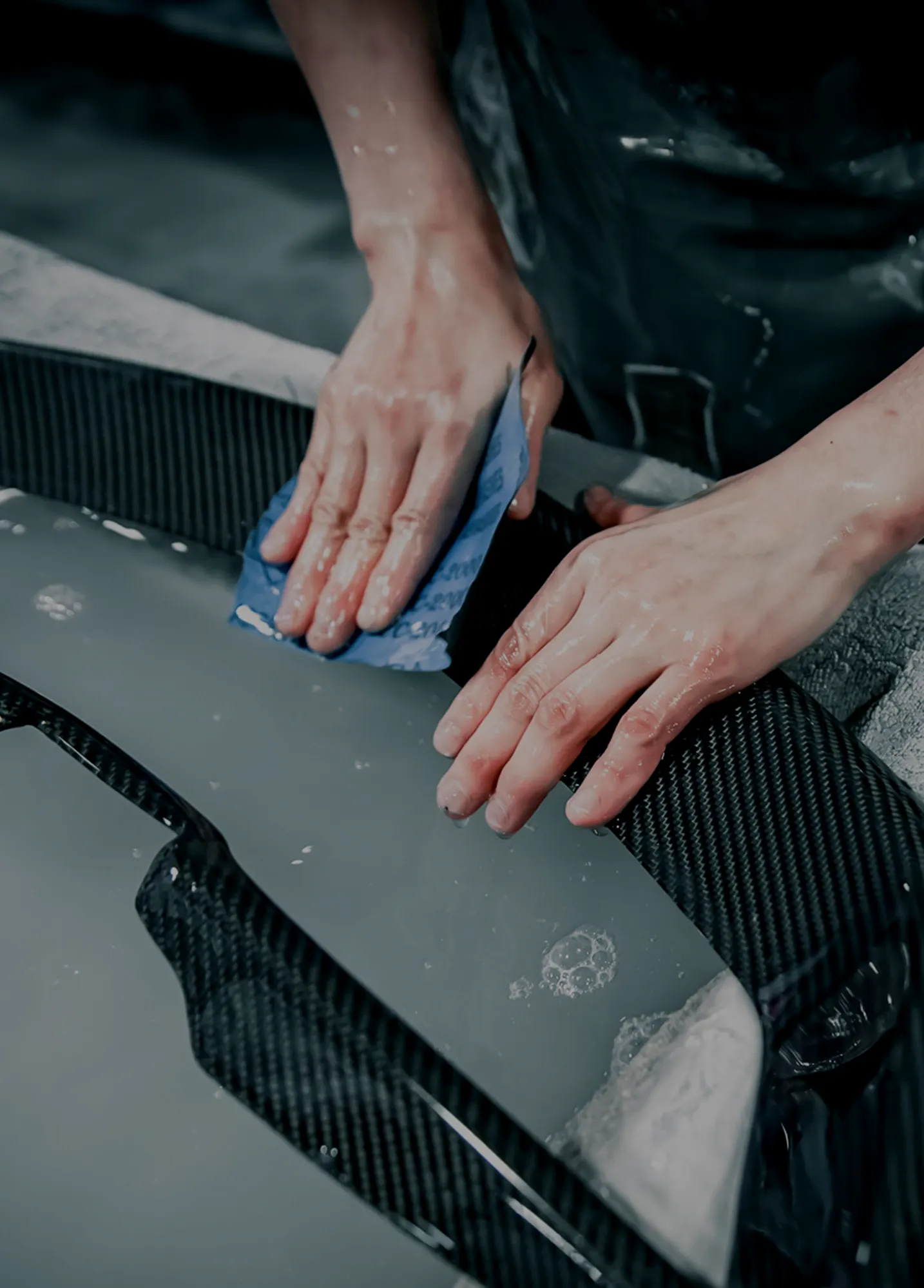
  • Integrated Aesthetics and Performance: ICOOH understands that true enthusiasts demand holistic upgrades. Beyond delivering massive caliper clamping force, they offer integrated solutions including stunning carbon fiber body kits and ultra-light forged wheel rims for total vehicle synergy.
  • The Ultimate High-Performance Upgrade: Whether you are upgrading a daily driver or building a track-ready machine, integrating High-performance brake calipers from ICOOH guarantees exceptional reliability and immediate bite.

Whether you are a tuning brand, an automotive distributor, or an OEM partner, ICOOH delivers precision-engineered solutions tailored perfectly to your market needs.

Data Comparison: Standard vs. Performance Calipers

To visualize the massive technological leap, refer to this detailed comparison table outlining the key differences between standard components and modern performance upgrades:

Feature Standard OEM Calipers Performance Monoblock Calipers
Construction Two-piece cast iron (sliding) One-piece forged billet aluminum (fixed)
Piston Count 1 to 2 pistons (single-sided) 4, 6, or 8 multi-piston configurations
Brake Thermal Stability Moderate; highly susceptible to fade Exceptionally high under extreme mechanical stress
Caliper Clamping Force Standard; prone to uneven pad wear High-pressure, perfectly distributed across the pad
Unsprung Weight Heavy and bulky Lightweight and structurally rigid
Best Application Daily commuting, light traffic Track racing, heavy towing, spirited performance driving

Conclusion

A high-performance sports car featuring ICOOH brakes driving on a scenic road representing the pinnacle of braking technology.

Upgrading your vehicle's braking system with precision-engineered components is one of the most vital investments you can make in 2026 for enhanced driving safety, improved track times, elevated aesthetic appeal, and maximum thermal reliability under heavy mechanical loads. From understanding the physics of caliper clamping force and multi-piston brake calipers to ensuring precise wheel clearance, making an informed decision guarantees superior pedal feel and unyielding brake thermal stability. Do not compromise on your vehicle's most critical safety system; trust in complete big brake kits developed with rigorous 3D simulation and extensive global market expertise. Contact us today to optimize your performance brake calipers strategy.

FAQs About Performance Brake Calipers

Frequently asked questions regarding performance brake calipers cover crucial topics ranging from daily driving practicality and piston count differences to installation requirements and maintenance schedules, ensuring buyers make fully informed decisions when upgrading their vehicle's stopping capabilities.

Are performance brake calipers worth the money for daily driving?

Yes, if you drive spiritedly, tow heavy loads, or drive in hilly areas. They provide a much firmer pedal feel, reduce brake fade, and significantly enhance the vehicle's aesthetic appeal.

What is the difference between 4-piston and 6-piston brake calipers?

4-piston calipers have two pistons on each side, providing a solid upgrade over stock. 6-piston calipers have three on each side, offering even greater clamping force and better pad wear distribution, ideal for heavier cars and track use.

Do performance brake calipers reduce braking distance?

Yes, while tires are the ultimate limiting factor, performance calipers apply clamping force more rapidly and evenly. They also prevent brake fade, meaning stopping distances remain consistently short even after repeated heavy braking.

Can I install performance calipers on stock rotors?

Generally, no. Performance calipers are usually designed to accommodate thicker, larger diameter performance rotors. It is highly recommended to install them as part of a complete Big Brake Kit (BBK) to ensure perfect integration.

How do monoblock calipers differ from two-piece designs?

Monoblock calipers are machined from a single block of forged aluminum, making them incredibly rigid and lighter. Two-piece calipers are bolted together; while still high-performing, they may exhibit slight flex under extreme track conditions compared to monoblocks.

What materials are best for high-performance brake calipers?

Forged billet aluminum is the industry gold standard for 2026. It offers the best balance of dramatic weight reduction (reducing unsprung mass) and rapid heat dissipation.

Do big brake kits require new wheel rims for clearance?

Often, yes. Upgraded calipers are physically larger and may scrape against the spokes or barrel of OEM wheels. You must check the manufacturer's clearance templates, or upgrade to custom forged rims designed specifically to clear big brake kits.

How often should I rebuild or maintain my performance calipers?

For daily driving, they follow standard brake maintenance schedules (fluid flushing every 2 years). For track use, heat seals and dust boots should be inspected after every event, and rebuilding may be necessary every 1-2 racing seasons.

Tags
6-piston brake caliper
Four-piston brake calipers
IC7 Brake Caliper Kits
new carbon fiber front hood
Front Wheel Brake Caliper Kits
SH-style carbon fiber hood
You may also like
ic6 carbon ceramic brakes - ICOOH
ICOOH IC6 Carbon Ceramic Brake Kits | High Performance Braking System
SH-1 style  carbon fiber hood - ICOOH
Chevrolet Corvette C8 2020-2025 SH-1 style new carbon fiber front hood
IC4 gray brake kits - ICOOH
IC4 Four-piston brake caliper kit for 18 inches and above
Mustang hood main picture display - ICOOH
004 Style Carbon Fiber Fibre Front Bonnet Engine Hood for Ford Mustang 2018-2023

Explore More Automotive News

Subscribe to our newsletter for the latest tuning cases, technology trends, and industry analysis.

Name must not exceed 100 characters.
Invalid email format or length exceeds 100 characters. Please re-enter.
WhatsApp/Phone must not exceed 100 characters.
WhatsApp preferred for faster response.
Company Name must not exceed 100 characters.
Referral Code must not exceed 100 characters.
Blogger referral code (optional)
Please select How to use for
Content must not exceed 3000 characters.
Please enter your vehicle model, year, and tire size for product recommendations.
Contact customer service

Contact ICOOH

Have questions about our products or brand? Start a conversation with our team today.

×
Name must not exceed 100 characters.
Invalid email format or length exceeds 100 characters. Please re-enter.
WhatsApp/Phone must not exceed 100 characters.
WhatsApp preferred for faster response.
Company Name must not exceed 100 characters.
Referral Code must not exceed 100 characters.
Blogger referral code (optional)
Please select How to use for
Content must not exceed 3000 characters.
Please enter your vehicle model, year, and tire size for product recommendations.

Customize My Style

From colors to logo applications, explore options that make ICOOH products uniquely yours.

×
Name must not exceed 100 characters.
Invalid email format or length exceeds 100 characters. Please re-enter.
WhatsApp/Phone must not exceed 100 characters.
WhatsApp preferred for faster response.
Company Name must not exceed 100 characters.
Referral Code must not exceed 100 characters.
Blogger referral code (optional)
Please select How to use for
Content must not exceed 3000 characters.
Please enter your vehicle model, year, and tire size for product recommendations.

Request a Free Quote

Don’t miss out on competitive wholesale prices and OEM/ODM customization. Fill in your details now and receive a free quote within 24 hours—fast, accurate, and hassle-free.

×
Name must not exceed 100 characters.
Invalid email format or length exceeds 100 characters. Please re-enter.
WhatsApp/Phone must not exceed 100 characters.
WhatsApp preferred for faster response.
Company Name must not exceed 100 characters.
Referral Code must not exceed 100 characters.
Blogger referral code (optional)
Please select How to use for
Content must not exceed 3000 characters.
Please enter your vehicle model, year, and tire size for product recommendations.

Send My Request

Submit your details and vehicle information, and we'll provide you with a custom-tailored upgrade solution.

×
Name must not exceed 100 characters.
Invalid email format or length exceeds 100 characters. Please re-enter.
WhatsApp/Phone must not exceed 100 characters.
WhatsApp preferred for faster response.
Company Name must not exceed 100 characters.
Referral Code must not exceed 100 characters.
Blogger referral code (optional)
Please select How to use for
Content must not exceed 3000 characters.
Please enter your vehicle model, year, and tire size for product recommendations.