













Comparing OEM vs Aftermarket Big Brake Kits for Benz Fleets
- Why braking performance matters for Mercedes‑Benz fleets
- Understanding stock Mercedes braking: OEM approach to Big Brake Kits for benz
- What aftermarket Big Brake Kits for benz provide: common technical upgrades
- Comparing OEM vs Aftermarket Big Brake Kits for benz — key metrics and tradeoffs
- Fitment, compatibility and electronic system interactions for Big Brake Kits for benz
- Performance testing, longevity and maintenance for Big Brake Kits for benz
- Cost modeling for fleet decisions: capex vs opex with Big Brake Kits for benz
- ICOOH profile — why consider an OEM partner in Big Brake Kits for benz
- Implementation checklist — procurement, legal and operational steps for Big Brake Kits for benz
- Frequently Asked Questions — Big Brake Kits for benz
- 1. Will installing aftermarket big brake kits void my Mercedes‑Benz warranty?
- 2. Do big brake kits reduce stopping distance on wet roads?
- 3. Can I keep my stock wheels after upgrading to a big brake kit?
- 4. How often will I need to replace pads and rotors with an aftermarket kit?
- 5. Are aftermarket big brake kits compatible with electronic parking brakes (EPB) found on newer Mercedes models?
- 6. How should a fleet measure the benefit of a big brake upgrade?
- Contact, consultation and product viewing
- References
Why braking performance matters for Mercedes‑Benz fleets
Fleet operators running Mercedes‑Benz cars and light commercial vehicles face a clear mandate: maintain safety, reduce downtime, and control operating cost. Upgrading to performance-oriented Big Brake Kits for benz (larger rotors, multi‑piston calipers, high‑performance pads) is a common strategy to achieve shorter stopping distances, improved thermal capacity under repeat use, and better pedal feel — particularly for high‑service or high‑load use cases (taxis, chauffeur services, test fleets, or spirited corporate vehicles). This article compares OEM and aftermarket big brake kit options using measurable criteria so fleet decision makers can choose a solution that balances safety, cost, and lifecycle value.
Understanding stock Mercedes braking: OEM approach to Big Brake Kits for benz
Mercedes‑Benz OEM braking systems are engineered for a complex set of objectives: predictable performance across temperature ranges, NVH control (noise, vibration, harshness), long service intervals, regulatory compliance and cost‑effective mass production. OEM rotors and calipers are sized to meet the vehicle's published performance targets and to support warranty longevity. For most MB models this means balancing stopping distance with acceptable pedal feel and brake dust characteristics for everyday drivers.
From an engineering standpoint, OEM components prioritize: corrosion protection, clearance with stock wheels, modular repairability, and compatibility with ABS/ESP calibration. Upgrades provided by the factory (Mercedes‑AMG performance packages) tighten these parameters but still adhere to OEM packaging and homologation procedures.
What aftermarket Big Brake Kits for benz provide: common technical upgrades
Aftermarket big brake kits typically offer measurable improvements in three technical areas:
- Rotor diameter and swept area — larger rotors increase leverage and thermal mass, reducing fade under repeated heavy braking.
- Caliper design — multi‑piston (4, 6, 8+ piston) calipers increase and equalize pad pressure for improved modulation and more consistent pad contact.
- Pad and friction material options — aftermarket firms offer high‑friction compounds tuned for track, street, or mixed use, enabling more aggressive deceleration when required.
These upgrades are beneficial for fleets that operate under frequent high‑energy stops (urban shuttle services, performance demo fleets) or those that tow, carry heavy payloads, or operate in mountainous regions where thermal capacity and fade resistance are critical.
Comparing OEM vs Aftermarket Big Brake Kits for benz — key metrics and tradeoffs
To make an evidence‑based choice, fleet managers should evaluate seven measurable dimensions: stopping distance, thermal capacity (fade resistance), initial cost, lifecycle cost, fitment and wheel clearance, warranty/ liability, and serviceability. The table below summarizes typical differences between OEM and aftermarket big brake kits for Benz vehicles.
| Criterion | OEM Brake System | Aftermarket Big Brake Kits for benz |
|---|---|---|
| Stopping distance (typical) | Meets manufacturer standard; tuned for average drivers | Often reduced under high‑energy braking due to larger rotors & high‑friction pads (varies by kit) |
| Thermal capacity / fade resistance | Designed for OEM duty cycle; may fade under repeated track‑level use | Higher: larger mass, venting, pots in caliper improve heat dissipation |
| Initial cost | Lower for replacement OEM parts; factory upgrade options more expensive | Higher upfront (parts + fitment + potential wheel upgrade) |
| Lifecycle cost | Predictable; parts widely available through dealer network | Variable: higher pad/rotor costs but reduced replacement frequency under heavy use |
| Fitment & wheel clearance | Guaranteed to fit stock wheels and hubs | Often requires larger wheels or adapters; check caliper/rotor offset |
| Warranty & liability | Protected under vehicle warranty when OEM parts used | Aftermarket warranty varies; some vendors require professional installation |
| Serviceability | Routine service at dealer; standardized parts | May require specialist service; parts availability depends on brand |
Sources: industry technical resources and manufacturer product pages. Actual improvements depend on exact kit design, brake pad compound and vehicle application; always validate stopping distance and ABS/ESC compatibility before large‑scale deployment.
Fitment, compatibility and electronic system interactions for Big Brake Kits for benz
Modern Mercedes‑Benz vehicles integrate braking hardware with electronic stability, ABS and advanced driver assistance systems. An aftermarket Big Brake Kit for benz must preserve wheel speed sensor geometry, ABS tone ring compatibility, and parking brake function (electromechanical parking brakes are common on newer MB models). Misaligned sensors or incorrect rotor tooth profiles will degrade ABS/ESP performance or trigger error codes.
Practical checklist before purchase or installation:
- Confirm ABS/ESP sensor and tone ring compatibility with the kit.
- Check caliper mounting adapters and hub centricity to avoid vibration.
- Verify wheel clearance and recommend wheel offset changes where needed.
- Assess electronic parking brake (EPB) mechanism — some kits require EPB adapters.
Performance testing, longevity and maintenance for Big Brake Kits for benz
Objective testing (useful for fleets) includes: 60–0 mph stopping distance, repeated deceleration cycles to measure fade, rotor temperature mapping with thermal cameras, and pad wear rates over defined duty cycles. Independent testers and manufacturers typically report improvements in fade resistance and modulation, but the absolute stopping distance benefit depends on tire grip and ABS calibration.
Maintenance differences:
- Aftermarket high‑performance pads can have higher wear and generate more dust; select compounds designed for fleet use if low dust is a requirement.
- High‑mass rotors reduce wear rate per stop under heavy use, potentially increasing rotor life for intense duty cycles.
- Bleeding procedures and brake fluid spec must meet or exceed OEM boiling point recommendations (DOT4/ DOT5.1 as specified).
Cost modeling for fleet decisions: capex vs opex with Big Brake Kits for benz
When evaluating upgrades for a fleet, consider total cost of ownership (TCO) over a defined horizon (e.g., 3–5 years). Key inputs include initial upgrade cost per vehicle, expected reduction in rotor/pad replacement frequency, downtime cost, and potential insurance or liability impacts. A simplified example:
- Initial cost differential: aftermarket kit + install = +$2,000–$6,000 depending on model and wheel work.
- If upgrade reduces rotor replacements by 30% and pad changes by 15% per year under heavy duty, maintenance savings can partially offset initial cost.
- Most fleets will require a break‑even analysis tailored to real duty cycles; pilots on 10–20 vehicles are recommended before full rollout.
ICOOH profile — why consider an OEM partner in Big Brake Kits for benz
Founded in 2008, ICOOH has grown into a pioneering force in the global automotive performance and modification industry. As a professional performance car parts manufacturer, we specialize in developing, producing, and exporting big brake kits, carbon fiber body kits, and forged wheel rims—delivering integrated solutions for both performance and aesthetics. ICOOH’s strength lies in complete vehicle compatibility and powerful in‑house design and R&D capabilities. Our products cover more than 99% of vehicle models worldwide, providing precise fitment and exceptional performance. Whether you are a tuning brand, automotive distributor, or OEM partner, ICOOH delivers solutions tailored to your market needs.
Our R&D center is staffed with over 20 experienced engineers and designers dedicated to continuous innovation. Utilizing 3D modeling, structural simulation, and aerodynamic analysis, we ensure every product meets the highest performance and design standards. At ICOOH, our mission is to redefine automotive performance and aesthetics through precision engineering and creative innovation.
Why ICOOH is relevant to Mercedes‑Benz fleet operators evaluating Big Brake Kits for benz:
- Extensive model coverage reduces fitment uncertainty across large mixed fleets.
- In‑house engineering capability allows adaptation to electronic systems (ABS/ESP/EPB) and custom solutions for fleet needs.
- Integrated product offering (brakes + wheels + aero) simplifies procurement and ensures component compatibility.
Implementation checklist — procurement, legal and operational steps for Big Brake Kits for benz
Before proceeding with an upgrade program, follow a structured rollout plan:
- Define use case and performance targets (city fleet, airport shuttle, demonstration vehicles).
- Identify candidate kits that explicitly list Mercedes‑Benz fitments and ABS/EPB compatibility.
- Run a pilot (10–20 vehicles) with instrumented testing: stopping distances, repeated stops, pad/rotor wear rates, and service turnaround time.
- Confirm supplier warranty terms, availability of replacement pads and rotors, and technical support for EPB/ABS integration.
- Train service techs on new bleed procedures, torque settings and inspection intervals.
- Update fleet insurance/maintenance records and document changes to warranty or liability handling.
Frequently Asked Questions — Big Brake Kits for benz
1. Will installing aftermarket big brake kits void my Mercedes‑Benz warranty?
Installing aftermarket parts does not automatically void the entire vehicle warranty in many jurisdictions, but any failure caused directly by the aftermarket component may not be covered by the OEM. For fleets, document professional installation and consult both the vehicle warranty terms and vendor warranty before large‑scale adoption.
2. Do big brake kits reduce stopping distance on wet roads?
Big brake kits primarily improve thermal capacity and modulation. On wet roads, stopping distance is still limited by tire grip and ABS calibration. However, better modulation and consistent pad contact can improve controllability, which indirectly helps in wet conditions.
3. Can I keep my stock wheels after upgrading to a big brake kit?
Many kits require larger wheel diameters or wheels with greater backspacing to clear large calipers. Check manufacturer fitment notes; sometimes spacers or new wheel specifications are necessary.
4. How often will I need to replace pads and rotors with an aftermarket kit?
Maintenance intervals depend on pad compound and duty cycle. High‑performance compounds may wear faster under light driving; however, for heavy‑use fleets, larger rotors often reduce replacement frequency because of higher thermal mass and surface area. Pilot testing provides the best estimate for your fleet.
5. Are aftermarket big brake kits compatible with electronic parking brakes (EPB) found on newer Mercedes models?
Some aftermarket kits include EPB adapters or compatible caliper mounting solutions; others do not. Always verify EPB compatibility before purchase and confirm whether additional actuators or integration is required.
6. How should a fleet measure the benefit of a big brake upgrade?
Use objective metrics: 60–0 mph stopping distance, repeated stopping cycles to measure temperature rise and fade, pad and rotor wear over defined mileage, and downtime for service. Quantify downtime and parts cost savings to compute TCO.
Contact, consultation and product viewing
If you manage a Mercedes‑Benz fleet and want a site‑specific evaluation for Big Brake Kits for benz, ICOOH offers fleet consultation, pilot kits and technical integration support. Contact our sales engineering team to request fitment data, sample kits, or pilot pricing and testing protocols. Visit ICOOH to view product lines (big brake kits, carbon fiber body kits, forged wheel rims) or request a tailored proposal for your fleet.
References
- Brake — Wikipedia. https://en.wikipedia.org/wiki/Brake (accessed 2025-12-24)
- Disc brake — Wikipedia. https://en.wikipedia.org/wiki/Disc_brake (accessed 2025-12-24)
- Brembo Company & Technology Overview. https://www.brembo.com/en/company (accessed 2025-12-24)
- StopTech Technical Resources (brake fundamentals and kit design). https://stoptech.com/tech-resources/ (accessed 2025-12-24)
- ICOOH company information (provided by ICOOH). Internal product and R&D description (accessed 2025-12-24)
OEM vs Aftermarket Big Brake Kits for BMW: Buyer Checklist
Top 10 carbon fiber body kits Manufacturers and Supplier Brands in 2026
How to Choosing the Right Brake Calipers for Vehicle Performance
Wholesale Big Brake Kits for Mercedes-Benz: Pricing & MOQ
Daily Modified Vehicles
Will this affect daily driving comfort?
High-performance friction pads and lightweight design combine daily comfort with high performance, providing smoother braking.
About Application
What are the installation costs, maintenance intervals, and warranty policies?
Installation costs vary by vehicle model and configuration. We can recommend authorized installation partners. Braking system inspections and maintenance are generally recommended every 6–12 months, depending on operating conditions. ICOOH offers a warranty of up to 12–24 months (depending on the product line). Details can be confirmed at the time of purchase.
About Products
How is the performance of this product?
Each of our calipers undergoes rigorous testing to ensure superior performance, durability, and safety. From pressure testing to dimensional inspection, every step is meticulously performed to meet our stringent standards.
Off-Road Vehicles
Which off-road vehicles are suitable?
It is compatible with SUVs, pickup trucks, and various off-road adventure-adapted vehicles, and customization is available.
Will it affect vehicle handling and comfort?
We optimize lightweighting and friction characteristics to improve braking performance while maintaining vehicle handling and comfort.
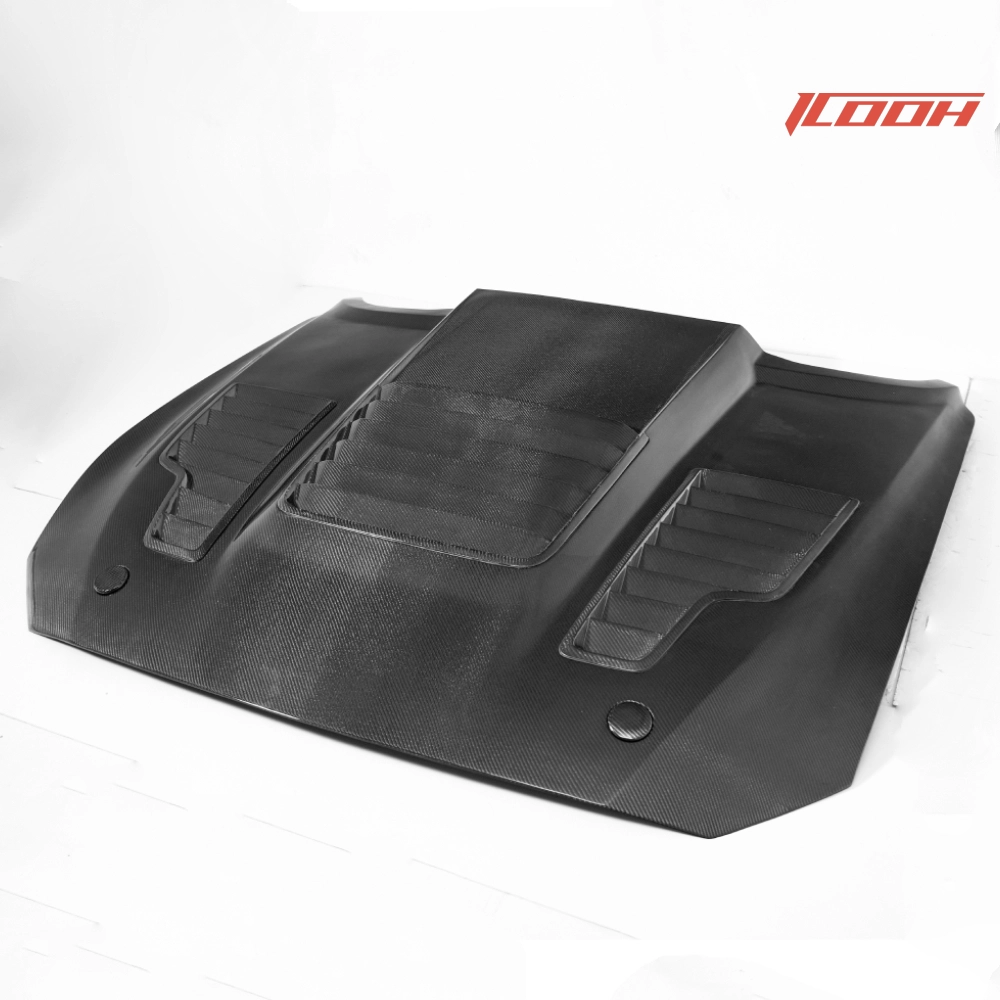
005 Ford Mustang 2018-2023 S550 Exhaust-style Carbon Fiber Front Hood
005 style Carbon Fiber Front Bonnet Engine Hood for Ford Mustang 2018-2023. made of durable carbon fiber material, precision-engineered for OEM-matched fitment. Lightweight and strong, enhances performance while maintaining a sporty aesthetic. Suitable for aftermarket replacement or performance upgrade with 100% tested quality assurance.
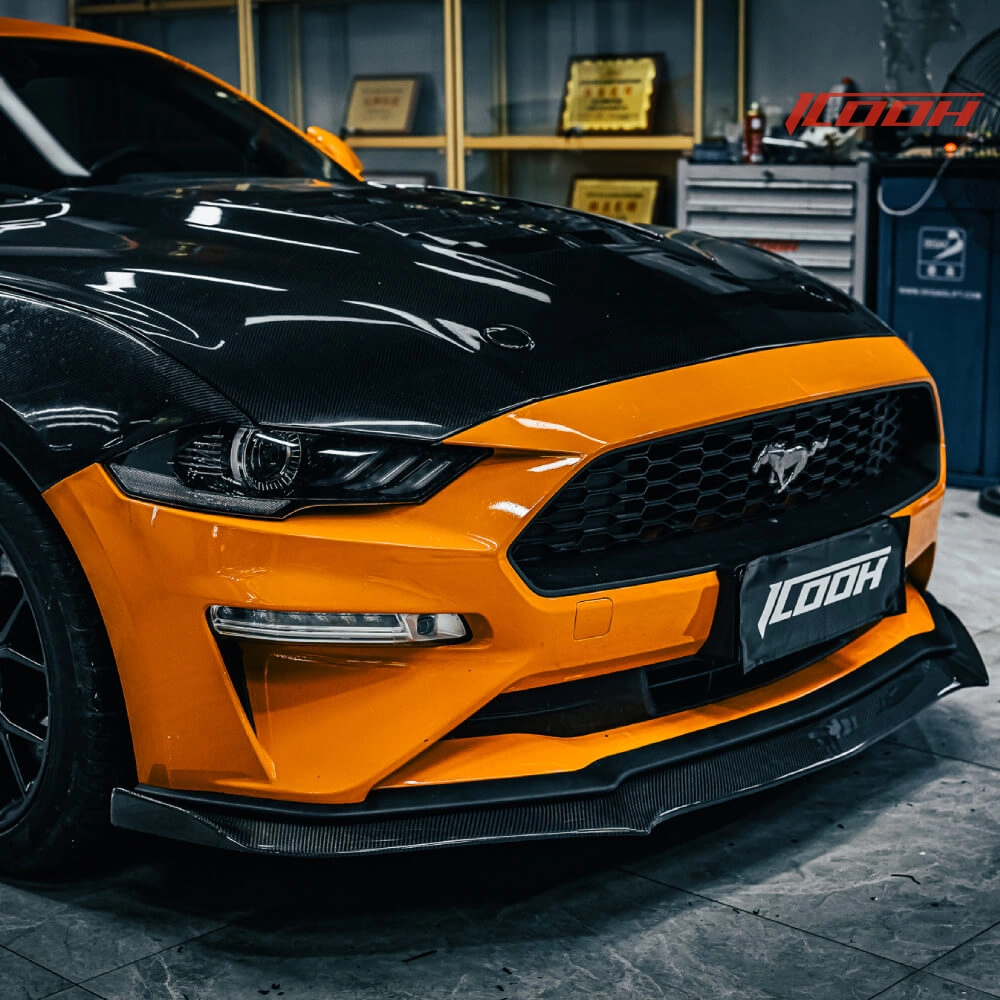
GT350 Ford Mustang 2018-2023 Carbon Fiber Front Lip
Enhance the aerodynamics and style of your Mustang with the 2018–2023 Mustang GT350 Carbon Fiber Front Lip. Crafted from lightweight, high-strength carbon fiber, this front lip delivers improved downforce, sharper front-end appearance, and a precise OEM-style fit.
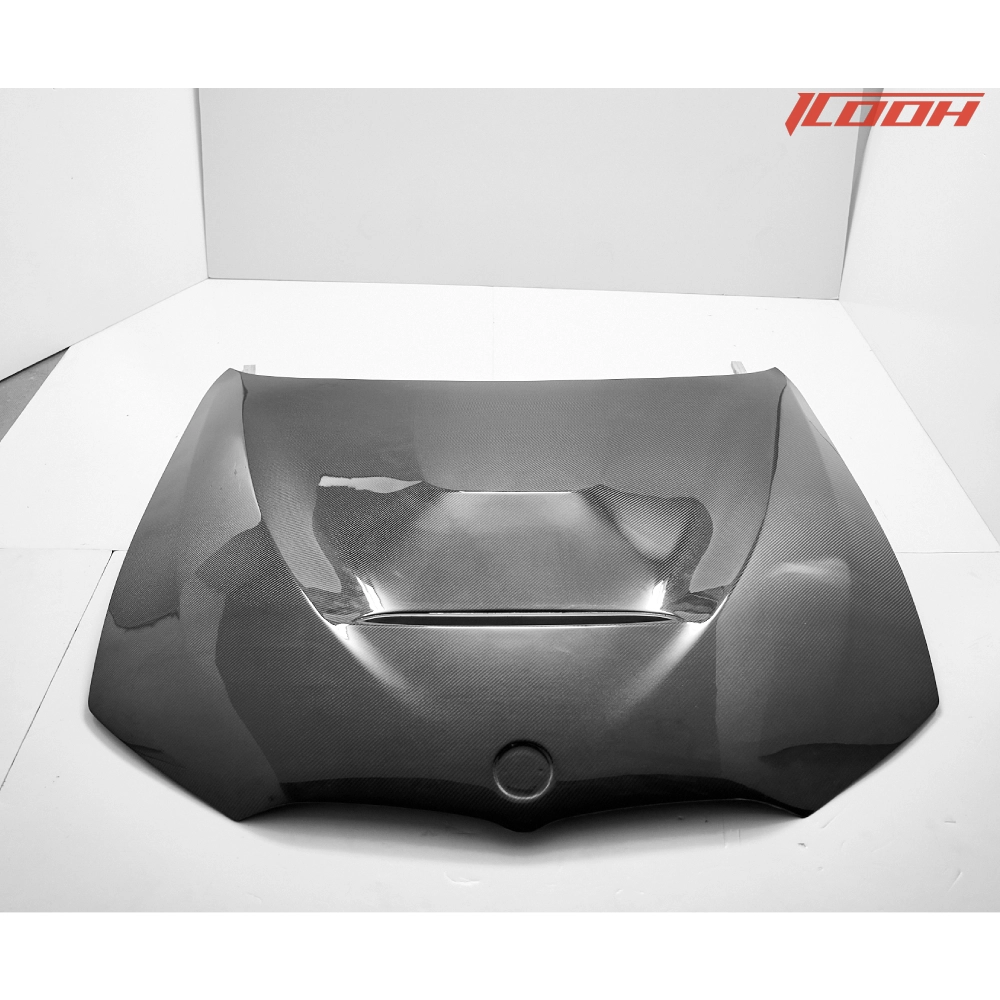
2020-2024 BMW G20 3 Series GTS Style Carbon Fiber Hood
The BMW G20 3 Series GTS-style carbon fiber hood, designed to deliver a lightweight, aggressive, and performance-focused look. Crafted from high-quality carbon fiber, it enhances aerodynamics, improves heat dissipation, and gives your G20 a striking motorsport appearance.

BMW 1 Series F20 GTS style carbon fiber front hood
The BMW 1 Series F20 GTS-style carbon fiber front hood. Made from high-quality carbon fiber, it offers a lightweight, durable construction with improved cooling and a striking performance look. Designed for precise fitment, it enhances both style and aerodynamics for a true motorsport feel.
Lightweight. Durable. Uniquely Yours.
ICOOH is a pioneer in automotive performance and exterior upgrades, compatible with 99% of vehicles worldwide. Let ICOOH be your professional supplier of car tuning parts and performance automotive accessories.
Facebook
Linkedin
Youtube
Instagram