













Spec Essentials for Carbon Fiber Body Kits: Measurements & Fitment

- Unlocking Performance & Aesthetics: The Definitive Guide to Carbon Fiber Body Kit Fitment
- The Unmatched Appeal and Technical Demands of Carbon Fiber Body Kits
- Decoding Key Measurements for Flawless Carbon Fiber Body Kit Installation
- Understanding Manufacturing Processes and Their Impact on Carbon Fiber Body Kits
- Installation Best Practices for Optimal Fitment of Performance Carbon Fiber Body Kits
- Troubleshooting Common Fitment Issues with Carbon Fiber Body Kits
- ICOOH: Pioneering Precision in Carbon Fiber Body Kits and Performance Parts
- Conclusion: The Pursuit of Perfection in Carbon Fiber Aesthetics and Performance
- Frequently Asked Questions About Carbon Fiber Body Kits
- References
Unlocking Performance & Aesthetics: The Definitive Guide to Carbon Fiber Body Kit Fitment
For automotive enthusiasts, the allure of carbon fiber body kits extends beyond their striking appearance; it's about a commitment to lightweight performance, enhanced aerodynamics, and a distinct, aggressive aesthetic. From subtle accents to complete wide-body transformations, carbon fiber components promise a significant upgrade. However, the true value of these high-performance parts hinges entirely on one critical factor: perfect fitment. A poorly fitting kit not only detracts from the vehicle's look but can also compromise structural integrity and aerodynamic efficiency, turning an upgrade into a downgrade. This guide will meticulously walk you through the spec essentials, focusing on measurements and fitment, to ensure your carbon fiber body kits integrate flawlessly with your vehicle.
The Unmatched Appeal and Technical Demands of Carbon Fiber Body Kits
Carbon fiber, a material celebrated for its exceptional strength-to-weight ratio, has become a cornerstone in performance automotive applications. Its adoption in body kits isn't purely aesthetic; it significantly reduces curb weight, improving acceleration, braking, and handling dynamics. Furthermore, the ability to mold carbon fiber into complex, aerodynamic shapes allows for optimized airflow, reducing drag and increasing downforce—crucial for track performance. However, working with carbon fiber requires precision manufacturing and installation. Unlike flexible plastic parts, carbon fiber components are rigid and unforgiving of measurement discrepancies. The inherent stiffness means there's little room for error; a gap that might be acceptable with a plastic bumper becomes an eyesore and a potential structural weakness with carbon fiber.
Several factors contribute to the complexity of achieving perfect fitment. Original Equipment Manufacturer (OEM) vehicles, even within the same model year, can exhibit slight variations due to manufacturing tolerances. Aftermarket carbon fiber production processes also have their own tolerances. When these variances don't align, fitment issues arise. Understanding these underlying challenges is the first step towards mitigating them, ensuring that your investment in high-quality carbon fiber body kits translates into a seamless, high-performance upgrade.
Decoding Key Measurements for Flawless Carbon Fiber Body Kit Installation
Achieving precise fitment for carbon fiber body kits is an exact science that begins with meticulous measurement. Before ordering or attempting installation, it's crucial to understand the critical dimensions that dictate how well a part will integrate with your vehicle. These measurements go beyond simple length and width; they involve contour, curvature, mounting points, and clearances.
Here’s a breakdown of essential measurements and considerations for different components:
- Front/Rear Bumpers & Valances:
- Overall Width: Measure across the widest point of the OEM bumper from fender edge to fender edge.
- Height/Depth: From the lowest point (often near the ground) to the highest point where it meets the hood/trunk or grille/tailgate.
- Mounting Points: Critically, the distance between bolt holes and attachment clips to ensure alignment with chassis mounting points. Aftermarket kits must replicate these precisely.
- Headlight/Taillight Cutouts: Precise dimensions and curvature to match the OEM lights without gaps or overlap.
- Wheel Arch Clearance: For wide-body kits, measure the additional width required and ensure adequate clearance for wheels and tires at full suspension travel.
- Side Skirts:
- Length: From the front wheel well opening to the rear wheel well opening along the rocker panel.
- Depth/Height: The vertical dimension, ensuring it doesn't scrape or interfere with jack points.
- Contour: Matching the vehicle's existing body line curvature for a flush fit.
- Hoods & Trunks:
- Length & Width: Overall dimensions, ensuring perfect alignment with fenders and quarter panels.
- Hinge Alignment: Critical measurement of hinge bolt patterns and pivot points to prevent misalignment and stress.
- Latch Mechanism: Compatibility with the OEM latch system, including striker plate positioning.
- Fender/Quarter Panel Gaps: The uniform spacing around the perimeter is a key indicator of good fitment.
- Fenders (Widebody Kits):
- Increased Width: The specific additional width provided by the new fender, ensuring symmetry between sides.
- Wheel Arch Radius: To accommodate larger wheels/tires, verifying the curvature and opening size.
- Door & Bumper Gaps: Maintaining consistent gaps where the fender meets adjacent panels.
Manufacturers often provide “spec sheets” or detailed diagrams. Always compare these against your vehicle's actual measurements. Tools like digital calipers, laser distance measurers, and even templates can be invaluable for cross-referencing.
| Component Type | Critical Measurement Aspects | Common Fitment Challenges |
|---|---|---|
| Front/Rear Bumpers | Overall width, mounting point alignment, headlight/taillight cutouts, grille aperture | Uneven gaps, sag, incompatible mounting hardware, misaligned light openings |
| Side Skirts | Length, vertical depth, body line contour, mounting clip locations | Warping, bowing, insufficient clearance, visible mounting points |
| Hoods/Trunks | Perimeter length/width, hinge/latch alignment, panel gaps, aerodynamic vents | Uneven shut lines, difficulty latching, panel rubbing, safety mechanism interference |
| Fenders | Overall width extension, wheel arch radius, door/bumper adjacent panel alignment | Misaligned panel gaps, inconsistent flare, difficulty with liner re-installation |
Understanding Manufacturing Processes and Their Impact on Carbon Fiber Body Kits
The quality and ly the fitment of carbon fiber body kits are profoundly influenced by the manufacturing process. Different techniques yield varying levels of precision, strength, and finish. Recognizing these differences empowers you to make an informed choice.
- Wet Lay-up: This is the most basic and often most affordable method. Resin is applied to dry carbon fiber fabric laid over a mold. While cost-effective, it's difficult to control resin-to-fiber ratio, leading to heavier parts with less consistent strength and potentially more imperfections, which can translate to less precise dimensions and fitment challenges.
- Vacuum Infusion/Bagging: An improvement over wet lay-up, this method uses vacuum pressure to draw resin through the carbon fiber fabric in a sealed bag. This results in a much better resin-to-fiber ratio, leading to lighter, stronger parts with fewer voids. Dimensional accuracy is significantly improved compared to wet lay-up, making fitment generally better.
- Pre-Preg (Pre-impregnated) & Autoclave Curing: Considered the gold standard for high-performance composites, pre-preg carbon fiber involves fabric that is pre-infused with a precise amount of resin and then cured under high heat and pressure in an autoclave. This method offers the highest strength, lightest weight, and most consistent dimensional accuracy. Parts produced this way often have the best fitment, requiring minimal modification.
| Manufacturing Method | Resin Content | Weight/Strength | Dimensional Accuracy (Fitment) | Cost Implication |
|---|---|---|---|---|
| Wet Lay-up | High, inconsistent | Heavier, variable strength | Moderate, prone to inconsistencies | Lowest |
| Vacuum Infusion | Optimized | Lighter, good strength | Good, generally reliable | Medium |
| Pre-Preg & Autoclave | Precise, low | Lightest, highest strength | Excellent, highly consistent | Highest |
Choosing a manufacturer that utilizes advanced methods like pre-preg with autoclave curing often correlates directly with superior fitment and overall quality, minimizing the headaches during installation.
Installation Best Practices for Optimal Fitment of Performance Carbon Fiber Body Kits
Even with the most precisely manufactured performance carbon fiber body kits, proper installation is paramount for achieving perfect fitment and ensuring longevity. This is not a task to be rushed; patience, precision, and the right tools are essential.
- Preparation is Key: Before any drilling or final mounting, thoroughly clean both the vehicle's body panels and the carbon fiber components. Perform a test fit of each part without any fasteners to identify potential problem areas. This 'dry run' allows you to mark cut lines or areas needing minor adjustments without damaging the kit or your vehicle.
- Professional Installation Recommended: While some enthusiasts attempt DIY, for complex kits or those requiring significant modification, professional installation by a body shop experienced with custom composites is highly recommended. They possess the specialized tools, expertise, and facilities (like spray booths for clear coat matching) to ensure a flawless finish and fit.
- Proper Fastening Techniques: Carbon fiber is rigid but can crack under excessive point pressure. Use appropriate hardware—stainless steel bolts, washers, and sometimes even rivnuts or specialty adhesives recommended by the manufacturer. Avoid over-tightening. For parts like bumpers, consider using quick-release fasteners for added security and ease of removal if necessary.
- Gap Alignment and Shimming: Minor gaps are common. Shims (thin plastic or rubber spacers) can be strategically placed behind mounting points to push panels outwards, achieving consistent gaps. Adjusting mounting brackets or elongating bolt holes (with caution) can also fine-tune alignment.
- Clear Coat and UV Protection: Carbon fiber components often come with a clear coat, but ensure it's high-quality and offers strong UV protection. UV degradation can cause yellowing and delamination over time. A professional installer can ensure the clear coat is uniformly applied and possibly even match it to your vehicle's existing paint finish for a truly integrated look.
Troubleshooting Common Fitment Issues with Carbon Fiber Body Kits
Despite best efforts, you might encounter minor fitment issues. Here’s how to address some common problems:
- Uneven Panel Gaps: This is perhaps the most frequent issue. Systematically check all mounting points. Loosen bolts, slightly adjust the panel, and re-tighten. Shims can be invaluable here. Sometimes, the issue lies with adjacent OEM panels; ensure they are correctly aligned first.
- Warping or Bowing: If a panel appears warped, especially longer ones like side skirts, it could be due to uneven manufacturing or storage. Gentle heat (from a heat gun, with extreme caution to avoid damaging the clear coat) can sometimes be used to subtly reform thermoplastic resins, but this is best left to professionals. Proper fastening across the entire length can also pull the panel into shape.
- Mounting Hole Misalignment: If bolt holes don’t perfectly align, you may need to slightly enlarge them (drill larger holes, then use washers for proper seating). For significant misalignment, it might indicate a manufacturing defect requiring replacement or professional modification of the kit itself.
- Clearance Issues: If a part rubs against another component (e.g., bumper on fender, or tire on fender liner), identify the exact point of contact. This might require trimming plastic fender liners or, in extreme cases, minor modification of the carbon fiber part itself (again, professional intervention is advised).
Remember, the goal is not just to attach the parts, but to integrate them seamlessly, reflecting the High Quality nature of carbon fiber body kits.
ICOOH: Pioneering Precision in Carbon Fiber Body Kits and Performance Parts
When it comes to elevating your vehicle's performance and aesthetics with carbon fiber body kits and other high-performance components, the manufacturer's expertise and commitment to quality are paramount. Founded in 2008, ICOOH has grown into a pioneering force in the global automotive performance and modification industry. As a professional performance car parts manufacturer, we specialize in developing, producing, and exporting big brake kits, carbon fiber body kits, and forged wheel rims—delivering integrated solutions for both performance and aesthetics.
ICOOH’s strength lies in complete vehicle compatibility and powerful in-house design and R&D capabilities. Our products cover more than 99% of vehicle models worldwide, providing precise fitment and exceptional performance. This extensive coverage, especially for carbon fiber body kits, means that enthusiasts can find perfectly tailored solutions for their specific make and model, minimizing the fitment headaches often associated with aftermarket parts. We understand the nuances of OEM specifications and translate that into aftermarket precision.
Our R&D center is staffed with over 20 experienced engineers and designers dedicated to continuous innovation. Utilizing 3D modeling, structural simulation, and aerodynamic analysis, we ensure every product meets the highest performance and design standards. This rigorous development process is why ICOOH’s carbon fiber body kits are renowned for their exceptional fitment, structural integrity, and aerodynamic efficiency. Our advanced manufacturing techniques, including an emphasis on precision and quality control, result in components that align perfectly, reducing installation time and delivering the High Quality finish our customers expect.
At ICOOH, our mission is to redefine automotive performance and aesthetics through precision engineering and creative innovation. Whether you are a tuning brand, automotive distributor, or OEM partner, ICOOH delivers solutions tailored to your market needs. Our competitive edge lies in our comprehensive product range—including state-of-the-art carbon fiber body kits, lightweight forged wheel rims, and high-performance big brake kits—all engineered for superior compatibility, unparalleled performance, and stunning visual impact. Choose ICOOH for solutions that blend cutting-edge technology with exquisite craftsmanship, ensuring your vehicle stands out with both form and function.
Conclusion: The Pursuit of Perfection in Carbon Fiber Aesthetics and Performance
Investing in carbon fiber body kits is a declaration of intent—a desire for superior performance, reduced weight, and an unmistakable visual signature. However, the success of this investment hinges entirely on understanding the intricate details of measurements, manufacturing processes, and installation best practices. By approaching your selection with diligence and prioritizing precision, you can transform your vehicle into a true masterpiece of automotive engineering and design.
Remember that while the aesthetic appeal of carbon fiber is undeniable, its true value is unlocked when fitment is perfect. From meticulously measuring your vehicle to understanding the implications of different manufacturing methods, every step contributes to a flawless integration. When choosing your components, opt for manufacturers with a proven track record of precision and quality, like ICOOH, whose commitment to advanced R&D and broad vehicle compatibility ensures that their carbon fiber body kits offer not just stunning looks, but also unparalleled fitment and performance.
Embrace the journey of enhancing your vehicle, armed with the knowledge to achieve a truly professional and high-performing result. Your pursuit of automotive excellence deserves nothing less than perfection in every detail.
Frequently Asked Questions About Carbon Fiber Body Kits
Q1: What types of carbon fiber weaves are commonly used in body kits, and do they affect strength or fitment?A1: The most common weaves are 1x1 plain weave and 2x2 twill weave. The weave pattern primarily affects aesthetics. While weave itself doesn't directly impact fitment or strength as much as the manufacturing process (e.g., pre-preg vs. wet lay-up), a tighter, more consistent weave can indicate higher quality material and better consistency in the final product's dimensions. Generally, 2x2 twill is popular for its appearance and slight flexibility in complex curves.
Q2: How much weight can I realistically save by installing a full carbon fiber body kit?A2: Weight savings vary significantly depending on the vehicle, the original OEM parts, and the specific carbon fiber kit. For a full kit (bumpers, hood, trunk, fenders, side skirts), savings can range from 50 to 150 pounds (approx. 22-68 kg) or even more for larger vehicles or more aggressive wide-body kits. Hoods and trunks typically offer the most significant individual weight reduction.
Q3: Is professional installation mandatory for carbon fiber body kits, or can I install them myself?A3: While some enthusiasts with advanced mechanical skills and proper tools might attempt DIY installation for simpler components, professional installation is highly recommended for complex carbon fiber body kits. Professionals have the experience, specialized tools, and understanding of material properties to ensure precise fitment, secure mounting, and correct panel gap alignment, preventing costly mistakes and ensuring the longevity and aesthetic appeal of your investment.
Q4: How do I maintain and protect my carbon fiber body kit from yellowing or damage?A4: To prevent yellowing and maintain the finish, regularly wash your carbon fiber parts with mild automotive soap and water. Apply a high-quality UV-protective sealant or wax specifically designed for automotive clear coats every few months. Avoid harsh chemicals or abrasive cleaning tools. For minor scratches, light polishing compounds can be used, but for deeper damage or clear coat failure, professional repair or re-coating may be necessary.
Q5: Can carbon fiber body kits improve my car's aerodynamics?A5: Yes, well-designed carbon fiber body kits can significantly improve a car's aerodynamics. Components like front splitters, rear diffusers, side skirts, and spoilers are often designed using computational fluid dynamics (CFD) to reduce drag, manage airflow, and generate downforce. This can lead to better high-speed stability, improved cornering grip, and even slight fuel efficiency gains, especially in performance driving scenarios.
Q6: What should I look for in a reputable manufacturer of carbon fiber body kits?A6: Look for manufacturers with a strong reputation for quality control, precise fitment, and advanced manufacturing techniques (e.g., pre-preg/autoclave). They should offer clear product specifications, detailed installation guides, and excellent customer support. Check for a wide range of vehicle compatibility, positive customer reviews, and a history of innovation in the performance automotive industry. Manufacturers like ICOOH, with extensive R&D and a focus on precision engineering, are excellent examples.
Ready to elevate your vehicle with precision-engineered carbon fiber body kits or explore our range of forged wheel rims and big brake kits? Contact ICOOH today for tailored solutions that blend cutting-edge technology with exquisite craftsmanship. Visit our product pages to see how we can redefine your automotive performance and aesthetics.
References
- Composite Materials Handbook (CMH-17) - General information on carbon fiber properties and manufacturing processes. Retrieved: December 1, 2023
- Society of Automotive Engineers (SAE) International - Standards and best practices in automotive design and manufacturing tolerances. (https://www.sae.org/) Retrieved: December 1, 2023
- Advanced Composites: Fabrication and Repair (FAA AC 43-13B) - While aviation-focused, provides excellent foundational knowledge on composite construction and repair. (https://www.faa.gov/regulations_policies/advisory_circulars/index.cfm/go/document.information/documentID/23010) Retrieved: December 1, 2023
- Modern Manufacturing Techniques for Composite Parts - Industry articles and educational resources on pre-preg and vacuum infusion. (e.g., CompositesWorld.com articles) Retrieved: December 1, 2023
The latest trends for brake disc in 2026 | ICOOH Ultimate Insights
OEM vs Aftermarket Big Brake Kits for BMW: Buyer Checklist
Selecting Big Brake Kits for BMW: Specs, Fitment, and ROI
What is Big Brake Kits? | ICOOH Ultimate Insight
Racing Vehicles
How much weight is reduced compared to the stock system?
Depending on the vehicle type, it can be reduced by 20-40%, significantly improving acceleration and handling.
About Customized Services
What is your typical production lead time?
Standard models usually require 20–30 days. Customized OEM projects depend on specifications and order volume.
Off-Road Vehicles
Can it handle heavy loads or long-distance expeditions?
Designed for high loads and long-term continuous braking, ensuring reliability over long distances.
ICOOH IC6
Why choose us?
ICOOH delivers products that match the performance of international brands while being more competitively priced. It stands as a brand with robust R&D capabilities, reliable quality, and comprehensive support.
About Products
Are your products compliant with EU/US safety?
ICOOH’s products adhere to strict international safety standards.
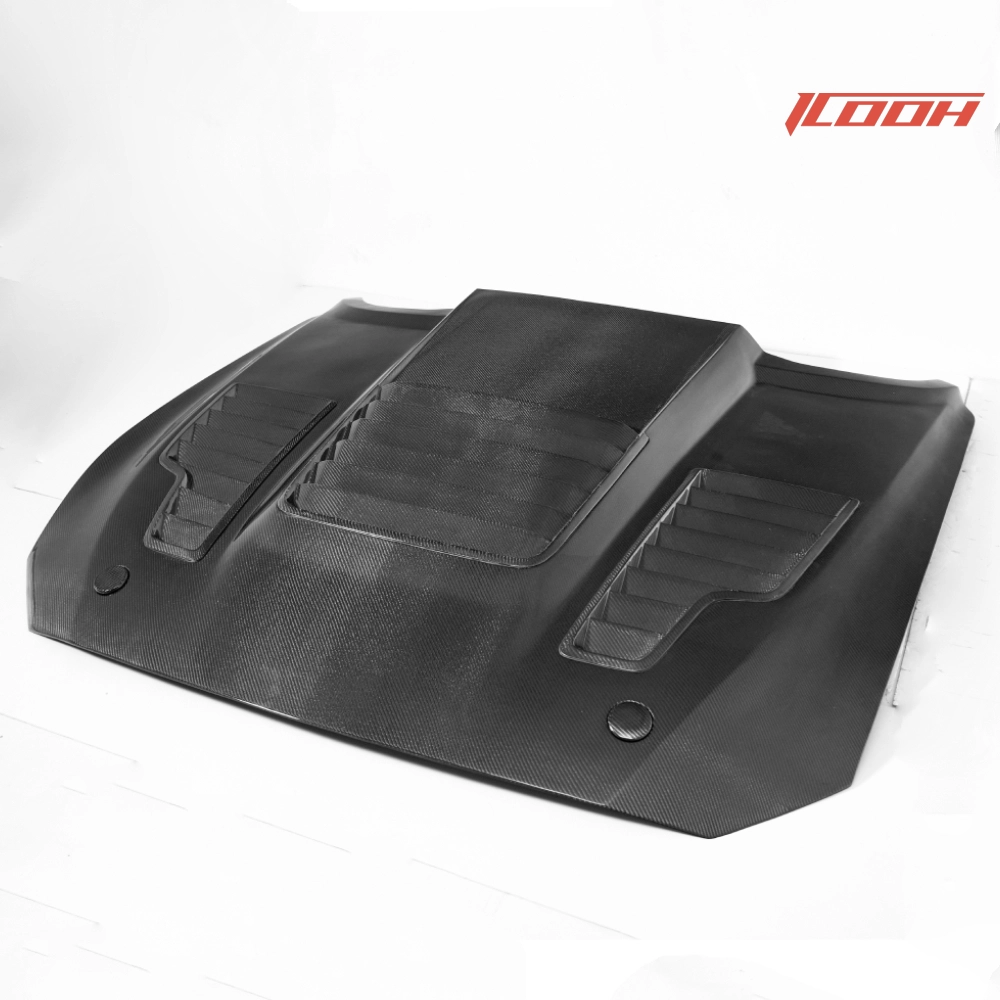
005 Ford Mustang 2018-2023 S550 Exhaust-style Carbon Fiber Front Hood
005 style Carbon Fiber Front Bonnet Engine Hood for Ford Mustang 2018-2023. made of durable carbon fiber material, precision-engineered for OEM-matched fitment. Lightweight and strong, enhances performance while maintaining a sporty aesthetic. Suitable for aftermarket replacement or performance upgrade with 100% tested quality assurance.
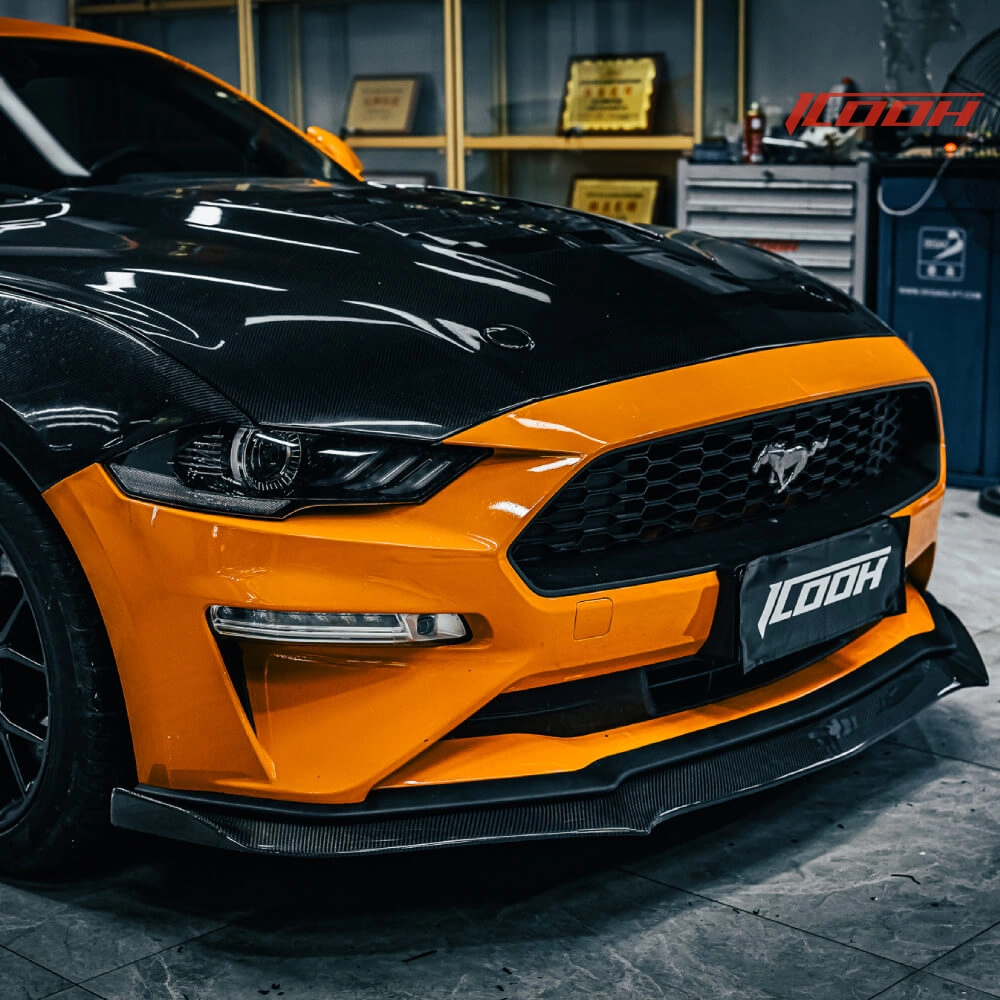
GT350 Ford Mustang 2018-2023 Carbon Fiber Front Lip
Enhance the aerodynamics and style of your Mustang with the 2018–2023 Mustang GT350 Carbon Fiber Front Lip. Crafted from lightweight, high-strength carbon fiber, this front lip delivers improved downforce, sharper front-end appearance, and a precise OEM-style fit.
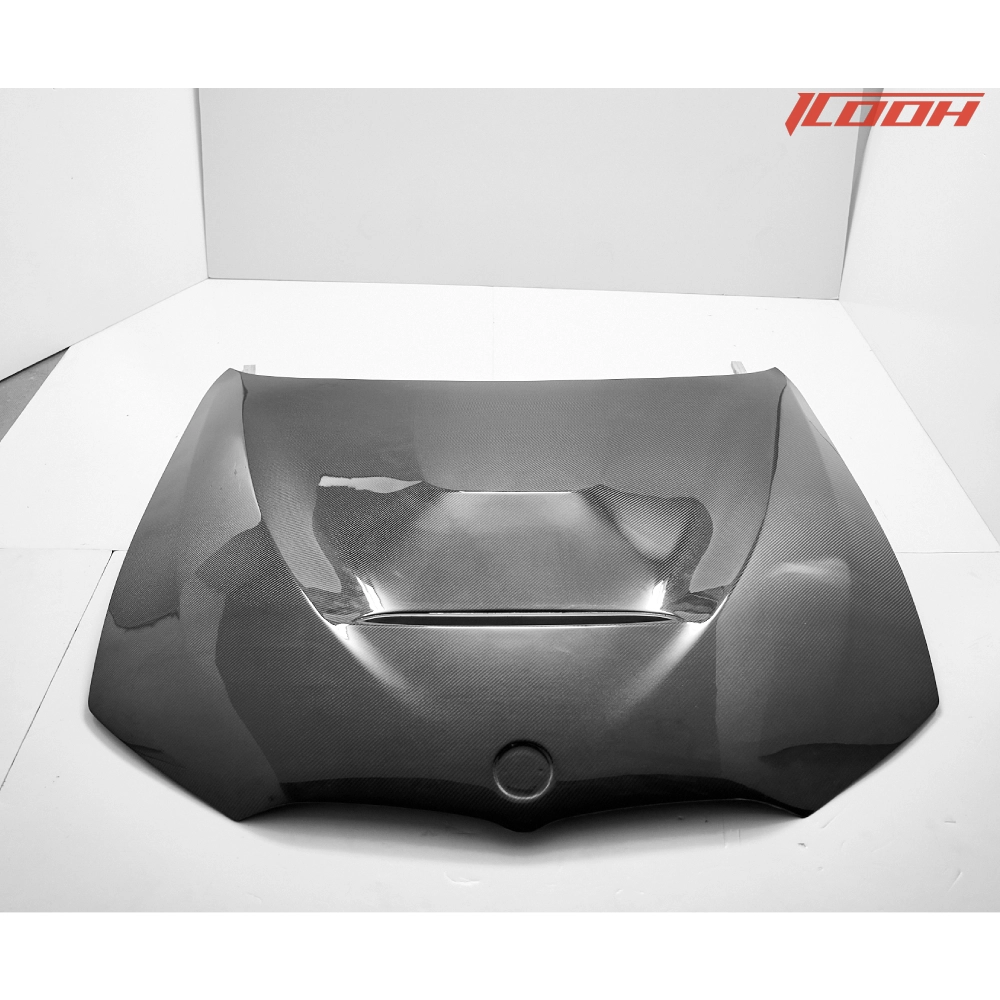
2020-2024 BMW G20 3 Series GTS Style Carbon Fiber Hood
The BMW G20 3 Series GTS-style carbon fiber hood, designed to deliver a lightweight, aggressive, and performance-focused look. Crafted from high-quality carbon fiber, it enhances aerodynamics, improves heat dissipation, and gives your G20 a striking motorsport appearance.

BMW 1 Series F20 GTS style carbon fiber front hood
The BMW 1 Series F20 GTS-style carbon fiber front hood. Made from high-quality carbon fiber, it offers a lightweight, durable construction with improved cooling and a striking performance look. Designed for precise fitment, it enhances both style and aerodynamics for a true motorsport feel.
Lightweight. Durable. Uniquely Yours.
ICOOH is a pioneer in automotive performance and exterior upgrades, compatible with 99% of vehicles worldwide. Let ICOOH be your professional supplier of car tuning parts and performance automotive accessories.
Facebook
Linkedin
Youtube
Instagram