













Installation Training Guide for Dealers: Big Brake Kits

- Why Dealers Need Big Brake Kits Installation Training
- Understanding Big Brake Kits and Commercial Value
- Safety and Compliance Essentials for Installing Big Brake Kits
- Tools, Equipment, and Shop Setup for Big Brake Kits Installation
- Pre‑Installation Inspection: Verifying Vehicle Compatibility and Conditions
- Step‑by‑Step Installation Procedure for Big Brake Kits
- Post‑Installation Bedding and Test Procedures for Big Brake Kits
- Troubleshooting Common Issues After Big Brake Kits Installation
- Quality Control Checklist and Documentation for Dealer Installations
- Designing a Dealer Training Program for Big Brake Kits Sellers and Technicians
- Comparing Typical Big Brake Kit Configurations
- Warranty, Parts Inventory, and After‑Sales Considerations for Dealers
- Why Partner with a Manufacturer Like ICOOH for Big Brake Kits
- Performance Validation and Data Logging for Dealer Demonstrations
- Common Installation Case Studies and Lessons Learned
- Frequently Asked Questions (FAQs) about Big Brake Kits for Dealers
- 1. How long does a professional Big Brake Kit installation take?
- 2. Will installing a Big Brake Kit affect ABS or stability control systems?
- 3. How do I select the right pad compound for my customer?
- 4. What are the typical causes of brake pulsation after installation?
- 5. Should dealers replace brake fluid when installing Big Brake Kits?
- 6. Can I sell wheel fitment services together with Big Brake Kits?
- 7. What ongoing maintenance should we tell customers after installation?
- Contact & Product Inquiry
- References
Why Dealers Need Big Brake Kits Installation Training
Big Brake Kits are a popular upsell for performance-minded customers, fleet tuning shops, and OEM upgrade channels. For dealers, competent installation and post-install support are essential to reduce warranty claims, ensure customer safety, and protect brand reputation. This training guide focuses on practical knowledge, repeatable procedures, and dealer-level quality control processes that turn installations into profit centers while minimizing liability.
Understanding Big Brake Kits and Commercial Value
What dealers should know: a Big Brake Kit typically includes larger rotors, multi‑piston calipers, upgraded pads, high‑temperature lines, and hardware. The is clear — customers buy Big Brake Kits to improve stopping performance, reduce fade, and enhance vehicle aesthetics. Dealers who understand fitment, performance trade‑offs, and installation pitfalls can increase conversions and offer value‑added services (e.g., dyno testing, alignment, wheel fitment).
Safety and Compliance Essentials for Installing Big Brake Kits
Safety is the non‑negotiable foundation for every installation. Dealers must enforce: brake system isolation procedures, use of jack stands on rated lifts, torque verification with calibrated tools, and compliance with local vehicle modification laws. Ensure technicians know how to check ABS/ESC compatibility and whether aftermarket calipers or sensors require ECU reprogramming or ABS module recalibration.
Tools, Equipment, and Shop Setup for Big Brake Kits Installation
Essential tools: torque wrench (calibrated), torque angle gauge, dial indicator (for rotor runout), brake caliper piston tool(s), press or hydraulic piston compressor, bleed kit (vacuum or pressure), high‑quality brake cleaner, threadlocker, anti‑seize, and wheel spacers/adapters if required. Shop equipment also includes a lift with wheel off‑vehicle access, alignment rack, and test vehicle instrumentation (OBD scanner, ABS tools).
Pre‑Installation Inspection: Verifying Vehicle Compatibility and Conditions
Before removing factory brakes, perform a thorough inspection: wheel clearance (wheel diameter, offset), hub condition and runout, suspension geometry, rotor hat clearance, and ABS sensor wiring. Verify the selected Big Brake Kit SKU matches the vehicle VIN and wheel choices. Document pre‑existing damage to avoid warranty disputes.
Step‑by‑Step Installation Procedure for Big Brake Kits
This standardized sequence minimizes errors and supports training reproducibility.
- Preparation: Lift vehicle, remove wheels, clean hub faces, and measure hub runout with a dial indicator. Clean mating surfaces.
- Remove OEM components: Detach caliper, rotor, pads, and any hardware. Cap brake lines to prevent contamination.
- Mount brackets and calipers: Install adapters/brackets to factory mounting points using specified torque values. Fit calipers and confirm piston orientation relative to rotor, pad fitment, and sensor routing.
- Install rotors: Fit rotors onto hub, check axial and radial runout (recommended tolerance ≤ 0.05 mm typical for performance builds). Use shims if necessary per manufacturer guidance.
- Install pads and hardware: Use supplied shims, anti‑rattle clips, and recommended pad grease. Torque guide pins and caliper bolts to manufacturer specifications.
- Brake line and sensor connections: Replace rubber lines with braided stainless lines if supplied; ensure ABS/TPMS sensors are reconnected and routed away from moving suspension components.
- Bleeding the system: Use a two‑person or vacuum/pressure bleeder. Ensure no air remains; measure and record pedal firmness. Compare pre‑ and post‑installation pedal travel.
- Initial torque and road clearances: Torque wheels, check clearance at full lock and compression. Confirm parking brake operation if affected.
Post‑Installation Bedding and Test Procedures for Big Brake Kits
Proper bedding (break‑in) is crucial to develop pad/rotor transfer layers and avoid premature wear or noise. A common bedding procedure (example) — always follow the pad and rotor manufacturer’s published method:
- Warm up brakes with light decelerations from moderate speed.
- 5–8 repeated decelerations from 80–50 km/h, progressively increasing to 100–40 km/h with moderate brake pressure (no full stops).
- Allow cool down periods between aggressive stops; avoid hard stops from high speed until components cooled.
Measure performance: record pedal feel, ABS activation thresholds, and braking distances in controlled environment if possible. Dealers should document results and provide customers with bedding instructions for street use and track use.
Troubleshooting Common Issues After Big Brake Kits Installation
Dealers must be trained to diagnose and resolve typical post‑install problems:
- Vibration or pulsation: Check rotor runout and hub seating; re‑torque hub/axle and re‑measure. Consider rotor truing or new rotors if runout > recommended limit.
- Noise (squeal/grab): Verify pad bedding, anti‑squeal shims, and correct pad compound for vehicle use. Contamination from oil/grease requires rotor cleaning or pad replacement.
- Soft pedal/air in system: Re‑bleed, inspect for leaks at hose fittings or banjo bolts, and confirm master cylinder health.
- ABS/ESC faults: Scan ECU for codes; check wheel speed sensor alignment and wiring continuity. Some kits require ABS recalibration.
Quality Control Checklist and Documentation for Dealer Installations
Create a standardized QC checklist that technicians sign after each install. Key items include:
- Kit SKU and VIN match
- Hub runout (mm) recorded
- Torque values and tool calibration IDs
- Bleed confirmation and pedal travel data
- Road test log with technician initials
- Customer handoff sheet with bedding instructions and warranty terms
Designing a Dealer Training Program for Big Brake Kits Sellers and Technicians
A scalable training program should include three layers: product knowledge for sales staff, hands‑on installation for technicians, and service/support for warranty teams.
- Sales training: Teach benefits, fitment limits, wheel and tire considerations, and upsell opportunities (pads, lines, rotors, wheel spacers).
- Technician training: Hands‑on sessions covering one complete install, bedding, diagnostics, and QC sign‑off.
- Support training: How to process warranty claims, maintain spares inventory, and log field failures.
Include assessment and certification. Certified dealers should display a badge and receive parts/service priority.
Comparing Typical Big Brake Kit Configurations
Below is a comparison of common Big Brake Kit configurations to help dealers advise customers. Data are representative ranges sourced from major manufacturers and public product specifications.
| Configuration | Rotor Diameter (mm) | Caliper Pistons | Common Use |
|---|---|---|---|
| Stage 1 (Street) | 320–350 | 2‑piston or 4‑piston | Daily/occasional spirited driving |
| Stage 2 (Sport) | 350–380 | 4‑piston | Enthusiast/track days |
| Stage 3 (Track/Competition) | 380–420+ | 6‑piston or 8‑piston | Frequent track use / high performance |
Sources: manufacturer product pages and technical specifications (see references).
Warranty, Parts Inventory, and After‑Sales Considerations for Dealers
Dealers should stock wear items (pads, seals, rotors where applicable) and standard hardware kits. Establish clear warranty terms with manufacturers covering material defects and installation labor if permitted. Keep service bulletins from the supplier to address known fitment or procedural updates quickly.
Why Partner with a Manufacturer Like ICOOH for Big Brake Kits
Founded in 2008, ICOOH has grown into a pioneering force in the global automotive performance and modification industry. As a professional performance car parts manufacturer, we specialize in developing, producing, and exporting big brake kits, carbon fiber body kits, and forged wheel rims—delivering integrated solutions for both performance and aesthetics.
ICOOH’s strength lies in complete vehicle compatibility and powerful in‑house design and R&D capabilities. Our products cover more than 99% of vehicle models worldwide, providing precise fitment and exceptional performance. Whether you are a tuning brand, automotive distributor, or OEM partner, ICOOH delivers solutions tailored to your market needs.
Our R&D center is staffed with over 20 experienced engineers and designers dedicated to continuous innovation. Utilizing 3D modeling, structural simulation, and aerodynamic analysis, we ensure every product meets the highest performance and design standards. At ICOOH, our mission is to redefine automotive performance and aesthetics through precision engineering and creative innovation.
Dealers partnering with ICOOH gain access to wide model coverage, engineering support for fitment questions, and training resources that reduce installation risk and improve customer satisfaction. ICOOH’s product range — Big Brake Kits, carbon fiber body kits, and forged wheel rims — allows dealers to offer integrated upgrade packages, increasing average order value and brand differentiation.
Performance Validation and Data Logging for Dealer Demonstrations
Providing empirical data builds customer trust. Dealers should log before/after braking distances, stopping times, and temperature data where possible. Portable data loggers and GPS‑based performance apps help create demonstrable evidence of improvement. When reporting improvements, always disclose test conditions: vehicle weight, tire spec, road surface, and weather.
Common Installation Case Studies and Lessons Learned
Example lessons collected from multi‑dealer installations:
- Ensure wheel offset checks before installation — several warranty returns were due to improper wheel fitment following large caliper installs.
- Standardize pad bedding documents — inconsistent bedding produced customer complaints about noise.
- Maintain a spare master cylinder seal kit — soft pedal complaints were often related to aged master cylinders uncovered during upgrade.
Frequently Asked Questions (FAQs) about Big Brake Kits for Dealers
1. How long does a professional Big Brake Kit installation take?
Average experienced technician time: 2–4 hours per axle depending on complexity, vehicle access, and whether lines/sensors require modification. Initial installations with full documentation may take longer.
2. Will installing a Big Brake Kit affect ABS or stability control systems?
Many kits are designed to be compatible without changes. However, larger rotors or different gear ratios in speed sensors can change wheel speed signal timing. Always verify ABS sensor clearance and consult manufacturer notes. Some vehicles may require ECU recalibration.
3. How do I select the right pad compound for my customer?
Selection depends on intended use. Street compounds emphasize low noise, longevity, and predictable cold performance. Track compounds prioritize high friction at temperature and fade resistance but may produce more dust and noise. Offer clear guidance and upcharge options for track use.
4. What are the typical causes of brake pulsation after installation?
Pulsation usually stems from rotor runout or improper hub seating. Verify hub face cleanliness and torque; measure rotor radial runout and adjust or replace components per tolerance limits.
5. Should dealers replace brake fluid when installing Big Brake Kits?
Yes. Replacing and correctly bleeding the brake fluid is best practice. Use fluid with an appropriate boiling point for the intended use (e.g., DOT 4 or DOT 5.1 for high‑performance applications).
6. Can I sell wheel fitment services together with Big Brake Kits?
Yes. Wheel fitment, spacer/adaptor selection, and clearance checks are commonly cross‑sold. Offer packages that pair kit installation with wheel check/installation to simplify customer decisions.
7. What ongoing maintenance should we tell customers after installation?
Recommend periodic inspections every 5,000–10,000 km (3,000–6,000 miles), pad and rotor wear checks, and fluid replacement intervals based on usage. Provide a printed maintenance schedule after every install.
Contact & Product Inquiry
If you are a dealer or installer seeking certified training, OEM technical support, or want to view ICOOH’s catalog of Big Brake Kits, carbon fiber body kits, and forged wheel rims, please contact your ICOOH representative or visit the ICOOH product pages for model fitment lists and training materials. Offer on‑site or remote training packages to ensure your technicians are certified and your customers are satisfied.
References
- Disc brake — Wikipedia. https://en.wikipedia.org/wiki/Disc_brake (accessed 2025-12-18)
- Brembo — Big Brake Kits and Technical Specifications. https://www.brembo.com/ (accessed 2025-12-18)
- NHTSA — Braking System Safety Information. https://www.nhtsa.gov/vehicle-safety (accessed 2025-12-18)
- SAE International — Papers on Brake Performance and Testing (search). https://www.sae.org/ (accessed 2025-12-18)
- Manufacturer bedding and installation guides (representative examples from leading suppliers). Individual product pages — various (accessed 2025-12-18)
Cost & Margin Analysis for Selling Big Brake Kits
Top 10 carbon fiber car parts Manufacturers and Supplier Brands in 2026
Wholesale tesla brake pads manufacturer and supplier
Top 10 carbon fiber body kits Manufacturers and Supplier Brands in Asia
About After Sales Support
Customer Feedback & Improvement
Feedback Channel:A special feedback form is available on our official website; customers can submit suggestions on product quality, service experience, or functional needs.
About Cooperation Process
What documents or information do I need to provide?
Business license, tax registration certificate, product specification sheet (including parameters like mounting hole positions); brand authorization certificate is required for OEM orders.
Off-Road Vehicles
How is performance guaranteed in extreme environments?
High and low temperatures, sand and dust, and waterproof and corrosion-resistant designs are available, and they have been field-tested for off-road use.
Do you offer customized services?
We offer OEM/ODM customization, supporting component combinations of calipers, brake discs, friction pads, and more.
GT500
What is "Clear Coat" ?
Our carbon fiber surface will have a clear coat to avoid direct damage to carbon fiber materials,There is also aneed to delay yellowing.
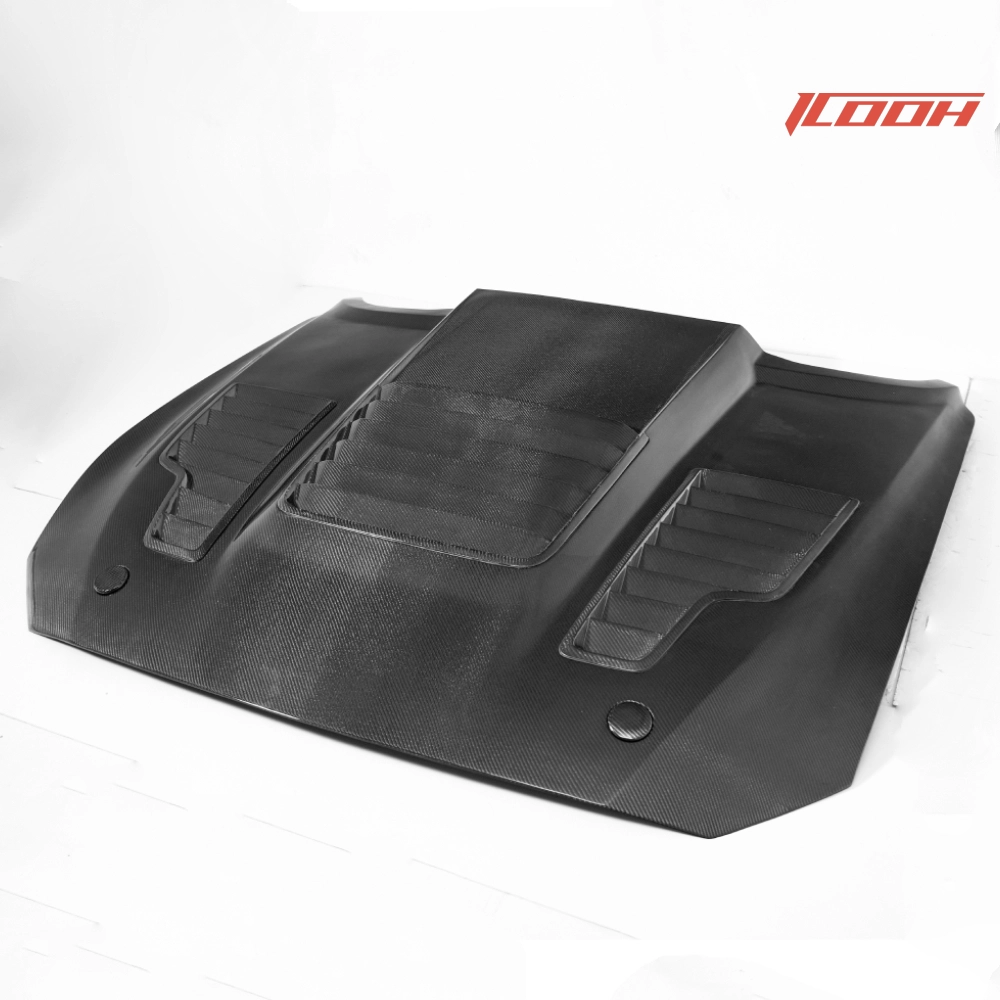
005 Ford Mustang 2018-2023 S550 Exhaust-style Carbon Fiber Front Hood
005 style Carbon Fiber Front Bonnet Engine Hood for Ford Mustang 2018-2023. made of durable carbon fiber material, precision-engineered for OEM-matched fitment. Lightweight and strong, enhances performance while maintaining a sporty aesthetic. Suitable for aftermarket replacement or performance upgrade with 100% tested quality assurance.
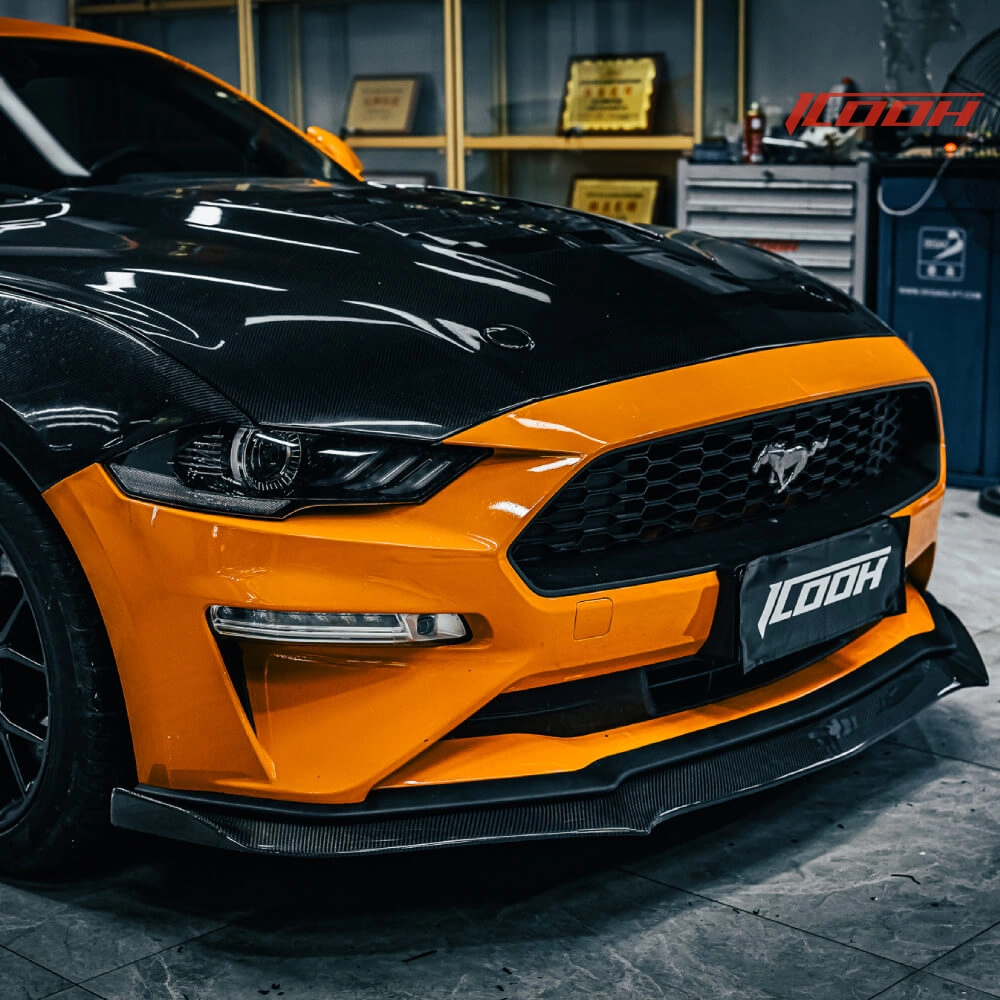
GT350 Ford Mustang 2018-2023 Carbon Fiber Front Lip
Enhance the aerodynamics and style of your Mustang with the 2018–2023 Mustang GT350 Carbon Fiber Front Lip. Crafted from lightweight, high-strength carbon fiber, this front lip delivers improved downforce, sharper front-end appearance, and a precise OEM-style fit.
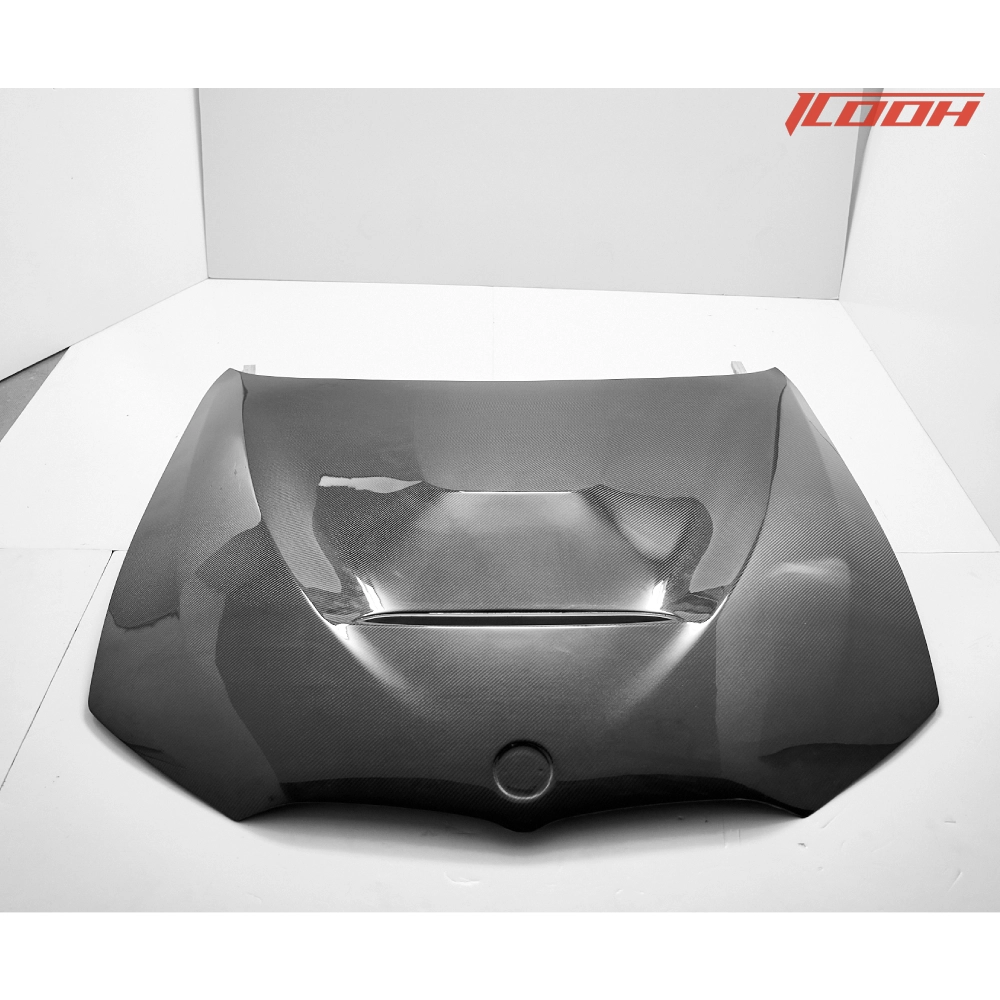
2020-2024 BMW G20 3 Series GTS Style Carbon Fiber Hood
The BMW G20 3 Series GTS-style carbon fiber hood, designed to deliver a lightweight, aggressive, and performance-focused look. Crafted from high-quality carbon fiber, it enhances aerodynamics, improves heat dissipation, and gives your G20 a striking motorsport appearance.

BMW 1 Series F20 GTS style carbon fiber front hood
The BMW 1 Series F20 GTS-style carbon fiber front hood. Made from high-quality carbon fiber, it offers a lightweight, durable construction with improved cooling and a striking performance look. Designed for precise fitment, it enhances both style and aerodynamics for a true motorsport feel.
Lightweight. Durable. Uniquely Yours.
ICOOH is a pioneer in automotive performance and exterior upgrades, compatible with 99% of vehicles worldwide. Let ICOOH be your professional supplier of car tuning parts and performance automotive accessories.
Facebook
Linkedin
Youtube
Instagram