













How to Source Carbon Fiber Body Kits: Buyer’s Checklist for OEMs

- Navigating the Advanced Materials Landscape: A Strategic Approach for OEMs
- Understanding Carbon Fiber Body Kits: Material Science and Manufacturing Processes
- The OEM Buyer's Checklist: Essential Criteria for Sourcing Carbon Fiber Body Kits Suppliers
- Supplier Expertise and Manufacturing Capabilities for Quality Carbon Fiber Body Kits
- Quality Control and Testing Protocols for Reliable Carbon Fiber Body Kits
- Design and Customization Capabilities for Unique Carbon Fiber Body Kits Projects
- Supply Chain Management and Logistics for On-Time Carbon Fiber Body Kits Delivery
- Cost-Effectiveness and Long-Term Partnership in Sourcing Carbon Fiber Body Kits
- Navigating the Market: Choosing a Partner for Advanced Carbon Fiber Body Kits and Performance Solutions
- The ICOOH Advantage: Redefining Performance and Aesthetics with Carbon Fiber Body Kits, Wheel Rims, and Big Brake Kits
- Conclusion
- Frequently Asked Questions (FAQ) about Sourcing Carbon Fiber Body Kits
- Q1: What are the primary benefits of using carbon fiber body kits for OEMs?
- Q2: How do OEM requirements for carbon fiber body kits differ from the aftermarket?
- Q3: What manufacturing process yields the highest quality carbon fiber body kits for OEMs?
- Q4: What certifications should an OEM look for in a carbon fiber body kit supplier?
- Q5: How important are a supplier's R&D capabilities when sourcing carbon fiber body kits?
- Contact ICOOH Today to Elevate Your Automotive Performance and Aesthetics!
- References:
Navigating the Advanced Materials Landscape: A Strategic Approach for OEMs
The automotive industry is in constant pursuit of innovation, driven by demands for enhanced performance, fuel efficiency, and distinctive aesthetics. In this quest, advanced materials play a pivotal role, and none has captured the imagination quite like carbon fiber. Its unparalleled strength-to-weight ratio, rigidity, and unique visual appeal make it the material of choice for high-performance and luxury vehicles. For Original Equipment Manufacturers (OEMs), integrating carbon fiber body kits is no longer just about shedding weight; it's about making a powerful statement on design, engineering prowess, and commitment to cutting-edge technology. However, the journey from concept to mass production for carbon fiber components is complex, demanding a deep understanding of material science, manufacturing processes, and rigorous supplier evaluation. This guide serves as an indispensable buyer’s checklist, designed to equip OEMs with the insights needed to strategically source the highest quality carbon fiber body kits, ensuring both performance excellence and supply chain reliability.
Understanding Carbon Fiber Body Kits: Material Science and Manufacturing Processes
To effectively source carbon fiber body kits, OEMs must first grasp the fundamental science and diverse manufacturing techniques that define these advanced components. Carbon fiber is a polymer that derives its strength from long, thin strands of carbon atoms twisted together, much like yarn. These strands are then woven into a fabric, which is impregnated with a resin (typically epoxy) and cured to form a rigid, lightweight composite material. The magic lies in its anisotropic properties—it's incredibly strong in the direction of the fibers, making fiber orientation crucial for structural integrity and performance.
Several manufacturing methods are employed for producing automotive carbon fiber components, each with its own advantages, cost implications, and suitability for OEM applications:
| Manufacturing Method | Description | Pros for OEMs | Cons for OEMs | Typical Applications |
|---|---|---|---|---|
| Pre-Preg (Pre-Impregnated) | Carbon fiber fabric pre-impregnated with resin, cured under heat and pressure in an autoclave. | Highest strength-to-weight, excellent finish, precise fiber control, minimal resin content, high consistency. | High tooling costs, slower cycle times, material shelf-life, most expensive. | Aerospace, F1, high-performance OEM body panels, structural components. |
| Dry Carbon / Vacuum Infusion | Dry carbon fabric laid up, then resin drawn into the mold under vacuum. Cured in oven/autoclave. | Good strength-to-weight, lower tooling costs than pre-preg, less material waste, good consistency. | Can be complex for intricate shapes, resin flow control is critical. | Aftermarket body kits, mid-volume OEM components. |
| Wet Layup | Dry carbon fabric laid into a mold, then resin applied by hand. Cured at room temperature. | Lowest tooling cost, simple process, good for prototyping. | Heavier (high resin content), inconsistent finish, lower strength, more prone to voids. | One-off custom parts, non-structural aesthetic pieces, low-cost aftermarket. |
| Compression Molding (SMC/GMT) | Chopped carbon fiber and resin mixture pressed into a heated mold. | Fast cycle times, suitable for high-volume production, good dimensional stability. | Lower fiber continuity, reduced strength compared to woven composites, higher upfront tooling. | Structural components, underbody panels, large volume OEM parts. |
Understanding these processes is crucial for OEMs to specify the appropriate manufacturing technique based on performance requirements, aesthetic goals, and target cost for their performance car parts. Key properties to evaluate include the carbon fiber weave pattern (e.g., 2x2 twill, plain, forged carbon), the type of resin used (epoxy for strength, vinyl ester for chemical resistance), and the final finish quality (UV-resistant clear coat, gel coat) to ensure longevity and aesthetic appeal in diverse environmental conditions.
The OEM Buyer's Checklist: Essential Criteria for Sourcing Carbon Fiber Body Kits Suppliers
Sourcing carbon fiber body kits for OEM applications goes beyond simple procurement; it's about forming strategic partnerships that guarantee quality, consistency, and innovation. This comprehensive checklist outlines the critical areas OEMs must evaluate to ensure a successful and reliable supply chain for high-value composite components.
Supplier Expertise and Manufacturing Capabilities for Quality Carbon Fiber Body Kits
- Automotive Industry Experience & Certifications: A supplier's track record in the automotive sector is paramount. Look for certifications like IATF 16949 (or TS 16949), ISO 9001, and ISO 14001, which demonstrate a commitment to quality management systems and environmental responsibility. Experience with OEM programs indicates an understanding of stringent industry standards, documentation requirements, and project management protocols for automotive carbon fiber.
- Production Capacity & Scalability: Can the supplier meet your projected volume requirements, both for initial launch and future scaling? Evaluate their current production lines, machinery, and labor force. Discuss their ability to invest in expansion if demand increases, including access to raw materials and skilled technicians for composite materials production.
- Technology & Equipment: Assess the modernity and sophistication of their manufacturing equipment. This includes advanced autoclaves for pre-preg parts, vacuum infusion systems, precision CNC trimming machines, 3D scanning for quality control, and cleanroom environments. State-of-the-art equipment often correlates with higher quality, greater consistency, and faster production cycles for carbon fiber components.
- R&D Capabilities & Engineering Support: A strong supplier acts as a partner in innovation. Do they have in-house design and engineering teams capable of collaborative development, material selection advice, and problem-solving? Their ability to conduct structural simulations, aerodynamic analyses, and prototyping significantly reduces your internal R&D burden and accelerates product development for custom carbon fiber parts.
Quality Control and Testing Protocols for Reliable Carbon Fiber Body Kits
- Raw Material Sourcing & Certification: Demand full traceability and certification for all raw materials, including carbon fiber fabric and resins. Suppliers should provide Technical Data Sheets (TDS) and Certificates of Analysis (CoA) for each batch. This ensures the consistency and quality of the foundational composite materials.
- In-Process Quality Checks: Inquire about their quality checkpoints throughout the manufacturing process, from fiber layup inspection (fiber orientation, void prevention) to cure cycle monitoring (temperature, pressure, time) and post-curing trimming. Visual inspections, resin content testing, and ply count verification are crucial.
- Final Product Inspection & Tolerances: How do they verify the final product meets dimensional accuracy, surface finish, and aesthetic standards? This includes 3D scanning against CAD models, paint and clear coat adhesion tests, and visual inspection for blemishes, pinholes, or weave distortions. Define acceptable tolerances upfront for all carbon fiber body panels.
- Destructive & Non-Destructive Testing: What testing methodologies do they employ? Destructive testing (e.g., tensile strength, impact resistance, flexural modulus) provides critical mechanical property data. Non-destructive testing (e.g., ultrasonic inspection, thermography, X-ray) can detect internal defects without damaging the part, essential for quality assurance in performance car parts.
- Third-Party Certifications & Audits: Beyond internal QC, does the supplier welcome or undergo third-party quality audits? This adds an extra layer of validation and helps ensure their processes meet international quality benchmarks. A willingness to open their facilities for OEM audits is a strong positive indicator.
Design and Customization Capabilities for Unique Carbon Fiber Body Kits Projects
- CAD/CAE Integration: A proficient supplier should seamlessly integrate with your existing CAD (Computer-Aided Design) data and workflows. Their ability to work with various file formats (e.g., STEP, IGES, SolidWorks, CATIA) and provide design feedback is vital. This includes expertise in finite element analysis (FEA) for structural integrity and computational fluid dynamics (CFD) for aerodynamic optimization of custom carbon fiber body kits.
- Prototyping & Iteration: Assess their prototyping capabilities, from rapid tooling for initial samples to low-volume production runs. A supplier who can quickly produce accurate prototypes and iterate on designs based on your feedback accelerates the development cycle and reduces time-to-market for new automotive components.
- Surface Finish & Aesthetic Customization: Carbon fiber's visual appeal is a major selling point. Discuss various weave options, matte vs. gloss finishes, tinted clear coats, and the ability to integrate branding or specific aesthetic requirements. Consistent, high-quality surface finish is paramount for OEM-grade carbon fiber body kits.
Supply Chain Management and Logistics for On-Time Carbon Fiber Body Kits Delivery
- Lead Times & Production Scheduling: Clearly define lead times for tooling, prototypes, and mass production. Understand their production scheduling process and how they manage capacity to meet agreed-upon delivery dates. A transparent system for tracking order status is beneficial for OEM sourcing.
- Inventory Management: Inquire about their raw material inventory policies and finished goods warehousing. Can they support just-in-time (JIT) delivery or maintain buffer stock as needed? Robust inventory management minimizes delays and ensures a steady supply of lightweight components.
- Packaging & Shipping Expertise: Carbon fiber body kits are often large and fragile. Evaluate their packaging solutions to prevent damage during transit, including custom crating, protective wraps, and appropriate shipping methods. Experience with international logistics, customs, and freight forwarding is critical for global performance car parts supply chains.
- Contingency Planning: What are their contingency plans for unexpected disruptions (e.g., raw material shortages, natural disasters, equipment failure)? A resilient supplier will have robust risk management strategies in place to maintain supply continuity.
Cost-Effectiveness and Long-Term Partnership in Sourcing Carbon Fiber Body Kits
- Transparent Pricing Structure: Request a detailed breakdown of costs, including tooling, unit pricing, NRE (Non-Recurring Engineering) charges, and any additional fees. Compare pricing across multiple qualified suppliers, but prioritize value over lowest cost, considering quality and reliability for OEM carbon fiber.
- Value Engineering & Cost Optimization: A proactive supplier will offer suggestions for value engineering—optimizing design or manufacturing processes to reduce costs without compromising quality or performance. This collaborative approach leads to more efficient production of automotive customization components.
- Warranty & After-Sales Support: Understand the supplier's warranty policy for defects, manufacturing flaws, and material failures. Evaluate their responsiveness and support for any issues that may arise post-delivery, which is crucial for maintaining OEM reputation.
- Relationship Building: Look for a partner, not just a vendor. A long-term relationship built on trust, open communication, and mutual understanding is invaluable for complex performance automotive parts projects. This fosters continuous improvement and innovation.
Navigating the Market: Choosing a Partner for Advanced Carbon Fiber Body Kits and Performance Solutions
In the competitive landscape of automotive manufacturing, selecting the right partner for your carbon fiber body kits and other performance components is a strategic decision that impacts product quality, market positioning, and overall business success. OEMs require suppliers who not only meet stringent technical specifications but also offer robust R&D capabilities, scalability, and an unwavering commitment to excellence. This is where a specialist like ICOOH distinguishes itself.
Founded in 2008, ICOOH has grown into a pioneering force in the global automotive performance and modification industry. As a professional performance car parts manufacturer, we specialize in developing, producing, and exporting big brake kits, carbon fiber body kits, and forged wheel rims—delivering integrated solutions for both performance and aesthetics. Our mission is to redefine automotive performance and aesthetics through precision engineering and creative innovation.
ICOOH’s strength lies in complete vehicle compatibility and powerful in-house design and R&D capabilities. Our products cover more than 99% of vehicle models worldwide, providing precise fitment and exceptional performance, making us an ideal partner for OEMs seeking broad market coverage. Whether you are a tuning brand, automotive distributor, or an OEM partner, ICOOH delivers solutions tailored to your market needs, ensuring that your carbon fiber body kits and other components seamlessly integrate with your vehicle lineup.
Our R&D center is staffed with over 20 experienced engineers and designers dedicated to continuous innovation. Utilizing advanced 3D modeling, structural simulation, and aerodynamic analysis, we ensure every product, especially our performance carbon fiber body kits, meets the highest performance and design standards. This deep technical expertise allows us to collaborate closely with OEMs from concept to production, providing invaluable input on material selection, manufacturing optimization, and aesthetic refinement, ensuring that the final product is not just a part, but a testament to engineering excellence.
The ICOOH Advantage: Redefining Performance and Aesthetics with Carbon Fiber Body Kits, Wheel Rims, and Big Brake Kits
For OEMs seeking to elevate their vehicles' performance and aesthetic appeal, partnering with ICOOH offers a distinct competitive advantage. Our integrated approach to automotive component manufacturing, spanning carbon fiber body kits, forged wheel rims, and big brake kits, positions us as a comprehensive solution provider, capable of delivering superior quality and innovation across multiple critical areas.
Our carbon fiber body kits are engineered with meticulous precision, leveraging advanced manufacturing techniques like pre-preg and vacuum infusion to achieve optimal strength-to-weight ratios, flawless surface finishes, and precise fitment. We understand that for OEMs, carbon fiber is not just about aesthetics; it's about contributing to aerodynamic efficiency, reducing unsprung weight, and enhancing the overall driving dynamics. Our R&D team's expertise in aerodynamic analysis ensures that our designs are not only visually striking but also functionally superior, offering tangible performance benefits.
Beyond body kits, ICOOH excels in manufacturing high-performance forged wheel rims. These are vital lightweight components that complement carbon fiber body kits by further reducing unsprung mass, improving handling, and enhancing vehicle aesthetics. Our forging process ensures maximum strength and durability, critical for OEM applications where safety and longevity are paramount. We offer extensive customization options in design, finish, and size to perfectly match the OEM's brand identity and vehicle specifications.
Completing our integrated performance package are our cutting-edge big brake kits. Designed for superior stopping power, thermal management, and fade resistance, these kits are essential for vehicles pushing performance boundaries. By offering big brake kits alongside carbon fiber body kits and forged wheel rims, ICOOH provides a synergistic solution that enhances not just individual components but the entire vehicle's performance envelope. Our comprehensive vehicle compatibility, covering over 99% of global models, ensures that OEMs can confidently integrate our solutions across a wide range of platforms.
At ICOOH, our commitment to precision engineering, continuous innovation, and rigorous quality control sets us apart. Our in-house design and R&D capabilities, backed by a team of over 20 experienced engineers, mean we can tackle complex OEM challenges, from bespoke design projects to high-volume production. We are more than a supplier; we are a strategic partner dedicated to delivering unparalleled performance and aesthetic solutions that redefine automotive excellence for our OEM clients worldwide.
Conclusion
Sourcing carbon fiber body kits for OEM applications is a strategic endeavor demanding meticulous attention to detail, a deep understanding of manufacturing processes, and rigorous supplier evaluation. By adhering to a comprehensive buyer's checklist that covers supplier expertise, quality control, design capabilities, supply chain management, and cost-effectiveness, OEMs can mitigate risks and ensure the integration of high-quality, high-performance components. Partnering with a specialist like ICOOH, with its proven track record in advanced manufacturing, extensive R&D, and a holistic approach to performance and aesthetic solutions, offers a clear path to achieving unparalleled automotive excellence. Our integrated offerings in carbon fiber body kits, forged wheel rims, and big brake kits provide OEMs with a trusted partner capable of elevating their vehicles' market position and driving consumer demand.
Frequently Asked Questions (FAQ) about Sourcing Carbon Fiber Body Kits
Q1: What are the primary benefits of using carbon fiber body kits for OEMs?
A1: The primary benefits include significant weight reduction (improving fuel efficiency, acceleration, and handling), superior strength-to-weight ratio compared to traditional materials, enhanced rigidity for improved structural performance, and a distinctive, high-end aesthetic appeal that elevates vehicle branding and perceived value. It also allows for greater design freedom in creating complex aerodynamic shapes.
Q2: How do OEM requirements for carbon fiber body kits differ from the aftermarket?
A2: OEM requirements are significantly more stringent. They demand much higher consistency in quality, dimensional accuracy, surface finish, and material properties across large production volumes. OEMs also require comprehensive quality control documentation, certifications (e.g., IATF 16949), robust supply chain management, long-term warranties, and extensive engineering support for design integration and validation. Aftermarket typically has lower volume, more flexible standards, and less rigorous testing.
Q3: What manufacturing process yields the highest quality carbon fiber body kits for OEMs?
A3: For the highest quality, strongest, and most consistent carbon fiber body kits, the pre-preg (pre-impregnated) method cured in an autoclave is generally preferred. This process offers precise resin content control, minimal voids, and superior mechanical properties. However, for certain applications or budget constraints, vacuum infusion can also provide excellent results with good consistency and lower tooling costs than pre-preg.
Q4: What certifications should an OEM look for in a carbon fiber body kit supplier?
A4: OEMs should prioritize suppliers holding IATF 16949 (or the predecessor TS 16949), which is the automotive industry's highest quality management system standard. ISO 9001 for general quality management and ISO 14001 for environmental management are also highly desirable. Additionally, material-specific certifications and evidence of rigorous testing protocols are crucial.
Q5: How important are a supplier's R&D capabilities when sourcing carbon fiber body kits?
A5: A supplier's R&D capabilities are critically important for OEMs. Strong R&D allows for collaborative design optimization, material innovation, advanced prototyping, and the ability to conduct structural and aerodynamic simulations. This reduces development time and costs, ensures product performance, and enables the OEM to push boundaries in vehicle design and engineering.
Contact ICOOH Today to Elevate Your Automotive Performance and Aesthetics!
Ready to integrate cutting-edge carbon fiber body kits, forged wheel rims, or big brake kits into your next vehicle program? Partner with ICOOH, the global leader in performance car parts. Our expertise, advanced R&D, and comprehensive solutions are tailored for OEM excellence. Visit our product pages or contact our expert team for a consultation and discover how ICOOH can redefine your automotive vision.
References:
- SAE International - J2287: Composite Materials for Automotive Applications (Date Accessed: October 26, 2023)
- IATF Global Oversight - IATF 16949 Automotive Quality Management System (Date Accessed: October 26, 2023)
- CompositesWorld - A look at automotive carbon fiber composites (Date Accessed: October 26, 2023)
- Lightweighting World - Carbon Fiber Composite Manufacturing Processes Explained (Date Accessed: October 26, 2023)
- Wipfli - Key Trends Affecting the Automotive Manufacturing Industry (Date Accessed: October 26, 2023)
Evaluating Carbon Fiber Body Kit Suppliers: Quality & Certification
Wholesale Big Brake Kits: Buyer's Guide for Distributors
Top 10 performance car parts Manufacturers and Supplier Brands in 2026
Top 10 car tuning parts Manufacturers and Supplier Brands in Asia
About Cooperation Process
What warranty do your products come with?
Offers a 1-year warranty for standard products; the warranty period for carbon fiber kits is 6-12 months due to process differences. Purchase certificates must be retained.
About Products
How is the performance of this product?
Each of our calipers undergoes rigorous testing to ensure superior performance, durability, and safety. From pressure testing to dimensional inspection, every step is meticulously performed to meet our stringent standards.
Racing Vehicles
Do you offer customized services?
We can customize the caliper, disc, and friction pad combination based on the vehicle type, event type, and driving style.
Is replacement or maintenance easy?
The modular quick-release design allows for rapid on-track brake pad/disc replacement, minimizing downtime.
About Application
What is the process for custom/OEM/ODM services?
Customers can provide their vehicle model, operating conditions, and brand requirements. Our engineering team will then conduct solution design, sample development, testing and verification, and then mass production and delivery. The process is transparent and traceable.
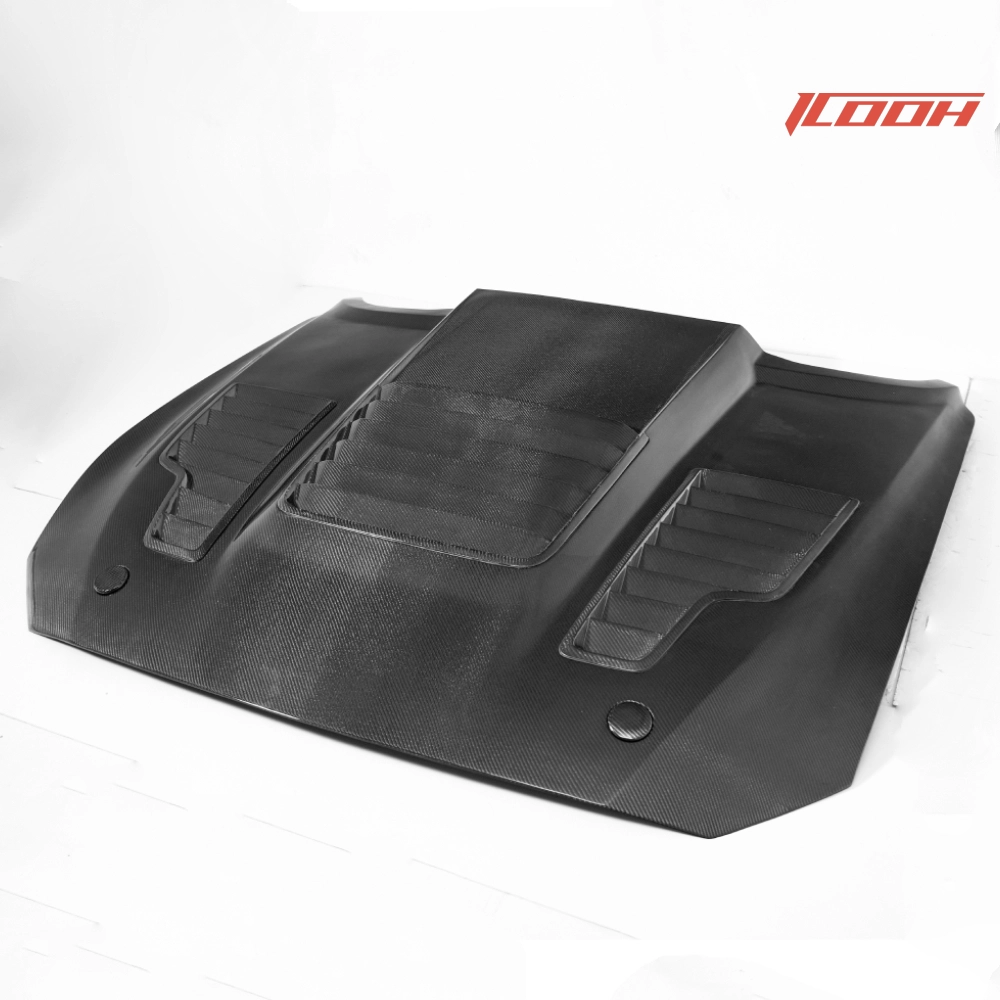
005 Ford Mustang 2018-2023 S550 Exhaust-style Carbon Fiber Front Hood
005 style Carbon Fiber Front Bonnet Engine Hood for Ford Mustang 2018-2023. made of durable carbon fiber material, precision-engineered for OEM-matched fitment. Lightweight and strong, enhances performance while maintaining a sporty aesthetic. Suitable for aftermarket replacement or performance upgrade with 100% tested quality assurance.
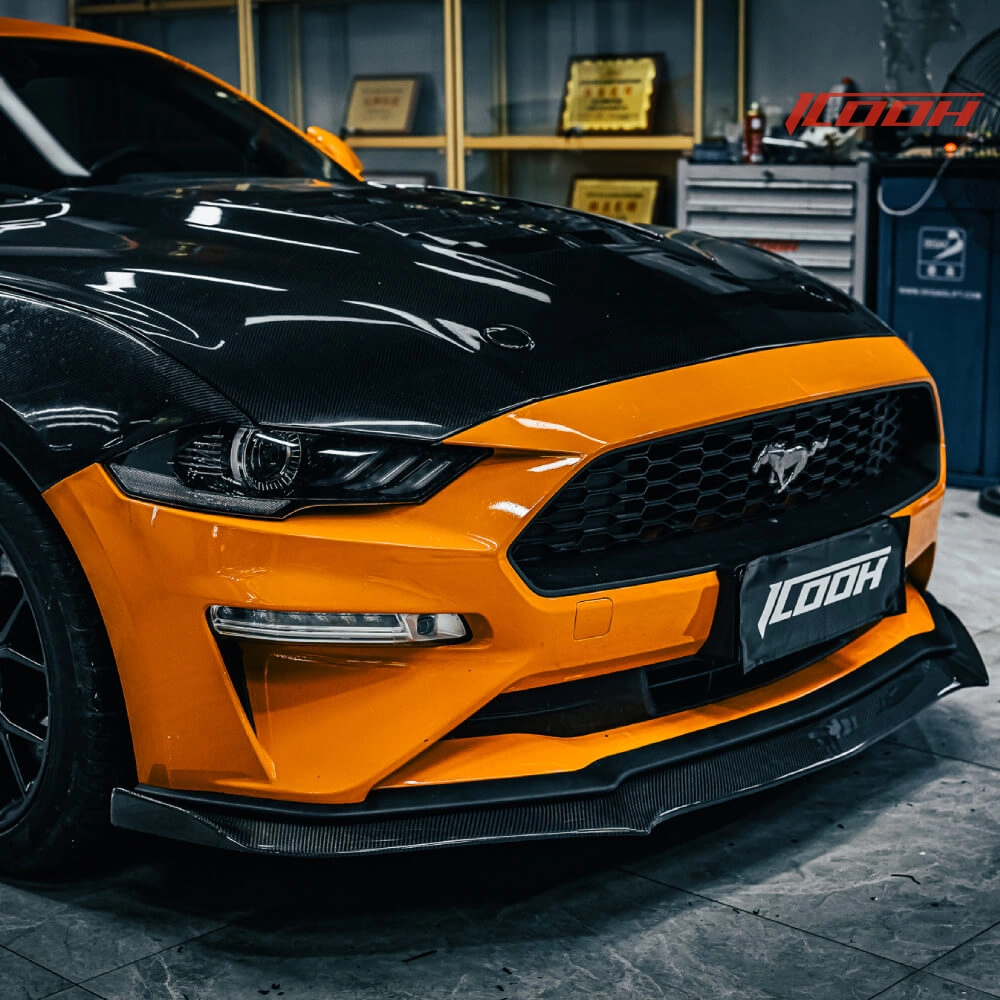
GT350 Ford Mustang 2018-2023 Carbon Fiber Front Lip
Enhance the aerodynamics and style of your Mustang with the 2018–2023 Mustang GT350 Carbon Fiber Front Lip. Crafted from lightweight, high-strength carbon fiber, this front lip delivers improved downforce, sharper front-end appearance, and a precise OEM-style fit.
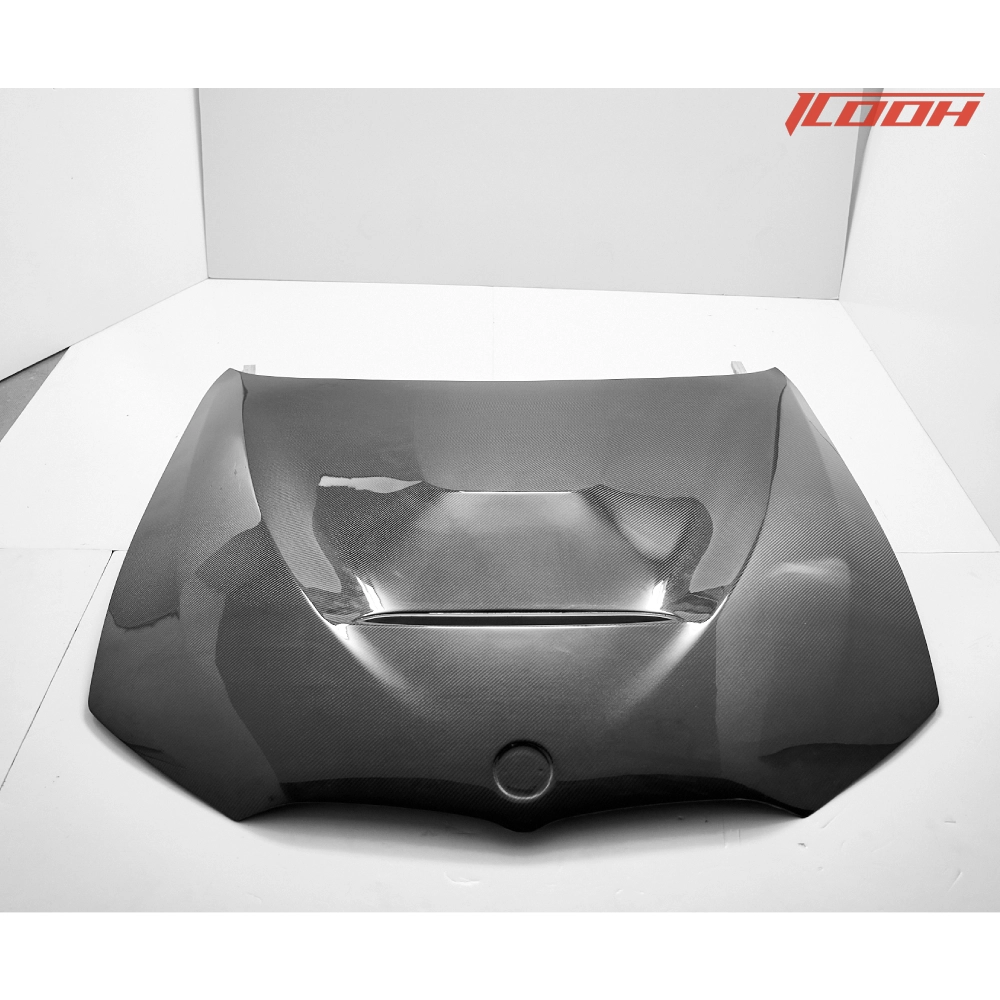
2020-2024 BMW G20 3 Series GTS Style Carbon Fiber Hood
The BMW G20 3 Series GTS-style carbon fiber hood, designed to deliver a lightweight, aggressive, and performance-focused look. Crafted from high-quality carbon fiber, it enhances aerodynamics, improves heat dissipation, and gives your G20 a striking motorsport appearance.

BMW 1 Series F20 GTS style carbon fiber front hood
The BMW 1 Series F20 GTS-style carbon fiber front hood. Made from high-quality carbon fiber, it offers a lightweight, durable construction with improved cooling and a striking performance look. Designed for precise fitment, it enhances both style and aerodynamics for a true motorsport feel.
Lightweight. Durable. Uniquely Yours.
ICOOH is a pioneer in automotive performance and exterior upgrades, compatible with 99% of vehicles worldwide. Let ICOOH be your professional supplier of car tuning parts and performance automotive accessories.
Facebook
Linkedin
Youtube
Instagram