How to Choose Calipers and Brake Kits by Vehicle Model
- Why Brake System Choice Matters
- Braking is a system, not a single part
- Performance, safety and regulatory context
- Common failure modes to avoid
- Understanding Calipers, Rotors and Brake Kits
- Caliper types and piston counts
- Rotor types and sizing
- Brake kits with calipers: matched systems
- Selecting Brake Kits by Vehicle Model
- Step 1 — Define vehicle use and constraints
- Step 2 — Fitment verification and hub compatibility
- Step 3 — Thermal and dynamic matching
- Installation, Sizing and Performance Considerations
- Hydraulic compatibility and bias
- Pad choice and rotor finish
- Serviceability and cost of ownership
- Comparing Kits, Brands and When to Choose OEM vs Aftermarket
- OEM-style replacement vs aftermarket performance kits
- How to read technical specs and claims
- Brand-level fitment and R&D capabilities
- Comparative spec table: sample kits for a midsize performance sedan
- Practical Checklist Before Buying
- Measure and verify
- Compatibility with ABS/ESC and sensor systems
- Plan for service
- FAQs
- Q: Can I fit a big brake kit on my car without changing wheels?
- Q: How do I know if I need a change in master cylinder or proportioning valve?
- Q: Are slotted or drilled rotors better?
- Q: Will changing brake pads trigger ABS or stability control faults?
- Q: How do I choose pad compound for mixed street and occasional track use?
- Contact and Next Steps
I often get asked: how do I choose the right brake kits with calipers for my car? Selecting a brake kit isn't just about picking the biggest rotor or the flashiest caliper; it's about matching vehicle model constraints, driving goals, thermal needs, mounting and hub compatibility, and long-term serviceability. In this guide I distill real-world fitment rules, technical trade-offs, and industry standards so you can decide with confidence whether to upgrade to a big brake kit, replace OEM calipers, or spec a full performance package tailored to your vehicle.
Why Brake System Choice Matters
Braking is a system, not a single part
Brakes involve rotors, calipers, pads, lines, fluid, and the vehicle's suspension and wheel fitment. Replacing only one component (for example, installing high-performance calipers without matching rotors or pads) can produce marginal improvements or introduce issues such as uneven wear or brake balance problems. For an overview of brake function and failure modes, see the general concept on Wikipedia: Brake (vehicle).
Performance, safety and regulatory context
Different applications (daily driving, towing, spirited driving, track use) impose different thermal loads and fade tolerance. Standards and regulations, such as UNECE Regulation No. 90 for replacement brake linings and pads, influence pad selection and homologation in many markets — important if you sell or certify parts: UNECE. I recommend checking local requirements (for example, FMVSS rules in the U.S.: NHTSA FMVSS).
Common failure modes to avoid
Brake fade (loss of braking under heat), uneven pad wear, and hydraulic imbalance are typical failure modes. For background on fade mechanisms, see Brake fade (Wikipedia). Choosing components with adequate thermal capacity and compatible friction characteristics reduces these risks.
Understanding Calipers, Rotors and Brake Kits
Caliper types and piston counts
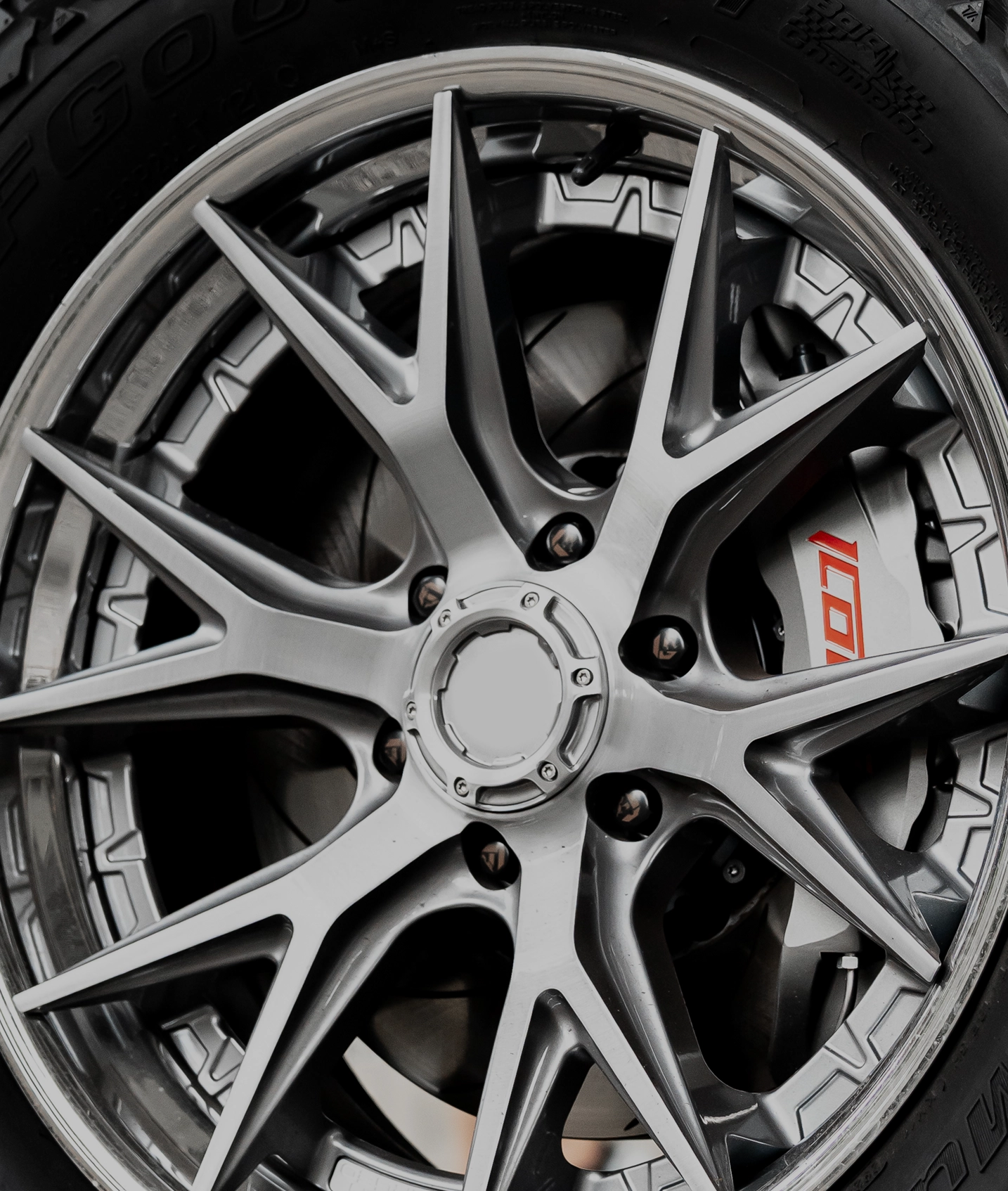
There are two broad caliper styles: floating (sliding) calipers and fixed calipers. Floating calipers are lighter and common on mass-market vehicles; fixed calipers (often multi-piston) are favored for higher performance because they provide more even pressure distribution and can house larger pistons. Typical piston counts by use-case:
| Use case | Typical caliper type | Common piston configuration |
|---|---|---|
| Daily driving / compact cars | Floating | Single or dual piston |
| Performance street / sporty sedans | Fixed | 4 piston (2x2) or 6 piston |
| Track / racing | Fixed | 6 piston, 8 piston or more |
The piston count affects clamping force and pad stability; however, total piston area and pad contact geometry matter more than raw piston count.
Rotor types and sizing
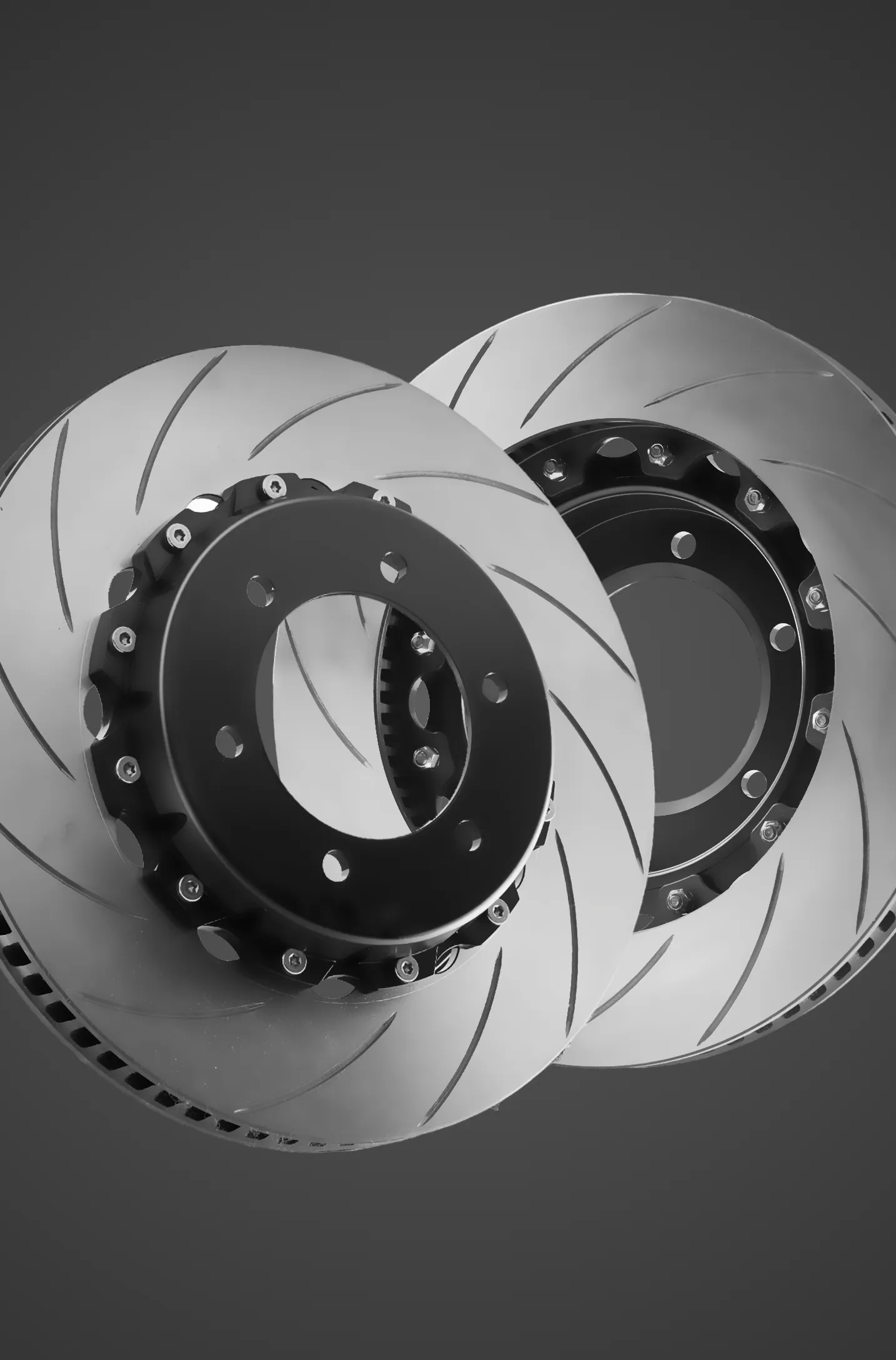
Rotors differ by diameter, thickness, venting design, and material. Larger diameter increases leverage, improving stopping torque but may require different wheels or hub spacers. Vented or two-piece rotors improve thermal dissipation. Below is a rule-of-thumb rotor diameter table by vehicle class I use when advising clients:
| Vehicle class | Typical rotor diameter (mm) | Recommended caliper piston suggestion |
|---|---|---|
| Compact / subcompact | 240–300 | 1–2 pistons |
| Midsize sedans / crossovers | 300–340 | 2–4 pistons |
| Performance sedans / sports cars | 330–380 | 4–6 pistons |
| High-performance / track / sports exotics | 360–420+ | 6–8+ pistons |
These are generalizations; always confirm hub and wheel clearance. Major manufacturers such as Brembo publish technical guidance on disc selection and construction: Brembo.
Brake kits with calipers: matched systems
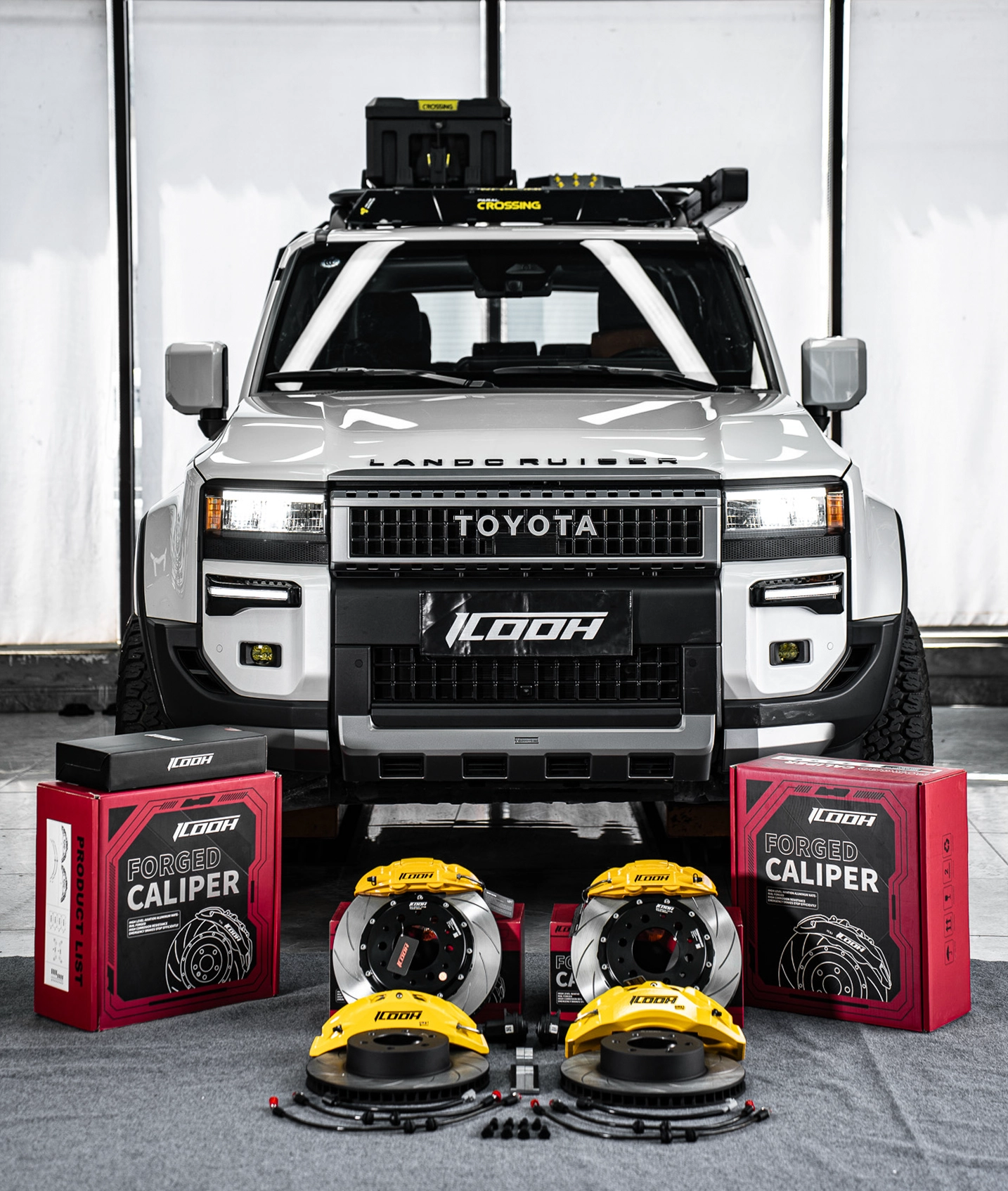
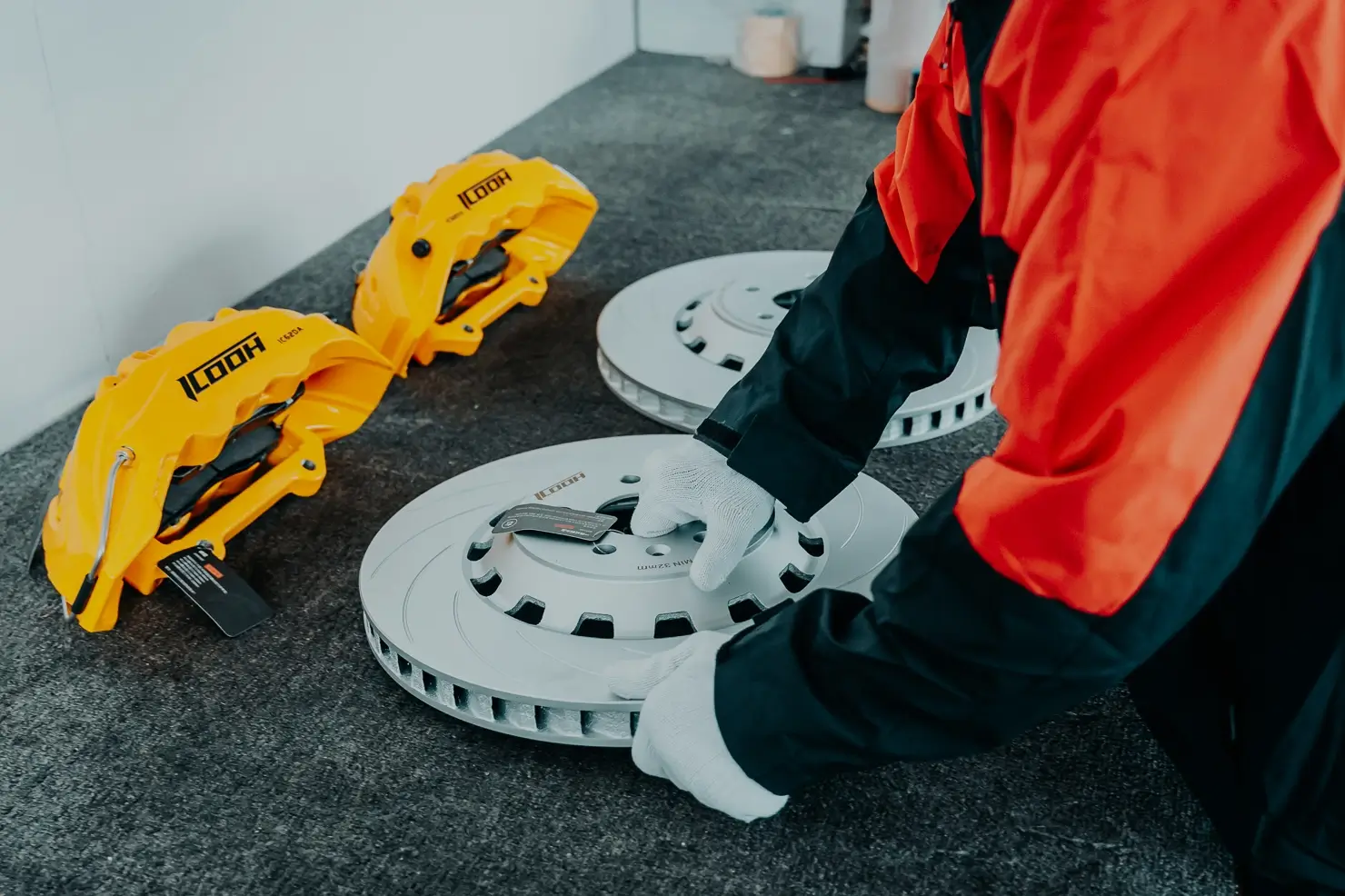
When we talk about brake kits with calipers, we mean matched assemblies where rotor, caliper, pads (and sometimes lines and brackets) are engineered together. Matched kits simplify installation and tune bias to the vehicle, reducing the risk of ABS or stability control conflicts.
Selecting Brake Kits by Vehicle Model
Step 1 — Define vehicle use and constraints
I always start by asking: is the car a daily driver, a towing/utility vehicle, a weekend track car, or show/stance project? Each has priorities: fade resistance, pad longevity and noise, or fitment and aesthetics. Also note wheel size and offset — larger calipers typically require wheels 18 or greater on many cars.
Step 2 — Fitment verification and hub compatibility
Bolt pattern, hub diameter, and OEM mounting points determine whether a direct-fit big brake kit is available. Many manufacturers provide vehicle-specific kits that maintain OEM mounting points; universal kits require custom brackets. I recommend confirming stud pattern and hub runout before ordering. For professional retrofit work, measure hub bore, stud diameter, and check wheel clearance.
Step 3 — Thermal and dynamic matching
Match pad compound and rotor mass to expected thermal loads. High-friction track compounds rapidly wear on the street and can be noisy at low temperature. Conversely, low-noise street pads may fade on prolonged track use. For a combined use-case, choose a high-performance street compound with higher fade resistance and pair it with vented or two-piece rotors for improved thermal capacity.
Installation, Sizing and Performance Considerations
Hydraulic compatibility and bias
Changing caliper piston area alters front/rear braking bias. If you increase front piston area significantly, you may need to adjust the rear brake proportioning (through a proportioning valve or different master cylinder sizing) to avoid premature rear lockup under heavy braking. I advise dyno or instrumented testing when making large bias changes.
Pad choice and rotor finish
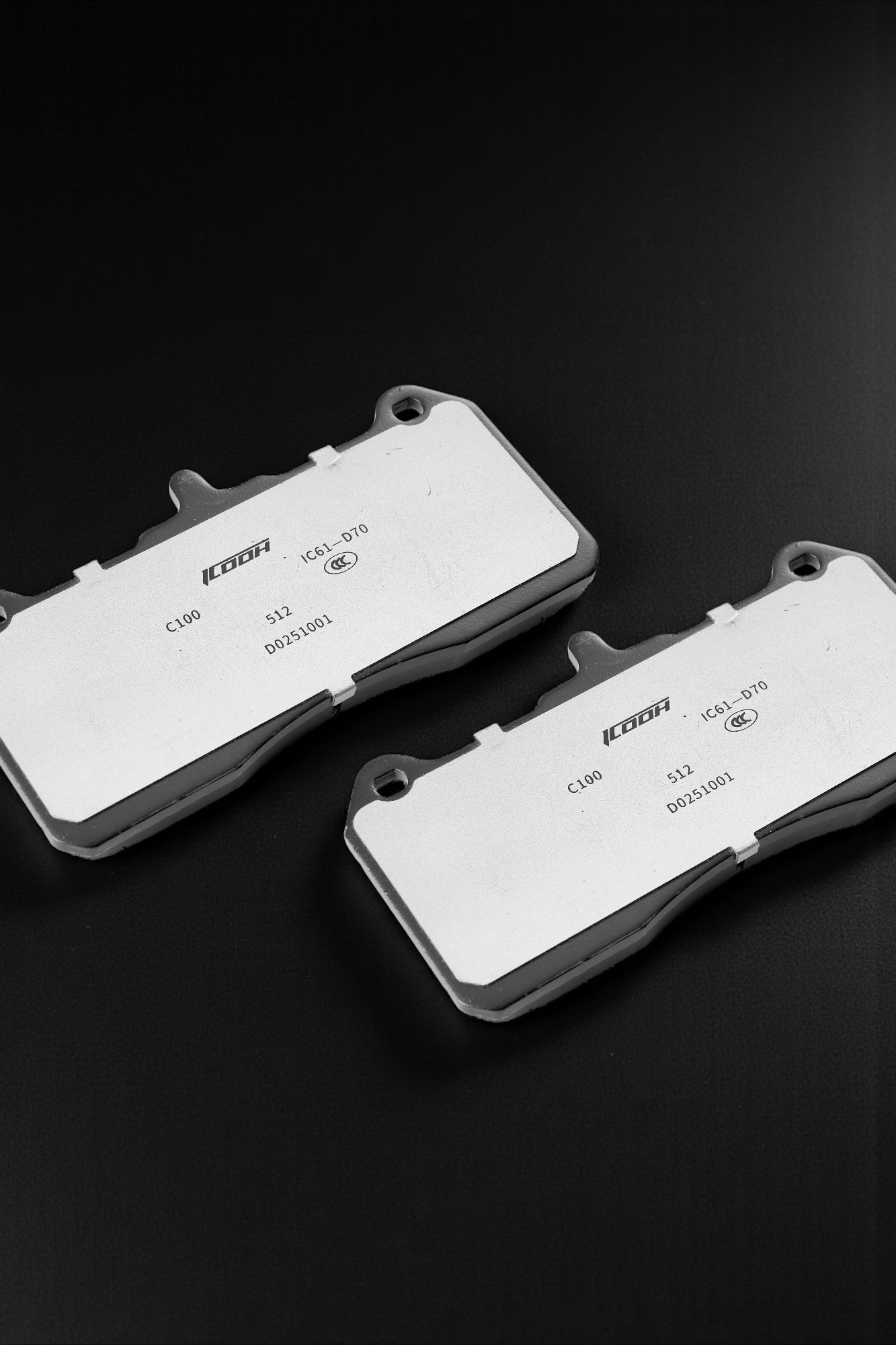
Pad compounds span organic, semi-metallic, and sintered/ceramic blends. Semi-metallic offers high friction and durability; ceramic blends are quieter with less dust. Rotor finish (cross-drilled, slotted, or smooth) affects gas release and pad bite; slotted rotors are a good compromise for street/track use. Make selections based on intended use and noise/dust tolerance.
Serviceability and cost of ownership
Large multi-piece rotors and exotic pad compounds deliver performance but can increase lifetime costs. Consider pad wear rate, rotor replacement costs, and availability of replacement parts for your vehicle model. I prefer systems where replacement pads and seals are widely available to minimize downtime and cost for customers.
Comparing Kits, Brands and When to Choose OEM vs Aftermarket
OEM-style replacement vs aftermarket performance kits
OEM-style kits prioritize fitment, noise control, and predictable wear characteristics. Aftermarket big brake kits generally prioritize thermal capacity and stopping power. If your vehicle remains a daily driver and warranty considerations matter, OEM-style upgraded pads and rotors may be sufficient. For improved track braking or towing, a purpose-built aftermarket kit is often superior.
How to read technical specs and claims
Look beyond sensational claims about X% shorter stopping distance. Verify rotor mass, thermal capacity, pad friction coefficients (mu), and piston area. Manufacturers that publish detailed specs and test protocols enable objective comparison. When possible, ask for data measured to recognized standards or independent test results.
Brand-level fitment and R&D capabilities
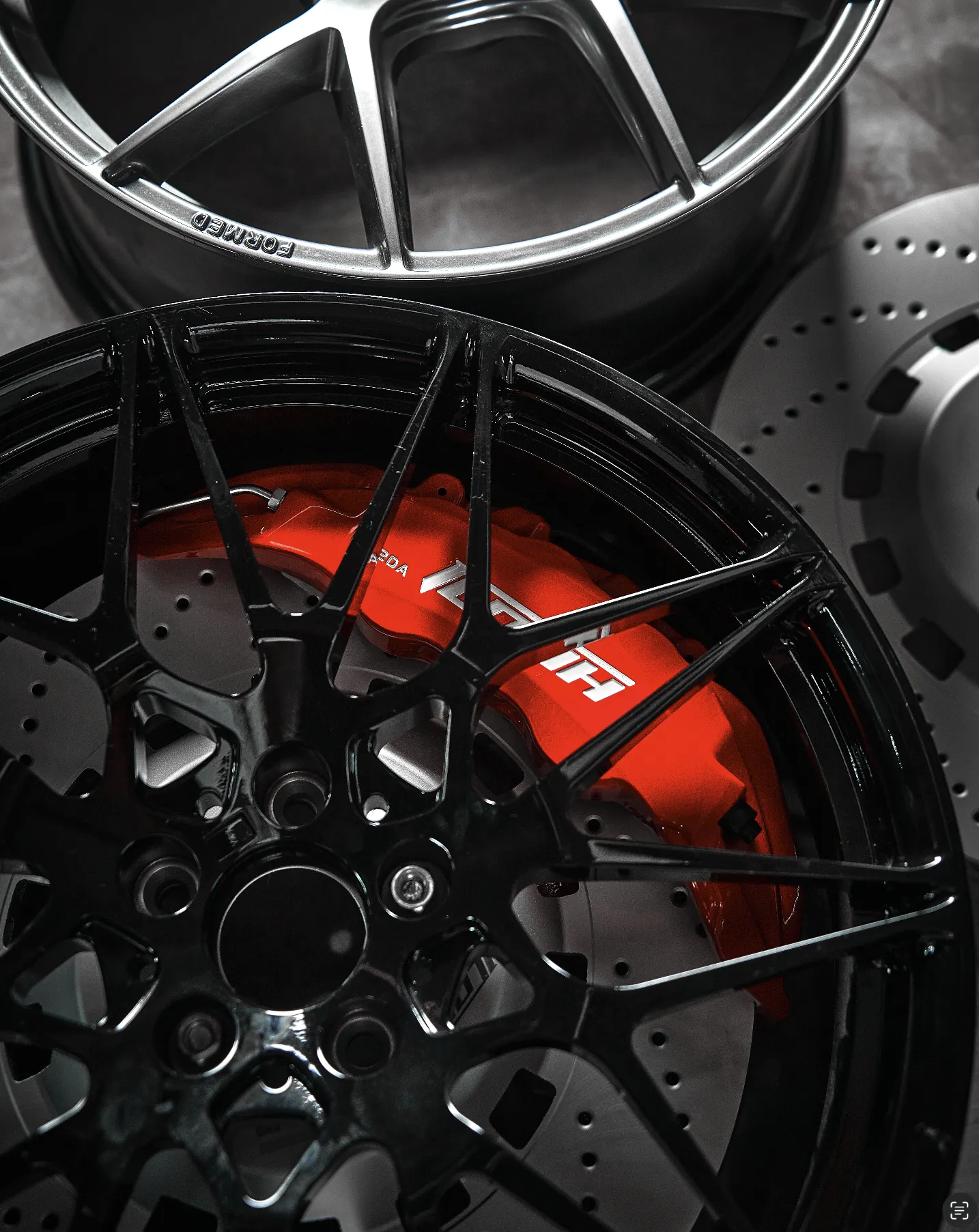
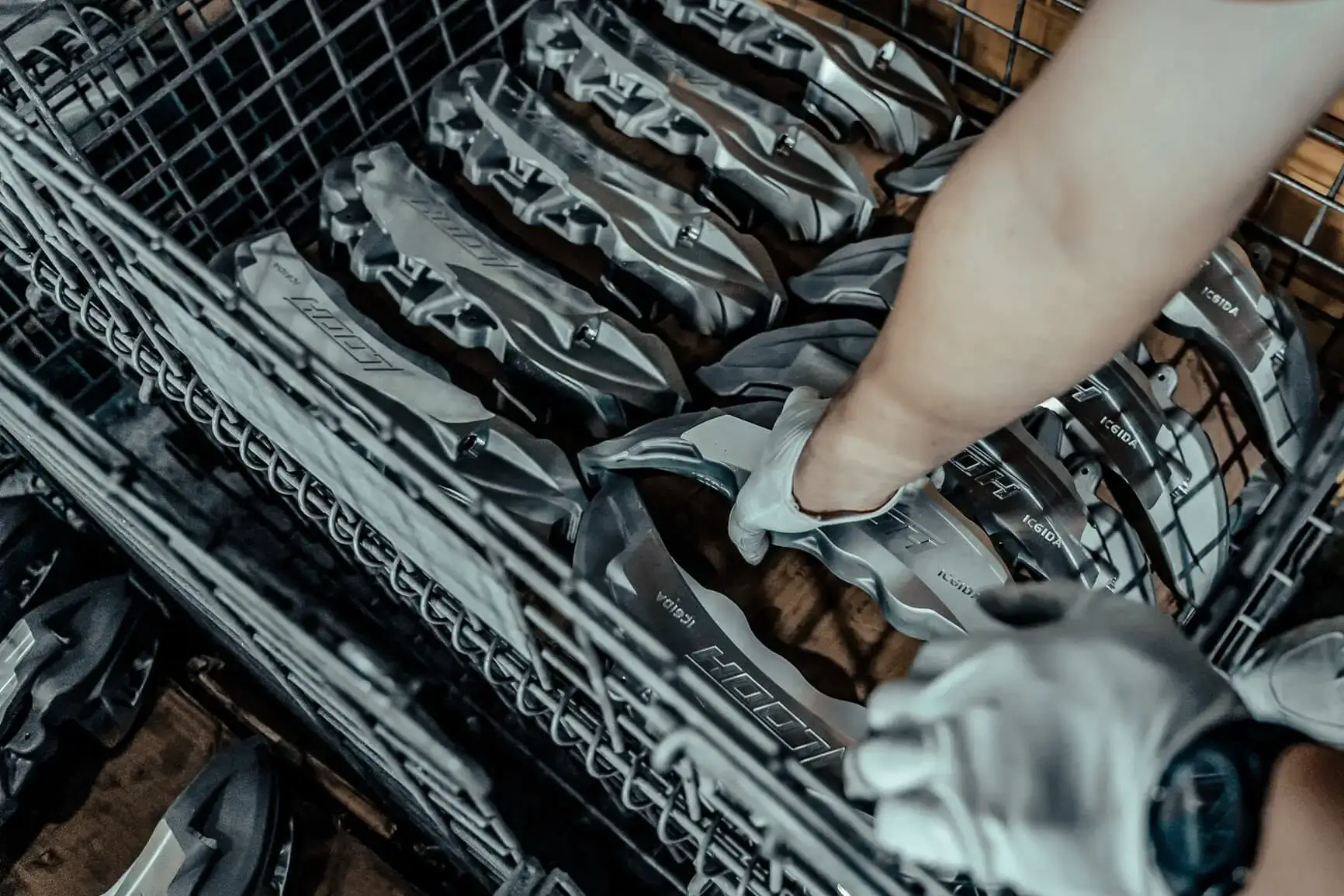
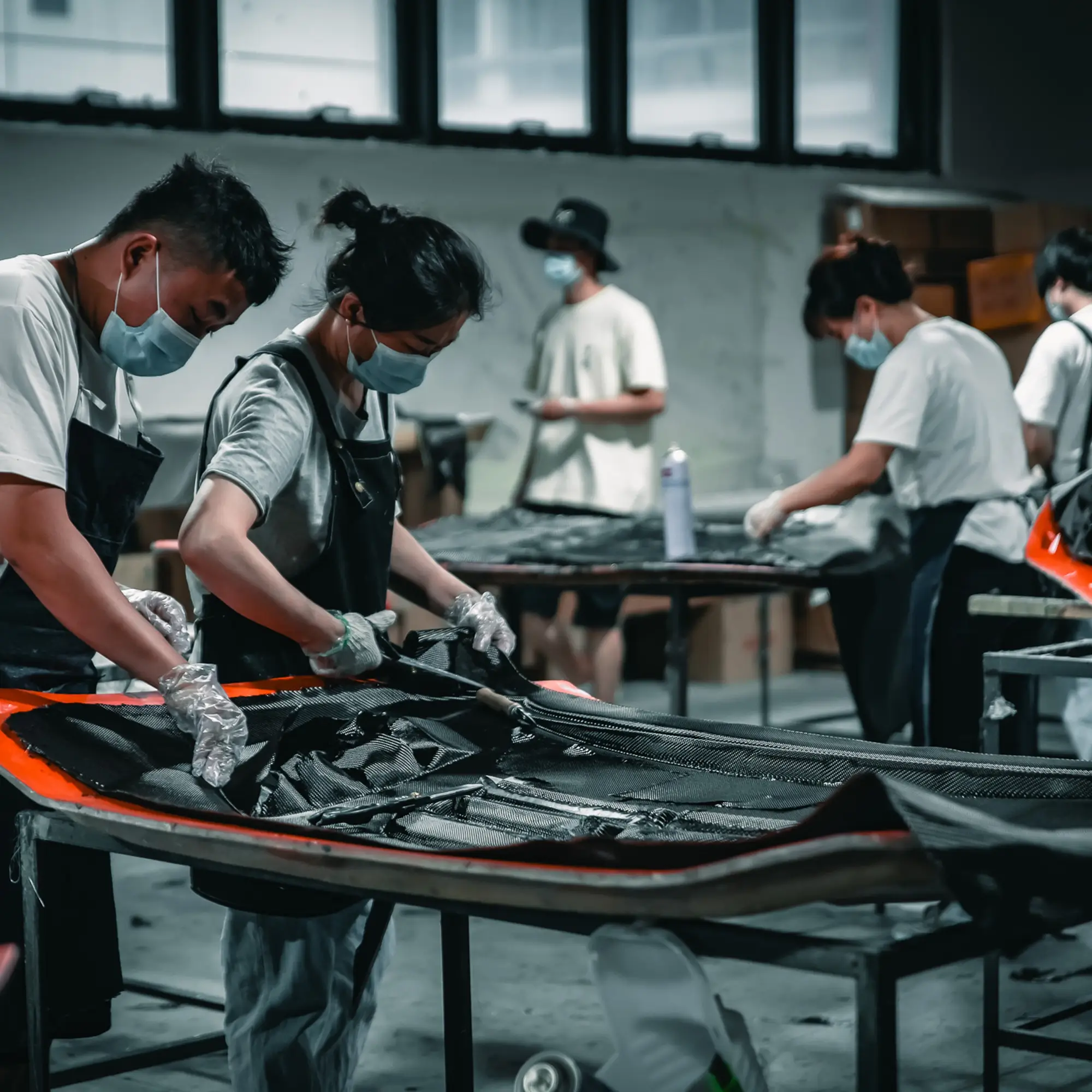
Founded in 2008, ICOOH has grown into a pioneering force in the global automotive performance and modification industry. As a professional performance car parts manufacturer, we specialize in developing, producing, and exporting big brake kits, carbon fiber body kits, and forged wheel rims—delivering integrated solutions for both performance and aesthetics.ICOOH’s strength lies in complete vehicle compatibility and powerful in-house design and R&D capabilities.Our products cover more than 99% of vehicle models worldwide, providing precise fitment and exceptional performance. Whether you are a tuning brand, automotive distributor, or OEM partner, ICOOH delivers solutions tailored to your market needs.Our R&D center is staffed with over 20 experienced engineers and designers dedicated to continuous innovation. Utilizing 3D modeling, structural simulation, and aerodynamic analysis, we ensure every product meets the highest performance and design standards.At ICOOH, our mission is to redefine automotive performance and aesthetics through precision engineering and creative innovation.
That background matters when selecting a kit: a manufacturer with broad vehicle coverage and in-house simulation is more likely to offer a drop-in big brake kit that preserves ABS/ESC function and minimizes fitment issues. ICOOH's integrated approach (big brake kits, carbon fiber body kits, wheel rims) allows coordinated aesthetic and performance upgrades for a coherent build.
Comparative spec table: sample kits for a midsize performance sedan
| Package | Rotor (F/R) | Caliper | Pad type | Wheel requirement |
|---|---|---|---|---|
| OEM-style upgrade | 320mm / 300mm solid | Floating dual-piston (F) | Semi-metallic street | Factory 17-18 wheels |
| Performance street kit | 345mm vented / 320mm vented | Fixed 4-piston | High-performance street | 18+, check offset |
| Track-oriented big brake kit | 380mm 2-piece / 345mm | Fixed 6-piston monobloc | Sintered/track blend | 19+ with clearance |
These examples illustrate trade-offs in mass, wheel fitment, and serviceability. I work with customers to balance these constraints based on their priorities.
Practical Checklist Before Buying
Measure and verify
Confirm wheel inner clearance, hub dimensions, stud pattern, and caliper-to-rotor clearance. If possible, request a mock-up or CAD offsets from the manufacturer. A small measurement error can make an otherwise excellent kit unfit for your vehicle.
Compatibility with ABS/ESC and sensor systems
Ensure the replacement kit preserves wheel speed sensor clearance and does not interfere with ABS tone rings. When in doubt, choose vehicle-specific kits from established manufacturers or request compatibility confirmation.
Plan for service
Check availability and cost of replacement pads and rotors for your chosen kit. If you plan frequent track days, factor in pad wear and rotor resurfacing costs into your decision.
FAQs
Q: Can I fit a big brake kit on my car without changing wheels?
A: Sometimes. Many OEM-style performance kits are designed to fit factory wheels; large big brake kits usually require wheels with greater diameter and different offsets. Measure clearance or consult the kit supplier for wheel fitment specs.
Q: How do I know if I need a change in master cylinder or proportioning valve?
A: If you significantly change the total piston area at the front (or rear), you can alter braking bias. Symptoms include premature rear lockup or a spongy pedal. Consult an experienced technician; they may recommend a proportioning valve or a different master cylinder bore.
Q: Are slotted or drilled rotors better?
A: Slotted rotors are generally better for repeated high-load stops (they help clean pad surface and manage gases). Drilled rotors can reduce weight and improve initial bite but risk cracking under extreme thermal cycling. Two-piece vented rotors provide the best trade-off for street/track use.
Q: Will changing brake pads trigger ABS or stability control faults?
A: Not usually, provided the wheel speed sensor and ABS tone ring remain undisturbed and rotor ring geometry doesn't change. Vehicle-specific kits are less likely to cause faults than universal modifications.
Q: How do I choose pad compound for mixed street and occasional track use?
A: Choose a high-performance street compound with good thermal stability and moderate wear. Avoid pure track compounds if the car is a daily driver, as they can be noisy and wear quickly at low temperatures.
Contact and Next Steps
If you want tailored advice for your vehicle model, I can help review fitment constraints, expected performance gains, and suggest specific brake kits with calipers that meet your goals. For product options and vehicle-specific compatibility, contact us to review ICOOH's catalog of big brake kits, carbon fiber body kits and forged wheel rims. Explore our product range and request fitment data directly to ensure a smooth upgrade.
Contact us to discuss fitment or request a quote — we’ll match a brake solution to your model and driving needs.
Best carbon brake wholesale manufacturers and supplier brands in 2026
Top 10 big brake kits Manufacturers and Supplier Brands in 2026
Tips to Reduce Brake Caliper Cost Without Sacrificing Safety
How to choose brake pads for your performance build
About Customized Services
Which product can be customized?
Customizable products: brake systems, carbon fiber body kits, wheel rims (including material/appearance customization)
About Cooperation Process
Who should I contact if I receive a damaged item?
Submit photos of damaged items via the Alibaba platform within 72 hours of receipt. After verification, free replacement or compensation at a discounted price will be provided.
About Products
Are your products compliant with EU/US safety?
ICOOH’s products adhere to strict international safety standards.
Racing Vehicles
Is it certified for international competitions?
ICOOH products comply with CE, ISO, and other relevant standards, and certification documents are available.
Daily Modified Vehicles
Are technical specifications or test reports available?
We can provide complete information, including friction coefficient curves, temperature resistance life tests, and braking distance data.
IC5 Six-piston brake calipers suitable for 17-inch and 18-inch wheels
The new generation of IC5 series six-piston calipers are beautiful, while continuing the high performance and easy installation characteristics of the IC series. They are suitable for 17- and 18-inch wheels and provide a comfortable braking feel.
ICOOH X6 Six-piston brake caliper kits suitable for 18, 19 and 21-inch wheels
The X6 series of products—brake calipers, brake discs, brake pads, and brake hoses—are ideal for car enthusiasts who balance road and high-performance driving. Their stylish and robust appearance, powerful braking performance, and linear feel deliver a unique driving experience.
DM4 Four-piston brake calipers suitable for 18-19 inch wheels
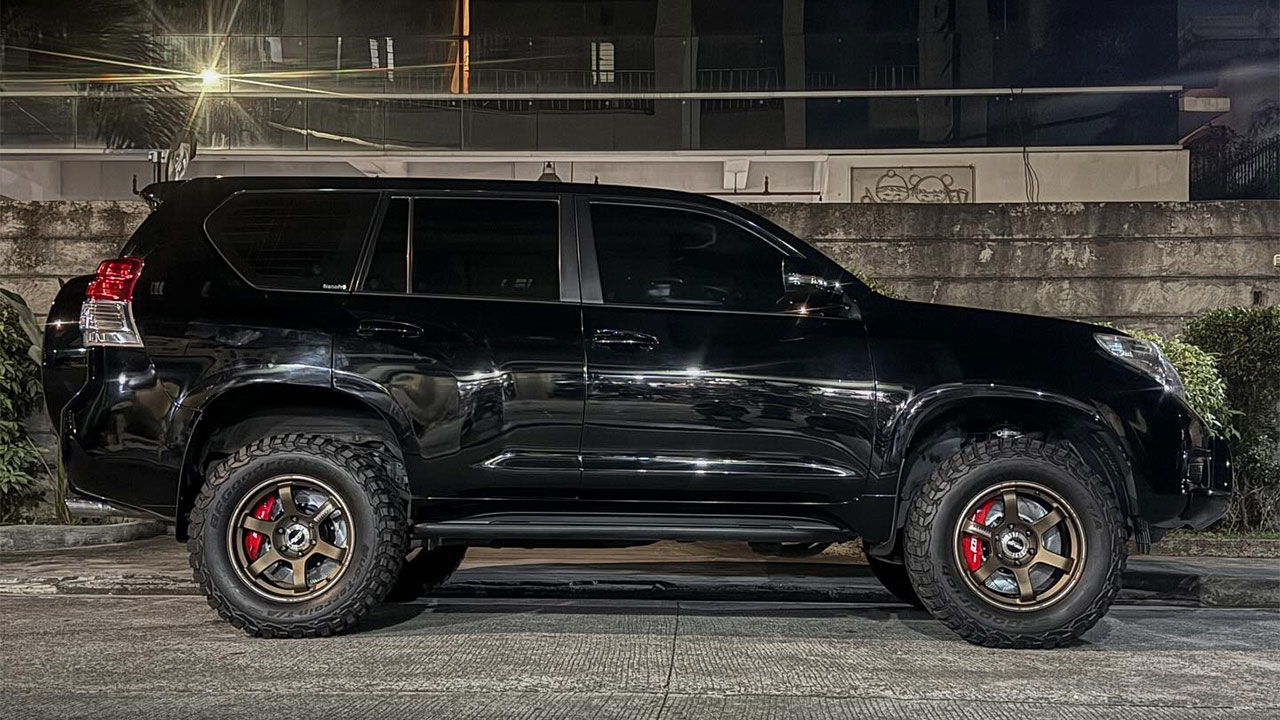
The split forged four-piston caliper is full and beautiful, easy to install, and has high strength. It does not require any flanges or gaskets to be added, nor does it require the replacement of wheel hub screws. It does not vibrate, is safe and stable, and is very suitable for 18- and 19-inch SUVs.
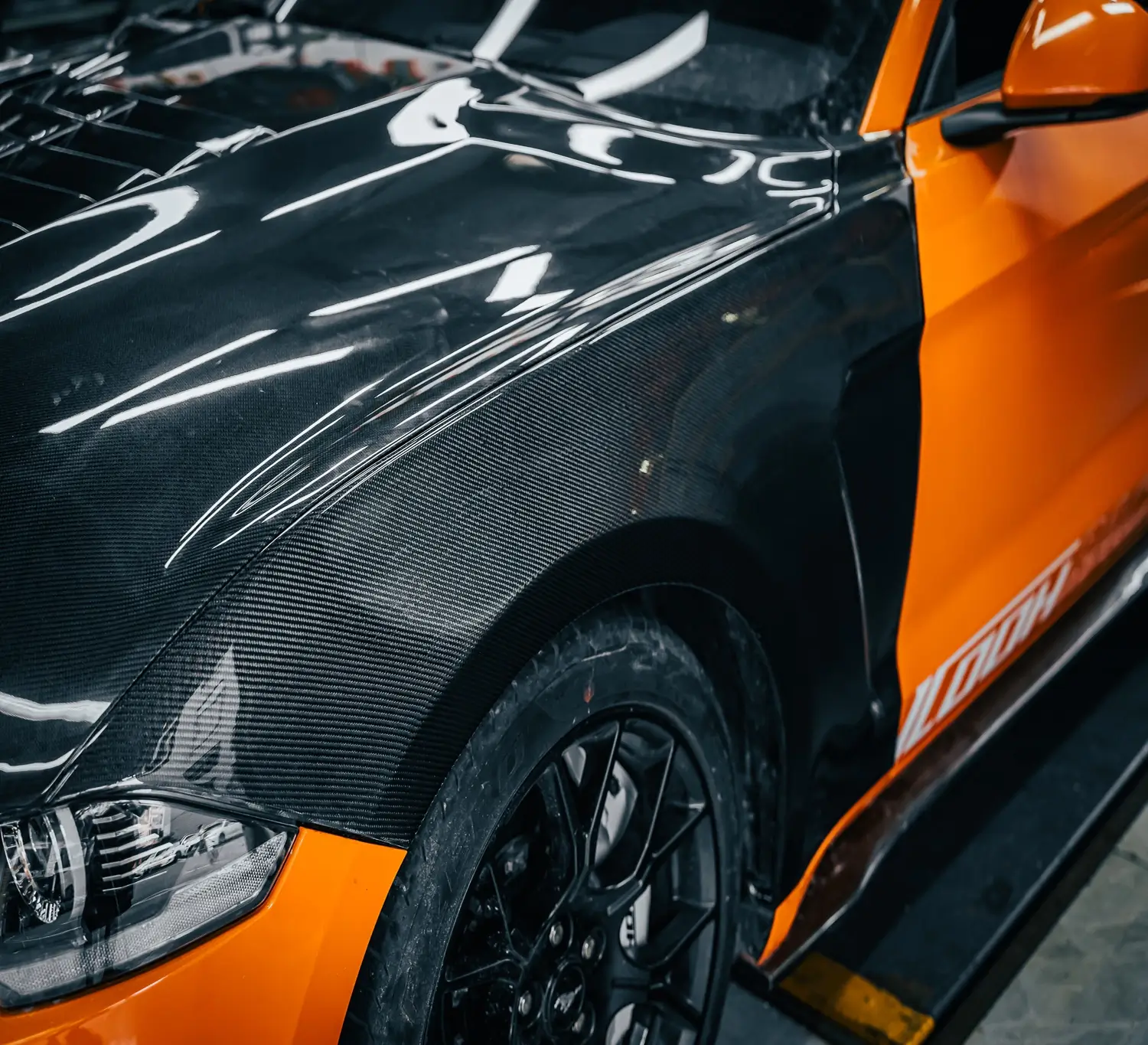
2024+ for Ford Mustang S650 GT Dark Horse 2024+ New Carbon Fiber Engine Hood Bonnet Air Outlet Vent Frame Side Mirror Custom
2024 Mustang original car 002 model with air vents, carbon fiber vents on the hood.made of durable carbon fiber material, precision-engineered for OEM-matched fitment. Lightweight and strong, enhances performance while maintaining a sporty aesthetic. Suitable for aftermarket replacement or performance upgrade with 100% tested quality assurance.
Facebook
Linkedin
Youtube
Instagram