How to Choose Brake Caliper Parts for High-Performance Cars

2026-01-13
author - ICOOH
Sam Chen
A practical, expert guide to selecting brake caliper parts for high-performance cars. Covers caliper types (floating, fixed, monoblock), materials, piston count, pad/rotor compatibility, fitment checks, installation and maintenance, with data-backed comparisons and brand solutions.

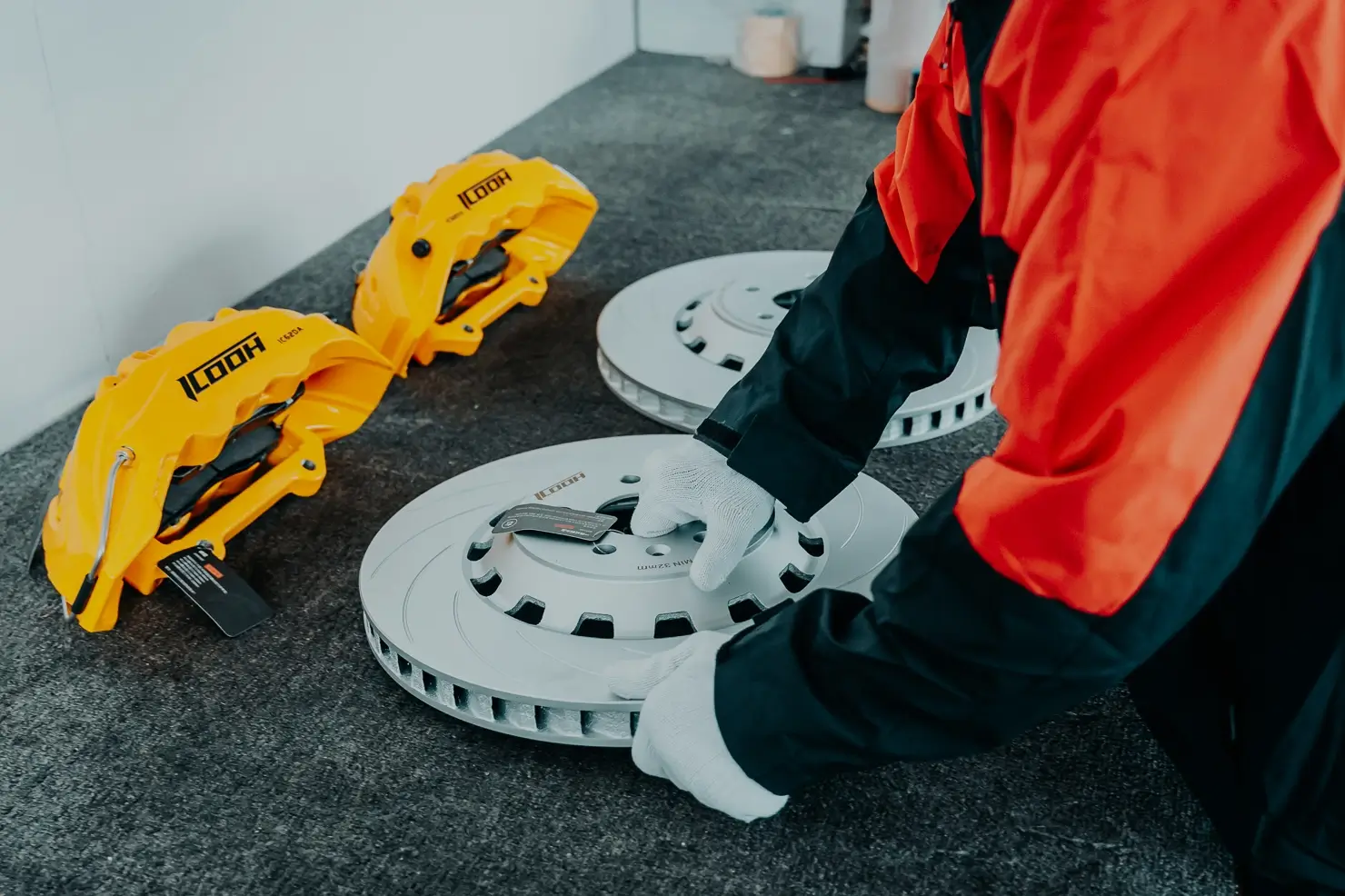
High-performance braking begins with choosing the right brake caliper parts—components that determine pedal feel, thermal capacity, and fade resistance. This guide helps tuners, racers, and performance-minded owners evaluate caliper design, materials, piston layout, mounting hardware, and compatibility so you can select parts that match vehicle weight, power, track use, and budget. The guidance below is focused on verifiable engineering trade-offs and includes references to authoritative sources for further reading.

Key Considerations When Selecting Brake Caliper Parts

Define the use case: street, track, or mixed

Start by defining how the car will be used. Street-driven high-performance cars need predictable cold bite, longevity, and corrosion resistance. Track or competition cars prioritize heat capacity, pad/rotor size, and caliper stiffness to resist deformation under extreme loads. For mixed-use, choose a compromise: larger rotors with high-stiffness calipers and pads rated for both friction and low noise.

Understand the system: caliper, rotor, pad, and lines

A caliper doesn't work alone—match caliper piston size, piston count, and bore diameter to rotor diameter and pad area to maintain proper hydraulic balance and pedal travel. Upgrades often require upgraded caliper brackets, longer studs or adapters, and sometimes a different master cylinder. For a primer on disc brake architecture, see the Disc brake overview.

Key measurable parameters

  • Brake torque (function of clamp force and effective radius)
  • Thermal capacity (mass and ventilation of rotor, caliper thermal conductivity)
  • Caliper stiffness (affects pad parallelism and pedal feel)
  • Unsprung mass and rotating inertia (heavier calipers/rotors affect handling)

Caliper Types and Materials: Pros, Cons, and When to Use Each

Floating (sliding) calipers vs fixed calipers

Floating calipers have fewer pistons (typically single or dual on one side) and move laterally on guide pins to clamp the rotor. Fixed calipers mount rigidly and have pistons on both sides. Fixed calipers usually provide better stiffness and pad wear distribution, making them common on performance cars.

Monoblock vs multi-piece designs

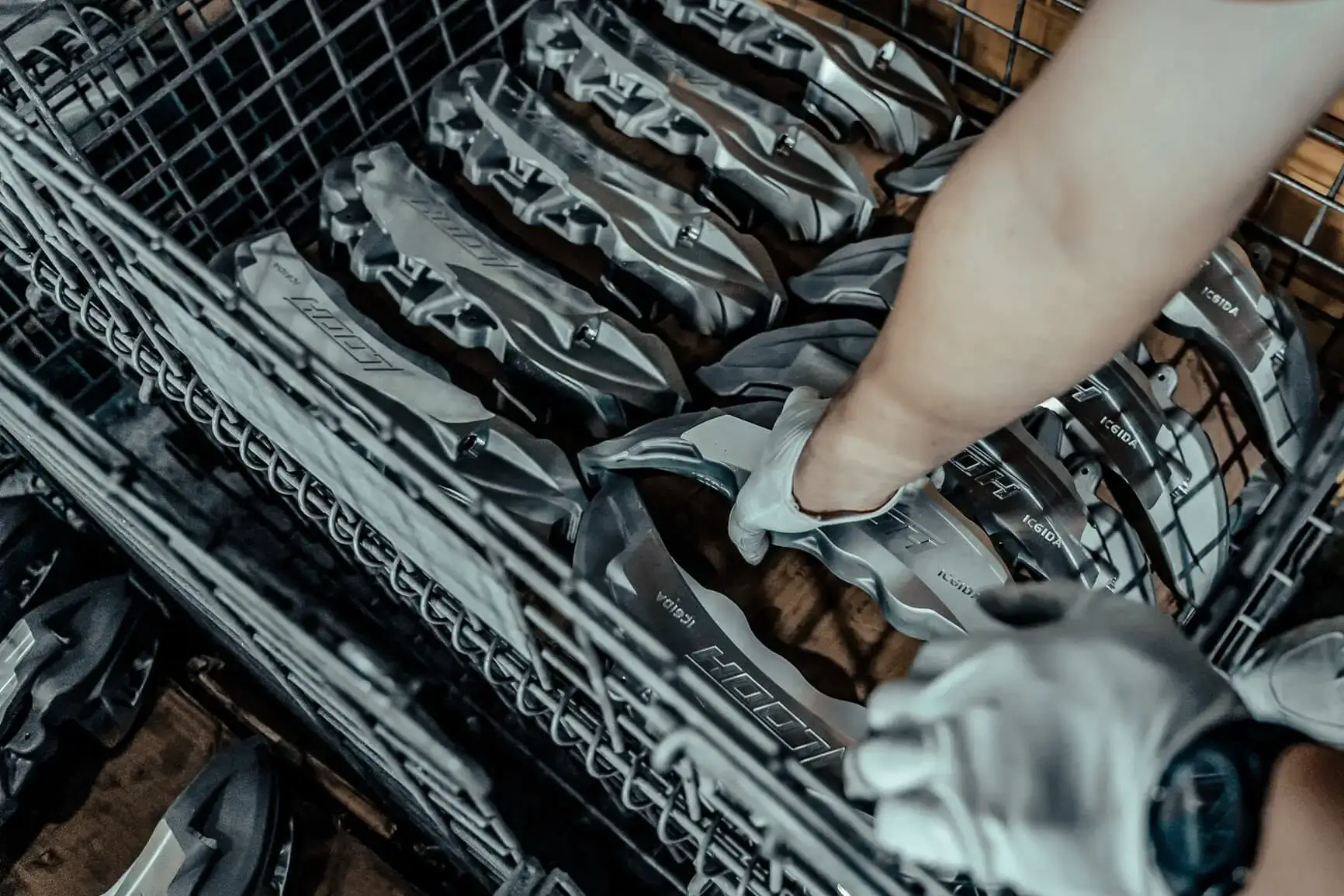
Monoblock calipers are machined from a single piece of material, offering higher rigidity and lower weight for the same strength. Two-piece or multi-piece calipers can be more cost-effective and easier to repair. Monoblock designs are common in racing and high-end street applications.

Material choices: cast iron, aluminum, forged aluminum, and composites

Cast iron is durable and economical but heavy; aluminum reduces unsprung mass and conducts heat differently; forged aluminum or billet monoblocks combine high strength and light weight. Carbon or ceramic calipers are specialized and used in extreme applications. For material properties, see Aluminium and Cast iron.

Caliper Type Typical Piston Layout Advantages Drawbacks
Floating (sliding) 1-2 pistons on inboard side Lightweight, lower cost, easier fitment Less stiff, uneven pad wear at high loads
Fixed multi-piston 2-8+ pistons, both sides High stiffness, better pad control, improved performance Higher cost, greater packaging and weight
Monoblock (billet) Varies (often multi-piston) Best stiffness-to-weight, High Quality performance Most expensive, requires precision machining

For a technical overview of caliper function and design, reference the Brake caliper article.

Sizing, Fitment and Matching Parts: How to Specify Correct Caliper Parts

Piston count and diameter: balancing clamping force and modulation

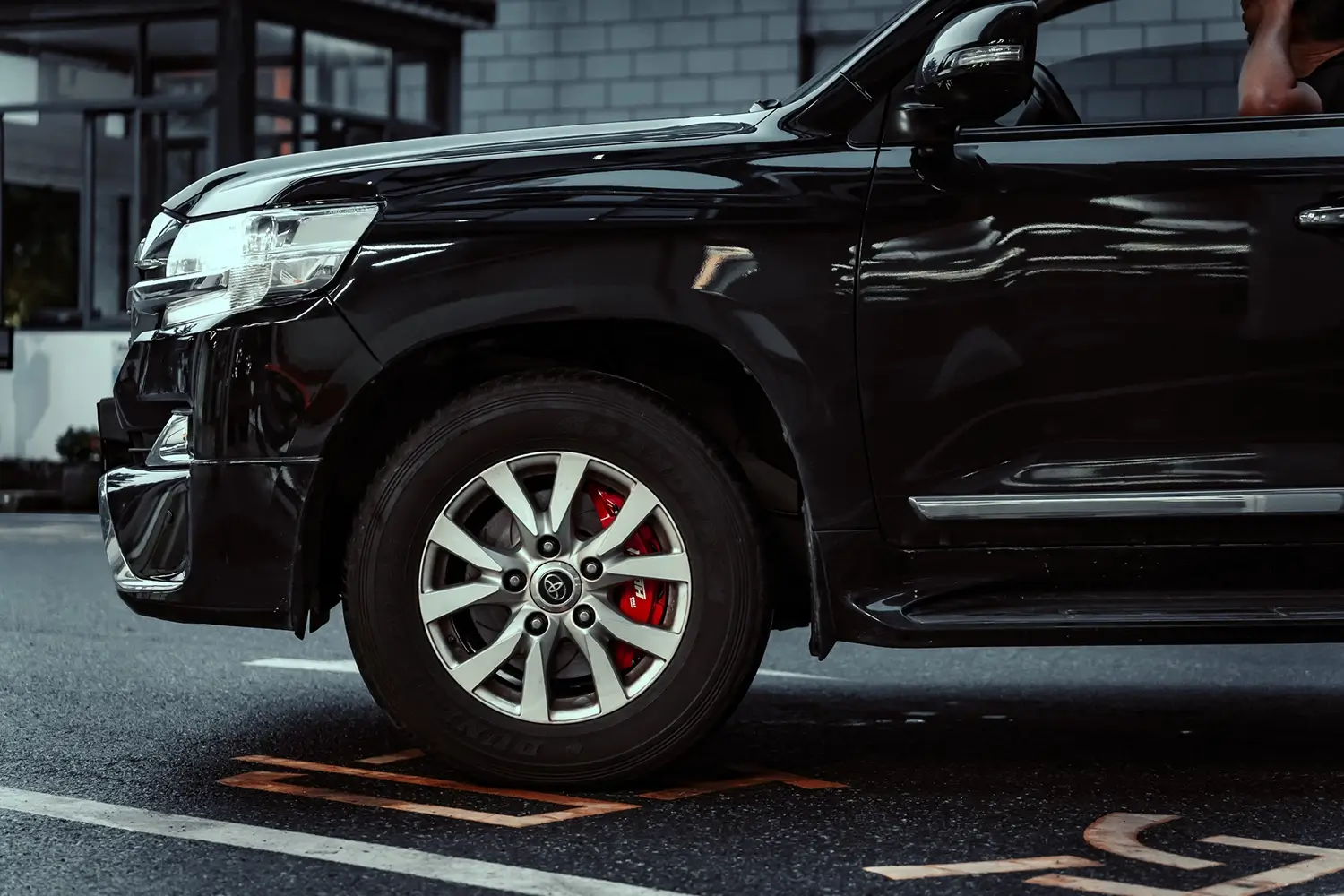
Piston count affects clamping force distribution and pad contact area. More pistons allow a larger pad area and a more even pressure across the pad face, reducing deformation and uneven wear. However, increasing piston area changes hydraulic ratio and may require a reinforced master cylinder or pedal ratio adjustments. A typical performance upgrade moves from a single- or two-piston OEM caliper to a four- or six-piston caliper for compact sports cars, and 6-8+ pistons for heavier high-power cars.

Rotor diameter, pad area, and effective radius

Larger rotors increase torque per unit clamp force and improve thermal mass. When selecting caliper parts, ensure pad backing plate dimensions and pad material are compatible with rotor width and diameter. Effective brake torque = clamp force × effective radius — doubling rotor radius roughly doubles braking torque for the same clamp force.

Mounting, adapters, and ABS/sensor compatibility

Confirm caliper mounting points, bracket type, and hub clearance. Many big brake kits require custom brackets and longer studs or hub adapters. Ensure the caliper allows routing for ABS sensor wires and handbrake (parking brake) mechanisms if required. OEM electronic systems (ABS, stability control) depend on correct rotor diameter and wheel speed sensing—changing rotor size may require recalibration.

Parameter Recommendation Why it matters
Piston count 4-6 for most sports cars; 6-8+ for heavier/powerful cars Even pressure, reduced pad deformation, better modulation
Rotor size Maximize within wheel and clearance limits; prioritize vented/slotted for track Increases heat capacity and braking torque
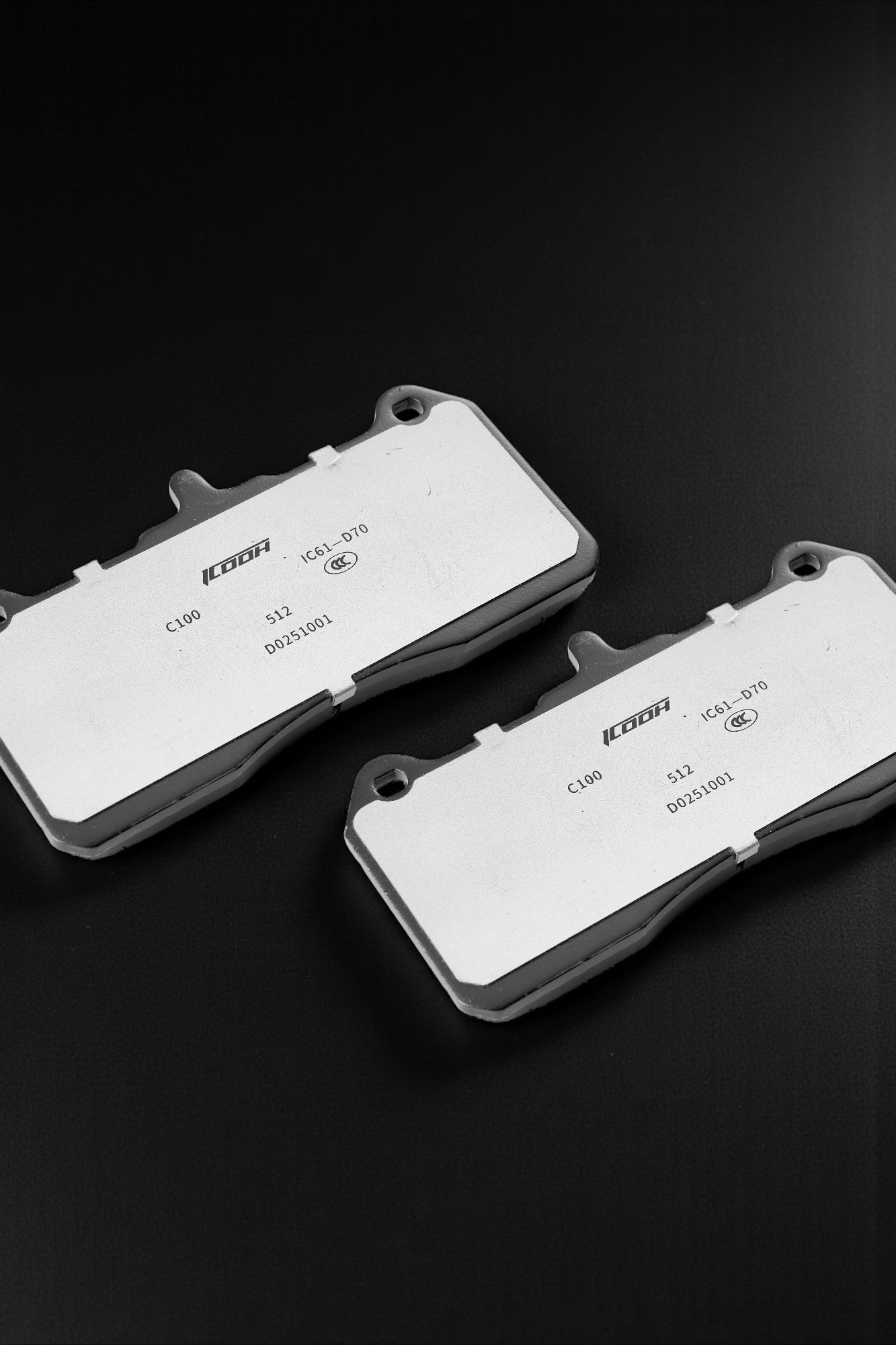
Pad compound Street: organic/semi-metallic; track: high-friction, high-temp sintered Maintains friction over expected temperature range

Installation, Testing and Maintenance Best Practices

Torque, bedding-in, and bleeding procedures

Follow manufacturer's torque specs for mounting bolts and guide pins. Correct bleeding removes air that reduces pedal feel and increases travel. Bedding-in (breaking in) pads and rotors following a controlled procedure ensures optimal transfer layer and consistent friction. Many manufacturers publish bedding procedures specific to pad compounds.

Caliper rebuild kits, seals, and hardware

Rebuild kits typically include pistons, seals, dust boots, and guide pins. Replace corroded hardware and retainers during rebuild to prevent uneven sliding or sticky pistons. Use OEM or OEM-equivalent seals compatible with brake fluid type (DOT3/4/5.1). For track cars, inspect seals and pistons more frequently—every event or 500–1,000 miles of aggressive use.

Common failure modes and how to avoid them

  • Pad glazing: caused by overheating or incorrect pad compound for use—select correct compound and avoid intentional overheating during bedding.
  • Piston seizure: corrosion or contaminated fluid—use quality brake fluid, flush regularly, and use stainless guide pins where possible.
  • Uneven wear: caliper flex or sticky slides—upgrade to stiffer calipers or rebuild sliding components.

Performance Trade-offs and Cost Considerations

Weight vs stiffness

High-performance calipers often trade weight for stiffness. Forged aluminum monoblocks minimize weight while maintaining stiffness but at higher cost. For many street/track users, a high-quality two-piece forged caliper offers a balance between cost and performance.

Budgeting for integrated upgrades

Upgrading calipers often necessitates rotors, pads, lines, brackets, and sometimes master cylinder changes. Plan total cost, not just caliper price. A typical full corner upgrade (rotor, caliper, pads, lines, brackets) can vary widely depending on vehicle and spec; consult manufacturers for kit pricing and vehicle fitment.

Data-backed selection example

When upgrading a midweight sports car (approx. 1,300–1,500 kg) used for occasional track days, a common successful configuration is a 6-piston fixed aluminum caliper with 330–356 mm vented rotors and a high-temp sintered pad. This configuration increases thermal capacity and improves modulation without excessive unsprung mass. For detailed caliper engineering principles see the brake caliper entry.

ICOOH: Integrated Solutions for Big Brake Kits and Performance Packages

Founded in 2008, ICOOH has grown into a pioneering force in the global automotive performance and modification industry. As a professional performance car parts manufacturer, ICOOH specializes in developing, producing, and exporting big brake kits, carbon fiber body kits, and forged wheel rims—delivering integrated solutions for both performance and aesthetics.

ICOOH’s strength lies in complete vehicle compatibility and powerful in-house design and R&D capabilities. Our products cover more than 99% of vehicle models worldwide, providing precise fitment and exceptional performance. Whether you are a tuning brand, automotive distributor, or OEM partner, ICOOH delivers solutions tailored to your market needs.

Our R&D center is staffed with over 20 experienced engineers and designers dedicated to continuous innovation. Utilizing 3D modeling, structural simulation, and aerodynamic analysis, we ensure every product meets the highest performance and design standards. At ICOOH, our mission is to redefine automotive performance and aesthetics through precision engineering and creative innovation.

Why ICOOH for brake caliper parts and big brake kits?

  • Comprehensive fitment: kits designed to match OEM suspension and wheel clearances for most global models.
  • In-house engineering: 3D CAD and FEA validation ensure caliper stiffness and thermal performance before production.
  • Integrated packages: combine calipers with rotors, pads, brackets, and sensors to preserve ABS and stability systems.

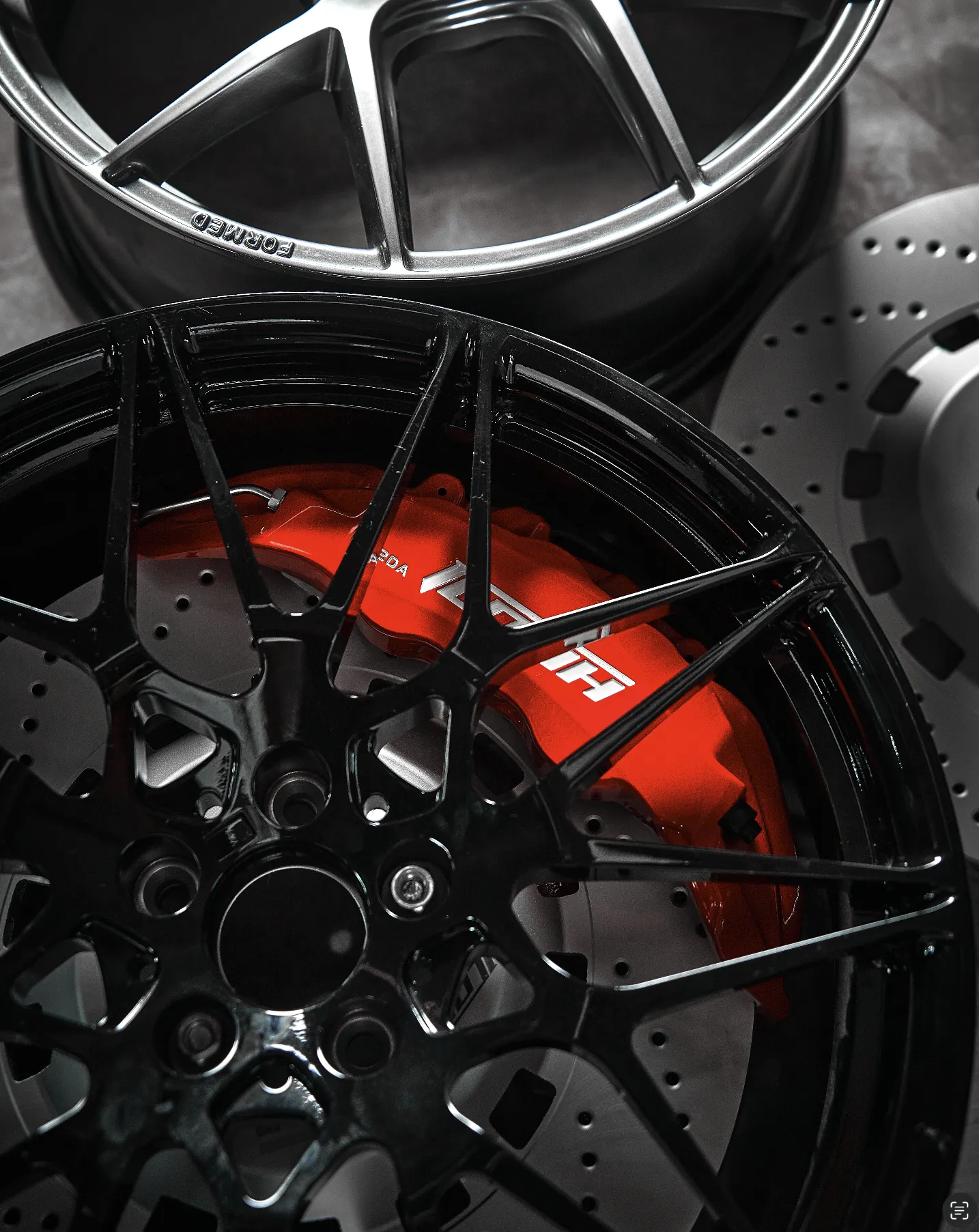
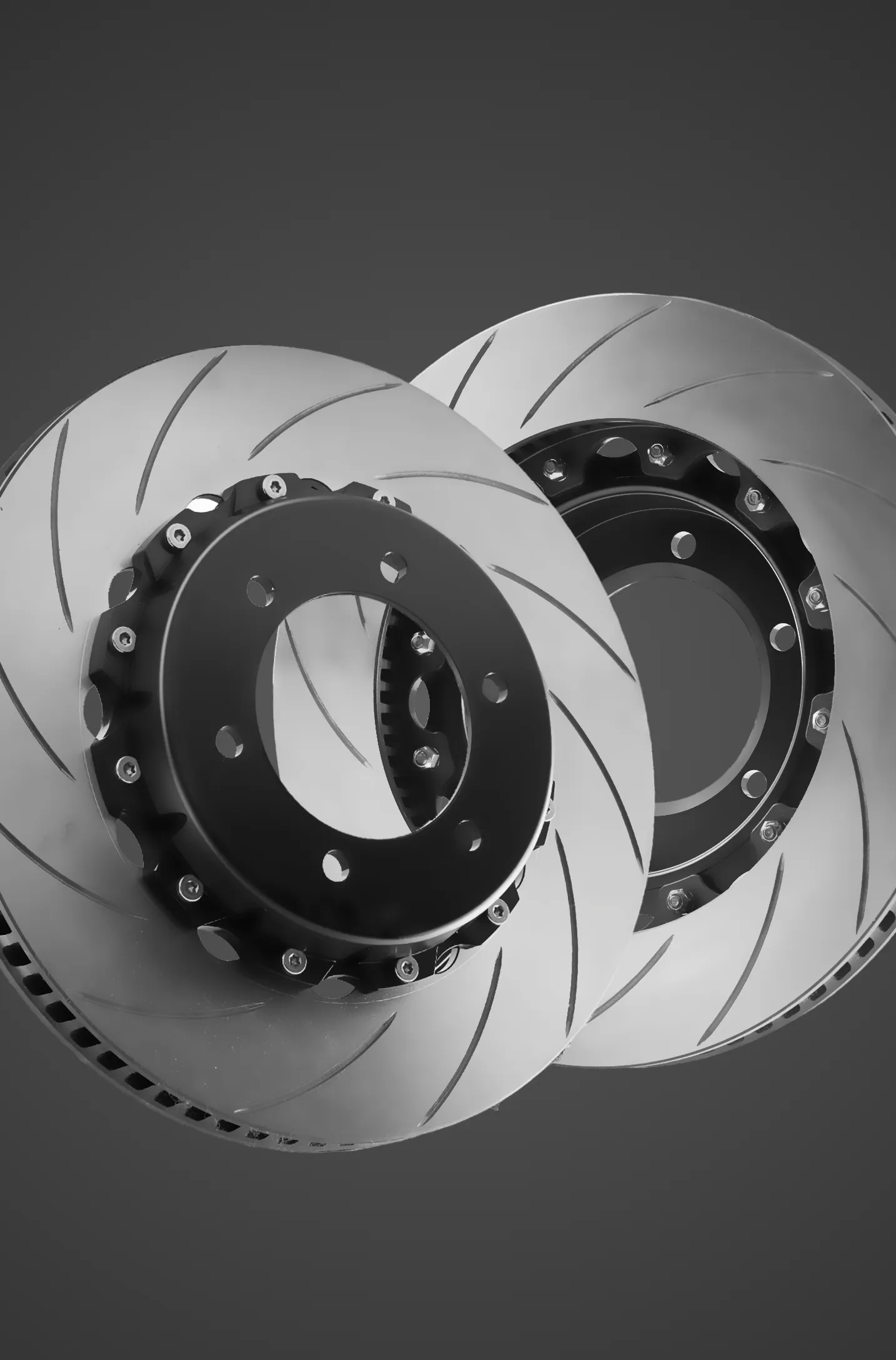
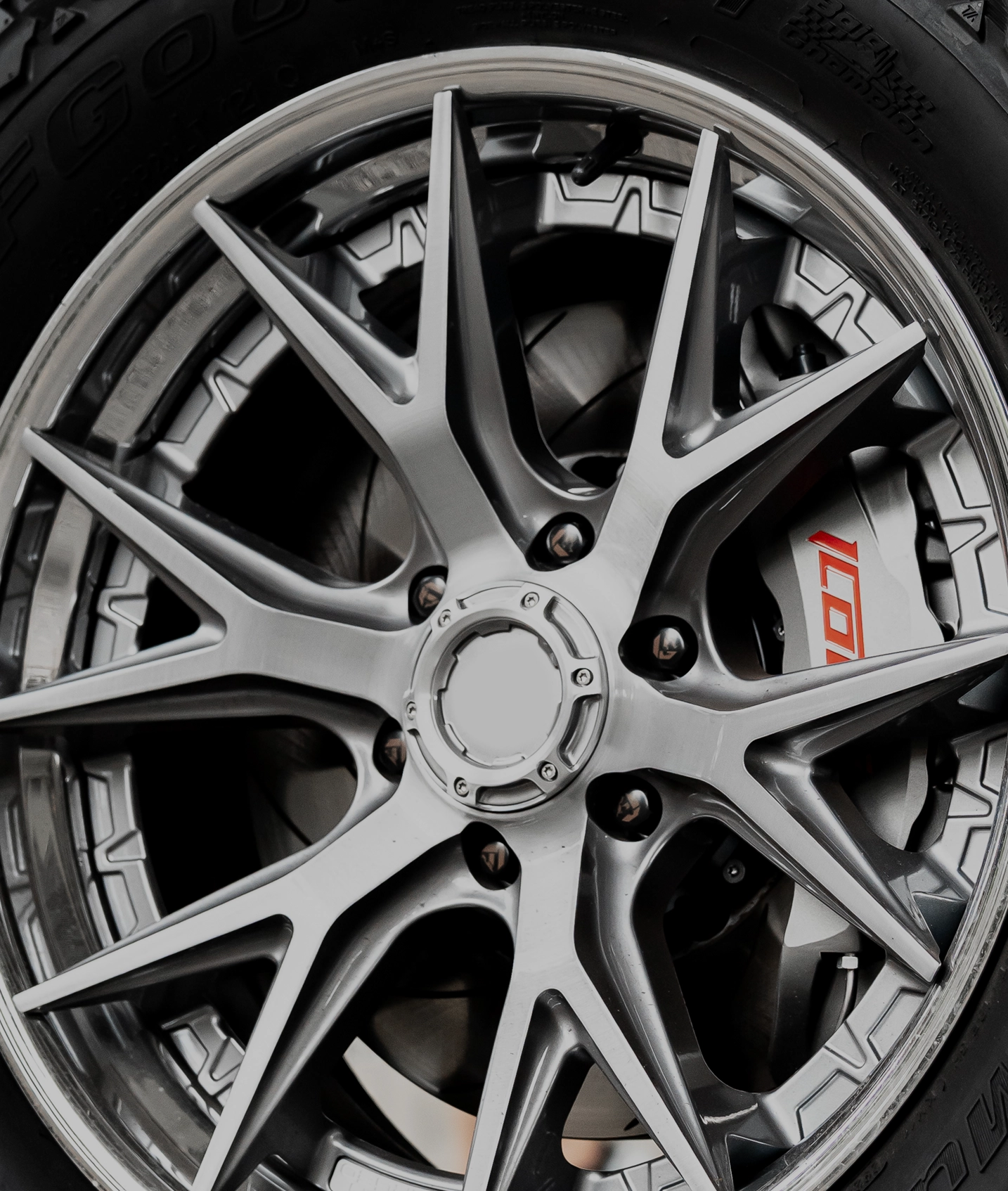
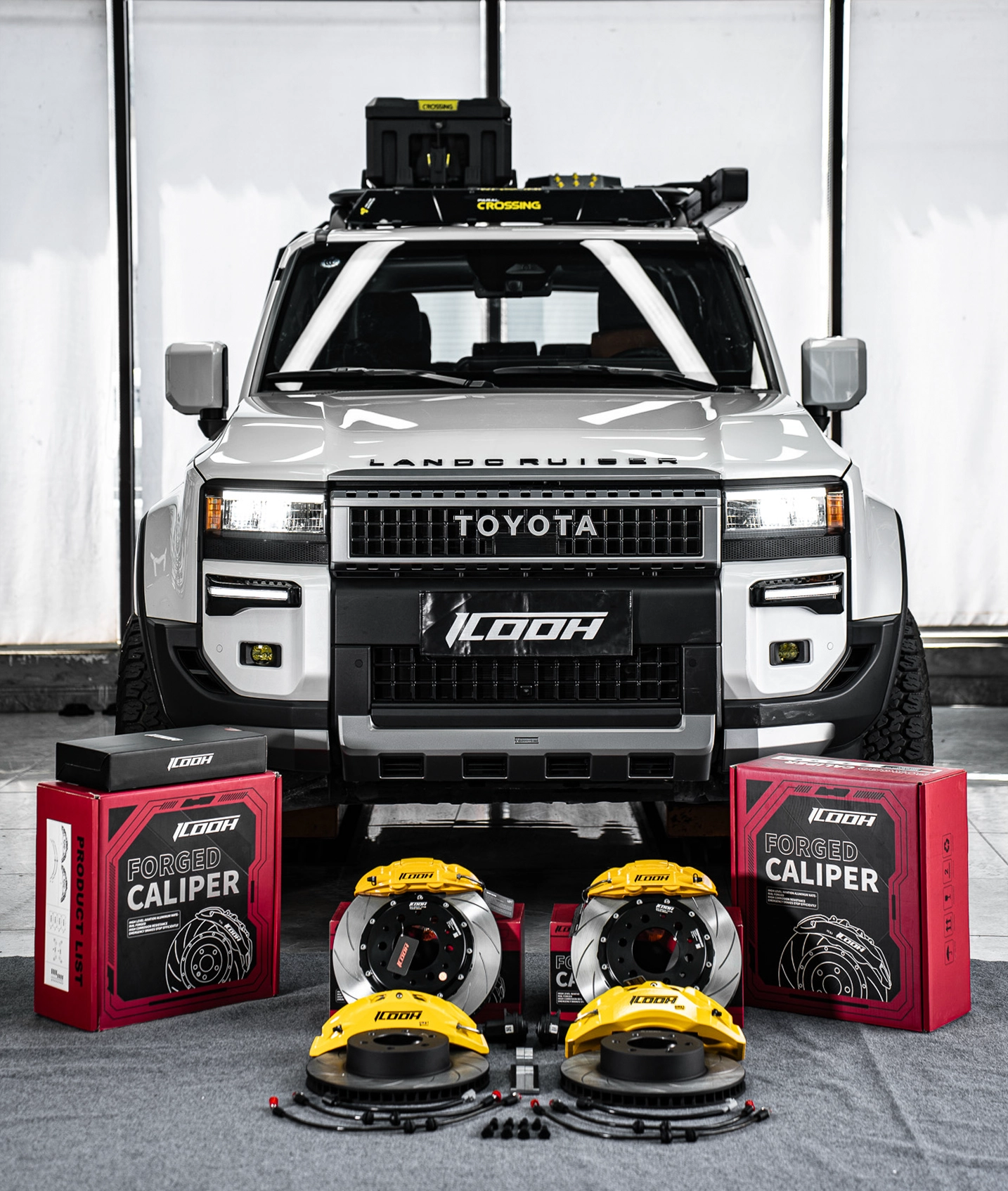
ICOOH offers tailored big brake kits with calipers in forged aluminum and monoblock configurations, paired with high-efficiency vented rotors and performance pad options. For builders wanting a full performance aesthetic, ICOOH also supplies carbon fiber body kits and forged wheel rims engineered to complement brake cooling and wheel clearance.

FAQ — Common Questions About Brake Caliper Parts

1. How many pistons do I need in a performance caliper?

There is no single correct answer—piston count should match vehicle weight, wheel/rotor size, and use case. For most light sports cars, 4–6 pistons offer a significant improvement over OEM dual-piston designs. Heavier or high-horsepower cars often benefit from 6–8+ pistons. Balance piston area with master cylinder bore to maintain pedal travel.

2. Are forged monoblock calipers worth the cost?

Forged monoblock calipers provide superior stiffness-to-weight ratio and consistent pad pressure—advantages in competition or high-performance street use. For occasional street drivers, high-quality two-piece calipers may offer better cost-effectiveness. Choose based on performance need and budget.

3. Will larger calipers fit my wheels?

Physical fitment depends on wheel inner clearance, hub-to-caliper spacing, and suspension components. Big brake kits often require specific wheel sizes and offsets; consult the kit fitment chart or manufacturer. ICOOH provides fitment data for most models to ensure compatibility.

4. How often should I rebuild or service calipers used on track?

For track-focused cars, inspect calipers after each event and consider rebuilding every 1–3 events depending on exposure to heat, contamination, and distance. Replace seals and guide pins preemptively if corrosion or wear is evident. For street use, inspect with brake pad changes and rebuild every few years or when performance degrades.

5. What brake fluid should I use with upgraded calipers?

Use a brake fluid with a boiling point suitable for your use: DOT4 or DOT5.1 high-temperature formulations for track use. Avoid mixing incompatible fluids (DOT5 silicone-based fluids are not compatible with DOT3/4/5.1 hydraulics). Follow caliper and pad manufacturer recommendations.

6. Can I upgrade calipers and keep my ABS and ESP systems functioning?

Yes, if the upgrade maintains rotor diameter within acceptable ranges or if the vehicle's electronic systems are recalibrated. Many performance kits are designed to preserve wheel speed sensor placement and rotor diameter. Always verify kit compatibility and possible ECU recalibration requirements.

Still have questions or ready to specify a kit for your vehicle? Contact our specialists or view ICOOH’s product range for compatible big brake kits, carbon fiber body kits, and forged wheel rims. Our engineering team can provide fitment reports, 3D clearances, and brake performance simulations tailored to your vehicle and use case.

Contact & Product Inquiry: For personalized support or to request vehicle-specific fitment, please reach out to ICOOH sales and engineering: contact@icooh.com (or visit our product catalog to view big brake kits, carbon fiber body kits, and forged wheel rims).

Tags
ac forged wheels rims​
High Performance Caliper Kits
Mustang 005 Carbon Fiber Hood
forged wheels rims​
forged wheels rims​
carbon fiber body kit for Ford Mustang
Carbon fiber hood
Carbon fiber hood
Recommended for you

Front Brake Calipers: OEM vs Performance Upgrades Comparison

Front Brake Calipers: OEM vs Performance Upgrades Comparison

Tips to Reduce Brake Caliper Cost Without Sacrificing Safety

Tips to Reduce Brake Caliper Cost Without Sacrificing Safety

Best carbon brake wholesale manufacturers and supplier brands in 2026

Best carbon brake wholesale manufacturers and supplier brands in 2026

Installing Big Brake Kits for BMW: Workshop Procedures & Tools

Installing Big Brake Kits for BMW: Workshop Procedures & Tools
Prdoucts Categories
Question you may concern
Daily Modified Vehicles
Is installation and maintenance easy?

Modular design allows for quick replacement of brake pads/discs. A detailed installation guide is included, or installation can be performed at authorized service locations.

Off-Road Vehicles
How is performance guaranteed in extreme environments?

High and low temperatures, sand and dust, and waterproof and corrosion-resistant designs are available, and they have been field-tested for off-road use.

About Cooperation Process
What documents or information do I need to provide?

Business license, tax registration certificate, product specification sheet (including parameters like mounting hole positions); brand authorization certificate is required for OEM orders.

Do you provide installation or user manuals?

Bilingual (Chinese-English) installation guides are provided with the goods. Complex kits include 3D assembly drawings, and electronic versions can be downloaded online.

Racing Vehicles
How much weight is reduced compared to the stock system?

Depending on the vehicle type, it can be reduced by 20-40%, significantly improving acceleration and handling.

You may also like
IC5-black-brake-calipers - ICOOH

IC5 Six-piston brake calipers suitable for 17-inch and 18-inch wheels

The new generation of IC5 series six-piston calipers are beautiful, while continuing the high performance and easy installation characteristics of the IC series. They are suitable for 17- and 18-inch wheels and provide a comfortable braking feel.

IC5 Six-piston brake calipers suitable for 17-inch and 18-inch wheels
ICOOH X6 blue brake kits - ICOOH

ICOOH X6 Six-piston brake caliper kits suitable for 18, 19 and 21-inch wheels

The X6 series of products—brake calipers, brake discs, brake pads, and brake hoses—are ideal for car enthusiasts who balance road and high-performance driving. Their stylish and robust appearance, powerful braking performance, and linear feel deliver a unique driving experience.

ICOOH X6 Six-piston brake caliper kits suitable for 18, 19 and 21-inch wheels
ICOOH DM4  red brake kits  3 - ICOOH

DM4 Four-piston brake calipers suitable for 18-19 inch wheels

The split forged four-piston caliper is full and beautiful, easy to install, and has high strength. It does not require any flanges or gaskets to be added, nor does it require the replacement of wheel hub screws. It does not vibrate, is safe and stable, and is very suitable for 18- and 19-inch SUVs.

DM4 Four-piston brake calipers suitable for 18-19 inch wheels
2024 Mustang 002 model carbon fiber air vents - ICOOH

2024+ for Ford Mustang S650 GT Dark Horse 2024+ New Carbon Fiber Engine Hood Bonnet Air Outlet Vent Frame Side Mirror Custom

2024 Mustang original car 002 model with air vents, carbon fiber vents on the hood.made of durable carbon fiber material, precision-engineered for OEM-matched fitment. Lightweight and strong, enhances performance while maintaining a sporty aesthetic. Suitable for aftermarket replacement or performance upgrade with 100% tested quality assurance.

2024+ for Ford Mustang S650 GT Dark Horse 2024+ New Carbon Fiber Engine Hood Bonnet Air Outlet Vent Frame Side Mirror Custom
Get in touch with us
If you have any comments or good suggestions, please leave us a message, later our professional staff will contact you as soon as possible.
Name must not exceed 100 characters.
Invalid email format or length exceeds 100 characters. Please re-enter.
Whatsapp/Phone must not exceed 100 characters.
WhatsApp preferred for faster response.
Company Name must not exceed 100 characters.
Please select How to use for
Content must not exceed 3000 characters.
Please enter your vehicle model, year, and tire size for product recommendations.
Contact customer service

Contact ICOOH

Have questions about our products or brand? Start a conversation with our team today.

×
Name must not exceed 100 characters.
Invalid email format or length exceeds 100 characters. Please re-enter.
Whatsapp/Phone must not exceed 100 characters.
WhatsApp preferred for faster response.
Company Name must not exceed 100 characters.
Please select How to use for
Content must not exceed 3000 characters.
Please enter your vehicle model, year, and tire size for product recommendations.

Customize My Style

From colors to logo applications, explore options that make ICOOH products uniquely yours.

×
Name must not exceed 100 characters.
Invalid email format or length exceeds 100 characters. Please re-enter.
Whatsapp/Phone must not exceed 100 characters.
WhatsApp preferred for faster response.
Company Name must not exceed 100 characters.
Please select How to use for
Content must not exceed 3000 characters.
Please enter your vehicle model, year, and tire size for product recommendations.

Request a Free Quote

Don’t miss out on competitive wholesale prices and OEM/ODM customization. Fill in your details now and receive a free quote within 24 hours—fast, accurate, and hassle-free.

×
Name must not exceed 100 characters.
Invalid email format or length exceeds 100 characters. Please re-enter.
Whatsapp/Phone must not exceed 100 characters.
WhatsApp preferred for faster response.
Company Name must not exceed 100 characters.
Please select How to use for
Content must not exceed 3000 characters.
Please enter your vehicle model, year, and tire size for product recommendations.

Send My Request

Submit your details and vehicle information, and we'll provide you with a custom-tailored upgrade solution.

×
Name must not exceed 100 characters.
Invalid email format or length exceeds 100 characters. Please re-enter.
Whatsapp/Phone must not exceed 100 characters.
WhatsApp preferred for faster response.
Company Name must not exceed 100 characters.
Please select How to use for
Content must not exceed 3000 characters.
Please enter your vehicle model, year, and tire size for product recommendations.