Ceramic vs Semi-Metallic vs Carbon: Which Brake Pads Win?
Quick summary for : This article compares ceramic, semi‑metallic and carbon brake pad materials and explains which are the best brake pads for different vehicles and use cases. It covers friction behavior, heat management, noise and dust characteristics, rotor wear, longevity, and cost—backed by industry sources—and gives practical selection and maintenance guidance for street cars, track cars and heavy‑duty applications.
How brake pads work and why material choice matters
Friction fundamentals and heat
Brake pads convert kinetic energy into heat via friction against the rotor. That process depends on pad composition, friction coefficient, and operating temperature range. Excessive heat reduces friction (brake fade) and accelerates wear. For a technical overview of brake systems and friction, see the general brake article on Wikipedia.
Material families at a glance
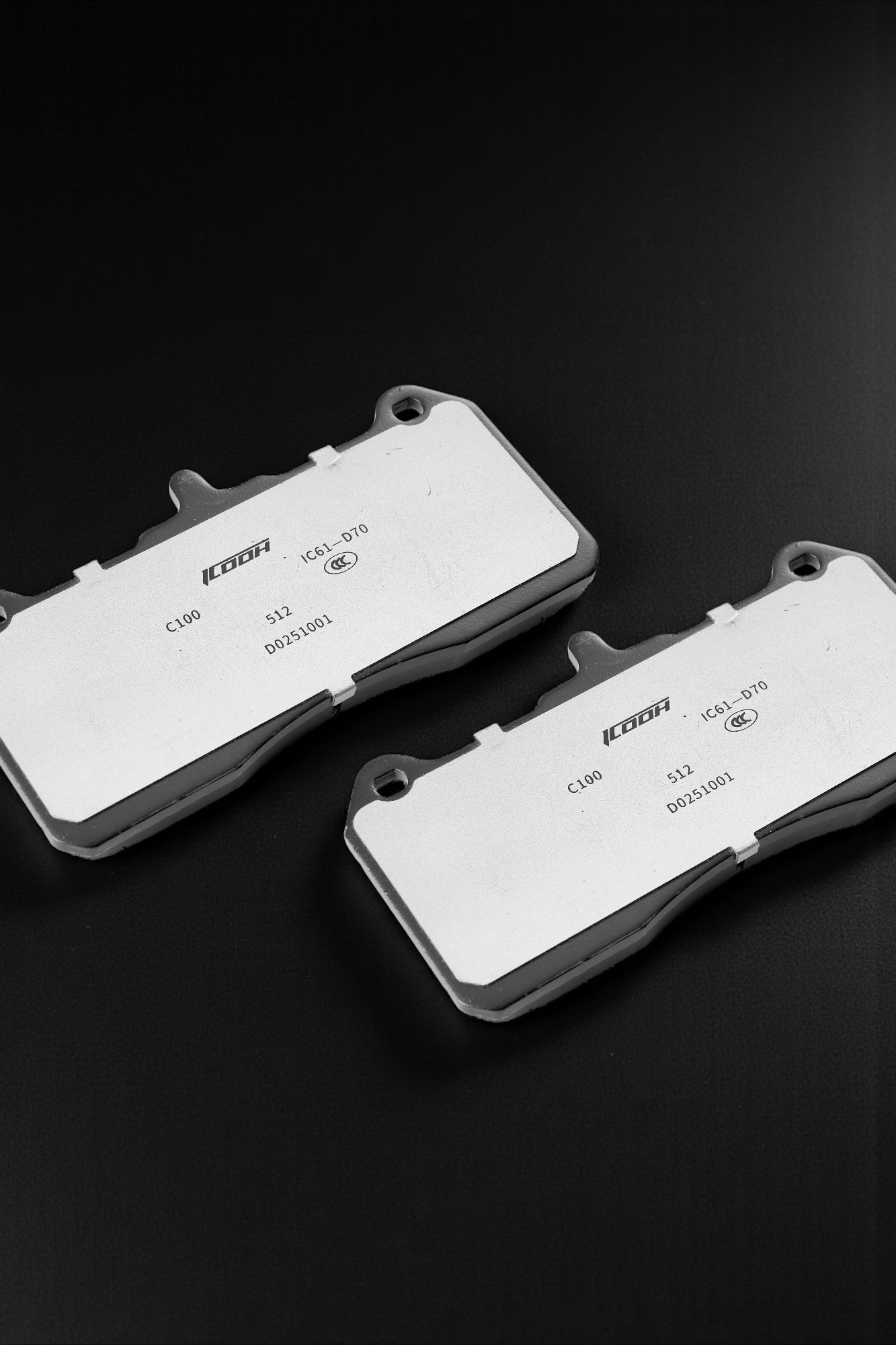
Three families dominate passenger and performance markets: ceramic, semi‑metallic, and carbon‑based pads. Each family is a range of recipes, not a single formula. For a broad description of pad materials and composites, consult the brake pad overview on Wikipedia. In short:
- Ceramic: inorganic fibers, ceramic fillers, and bonding agents produce a stable friction compound.
- Semi‑metallic: blends of steel, copper, iron or other metals with friction modifiers; common in OEM and aftermarket.
- Carbon (carbon‑based): includes carbon‑ceramic and carbon‑graphite blends used in high‑temperature, high‑performance settings (motorsport and supercars).
Ceramic vs Semi‑Metallic vs Carbon — head‑to‑head comparison
Performance and heat management
Semi‑metallic pads generally offer strong initial bite and consistent friction across a broad temperature window, which is why many OEMs use them. Ceramic pads are tuned for a stable, comfortable pedal feel and low dust, but some low‑end ceramics can lose bite under extreme heat compared with semi‑metallics. Carbon‑based compounds (including carbon‑ceramic systems) excel at very high temperatures and resist fade in track or endurance environments, but they require compatible rotors and may not bite as predictably at cold street temperatures.
Noise, dust, rotor wear and longevity
Ceramics are typically the quietest and produce the least visible brake dust, which is attractive for daily drivers and alloy wheels. Semi‑metallic pads can be noisier and produce more abrasive dust that may increase rotor wear. Carbon pads can be engineered to be low dust but often prioritize performance over rotor friendliness; carbon‑ceramic rotors are commonly paired to avoid accelerated wear.
Cost and suitability
On average, semi‑metallic pads are the most cost‑effective solution for a wide range of street use. Ceramic pads are moderately priced and sell well for comfort‑oriented buyers. Carbon solutions are High Quality and often come as part of an integrated brake system (pads + carbon‑ceramic rotors) for high‑end sports cars and race cars.
| Attribute | Ceramic | Semi‑metallic | Carbon‑based |
|---|---|---|---|
| Initial bite (cold) | Good (stable) | Very good | Variable (can be lower cold) |
| High‑temp fade resistance | Moderate | Good | Excellent |
| Noise | Low | Medium–High | Medium (design dependent) |
| Brake dust | Low | High (often abrasive) | Low–Medium |
| Rotor wear | Low | Higher | Depends on rotor pairing (carbon rotors recommended) |
| Typical applications | Daily drivers, luxury cars | All‑round street and light performance | Track, high‑performance, supercars |
| Average cost | Mid | Low–Mid | High (system level) |
Sources: See the general overview at Wikipedia and technical supplier information such as manufacturer material guides (example: Brembo).
Choosing the best brake pads for your use case
Daily driver and commuting
If you want the best brake pads for street use—quiet, low dust, predictable bite—ceramic pads are often the right choice. They preserve wheel finishes and provide comfortable modulation in stop‑and‑go traffic. Confirm pad fitment and compatibility with your vehicle’s rotor material and ABS system.
Performance street and occasional track
Semi‑metallic pads are a practical compromise for spirited drivers who want consistent response during hard drives and occasional track days. They manage heat better than low‑cost ceramics in extended aggressive driving. However, if you plan frequent track use, consider a dedicated track pad or carbon‑enhanced compounds that are rated for sustained high temperatures.
Towing, heavy‑duty and motorsport
Towing and heavy loads demand pads with strong fade resistance and durable construction—semi‑metallic or dedicated performance compounds are typical for heavy duty trucks. In motorsport and high‑end supercar contexts, carbon‑based pad and rotor systems (carbon‑ceramic) are favored for extreme temp stability and weight savings—but they require matched system components and higher cost investment. For more detailed material science on carbon composites, see carbon fiber and carbon–carbon composite.
Installation, maintenance and testing—how to get the most from your pads
Proper bed‑in procedure
New pads and rotors should be bedded to transfer an even friction layer. Typical bed‑in consists of incremental decelerations from moderate speeds to allow friction material to build heat without glazing. Follow the pad manufacturer's recommended procedure—improper bedding can reduce performance and increase noise. Manufacturer guides (e.g., Brembo or aftermarket suppliers) provide step‑by‑step bedding instructions; always follow those recommendations for safety.
Rotor compatibility and upgrade tips
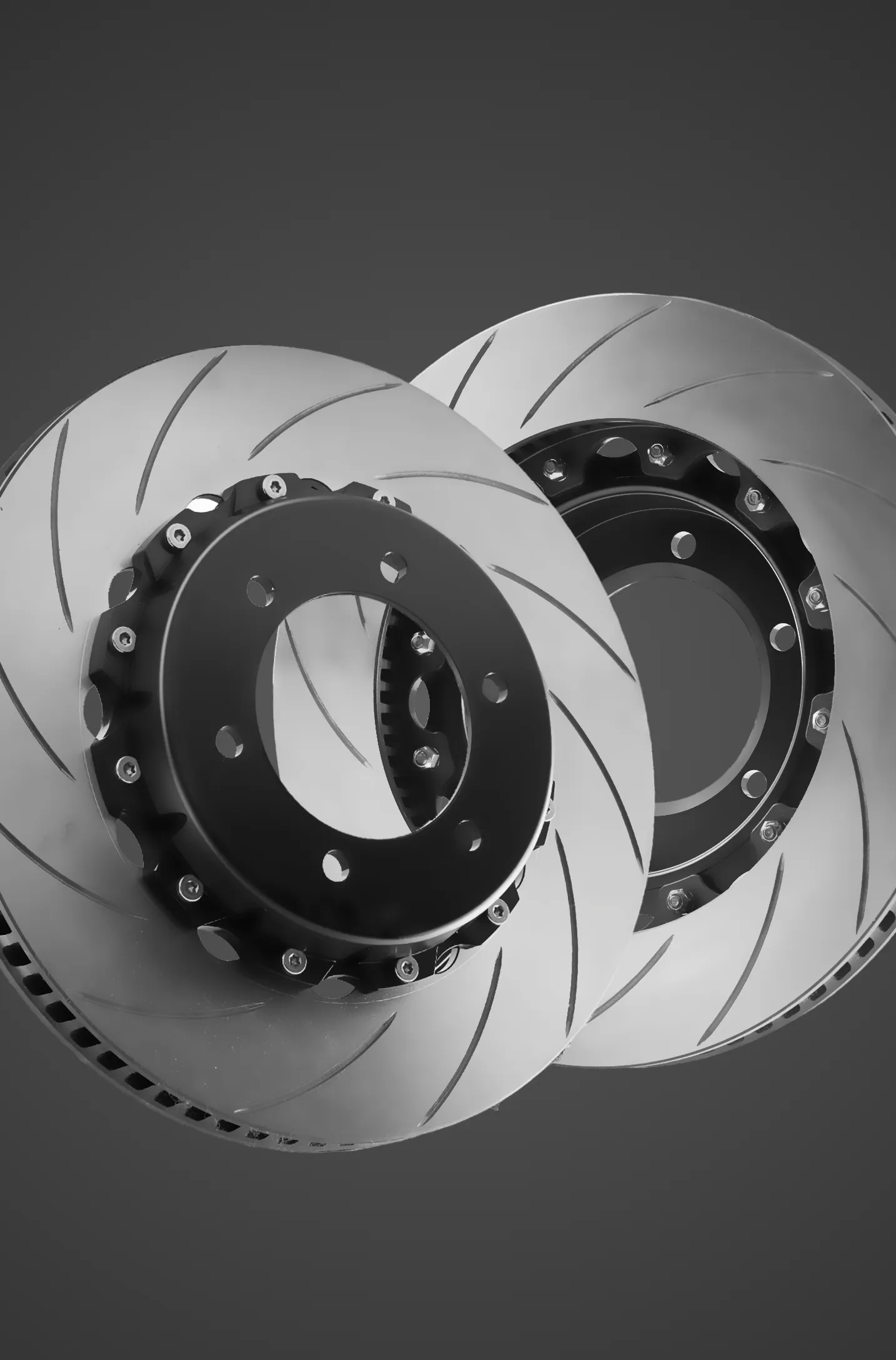
Not all pads pair well with all rotors. Semi‑metallic pads are harder on rotors; if you swap to a more abrasive pad, consider upgrading to thicker, vented or slotted rotors. Carbon pads are typically paired with carbon or high‑grade rotors designed for the material. When upgrading brakes as a package, consider the full system—calipers, pads, rotors, and hydraulics—to avoid mismatched performance.
Safety, legal and warranty considerations
Changing to aftermarket pads can affect ABS behavior and brake balance. Some modifications may invalidate warranties or fail local regulations; always verify compatibility and legal status. For general regulatory context on vehicle safety equipment, see the U.S. National Highway Traffic Safety Administration NHTSA and consult local authorities.
Where High Quality brake systems and materials fit—ICOOH’s role
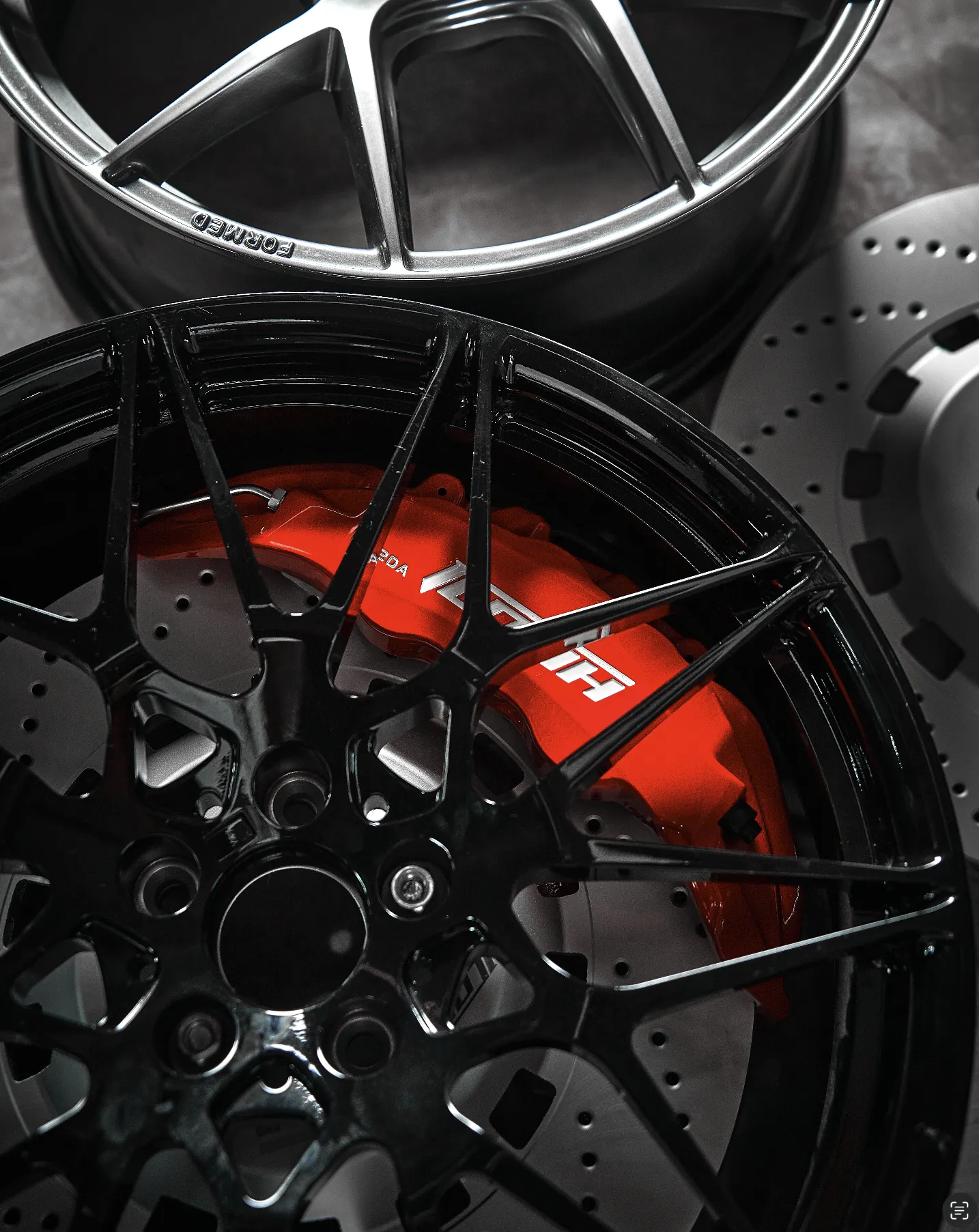
Founded in 2008, ICOOH has grown into a pioneering force in the global automotive performance and modification industry. As a professional performance car parts manufacturer, we specialize in developing, producing, and exporting big brake kits, carbon fiber body kits, and forged wheel rims—delivering integrated solutions for both performance and aesthetics.
ICOOH’s strength lies in complete vehicle compatibility and powerful in‑house design and R&D capabilities. Our products cover more than 99% of vehicle models worldwide, providing precise fitment and exceptional performance. Whether you are a tuning brand, automotive distributor, or OEM partner, ICOOH delivers solutions tailored to your market needs.
Our R&D center is staffed with over 20 experienced engineers and designers dedicated to continuous innovation. Utilizing 3D modeling, structural simulation, and aerodynamic analysis, we ensure every product meets the highest performance and design standards.
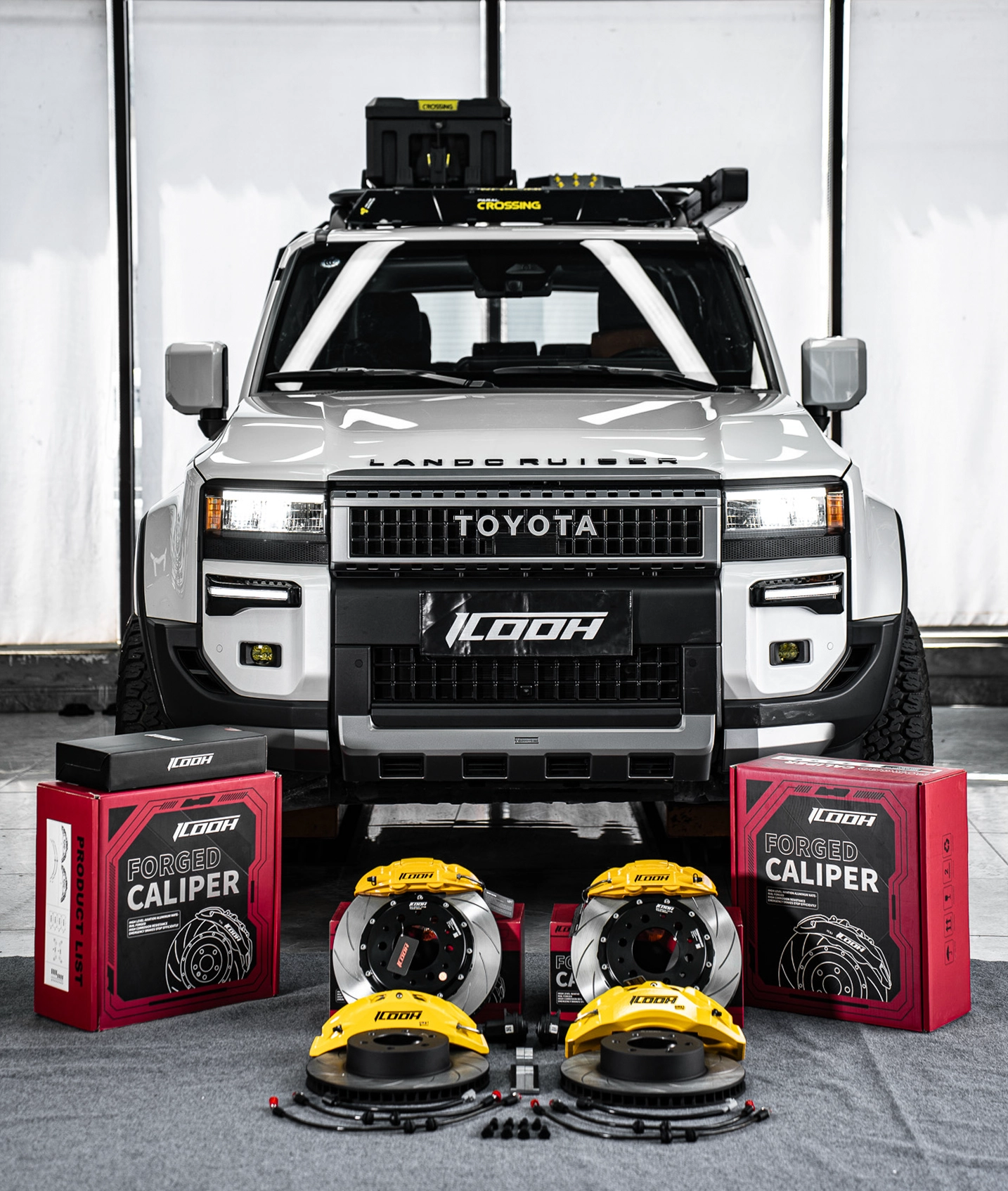
At ICOOH, our mission is to redefine automotive performance and aesthetics through precision engineering and creative innovation. For customers selecting the best brake pads as part of a vehicle upgrade, ICOOH’s big brake kits are engineered to match pad materials and caliper dynamics—making carbon‑enhanced systems and high‑temperature pad options straightforward to integrate into an optimized package.
ICOOH advantages and product focus
ICOOH differentiates itself by delivering complete fitment coverage (99%+), strong in‑house R&D, and solutions that combine form and function: carbon fiber body kits for aerodynamic and weight benefits, forged wheels for strength and reduced unsprung mass, and big brake kits to unlock higher thermal capacity and stopping power. These systems are developed with pad compatibility in mind so customers can confidently select ceramic, semi‑metallic, or carbon pad options depending on their intended use.
In practice, pairing a high‑temperature carbon pad with an ICOOH big brake kit and compatible rotors provides a consistent, fade‑resistant solution for track‑focused builds. For street builds prioritizing refinement, an ICOOH kit configured for ceramic pads preserves comfort and aesthetics while improving braking performance over stock components.
FAQ (Frequently Asked Questions)
1. Are ceramic brake pads the best brake pads for everyone?
Ceramic pads are often the best brake pads for daily driving due to low noise and dust, but they are not ideal for heavy track use where semi‑metallic or carbon compounds provide better high‑temperature performance.
2. Do carbon brake pads wear rotors faster?
Carbon pads paired with standard steel rotors can cause atypical wear if not designed for that pairing. Carbon‑ceramic pads are usually intended for carbon‑ceramic rotors; always use matched systems recommended by manufacturers.
3. Can I mix pad types front to rear?
Mixing pad types is generally not recommended because it changes brake balance and pedal feel. If you must mix temporarily, choose pads with similar friction characteristics and consult a brake specialist.
4. How do I know when to replace brake pads?
Replace pads when thickness approaches the manufacturer’s minimum spec (commonly ~3–4 mm of friction material), when you hear persistent squealing indicators, or when braking performance degrades. Regular inspections during tire rotations are a good practice.
5. Are aftermarket high‑performance pads legal for street use?
Many aftermarket pads are street‑legal, but some track‑only compounds are not appropriate for road use due to excessive noise or braking characteristics. Always check product specifications and local regulations.
6. How important is bedding in new pads?
Very important — proper bedding creates a uniform friction layer and stabilizes pedal feel and stopping distances. Follow the manufacturer’s bedding procedure for best performance and longevity.
Contact & next steps
If you’re deciding which pads pair best with your vehicle or an ICOOH big brake kit, our technical team can help specify pad material, rotor selection, and caliper setup for your use case. Contact ICOOH for system recommendations or to view our product range of carbon fiber body kits, forged wheel rims, and big brake kits.
Want a recommendation? Reach out to ICOOH via our website or inquiry channels to get a tailored solution: High Quality brake kits, pad pairings and full vehicle compatibility checks—designed by our in‑house R&D team.
Installing Big Brake Kits for BMW: Workshop Procedures & Tools
Top Questions to Ask Brake Caliper Manufacturers Before Buying
Installation Training Guide for Dealers: Big Brake Kits
Brake Calipers Upgrades: Single vs Multi-Piston Explained
Explore More Automotive News
Subscribe to our newsletter for the latest tuning cases, technology trends, and industry analysis.
Facebook
Linkedin
Youtube
Instagram