Comparison of Lightweight Carbon Fiber Solutions for Automobiles: Carbon Fiber vs. Aluminum Alloy – Cost-Effectiveness
- Lightweighting objectives and how material choice drives outcomes
- What automotive lightweighting aims to achieve
- Why material selection matters
- Technical comparison: carbon fiber vs. aluminum alloy
- Key mechanical and physical properties
- Property comparison table
- Manufacturing, repairability, and lifecycle cost drivers
- Manufacturing processes and scale effects
- Repairability and service considerations
- Recyclability, sustainability, and end-of-life
- Cost-effectiveness analysis — how to evaluate real-world value
- What “cost-effectiveness” should include
- A practical comparison framework
- Commercial applications, use-cases, and risk-management
- Where carbon fiber makes most sense
- When aluminium is preferred
- Hybrid and systems-level choices
- ICOOH industry profile and how a supplier can influence cost-effectiveness
- ICOOH overview and relevance
- Why supplier capability matters for cost-effectiveness
- Technical strengths that reduce lifecycle cost
- Recommendations for OEMs, tuners, and fleet managers
- Decision guidelines
- Procurement and risk mitigation
- FAQ
- 1. Is carbon fiber always worth the extra cost for weight savings?
- 2. Can carbon fiber replace aluminum for all car parts?
- 3. How do repair costs compare between carbon fiber and aluminum?
- 4. Are carbon fiber parts recyclable?
- 5. For aftermarket body kits, is carbon fiber a good investment?
- 6. What about forged wheels and brakes—does carbon fiber play a role?
- Contact and product inquiry
- References
Lightweighting objectives and how material choice drives outcomes
What automotive lightweighting aims to achieve
Lightweighting in the automotive sector targets improved fuel economy (or extended EV range), better handling and braking, and reduced emissions. The measure of success is not just mass reduction but the improvement in specific performance metrics (e.g., stiffness-to-weight, strength-to-weight) while keeping lifecycle cost acceptable.
Why material selection matters
Material choice determines achievable structural performance, manufacturing path, unit cost, maintenance profile, and end-of-life recyclability. For the same mass reduction target, different materials will produce varying benefits and trade-offs in cost-effectiveness—making an apples-to-apples evaluation essential.
Technical comparison: carbon fiber vs. aluminum alloy
Key mechanical and physical properties
This section compares primary material attributes that directly affect automotive applications: density, tensile strength, stiffness, and specific properties (property per unit mass).
Property comparison table
The table below summarizes typical, widely reported ranges for common CFRP (carbon fiber reinforced polymer) used in automotive components and common aluminum alloys (6xxx and 7xxx series are typical structural choices). Values are representative ranges—actual values depend on specific fiber type, resin system, alloy temper, and manufacturing.
| Property | Typical CFRP (automotive-grade) | Typical Aluminium Alloy (6xxx/7xxx) | Implication |
|---|---|---|---|
| Density | ~1.6 g/cm³ (composite) | ~2.7 g/cm³ | CFRP is appreciably lighter by volume—good for mass reduction. |
| Tensile strength (typical) | Directional: up to >1,000 MPa (laminate dependent) | ~200–600 MPa | CFRP offers higher strength in fiber directions; aluminum is isotropic. |
| Stiffness (Young's modulus) | Depends on fiber; unidirectional fiber: high in-fiber modulus, laminate lower (~70–150 GPa typical) | ~70 GPa (for common alloys) | CFRP can match or exceed aluminium stiffness when oriented properly. |
| Fatigue resistance | Good if designed properly but damage can be internal and progressive | Good; well-understood crack propagation behaviour | Inspection and design philosophies differ; aluminum failures are often visible. |
| Corrosion | Not susceptible to galvanic corrosion internally; may experience matrix degradation | Can corrode; surface protection usually required | Environmental protection strategies differ. |
Sources: material properties summarized from materials science references (see References).
Manufacturing, repairability, and lifecycle cost drivers
Manufacturing processes and scale effects
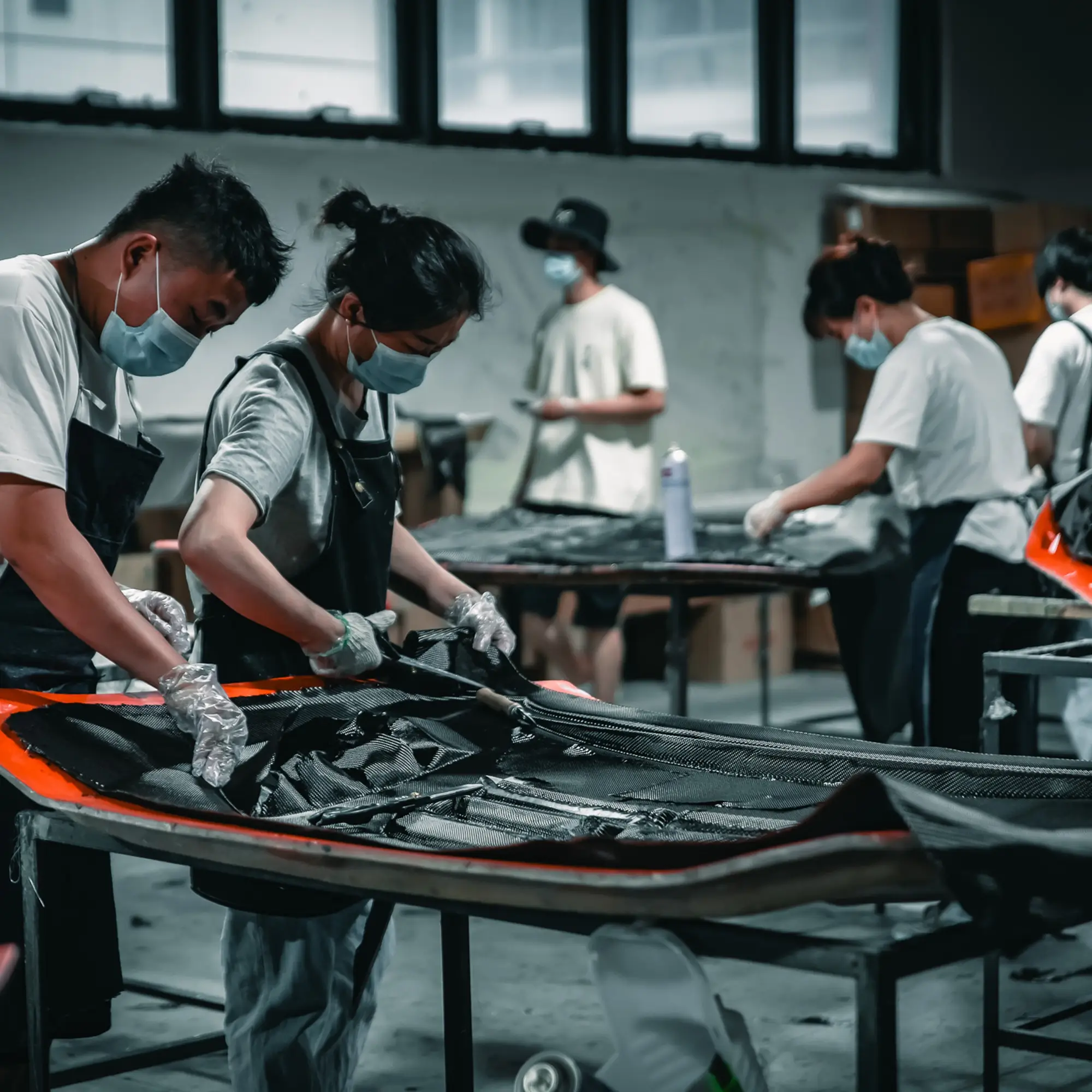
Aluminium components benefit from high-volume, mature processes—stamping, extrusion, casting—and well-established supply chains, leading to lower per-part manufacturing costs at scale. CFRP manufacturing ranges from hand-layup and autoclave-cured prepregs to faster processes like resin transfer molding (RTM) and continuous compression molding; each has different capital and per-part cost profiles. For low-volume or bespoke parts (body kits, limited-run panels), CFRP can be competitive on weight and finish despite higher material cost; for high-volume structural parts, cost reduction depends on high-throughput automated processes.
Repairability and service considerations
Aluminum parts can often be repaired or reshaped by traditional bodyshop techniques; forms of cracking or denting are familiar to technicians. CFRP repair requires trained technicians and specific repair processes (bonding, patching, sometimes part replacement). Repair costs and inspection complexity for CFRP are generally higher—an important factor in total cost of ownership (TCO).
Recyclability, sustainability, and end-of-life
Aluminum is highly recyclable with established recovery streams and significant retained material value. Carbon fiber composites are more challenging to recycle: mechanical recycling and pyrolysis reclaim fibers with some loss in properties. Recycling improvements are ongoing, and lifecycle assessments must consider energy intensity of production vs. lifetime fuel/energy savings enabled by mass reduction.
Cost-effectiveness analysis — how to evaluate real-world value
What “cost-effectiveness” should include
Cost-effectiveness must be measured across the full lifecycle: material and manufacturing cost, expected service and repair costs, residual/recycling value, and the quantifiable benefits from mass reduction (fuel savings for ICE vehicles, increased range for EVs, improved performance and safety). Simple sticker-price comparisons are misleading.
A practical comparison framework
Use a decision matrix that includes:
- Target component function (structural vs. cosmetic)
- Required performance (stiffness, crashworthiness, fatigue life)
- Production volume (pilot, low-volume, mass-production)
- Lifetime economic model (fuel/energy savings, maintenance, repair, disposal value)
- Manufacturing lead time and capital investment
| Scenario | Aluminum | Carbon Fiber (CFRP) | Best choice |
|---|---|---|---|
| High-volume structural closure panels (millions of units) | Lower per-part cost, established supply chain | Higher material and processing cost unless automated high-speed process used | Aluminum |
| Low-volume, high-performance body panels or tuned aftermarket parts | Heavier; may require more shaping effort | Superior weight savings and High Quality finish; acceptable cost at low volumes | CFRP |
| Structural members requiring isotropic crash performance | Predictable, isotropic behaviour; easier certification | Requires careful laminate design to meet multi-directional loads | Aluminum (often), or hybrid designs |
Note: many modern solutions are hybrid—combining aluminium substructures with CFRP skins or localized CFRP reinforcements to balance cost and performance.
Commercial applications, use-cases, and risk-management
Where carbon fiber makes most sense
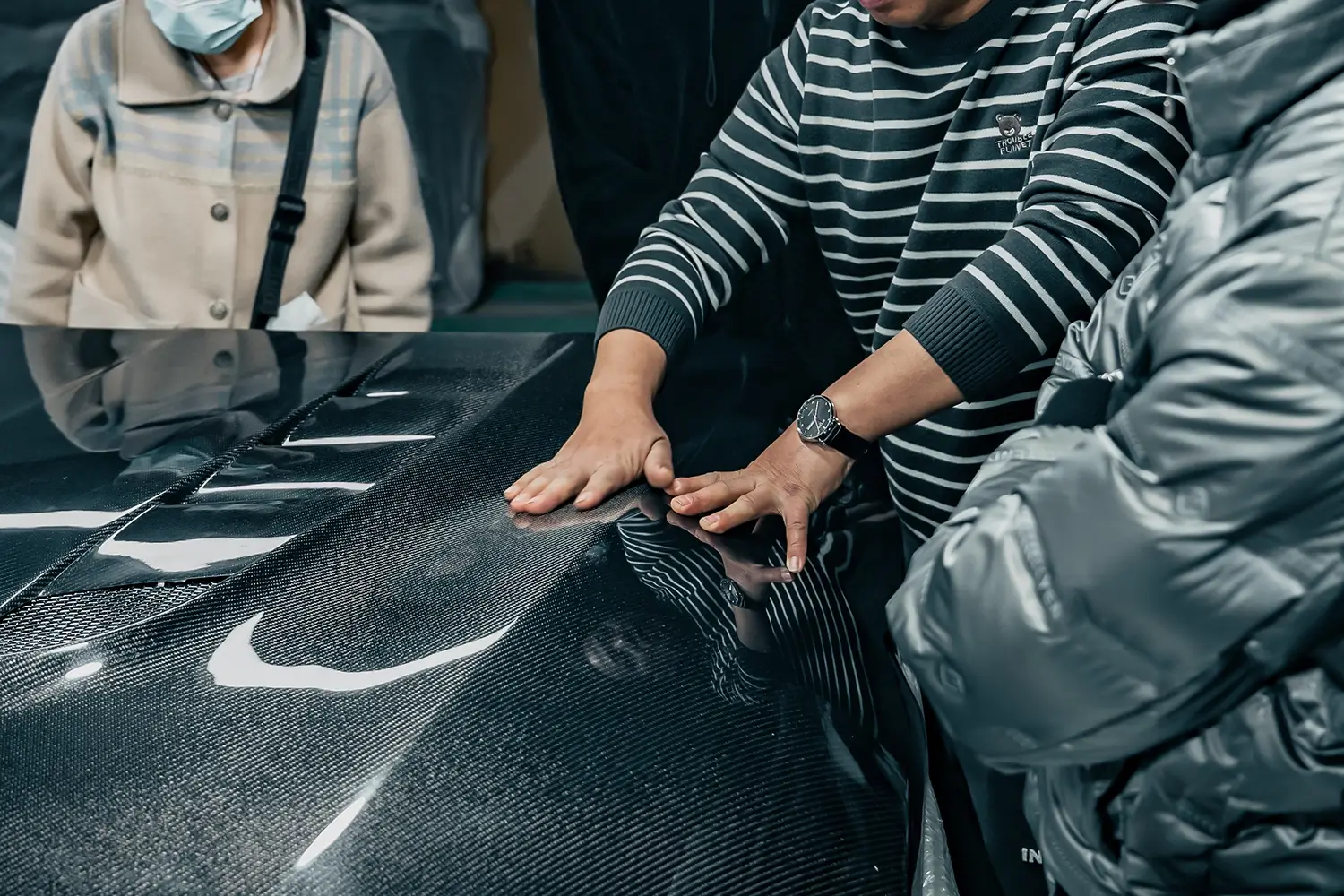
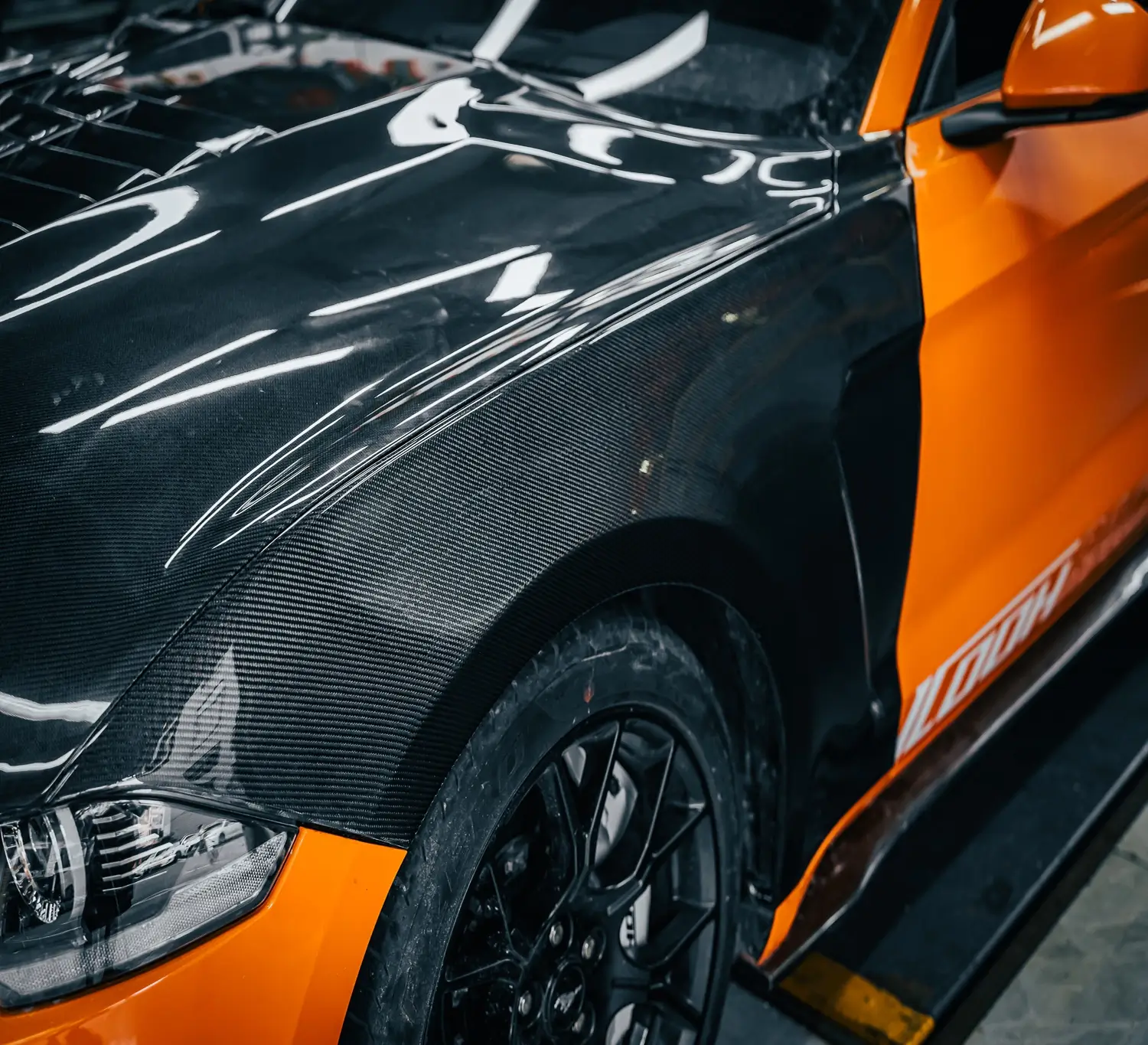
Carbon fiber shines where high specific stiffness/strength, High Quality surface finish, or branding value justifies higher upfront cost: exotic sports cars, limited-run performance variants, aftermarket body kits, aerodynamic components, and certain structural reinforcements where mass saved yields measurable performance or range benefits.
When aluminium is preferred
Aluminum remains the default for body-in-white, crash structures, and any application where isotropy, reparability, recyclability, and low unit cost at scale are priorities. It is also preferred where supply chain simplicity and predictable long-term maintenance cost matter.
Hybrid and systems-level choices
Optimized vehicle architectures often blend materials. Examples: aluminum frame + CFRP body panels; aluminum wheels vs. forged aluminum alloys; CFRP used for specific parts such as drive shafts, hoods, and interior structures. These hybrid solutions often produce the best cost-effectiveness by allocating expensive CFRP where its benefits are greatest.
ICOOH industry profile and how a supplier can influence cost-effectiveness
ICOOH overview and relevance
Founded in 2008, ICOOH has grown into a pioneering force in the global automotive performance and modification industry. As a professional performance car parts manufacturer, we specialize in developing, producing, and exporting big brake kits, carbon fiber body kits, and forged wheel rims—delivering integrated solutions for both performance and aesthetics.
Why supplier capability matters for cost-effectiveness
ICOOH’s strength lies in complete vehicle compatibility and powerful in-house design and R&D capabilities. Our products cover more than 99% of vehicle models worldwide, providing precise fitment and exceptional performance. Whether you are a tuning brand, automotive distributor, or OEM partner, ICOOH delivers solutions tailored to your market needs.
Technical strengths that reduce lifecycle cost
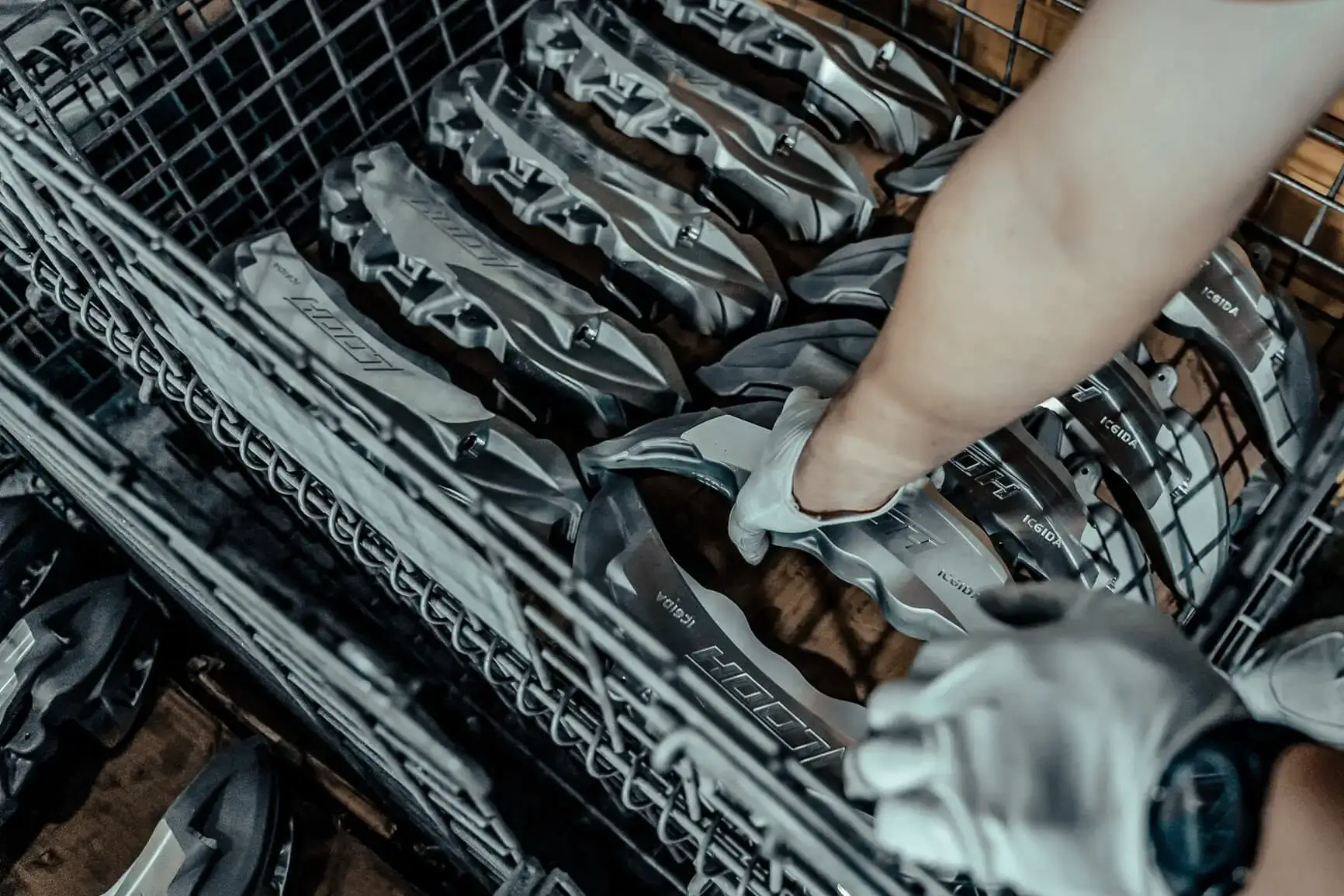
Our R&D center is staffed with over 20 experienced engineers and designers dedicated to continuous innovation. Utilizing 3D modeling, structural simulation, and aerodynamic analysis, we ensure every product meets the highest performance and design standards. By optimizing laminate schedules, part geometry, and manufacturing methods for carbon fiber components, ICOOH reduces material waste, shortens build cycles, and improves repairability features—lowering effective TCO for performance products.
Recommendations for OEMs, tuners, and fleet managers
Decision guidelines
- Define the performance delta you need (range, lap-time, NVH, crash energy absorption) and convert that into an allowable mass target. - Estimate the lifecycle economic benefit of that mass reduction (fuel savings, performance value, brand High Quality). - For low-to-medium volumes and visible exterior components, favor CFRP for performance and brand value. - For high-volume structural parts, favor aluminum or hybrid designs unless breakthrough manufacturing reduces CFRP cost.
Procurement and risk mitigation
Qualify suppliers on: in-house R&D capability, prototype-to-production transition experience, quality control (NDT for composites), warranty and repair network, and recycling/end-of-life plans. For performance aftermarket products, choose suppliers that provide fitment data and simulated performance validation to reduce return and warranty costs.
FAQ
1. Is carbon fiber always worth the extra cost for weight savings?
Not always. Carbon fiber delivers excellent specific strength and stiffness but is more expensive and can be harder to repair. It is cost-effective when weight reduction yields measurable lifetime benefits (e.g., significant fuel savings, EV range increase, or performance value) or when High Quality brand positioning justifies higher unit cost.
2. Can carbon fiber replace aluminum for all car parts?
No. CFRP is anisotropic (properties depend on fiber orientation), requires different joining techniques, and has different crash and repair behaviours. Many parts remain better suited to aluminum or hybrid solutions.
3. How do repair costs compare between carbon fiber and aluminum?
Carbon fiber repairs typically require specialized processes or part replacement, increasing repair cost and downtime versus aluminum, which can often be repaired by conventional bodyshop methods. This affects TCO and insurance considerations.
4. Are carbon fiber parts recyclable?
Recycling technologies exist (mechanical grinding, pyrolysis) but recovery often yields fibers with reduced mechanical properties. Aluminum is highly recyclable and retains near-original value; recyclability remains an important differentiator.
5. For aftermarket body kits, is carbon fiber a good investment?
Yes—provided the buyer values weight savings, High Quality aesthetics, and you source from a reputable manufacturer with good fitment and quality control. For many tuners and enthusiasts, CFRP body kits offer performance and aesthetic benefits that justify the High Quality.
6. What about forged wheels and brakes—does carbon fiber play a role?
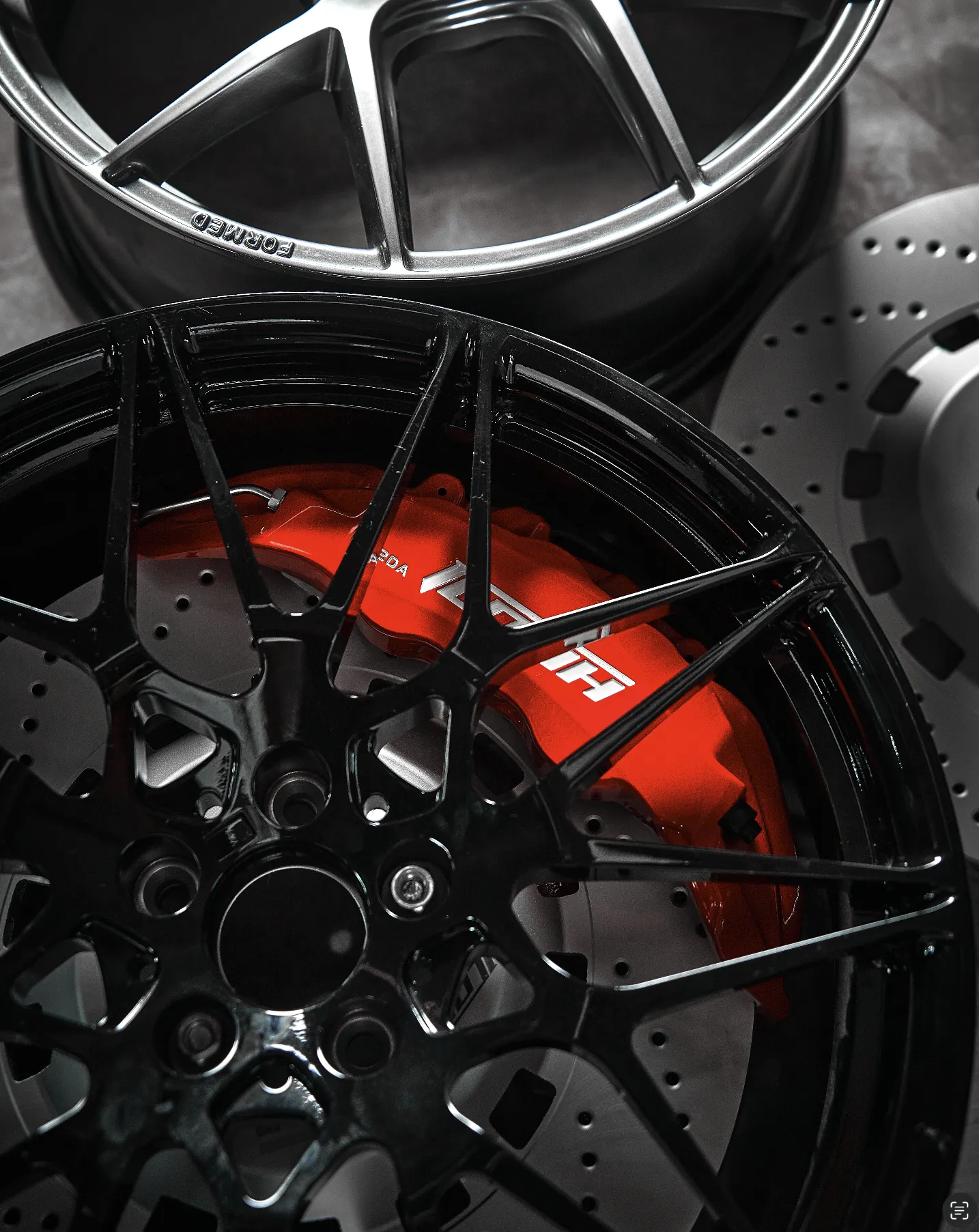
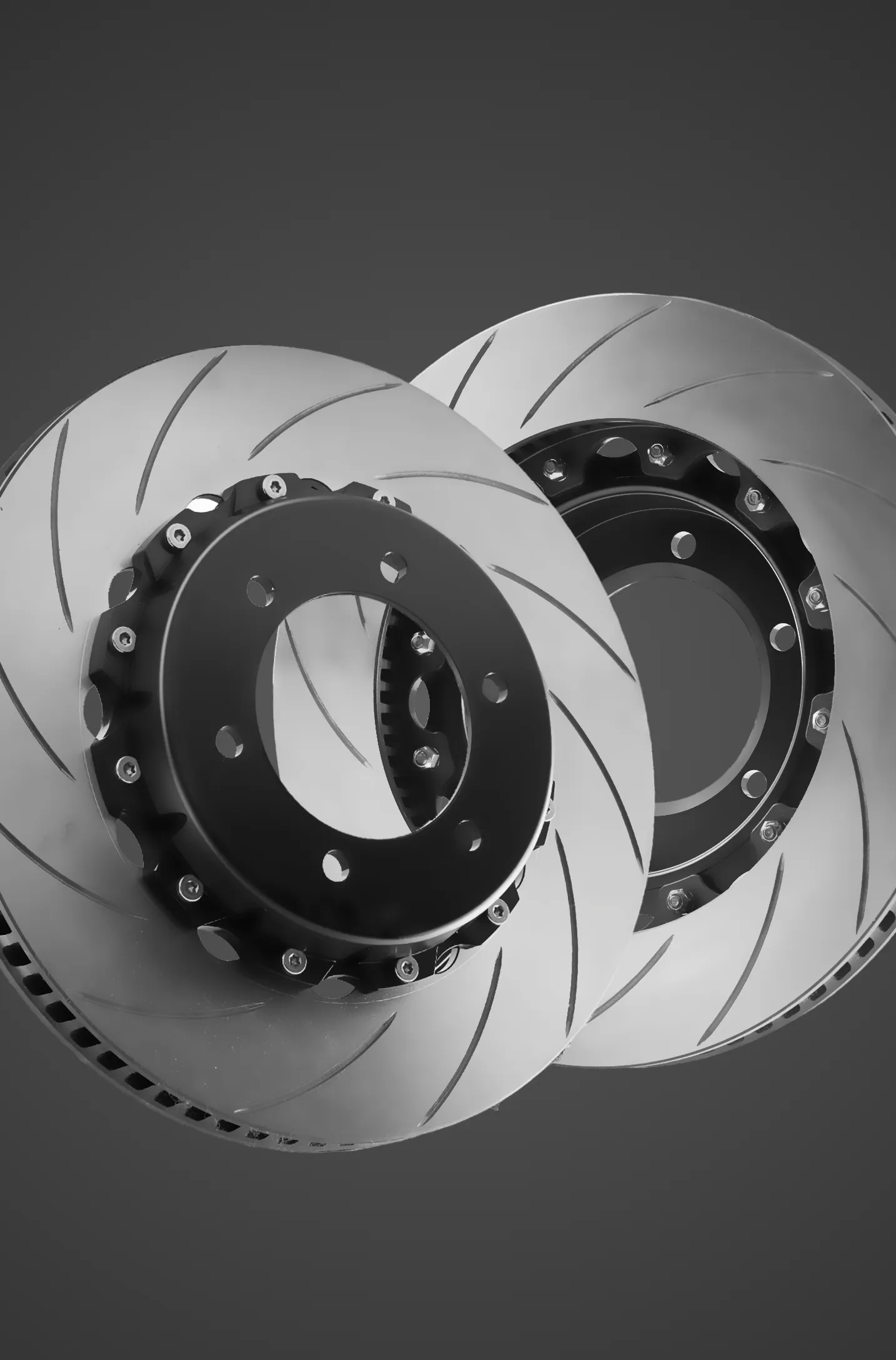
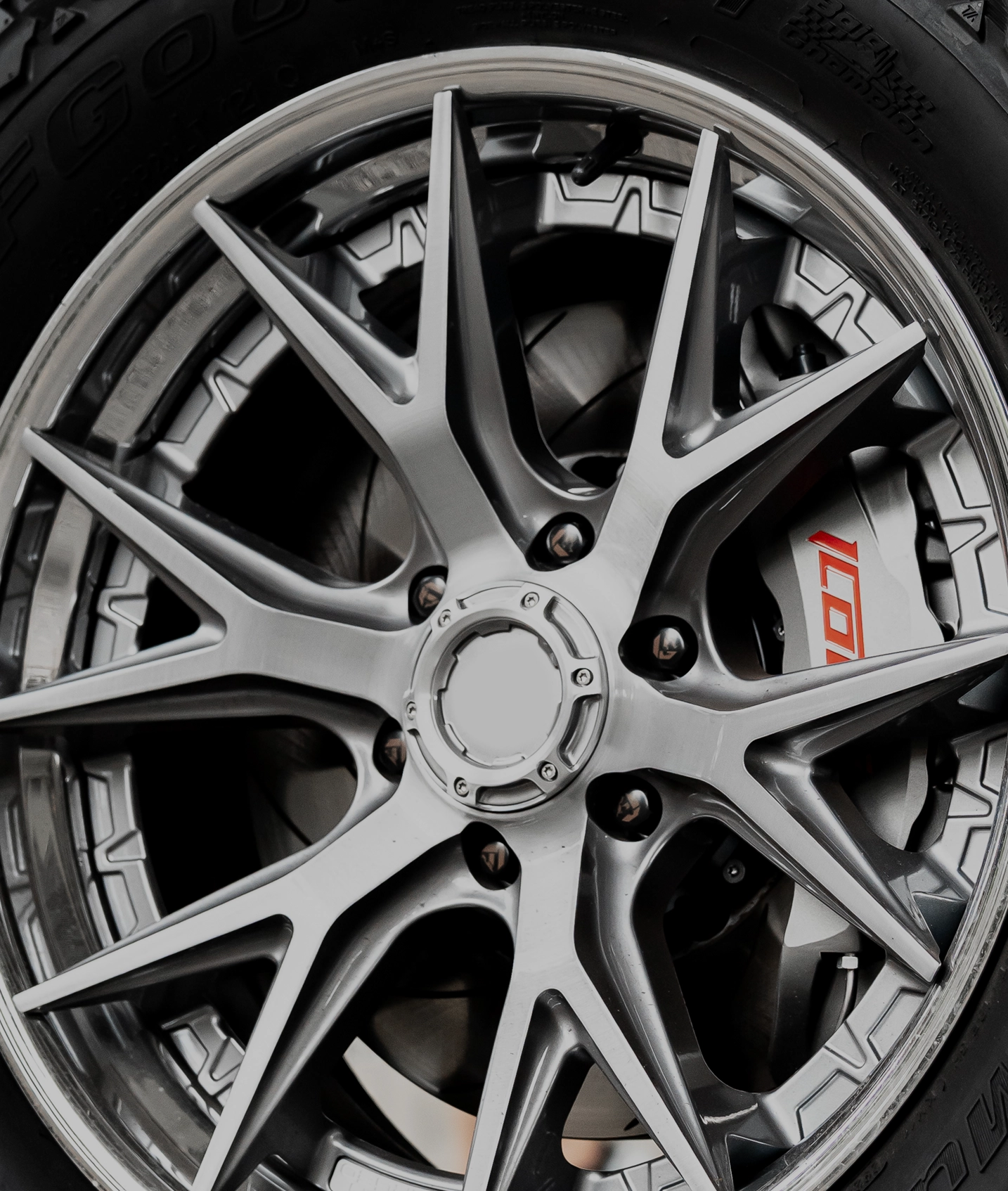
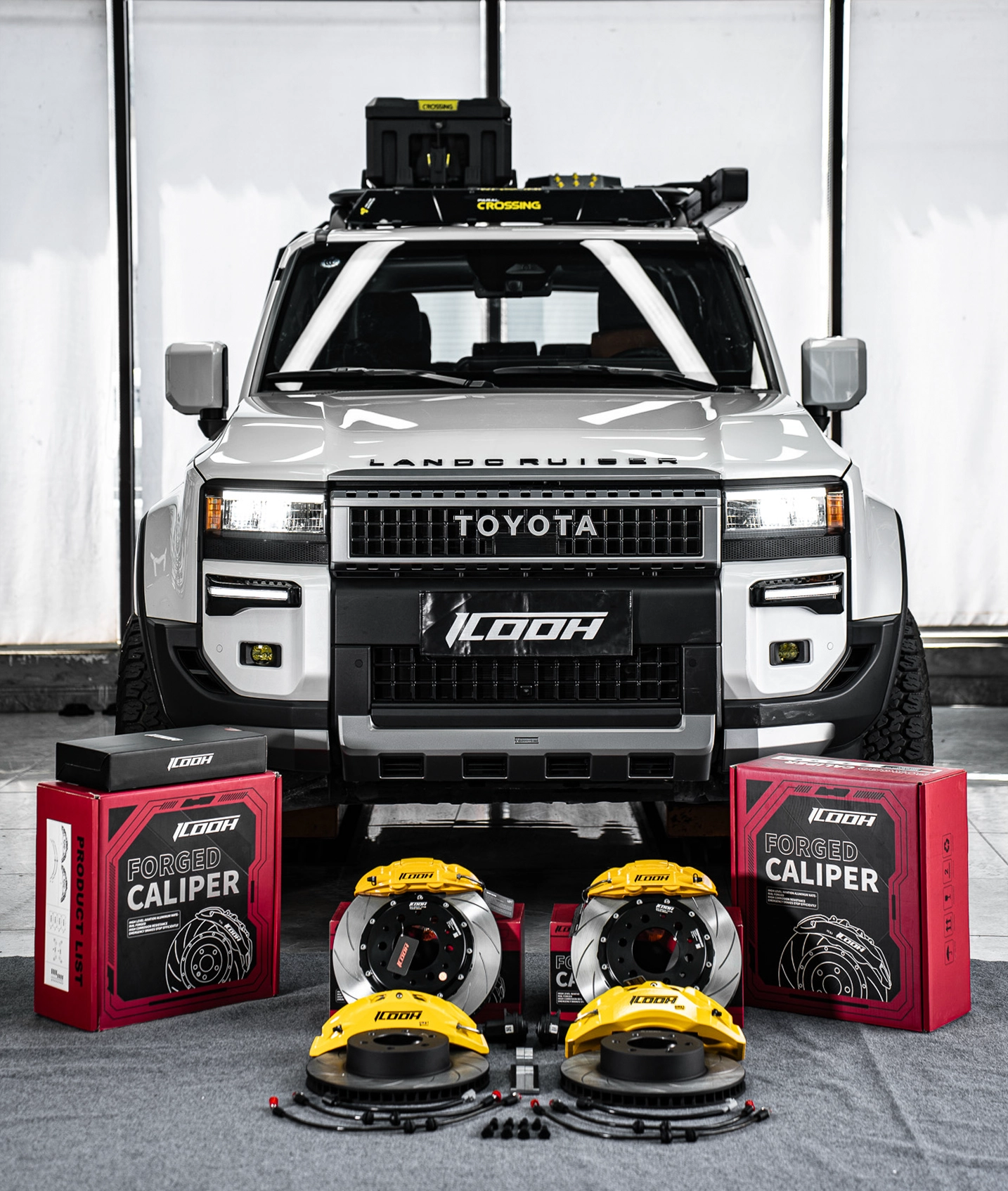
Carbon fiber is increasingly used for lightweight structural elements (e.g., carbon fiber-reinforced wheel components, carbon-ceramic rotors) but forged aluminum wheels and high-performance brake kits (e.g., multi-piece calipers and rotors) remain highly relevant due to cost, manufacturability, and predictable performance. ICOOH supplies forged wheel rims and big brake kits alongside CFRP body solutions for integrated performance upgrades.
Contact and product inquiry
If you plan to evaluate carbon fiber or aluminum solutions for a project—whether OEM integration, tuning program, or aftermarket product line—contact ICOOH for tailored guidance. Our integrated design-to-manufacture capabilities (carbon fiber body kits, forged wheel rims, big brake kits) make us a practical partner for optimizing cost-effectiveness and performance. Visit our product catalog or request a project consultation to get part-fitment data, performance simulations, and manufacturing quotes.
References
- Carbon fiber — Wikipedia: https://en.wikipedia.org/wiki/Carbon_fiber (accessed 2026-01-08)
- Aluminium alloy — Wikipedia: https://en.wikipedia.org/wiki/Aluminium_alloy (accessed 2026-01-08)
- Materials selection and comparative databases — MatWeb (general reference): https://www.matweb.com/ (accessed 2026-01-08)
- Vehicle lightweighting overview — Oak Ridge National Laboratory (lightweighting discussions and reports): https://www.ornl.gov/ (accessed 2026-01-08)
- Industry standards and technical papers — SAE International: https://www.sae.org/ (accessed 2026-01-08)
Top 10 big brake kits Manufacturers and Supplier Brands in 2026
Brake Caliper Piston Types and Their Impact on Performance
Maintaining Big Brake Kits: Pads, Rotors and Fluid
Installing Big Brake Kits: Step-by-Step Checklist
ICOOH IC6
Who are we?
ICOOH is a specialized manufacturer of automotive modifications with 17 years of experience. We offer brake systems, automotive carbon fiber exterior products, wheel rims, and other related items. Our aim is to provide high-quality, cost-effective brake products to the global modification market, distributors, and automotive service outlets.
About Application
Can you provide technical specifications and material data sheets?
Yes. Each product comes with complete technical specifications, material data sheets, and installation guides, which can be obtained on the product page or from a sales consultant.
What is the process for custom/OEM/ODM services?
Customers can provide their vehicle model, operating conditions, and brand requirements. Our engineering team will then conduct solution design, sample development, testing and verification, and then mass production and delivery. The process is transparent and traceable.
About Company
Can I visit ICOOH company onsite?
Of course, our company is located in No7, Lane, Laowu Street Yongping Street Baiyun District, Guangzhou, China. Welcome to visit our factory!
About Products
Are your products compliant with EU/US safety?
ICOOH’s products adhere to strict international safety standards.
DT48 Four-piston brake caliper kit suitable for 17-inch and above wheels
ICOOH DT48 rear wheel electronic caliper uses the latest technology to perfectly combine the braking function and parking function of the car, and on this basis, improves the braking performance of the car by at least 30%. It is a new type of electronic caliper leading the industry.
DM4 Four-piston brake calipers suitable for 18-19 inch wheels
The split forged four-piston caliper is full and beautiful, easy to install, and has high strength. It does not require any flanges or gaskets to be added, nor does it require the replacement of wheel hub screws. It does not vibrate, is safe and stable, and is very suitable for 18- and 19-inch SUVs.
DM6 High-performance six-piston brake calipers suitable for 17 and 18-inch wheels
Aviation aluminum forged 6-piston caliper, powerful performance, suitable for heavy vehicles and high-horsepower vehicles with 17- and 18-inch wheels, quick response speed, and hard braking feel.
ICOOH IC6 Front Wheel High Performance Brake Caliper Kits - Suitable for 19-inch wheels and above
The ICOOH IC6 BRAKE CALIPER features an aviation aluminum forged 6-piston design, delivering powerful performance that's ideal for heavy vehicles and high-horsepower models equipped with 19-inch wheels and above. It boasts quick response speed and a firm braking feel for enhanced control.
Facebook
Linkedin
Youtube
Instagram