













B2B Guide: Selecting Compatible Big Brake Kits for Benz Models
- Upgrading Mercedes Braking: A Practical B2B Guide
- Why B2B Buyers Choose Big Brake Kits for Benz
- Understand Mercedes Brake Architecture Before Specifying a Kit
- Key Compatibility Factors When Selecting Big Brake Kits for Benz (Checklist)
- Caliper and Rotor Design Choices — What B2B Buyers Should Compare
- Fitment Process: Measurement & Verification Steps for Distributors
- Performance Validation & Testing (B2B QA Expectations)
- Certifications, Liability & Aftermarket Compliance
- Supply Chain and Commercial Considerations for B2B Buyers
- ICOOH — Supplier Profile and Why It Matters for Your Mercedes Projects
- How ICOOH’s Big Brake Kits Benefit B2B Partners
- Practical Case Scenarios
- Installation, Maintenance & Service Recommendations for End Customers
- Cost vs Value — Positioning Your Offer to Mercedes Customers
- Frequently Asked Questions (FAQs)
- Contact & Next Steps — Inquire About Model‑Specific Solutions
- References
Upgrading Mercedes Braking: A Practical B2B Guide
Why B2B Buyers Choose Big Brake Kits for Benz
Big Brake Kits for benz are a frequent upgrade requested by tuners, performance shops, and distributors because Mercedes vehicles — from C‑Class sport packages to AMG and aftermarket‑modified S‑class builds — demand higher thermal capacity, improved pedal feel, and superior modulation when power and weight change. For B2B purchasers, the decision isn’t just about performance: it’s about fitment accuracy, parts interchangeability, certification, warranty handling, and the ability to support end customers (installation, bleed procedures, spare parts).
Understand Mercedes Brake Architecture Before Specifying a Kit
Mercedes-Benz uses a variety of factory brake architectures across model lines and years: single-piston floating calipers on entry models, multi-piston fixed calipers on AMG models, iron or composite rotors, integrated parking brake mechanisms, and complex ABS/ESP sensors and valves. Key implications for B2B buyers:
- Factory caliper mount type and bracket geometry determine whether a bolt-on BBK is possible.
- Wheel clearance and hub offsets dictate rotor diameter and caliper width limits.
- Parking brake integration (mechanical vs electronic) affects rear BBK choice.
- ABS/ESP sensors and wheel speed ring compatibility must be maintained or adapted.
Key Compatibility Factors When Selecting Big Brake Kits for Benz (Checklist)
Use this checklist during pre-sale fitment engineering and before shipping any kit to avoid returns and rework.
| Factor | Why It Matters | How to Verify |
|---|---|---|
| Rotor Diameter & Thickness | Affects thermal capacity and wheel clearance | Measure hub-to-inner‑wheel clearance; confirm wheel spoke clearance; verify OEM wheel fitment |
| Caliper Mounting & Bracket Bolt Pattern | Determines mechanical compatibility | Compare OEM bracket points or supply vehicle-specific adapter brackets |
| Wheel Clearance (Offset & Rim Size) | Calipers can interfere with rim spokes | Provide required minimum wheel inner diameter and recommended offsets |
| Hub Bore & Wheel Stud/PCD | Interfacing with hub and wheel centering | Specify hub-centric rings or machine rotor hats to match hub bore and PCD |
| Electronic Parking Brake | Requires specific calipers or retain OEM EPB units | Confirm whether vehicle uses EPB; choose compatible rear kit |
| ABS/Sensor Ring Compatibility | Maintains safety/ESP functions | Retain or replicate wheel speed rings; validate sensor clearance |
| Brake Line Fittings & Length | Hydraulic fitment and bleed procedure | Use OEM‑equivalent hose ends or supply braided lines with correct fittings |
| Weight & Unsprung Mass Effects | Can alter suspension tuning and harmonic loads | Share caliper and rotor mass with installers; recommend damper/spring checks |
Caliper and Rotor Design Choices — What B2B Buyers Should Compare
Selecting the right design balances cost, performance, serviceability and vehicle use (street, track, drift). The following table outlines common options and practical guidance for Mercedes applications.
| Component | Typical Options | Pros | Cons / When Not Recommended |
|---|---|---|---|
| Calipers | 4‑piston monobloc / 6‑piston monobloc / 8‑piston multi-piece | More pistons = improved pressure distribution, better modulation; monobloc = stiffer, fewer failure points | Higher cost and larger packaging; unnecessary for low-power models |
| Rotors | One‑piece cast / Two‑piece (aluminum hat + iron friction ring) / Composite | Two‑piece = reduced unsprung mass, better heat dissipation, replaceable rings; slotted/drilled control gas/debris | Drilled rotors can crack under extreme thermal cycling; one‑piece cheaper but heavier |
| Pad Material | Street organic / Semi‑metallic / Ceramic / Racing compounds | Choose material for operating temperature range and wear characteristics | Racing compounds may produce noise and require bed-in; ceramics may change ABS behavior |
Fitment Process: Measurement & Verification Steps for Distributors
A robust fitment verification reduces warranty claims. Recommended process:
- Obtain VIN and OEM brake assembly photos from customer or dataset.
- Confirm wheel size, offset and center bore; request exact rim model if possible.
- Measure hub flange diameter, PCD, and stud/bolt dimensions.
- Check OEM caliper bracket locations and parking-brake type.
- Use 3D scanning or CAD templates (recommended for high-volume projects) to verify interference.
- Supply fitment guide with torque specs, bleed procedure, and wheel clearance diagram to the installer.
Performance Validation & Testing (B2B QA Expectations)
B2B customers require evidence of performance and reliability. Typical validation includes:
- Thermal cycle testing: repeated high-speed stops to check fade characteristics and rotor stability.
- Pad and rotor wear rate per mileage or stopping cycles.
- NVH testing for squeal and vibration under cold/wet conditions.
- Brake torque and pedal travel consistency tests.
Where possible, request or require supplier test reports or third‑party dyno/track validation. Standards and methods from SAE and other organizations provide structured protocols for some tests (reference sources below).
Certifications, Liability & Aftermarket Compliance
For European markets, replacement brake components are often expected to comply with UNECE regulations (and national homologation in some countries). ECE R90 governs replacement brake discs and pads; ensure suppliers can provide compliant documentation. TÜV/ISO quality certifications and traceable material tests (e.g., metallurgical reports for iron alloys) strengthen a B2B offer.Insurance and warranty: define clear terms for misuse, track use exclusions, and predictive maintenance intervals. Provide spare part numbers for commonly replaced items (rings, pads, guide pins).
Supply Chain and Commercial Considerations for B2B Buyers
When selecting a manufacturer or supplier of Big Brake Kits for benz, consider:
- Product range coverage — do they support a broad range of Mercedes models and model years?
- In-house R&D and fitment engineering capabilities — can they supply bespoke brackets or do they rely on adapters?
- Lead times and inventory strategy — high SKU diversity requires clear stocking plans.
- After‑sales support — technical sheets, installation guides, replacement parts availability.
- MOQ, private labeling, and co‑development options for tuning brands or OEM reman partners.
ICOOH — Supplier Profile and Why It Matters for Your Mercedes Projects
Founded in 2008, ICOOH has grown into a pioneering force in the global automotive performance and modification industry. As a professional performance car parts manufacturer, we specialize in developing, producing, and exporting big brake kits, carbon fiber body kits, and forged wheel rims—delivering integrated solutions for both performance and aesthetics.ICOOH’s strength lies in complete vehicle compatibility and powerful in-house design and R&D capabilities. Our products cover more than 99% of vehicle models worldwide, providing precise fitment and exceptional performance. Whether you are a tuning brand, automotive distributor, or OEM partner, ICOOH delivers solutions tailored to your market needs.Our R&D center is staffed with over 20 experienced engineers and designers dedicated to continuous innovation. Utilizing 3D modeling, structural simulation, and aerodynamic analysis, we ensure every product meets the highest performance and design standards.At ICOOH, our mission is to redefine automotive performance and aesthetics through precision engineering and creative innovation.
How ICOOH’s Big Brake Kits Benefit B2B Partners
Key competitive points and advantages:
- Extensive vehicle coverage: minimizes cross‑reference complexity and reduces the need for multiple suppliers for different Mercedes models.
- In-house engineering: allows tailored bracket designs, quick-fit verification, and assistance with OEM integration or private-label programs.
- Two‑piece rotors and multi‑piston calipers in core ranges provide a balance of performance and serviceability preferred by Mercedes owners and installers.
- Comprehensive documentation, including CAD templates, installation procedures, and recommended pad pairings, speeds up dealer and installer acceptance.
Practical Case Scenarios
Scenario A — Distributor supplying AMG‑style BBK for C‑Class coupe:Choose a 6‑piston front kit with 355–380 mm two‑piece rotors for a balance of fitment to 18–19 wheels and improved thermal capacity. Ensure EPB compatibility for rear kit.Scenario B — Tuner building a street/track M‑class SUV upgrade:Select a high‑capacity 8‑piston front caliper with 390–420 mm rotors, two‑piece construction to reduce unsprung mass; pair with race‑tuned pad compound and test ABS calibration if wheel speed ring geometry changes.
Installation, Maintenance & Service Recommendations for End Customers
Provide installers and end customers with clear guidance:
- Use OEM or specified torque settings. New caliper sliding surfaces and guide pins should be cleaned and lubricated with high‑temp grease.
- Bleed the system following vehicle manufacturer order (usually caliper farthest from master cylinder first) and use correct DOT fluid rated for expected temperatures.
- Bed‑in pads per manufacturer instructions: progressive stops to bring pads and rotors up to operating temperature and establish an even transfer layer.
- Inspect wheel clearances and torques after first 50–100 km and again after 500 km.
Cost vs Value — Positioning Your Offer to Mercedes Customers
Price sensitivity varies: performance shops value verifiable track data and ease of fitment; boutique tuners prioritize aesthetics (caliper colors, branding) along with performance. For distributors and retailers, inventory decisions should weigh SKU depth against expected turnover; focus on core high‑volume kits for common Mercedes platforms and offer bespoke solutions for low-volume, high-margin projects.
Frequently Asked Questions (FAQs)
- Will a big brake kit change my ABS or ESP behavior?
Potentially — if the kit alters wheel speed ring geometry, sensor position, or rotor inertia significantly. Good suppliers retain OEM wheel‑speed ring profile or provide adapters to maintain correct sensor readings. Always validate ABS/ESP function after installation.
- Can I fit a BBK if my Mercedes has an electronic parking brake?
Yes, but you must choose rear calipers designed to integrate EPB actuators or retain the OEM EPB mechanism. Some kits include EPB‑ready calipers or adapter solutions.
- What wheel size do I need for a typical 6‑piston front kit on a C‑Class?
Many 6‑piston kits require at least 18–19 wheels with sufficient inner spoke clearance. Exact minimum wheel inner diameter and offset depend on the caliper and rotor sizes — verify with the supplier’s fitment template.
- Do drilled rotors improve wet braking?
Drilled and slotted rotors can help evacuate gas and water, improving initial bite in some conditions. However, drilled rotors can be prone to crack under extreme thermal cycling; two‑piece slotted rotors are often a better balance for street/track use.
- How do I choose pad material for mixed street/track use?
Choose a semi‑metallic or high‑performance street compound that offers good cold bite and elevated temperature capacity. For regular track days, consider a dedicated track compound but be aware of increased noise, dust, and different wear rates.
- What documentation should a reliable BBK supplier provide?
Provide fitment templates (CAD/PDF), torque specs, bleed and bed‑in procedures, material certificates for rotors, and test validation reports where available.
Contact & Next Steps — Inquire About Model‑Specific Solutions
If you represent a tuning brand, distributor, or OEM and need tailored Big Brake Kits for benz with full fitment documentation and co‑development options, contact ICOOH to discuss vehicle coverage, private labeling, and technical support. View product ranges and request CAD fitment files or sample kits for verification.
References
- Brake — Wikipedia. https://en.wikipedia.org/wiki/Brake (accessed 2025-12-23)
- Brake rotor — Wikipedia. https://en.wikipedia.org/wiki/Brake_rotor (accessed 2025-12-23)
- UNECE Vehicle Regulations (overview). https://unece.org/transport/vehicle-regulations (accessed 2025-12-23)
- Brembo — Braking Systems and Knowledge Center. https://www.brembo.com/en/vehicle (accessed 2025-12-23)
- SAE International — Testing and standards overview. https://www.sae.org/ (accessed 2025-12-23)
- ICOOH company information and product specialization (company supplied details as integrated above). Internal company profile (accessed 2025-12-23)
For further assistance, CAD templates, or to request vehicle-specific quotes for Big Brake Kits for benz, contact ICOOH through our commercial channels or request a sample kit for fitment validation.
Custom Carbon Fiber Body Kits: OEM Collaboration & Design Transfer
Ceramic vs Metallic Pads for Big Brake Kits
Top 10 car tuning parts Manufacturers and Supplier Brands in 2026
Cost & Margin Analysis for Selling Big Brake Kits
Daily Modified Vehicles
Can it be customized to suit my driving style?
Yes. We can provide different friction coefficient combinations and cooling solutions for daily driving or occasional track use.
Racing Vehicles
Is replacement or maintenance easy?
The modular quick-release design allows for rapid on-track brake pad/disc replacement, minimizing downtime.
About Application
Are there test data or reliability reports?
Yes. ICOOH provides reliability reports such as brake performance curves, temperature resistance/lifespan tests, and dynamic friction coefficients to facilitate customer evaluation and selection.
Off-Road Vehicles
Do you offer customized services?
We offer OEM/ODM customization, supporting component combinations of calipers, brake discs, friction pads, and more.
About Company
Are you a manufacturer or a trading company?
We come directly from the factory and also have a sales office in Baiyun Guangzhou.
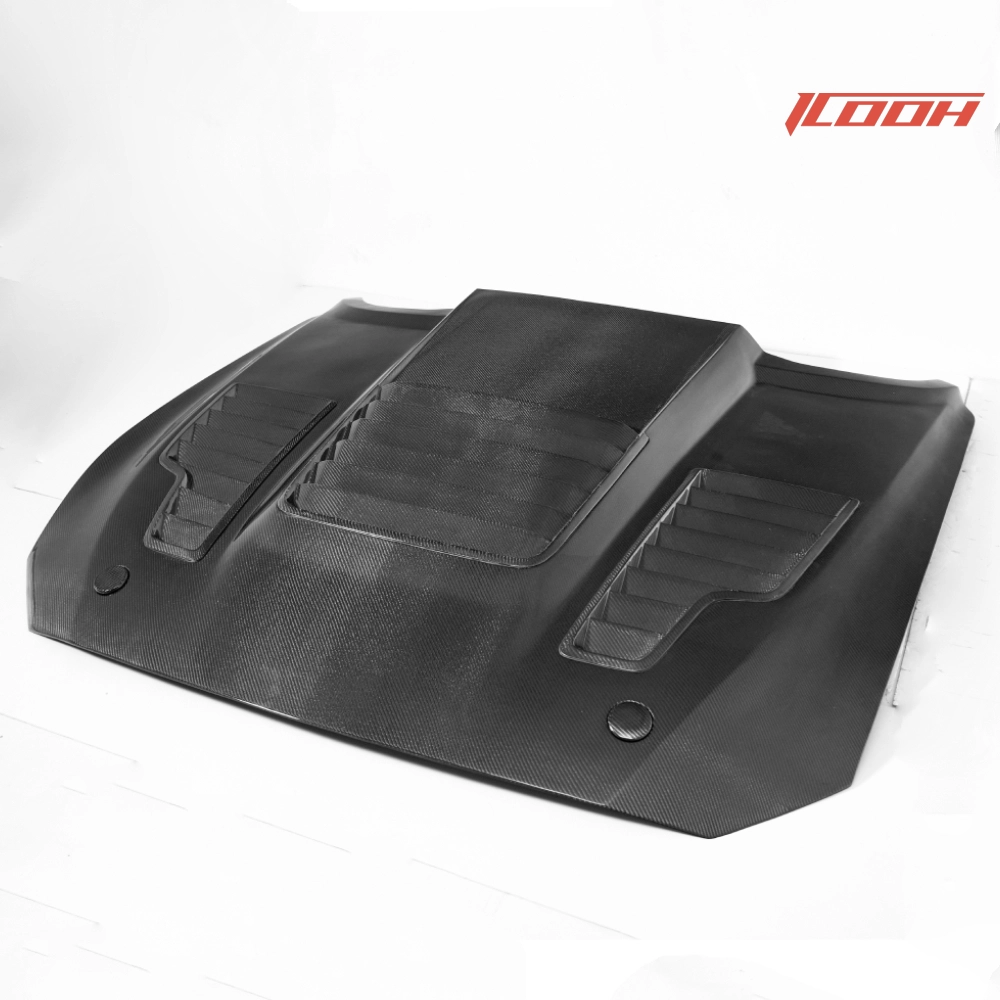
005 Ford Mustang 2018-2023 S550 Exhaust-style Carbon Fiber Front Hood
005 style Carbon Fiber Front Bonnet Engine Hood for Ford Mustang 2018-2023. made of durable carbon fiber material, precision-engineered for OEM-matched fitment. Lightweight and strong, enhances performance while maintaining a sporty aesthetic. Suitable for aftermarket replacement or performance upgrade with 100% tested quality assurance.
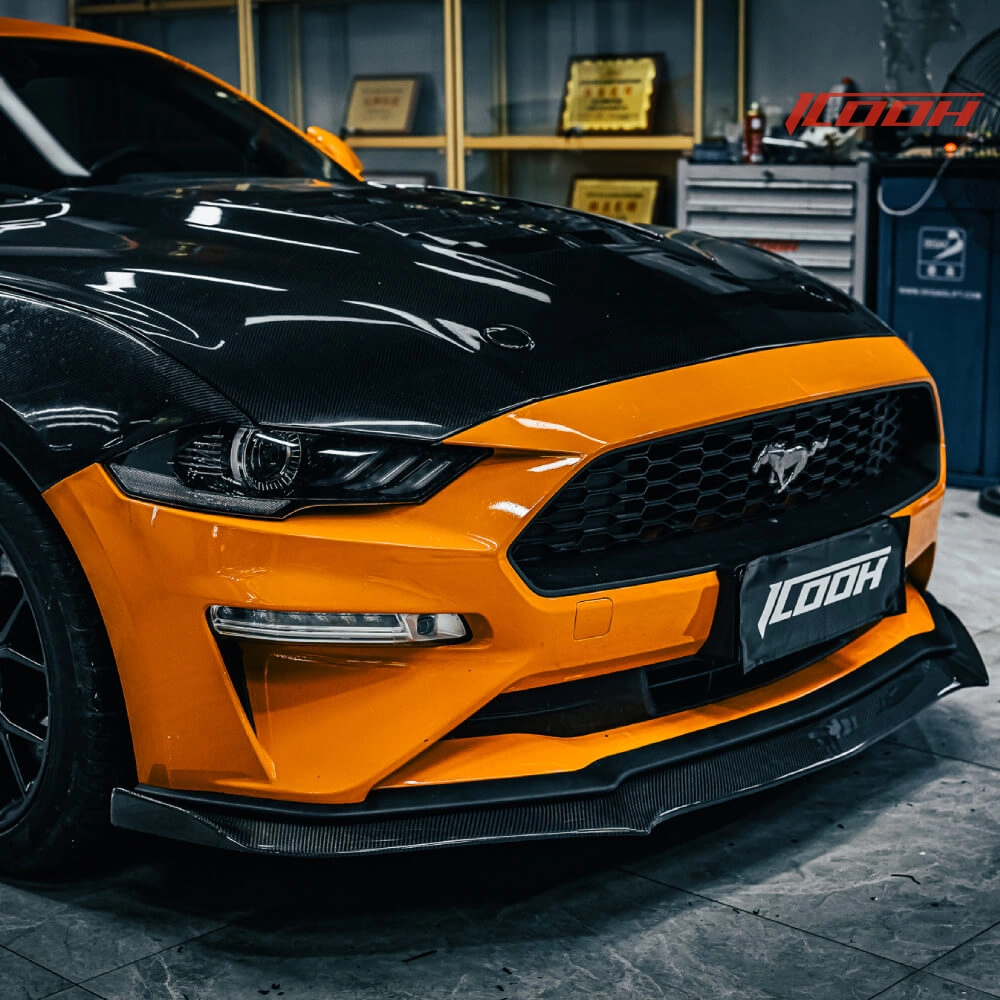
GT350 Ford Mustang 2018-2023 Carbon Fiber Front Lip
Enhance the aerodynamics and style of your Mustang with the 2018–2023 Mustang GT350 Carbon Fiber Front Lip. Crafted from lightweight, high-strength carbon fiber, this front lip delivers improved downforce, sharper front-end appearance, and a precise OEM-style fit.
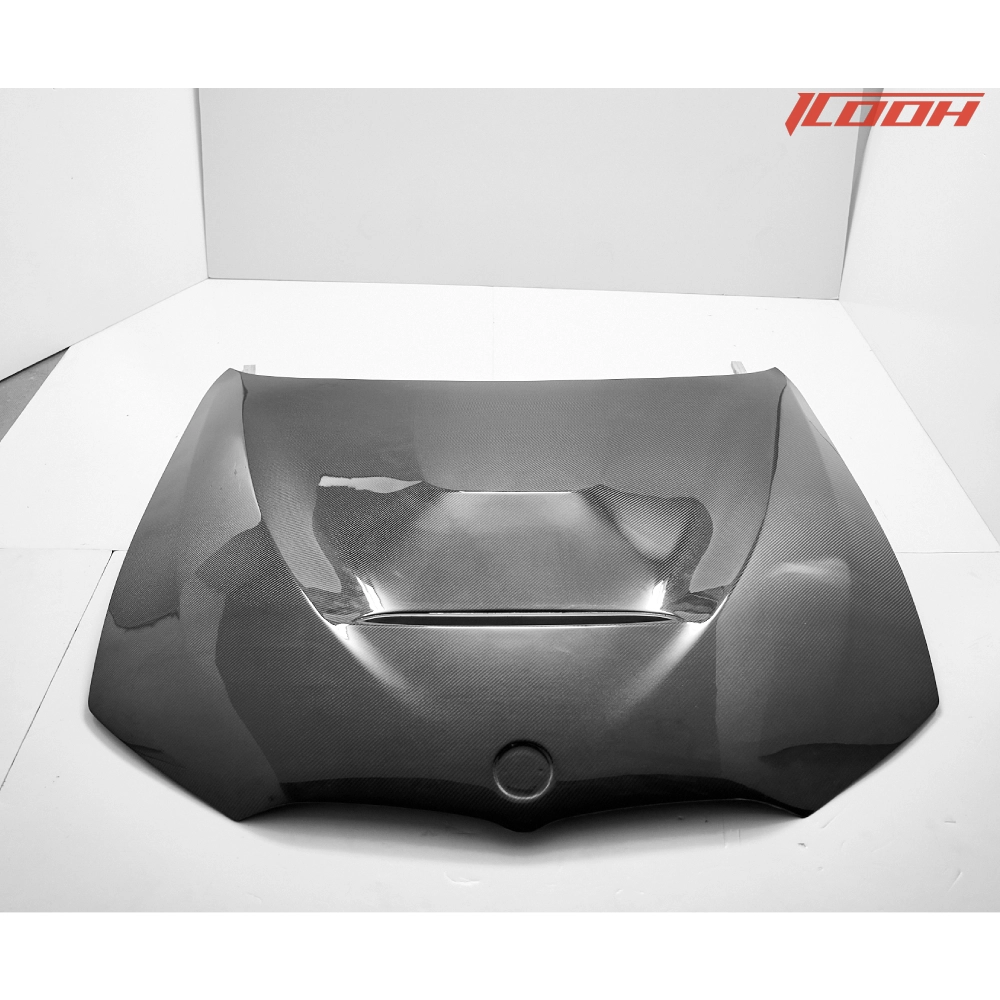
2020-2024 BMW G20 3 Series GTS Style Carbon Fiber Hood
The BMW G20 3 Series GTS-style carbon fiber hood, designed to deliver a lightweight, aggressive, and performance-focused look. Crafted from high-quality carbon fiber, it enhances aerodynamics, improves heat dissipation, and gives your G20 a striking motorsport appearance.

BMW 1 Series F20 GTS style carbon fiber front hood
The BMW 1 Series F20 GTS-style carbon fiber front hood. Made from high-quality carbon fiber, it offers a lightweight, durable construction with improved cooling and a striking performance look. Designed for precise fitment, it enhances both style and aerodynamics for a true motorsport feel.
Lightweight. Durable. Uniquely Yours.
ICOOH is a pioneer in automotive performance and exterior upgrades, compatible with 99% of vehicles worldwide. Let ICOOH be your professional supplier of car tuning parts and performance automotive accessories.
Facebook
Linkedin
Youtube
Instagram