













Custom Big Brake Kit Solutions for Mercedes-Benz Tuners
- Why High-Performance Braking Matters for Mercedes-Benz Tuners
- Understanding the tuner’s intent and why Big Brake Kits for benz are a priority
- How Big Brake Kits for benz Improve Performance — Key Technical Principles
- Mechanical advantages: leverage, heat capacity, and pad contact
- Sizing and Fitment: Choosing the Right Big Brake Kits for benz
- Wheel fitment, hub centerline offsets, and caliper clearance
- Material Choices: Rotors, Calipers, and Pads for Mercedes Big Brake Kits
- Cast vs. two-piece rotors, caliper alloys, and pad compound selection
- Brake Balance and Brake Bias: Calibration After Installation
- Why proportioning and ABS integration matter for Big Brake Kits for benz
- Installation and Maintenance Best Practices for Mercedes Tuners
- Torque specs, bedding-in procedures, and routine inspection
- Trade-offs: Weight, Unsprung Mass, and NVH Considerations
- How Big Brake Kits for benz affect handling and ride characteristics
- Cost and Value: What to Expect When Buying Big Brake Kits for benz
- Component-level cost drivers and lifecycle considerations
- Comparing OEM Brakes vs. Aftermarket Big Brake Kits for Mercedes-Benz
- Performance comparison matrix
- Case Studies: Typical Upgrades for Common Mercedes Platforms
- E-Class, C-Class, and AMG models — matching kits to goals
- Customization Options and OEM Integration for Tuners
- Caliper color, piston sizing, and bespoke hat adapters
- Why Partner with an Experienced Manufacturer — Introducing ICOOH’s Capabilities
- ICOOH: End-to-end engineering and global model coverage for Big Brake Kits for benz
- Selecting an ICOOH Solution: Practical Steps for Tuners and Distributors
- How to engage for a custom Big Brake Kits for benz project
- Frequently Asked Questions (FAQ)
- Q1: Do I need big brake kits for every Mercedes-Benz model?
- Q2: Will a big brake kit fit my existing wheels?
- Q3: How does a two-piece rotor differ from a one-piece rotor in real-world use?
- Q4: Will upgrading only the front brakes cause issues?
- Q5: How often will I need to replace rotors and pads on a big brake kit?
- Q6: Can ICOOH provide custom color and branding for calipers?
- Contact and Next Steps — Get a Quote or Technical Consultation
- Request tailored Big Brake Kits for benz solutions
- References and Further Reading
Why High-Performance Braking Matters for Mercedes-Benz Tuners
Understanding the tuner’s intent and why Big Brake Kits for benz are a priority
Mercedes-Benz owners and tuners push cars for more than straight-line speed: trackdays, high-speed canyon runs, and upgraded power adders demand thermal capacity, consistent pedal feel, and fade resistance. Big Brake Kits for benz address these needs by increasing rotor diameter and pad area, improving caliper rigidity, enlarging piston area, and enhancing ventilation. The result is shorter, more repeatable stopping distances and better resistance to brake fade under repeated high-energy stops.
How Big Brake Kits for benz Improve Performance — Key Technical Principles
Mechanical advantages: leverage, heat capacity, and pad contact
Upgrading to a big brake kit delivers three primary mechanical benefits: increased braking torque (via larger rotor radius), greater pad contact area (more friction surface), and improved heat dissipation (larger vented rotors and performance materials). These translate to measurable improvements in fade resistance and consistency. For Mercedes models with heavy curb weights or enhanced engine output, these improvements are often required to maintain safety margins and track-capable performance.
Sizing and Fitment: Choosing the Right Big Brake Kits for benz
Wheel fitment, hub centerline offsets, and caliper clearance
Correctly sizing a big brake kit for a Mercedes requires balancing rotor diameter, caliper width, and wheel clearance. Common considerations:
- Rotor diameter vs. OEM knuckle and dust shield clearances.
- Caliper piston count and width — multi-piston calipers increase width and can require larger inner wheel offsets.
- Wheel inner clearance and backspacing: many OEM wheels will not fit; aftermarket wheels or spacers are often necessary.
Before purchase, measure hub-to-wheel inner surface clearance and confirm bolt pattern and center bore compatibility. Professional fitment checks eliminate surprises and avoid unsafe contact between caliper and wheel spokes.
Material Choices: Rotors, Calipers, and Pads for Mercedes Big Brake Kits
Cast vs. two-piece rotors, caliper alloys, and pad compound selection
Two-piece rotor designs (aluminium hats with iron friction rings) offer lower unsprung mass and better thermal isolation between hub and rotor. For high-performance applications, slotted or drilled surfaces aid gas and debris evacuation, but slots are generally preferred over holes for sustained track use due to lower crack risk. Calipers are typically forged aluminium for stiffness and lightness; aftermarket steel or billet options exist for extreme applications. Pad compounds range from street-friendly ceramic blends to high-friction track compounds — choose based on intended use, noise tolerance, and wear characteristics.
Brake Balance and Brake Bias: Calibration After Installation
Why proportioning and ABS integration matter for Big Brake Kits for benz
Installing a larger front or rear kit can change front/rear brake bias and ABS calibration. For tuned Mercedes cars, especially those retaining advanced driver aids (ABS, ESP), it’s critical to verify that the new kit maintains safe bias. Solutions include hydraulic proportioning valves, ABS module recalibration (where supported), or matched front and rear upgrades. Consult vehicle-specific resources or a qualified brake systems technician to ensure safe braking balance across operating conditions.
Installation and Maintenance Best Practices for Mercedes Tuners
Torque specs, bedding-in procedures, and routine inspection
Professional installation includes correct torqueing of caliper mounting bolts, proper wheel torque, and hub runout checks. After fitment, a bedding-in (break-in) process is essential to transfer an even layer of friction material to the rotor — this improves initial bite and reduces uneven wear. Inspect for pad wear, rotor lateral runout, and caliper piston condition periodically; high-performance use accelerates inspection intervals.
Trade-offs: Weight, Unsprung Mass, and NVH Considerations
How Big Brake Kits for benz affect handling and ride characteristics
Bigger brakes often mean increased unsprung and rotational mass, which can affect steering response and ride harshness. Two-piece designs can mitigate added mass, and careful selection of caliper design and material reduces the impact. For tuners, balancing stopping power and vehicle dynamics is key — consult wheel/brake compatibility charts and consider forged wheels to offset increased mass.
Cost and Value: What to Expect When Buying Big Brake Kits for benz
Component-level cost drivers and lifecycle considerations
Costs vary widely based on rotor size, rotor type (one-piece vs two-piece), caliper construction, and pad technology. Typical ranges (approximate) for complete systems: economy kits can start in the low hundreds per axle, while High Quality, fully forged multi-piston kits for performance Mercedes models can be several thousand dollars per axle. Evaluate expected service life, rotor/pad replacement costs, and whether calipers are rebuildable or require full replacement when calculating long-term value.
Comparing OEM Brakes vs. Aftermarket Big Brake Kits for Mercedes-Benz
Performance comparison matrix
| Metric | Typical OEM Mercedes Brake | Aftermarket Big Brake Kit | Expected Change |
|---|---|---|---|
| Rotor diameter | 300–360 mm (varies by model) | 330–430+ mm | Increase: +10% to +40% |
| Pad friction area | Moderate | Significantly larger (multi-piston calipers) | Increase pad area 20–60% |
| Heat capacity / fade resistance | Designed for OEM use / daily driving | Optimized for repeated high-energy stops | Improved fade resistance |
| Unsprung mass | Optimized for NVH | Potentially higher (mitigated by 2-piece rotors) | Variable — trade-off vs performance |
| Cost (per axle) | Included in vehicle cost | $500 – $5,000+ (depending on kit) | Higher upfront cost, performance gain |
Sources for comparative ranges: manufacturer technical pages and industry overviews (see references).
Case Studies: Typical Upgrades for Common Mercedes Platforms
E-Class, C-Class, and AMG models — matching kits to goals
- C-Class (W205) owners increasing power by turbo upgrades often benefit from a 2-piece 360–380 mm front kit to control fade without excessive wheel changes. - E-Class tuners (W213) carrying heavier chassis mass should prioritize rotor diameter and venting; 380–400 mm kits are common for track-focused builds. - AMG models: some AMG variants arrive with powerful OEM braking; however, extreme track use or weight reduction builds can still benefit from fully forged multi-piston calipers and larger rotors for consistency under repeated hot laps.
Customization Options and OEM Integration for Tuners
Caliper color, piston sizing, and bespoke hat adapters
Modern big brake kit manufacturers offer paint and finish options, tailored piston combinations for pedal feel tuning, and bespoke hat adapters or rotor hats to maintain hub compatibility on Mercedes knuckles. For tuning houses or OEM partners, integrating sensors (pad wear, temperature) and ensuring ABS/ESP compatibility is an important customization layer.
Why Partner with an Experienced Manufacturer — Introducing ICOOH’s Capabilities
ICOOH: End-to-end engineering and global model coverage for Big Brake Kits for benz
Founded in 2008, ICOOH has grown into a pioneering force in the global automotive performance and modification industry. As a professional performance car parts manufacturer, we specialize in developing, producing, and exporting big brake kits, carbon fiber body kits, and forged wheel rims—delivering integrated solutions for both performance and aesthetics.
ICOOH’s strength lies in complete vehicle compatibility and powerful in-house design and R&D capabilities. Our products cover more than 99% of vehicle models worldwide, providing precise fitment and exceptional performance. Whether you are a tuning brand, automotive distributor, or OEM partner, ICOOH delivers solutions tailored to your market needs.
Our R&D center is staffed with over 20 experienced engineers and designers dedicated to continuous innovation. Utilizing 3D modeling, structural simulation, and aerodynamic analysis, we ensure every product meets the highest performance and design standards. At ICOOH, our mission is to redefine automotive performance and aesthetics through precision engineering and creative innovation.
ICOOH’s offerings for Mercedes tuners include:
- Complete front and rear big brake kits engineered for exact hub fitments and ABS compatibility.
- Two-piece rotors with optimized vane geometry for thermal management.
- Multi-piston forged calipers in customized layouts and finishes.
- Integrated sensor solutions and matched pad compounds for street and track applications.
Selecting an ICOOH Solution: Practical Steps for Tuners and Distributors
How to engage for a custom Big Brake Kits for benz project
1) Identify primary use case (street, occasional track, race). 2) Supply vehicle VIN and wheel specifications to confirm fitment. 3) Choose rotor size and pad compound with ICOOH engineers; consider two-piece rotors for heavy models. 4) Request ABS/ESP compatibility verification and proportioning advice. 5) Approve finish and optional sensor or adapter additions.
ICOOH supports sample programs, MOQ flexibility for distributors, and co-engineering for OEM integration.
Frequently Asked Questions (FAQ)
Q1: Do I need big brake kits for every Mercedes-Benz model?
A1: Not necessarily. If you primarily do street driving, OEM brakes may be sufficient. Big Brake Kits for benz are most beneficial when vehicle power, weight, or driving style (track use, repeated high-energy stops) exceeds OEM design margins.
Q2: Will a big brake kit fit my existing wheels?
A2: It depends on wheel diameter, offset, and spoke clearance. Many OEM wheels lack the inner clearance for large multi-piston calipers. Always verify wheel inner clearance or plan for aftermarket wheels/spacers.
Q3: How does a two-piece rotor differ from a one-piece rotor in real-world use?
A3: Two-piece rotors separate the friction ring from the hub hat, reducing unsprung mass and improving thermal isolation. They are advantageous for track use and models where weight savings and serviceability matter.
Q4: Will upgrading only the front brakes cause issues?
A4: Front-only upgrades can change bias and ABS behavior; you may need a matched rear upgrade or proportioning adjustments to maintain safe brake balance.
Q5: How often will I need to replace rotors and pads on a big brake kit?
A5: Replacement intervals depend on compound choice and driving style. Track-focused compounds wear faster but deliver superior performance. Inspect components regularly and budget for more frequent consumable replacement in high-performance use.
Q6: Can ICOOH provide custom color and branding for calipers?
A6: Yes. ICOOH offers caliper color options, custom branding, and finish choices to match a tuner’s visual and marketing needs.
Contact and Next Steps — Get a Quote or Technical Consultation
Request tailored Big Brake Kits for benz solutions
If you’re a tuner, distributor, or OEM looking for customized big brake kits for Mercedes-Benz, ICOOH offers engineering support, sample programs, and wide model coverage. Contact ICOOH for fitment checks, technical drawings, and a quote tailored to your vehicle and intended use. View our product range or request consultation to begin a project.
References and Further Reading
Data and technical concepts referenced in this article are available from the following authoritative sources:
- Disc brake — Wikipedia. https://en.wikipedia.org/wiki/Disc_brake (accessed 2025-12-24).
- Brembo — Performance braking technology and product information. https://www.brembo.com/ (accessed 2025-12-24).
- StopTech — Why upgrade your brakes (technical overview). https://www.stoptech.com/ (accessed 2025-12-24).
- National Highway Traffic Safety Administration (NHTSA) — brakes and vehicle safety basics. https://www.nhtsa.gov/ (accessed 2025-12-24).
- ICOOH corporate information and product capabilities (company-provided details) — internal R&D and product lines (big brake kits, carbon fiber body kits, forged wheel rims). (Company information provided 2025).
Certification & Testing Standards for Big Brake Kits
Top 10 custom wheel rims Manufacturers and Supplier Brands in 2026
Sourcing Strategies: Finding Reliable Big Brake Kit Suppliers
Supplier Evaluation: Quality Control for Big Brake Kits for BMW
Abou Logistics and Payment
Can you ship to my country?
Ships globally, covering major markets such as Europe, the US, and Southeast Asia. For customs clearance policies of the destination, please confirm with customer service via the official website or Alibaba.
About Company
Are you a manufacturer or a trading company?
We come directly from the factory and also have a sales office in Baiyun Guangzhou.
About Application
Is the product compatible with my vehicle? Will it damage the stock vehicle system?
We offer a wide range of vehicle data and customization options, allowing us to design a custom fit for each vehicle. The installation process does not damage critical stock vehicle systems, and we provide detailed installation instructions and certified parts to ensure vehicle compatibility and safety.
Off-Road Vehicles
Which off-road vehicles are suitable?
It is compatible with SUVs, pickup trucks, and various off-road adventure-adapted vehicles, and customization is available.
About Cooperation Process
Who should I contact if I receive a damaged item?
Submit photos of damaged items via the Alibaba platform within 72 hours of receipt. After verification, free replacement or compensation at a discounted price will be provided.
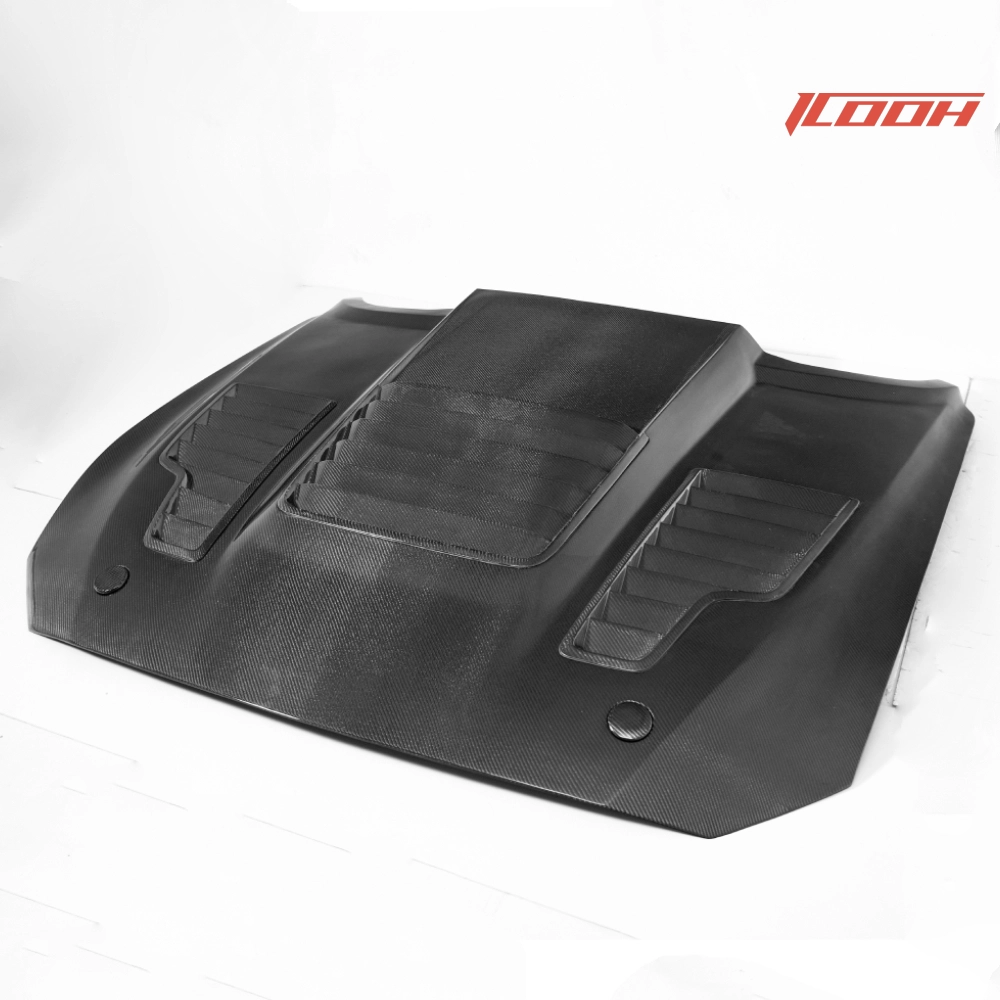
005 Ford Mustang 2018-2023 S550 Exhaust-style Carbon Fiber Front Hood
005 style Carbon Fiber Front Bonnet Engine Hood for Ford Mustang 2018-2023. made of durable carbon fiber material, precision-engineered for OEM-matched fitment. Lightweight and strong, enhances performance while maintaining a sporty aesthetic. Suitable for aftermarket replacement or performance upgrade with 100% tested quality assurance.
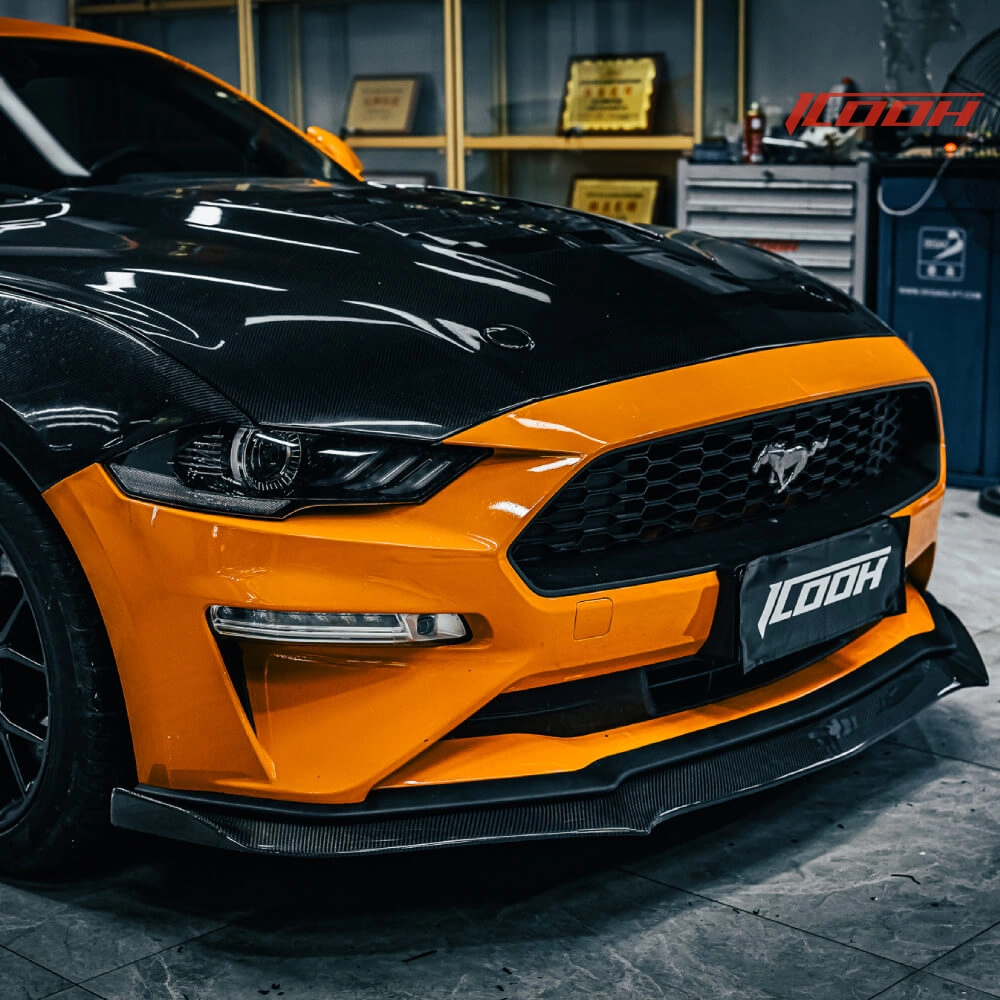
GT350 Ford Mustang 2018-2023 Carbon Fiber Front Lip
Enhance the aerodynamics and style of your Mustang with the 2018–2023 Mustang GT350 Carbon Fiber Front Lip. Crafted from lightweight, high-strength carbon fiber, this front lip delivers improved downforce, sharper front-end appearance, and a precise OEM-style fit.
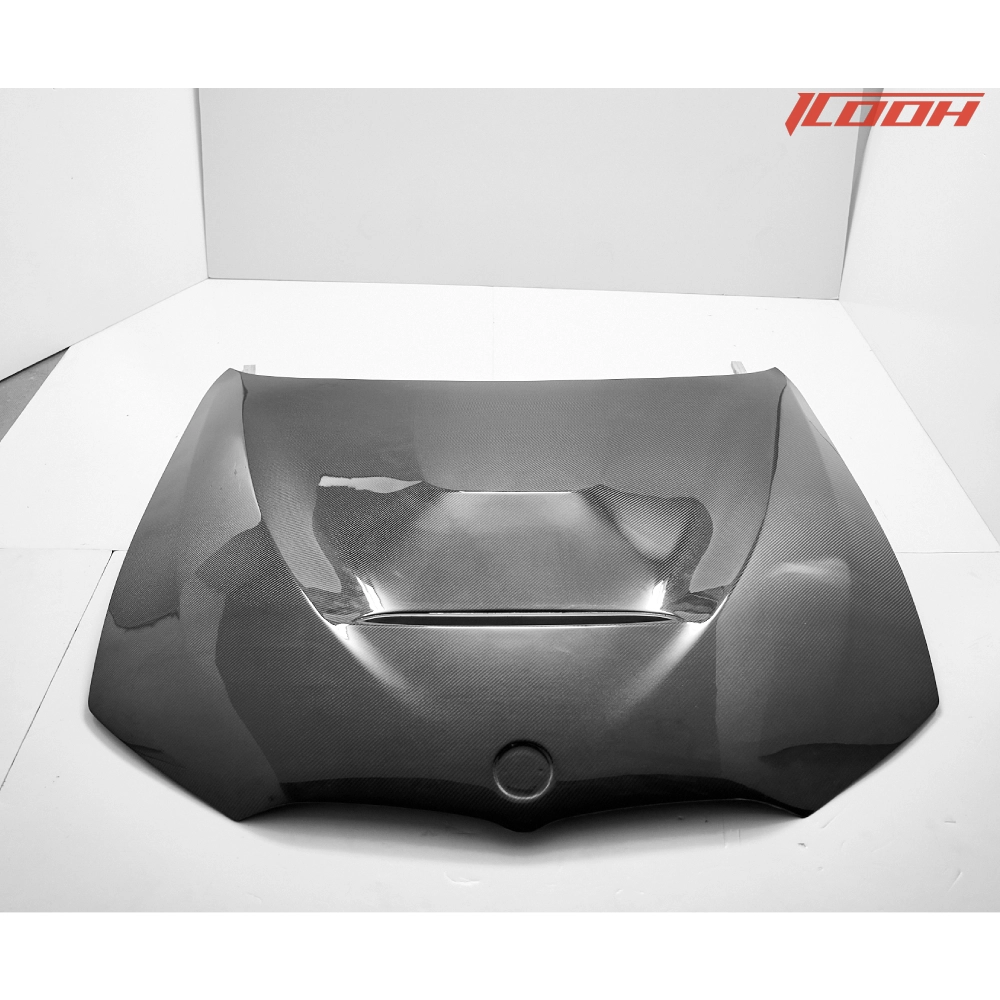
2020-2024 BMW G20 3 Series GTS Style Carbon Fiber Hood
The BMW G20 3 Series GTS-style carbon fiber hood, designed to deliver a lightweight, aggressive, and performance-focused look. Crafted from high-quality carbon fiber, it enhances aerodynamics, improves heat dissipation, and gives your G20 a striking motorsport appearance.

BMW 1 Series F20 GTS style carbon fiber front hood
The BMW 1 Series F20 GTS-style carbon fiber front hood. Made from high-quality carbon fiber, it offers a lightweight, durable construction with improved cooling and a striking performance look. Designed for precise fitment, it enhances both style and aerodynamics for a true motorsport feel.
Lightweight. Durable. Uniquely Yours.
ICOOH is a pioneer in automotive performance and exterior upgrades, compatible with 99% of vehicles worldwide. Let ICOOH be your professional supplier of car tuning parts and performance automotive accessories.
Facebook
Linkedin
Youtube
Instagram