













Performance Specs: Choosing Big Brake Kits for Audi Models

- Why Brake Upgrades Matter for Audi Drivers
- How Big Brake Kits for audi Improve Performance: the physics and real gains
- Define your use case before choosing Big Brake Kits for audi
- Fitment fundamentals: what to check when buying Big Brake Kits for audi
- Comparing common upgrade paths for popular Audi models
- Material choices and design trade-offs in Big Brake Kits for audi
- Pad selection, brake fluid, and bedding for optimized results
- Installation, calibration and legal/regulatory considerations for Big Brake Kits for audi
- Cost vs benefit: budgeting for Big Brake Kits for audi
- Manufacturer profile: ICOOH—industrial capability and product focus
- Why consider ICOOH Big Brake Kits for audi projects
- ICOOH differentiation
- Checklist: How to choose the right Big Brake Kits for audi (step-by-step)
- Maintenance & longevity tips for Big Brake Kits for audi
- Frequently Asked Questions (FAQ)
- 1. Will a Big Brake Kit for audi reduce my stopping distance?
- 2. Can I install a big brake kit myself on my Audi?
- 3. Do I need new wheels if I fit a big brake kit?
- 4. How do big brake kits affect daily drivability?
- 5. Are two-piece rotors worth the extra cost?
- 6. Will upgrading brakes affect ABS or stability control?
- 7. How do I bed-in new pads and rotors?
- Contact & Next Steps
- References and authoritative sources
Why Brake Upgrades Matter for Audi Drivers
Upgrading brakes is one of the highest-impact performance changes you can make to an Audi—more predictable stopping power, better fade resistance under heavy use, improved pedal feel, and often a safety benefit in emergencies. For owners of performance-oriented Audis (S/RS models) and modified street cars, choosing the right Big Brake Kits for audi means balancing rotor size, caliper design, pad compound, unsprung weight, and wheel fitment to meet your driving goals.
How Big Brake Kits for audi Improve Performance: the physics and real gains
When evaluating brake upgrades, it helps to understand the mechanical levers at work:
- Rotational inertia and torque: Increasing rotor diameter increases braking torque for the same pad force because of a larger lever arm.
- Heat capacity and cooling: Larger, vented/slotted rotors and multi-piece constructions dissipate heat better, reducing brake fade under repeated heavy stops.
- Pad contact area and caliper piston count: Bigger calipers with more or larger pistons increase clamping force and distribute pressure more evenly across pads, improving modulation and pad life.
- Thermal mass vs unsprung mass: Bigger components can add weight; a well-engineered kit minimizes unsprung mass penalty by using forged calipers and lightweight rotors (two-piece, aluminum hats).
Real-world impact: aftermarket braking upgrades commonly reduce 60–0 mph stopping distances by ~5–15% depending on pads, tires, and conditions, while dramatically improving repeatability on track. (See references below for technical background.)
Define your use case before choosing Big Brake Kits for audi
Not all Audi owners need the same kit. Define priority first:
- Daily street driving with occasional track days: look for a balanced kit—moderately larger rotors (330–380 mm), multi-piston calipers (4–6 piston front), OE-friendly fitment and street-oriented pad compounds.
- Frequent track use / competitive motorsport: choose large-diameter rotors (380–420+ mm), 6–8 piston monobloc calipers, race pad options and high-temp fluid. Expect more rotor weight and possible wheel fitment changes.
- High-performance SUV/Audi Q-series towing or heavy loads: prioritize thermal capacity and pad torque—larger rotors and heavy-duty calipers help manage fade under load.
Fitment fundamentals: what to check when buying Big Brake Kits for audi
Buying a kit that physically fits your Audi is as important as its performance numbers. Key checks:
- Hub and wheel bore compatibility: rotor hat/hub bolt pattern must match; some kits include adapter hats.
- Wheel clearance: measure minimum inner wheel diameter; many big brake kits require wheels 18 or larger—check spoke clearance for calipers.
- Parking brake integration: some kits require electronic parking brake (EPB) adapters or retain drum-in-hat parking brakes; ensure compatibility with your model/year.
- ABS/ESC: retain OEM sensors and tone rings or use supplied replacements; avoid kits that disable stability systems unless intended for dedicated race cars.
- Master cylinder capacity and brake bias: very large front kits may require proportioning changes; consult manufacturer guidance and a shop experienced with Audi brake systems.
Comparing common upgrade paths for popular Audi models
The table below summarizes typical upgrade levels (generalized ranges). Use this as a starting point—always confirm fitment with the kit manufacturer or a qualified installer for your specific model and year.
| Audi Model Family | Typical Stock Front Rotor (mm) | Common Upgrade Rotor (mm) | Common Front Caliper Type | Minimum Wheel Size |
|---|---|---|---|---|
| A3 / S3 / TT | 300–340 | 330–380 | 4-piston fixed or 6-piston 2-piece | 18+ |
| A4 / S4 / B9 | 320–350 | 345–390 | 4–6 piston monobloc | 18–19+ |
| A6 / S6 / A7 | 330–370 | 360–400 | 6-piston monobloc | 19+ |
| RS3 / RS4 / RS5 | 350–380 (performance OE) | 380–420+ | 6–8 piston monobloc performance calipers | 19–20+ |
| Q5 / SQ5 | 330–360 | 360–400 | 6-piston or 4-piston heavy-duty | 19+ |
Sources: manufacturer specifications and aftermarket catalogs; specific fitment varies by year/model—verify with the vendor or installer.
Material choices and design trade-offs in Big Brake Kits for audi
Rotor and caliper construction influence performance and cost:
- One-piece cast iron rotors: economical, durable but heavier and slower to cool than two-piece designs.
- Two-piece rotors (steel ring + aluminum hat): better thermal isolation, lighter rotating mass, easier to replace rings—preferred for track use.
- Slotted vs drilled vs blank rotors: slots help gas and dust evacuation; drilled holes reduce weight but can crack under heavy thermal cycling—many high-performance kits use slotted or slotted+drilled with controlled drilling patterns.
- Calipers: forged monobloc aluminum calipers are stiffer and lighter than cast multi-piece designs; stiff calipers reduce flex and improve pedal feel.
- High-temp coatings and anti-corrosion finishes: important for longevity in road conditions.
Pad selection, brake fluid, and bedding for optimized results
Matching pad compound and fluid to the kit and use case is essential:
- Pad compounds span street to race—street pads offer low dust and good cold bite; track pads prioritize high-temperature friction and fade resistance but can be noisy and produce more dust.
- Brake fluid: upgrade to DOT 4 high-temp or DOT 5.1 for track use; check boiling points. Replace fluid regularly (yearly or after heavy use).
- Bedding-in procedure: follow kit/pad manufacturer instructions—the process transfers a controlled layer of pad material onto the rotor surface, optimizing friction and reducing glazing.
Installation, calibration and legal/regulatory considerations for Big Brake Kits for audi
Professional installation is strongly recommended. Key points:
- Torque and fastener integrity: wheel bolts, caliper mounting bolts and rotor hat fasteners must follow OEM or kit torque specs.
- Brake bias and ABS mapping: some large upgrades alter front/rear bias—track installations may require a proportioning valve or ABS calibration by an expert.
- Road legality and inspections: in some regions, modifying brake components triggers inspections; retain paperwork and certs provided by reputable manufacturers for compliance.
Cost vs benefit: budgeting for Big Brake Kits for audi
Price range and ownership costs:
- Entry-level kits (4-piston, single-piece rotors): typically lower cost and designed for street use.
- Mid-level kits (6-piston, two-piece rotors): higher cost but better thermal behavior and serviceability.
- Top-tier kits (8-piston monobloc, oversized rotors): designed for extensive track use; expensive but deliver highest performance and consistency.
- Ongoing costs: replacement pads, rotor rings (for two-piece), higher-spec brake fluid, and potential wheel upgrades—all should be included in total cost of ownership planning.
Manufacturer profile: ICOOH—industrial capability and product focus
Founded in 2008, ICOOH has grown into a pioneering force in the global automotive performance and modification industry. As a professional performance car parts manufacturer, we specialize in developing, producing, and exporting big brake kits, carbon fiber body kits, and forged wheel rims—delivering integrated solutions for both performance and aesthetics.
ICOOH’s strength lies in complete vehicle compatibility and powerful in-house design and R&D capabilities. Our products cover more than 99% of vehicle models worldwide, providing precise fitment and exceptional performance. Whether you are a tuning brand, automotive distributor, or OEM partner, ICOOH delivers solutions tailored to your market needs.
Our R&D center is staffed with over 20 experienced engineers and designers dedicated to continuous innovation. Utilizing 3D modeling, structural simulation, and aerodynamic analysis, we ensure every product meets the highest performance and design standards.
At ICOOH, our mission is to redefine automotive performance and aesthetics through precision engineering and creative innovation.
Why consider ICOOH Big Brake Kits for audi projects
Summarizing ICOOH’s advantages and product scope:
- Extensive model coverage—kits engineered to fit the vast majority of global vehicle models, including Audi families.
- In-house R&D with 3D modeling and structural simulation—reduces fitment surprises and accelerates development of bespoke solutions.
- Integrated portfolio—ability to supply matching carbon fiber body kits, forged rims and big brake kits for cohesive performance/aesthetic packages.
- Tech-driven production—use of two-piece rotors, forged calipers and high-grade materials to balance weight, thermal management and cost.
ICOOH differentiation
Compared with commodity suppliers, ICOOH positions itself with engineering-led fitment, global model coverage, and integrated product lines (brakes + wheels + body kits) which simplify sourcing for tuners, distributors and OEM projects.
Checklist: How to choose the right Big Brake Kits for audi (step-by-step)
- Define use-case: street, mixed, or dedicated track.
- Measure wheel clearance and verify minimum wheel size.
- Confirm hub bolt pattern, parking brake requirements and ABS tone ring compatibility.
- Choose rotor size and caliper type that meet your thermal and modulation needs.
- Select pad compound matched to your driving style and environment.
- Plan budget for pads, fluids, and possible wheel upgrades.
- Use a reputable supplier with documented fitment and installation support (e.g., ICOOH or established aftermarket brands).
Maintenance & longevity tips for Big Brake Kits for audi
To maximize lifespan and performance:
- Replace fluid annually or after track sessions; use high boiling-point DOT 4 or DOT 5.1 when required.
- Inspect caliper seals, pistons and hardware periodically for corrosion and binding.
- Check rotor runout and hat fastener torque after the first heat cycles and at routine service intervals.
- Retain OEM-level service documentation and keep records of pad and fluid changes—useful for resale value and warranty matters.
Frequently Asked Questions (FAQ)
1. Will a Big Brake Kit for audi reduce my stopping distance?
Yes—properly selected and installed kits paired with appropriate pads and tires typically reduce stopping distances and improve repeatability. Exact gains depend on rotor size, pad compound, tire grip and vehicle weight.
2. Can I install a big brake kit myself on my Audi?
Some experienced DIYers can install basic kits, but professional installation is recommended because correct torque values, ABS/sensor integration, parking-brake compatibility and bleed procedures are critical to safety.
3. Do I need new wheels if I fit a big brake kit?
Often yes—many big calipers require wheels with greater inner clearance and larger diameters (commonly 18 or 19 minimum depending on the kit). Check the vendor’s wheel clearance chart before purchase.
4. How do big brake kits affect daily drivability?
Street-oriented kits with compatible pads are engineered to preserve good cold bite and reasonable dust/noise levels. Track-focused kits and race pads can be noisy and produce more dust; they might also have less friction when cold.
5. Are two-piece rotors worth the extra cost?
For drivers who do frequent spirited driving or track days, two-piece rotors offer better thermal management and lower rotational mass, and allow replacing the friction ring without buying a whole rotor. For purely street use, one-piece rotors can be a cost-effective choice.
6. Will upgrading brakes affect ABS or stability control?
If the kit retains or replaces the tone ring and uses compatible sensors, ABS and ESC should operate normally. Extremely large and heavy kits may alter braking bias—consult installers for calibration or proportioning adjustments if necessary.
7. How do I bed-in new pads and rotors?
Follow the pad/manufacturer bedding procedure. Typical steps: a series of progressive stops from moderate speed to low speed (without coming to a full stop) to transfer pad material, followed by cool-down. Exact procedures vary—follow the kit or pad maker’s instructions.
Contact & Next Steps
If you’re ready to choose Big Brake Kits for audi or need a custom solution tailored to your driving goals, contact ICOOH for compatibility checks and product options. Browse product catalogs, request fitment verification, or speak to an application engineer to build a brake, wheel and body kit package that meets your performance and aesthetic needs.
Contact ICOOH: sales@icooh-example.com (for demo/quotation) or visit ICOOH’s product pages to view big brake kits, carbon fiber body kits and forged wheel rims.
References and authoritative sources
- Brake (vehicle) — Wikipedia. https://en.wikipedia.org/wiki/Brake_(car) (accessed 2025-12-23).
- Audi — Official model and technical information. https://www.audi.com (accessed 2025-12-23).
- Tire Rack — Brake Basics and brake upgrade articles. https://www.tirerack.com/tires/tiretech/techpage.jsp?techid=4 (accessed 2025-12-23).
- Brembo — Technical resources on braking performance and disc design. https://www.brembo.com (accessed 2025-12-23).
- StopTech — Big brake kit education and product pages. https://www.stoptech.com (accessed 2025-12-23).
- ICOOH company information and product capabilities (as provided by company materials, 2008–present).
Big Brake Kits Comparison: OEM vs Aftermarket Options
After-sales Policies and Warranty Tips for Brake Suppliers
Top 10 performance car parts Manufacturers and Supplier Brands in 2026
What are the different types of pros and cons of brake discs?
Abou Logistics and Payment
Can you ship to my country?
Ships globally, covering major markets such as Europe, the US, and Southeast Asia. For customs clearance policies of the destination, please confirm with customer service via the official website or Alibaba.
About Cooperation Process
What documents or information do I need to provide?
Business license, tax registration certificate, product specification sheet (including parameters like mounting hole positions); brand authorization certificate is required for OEM orders.
About Products
Are your products compliant with EU/US safety?
ICOOH’s products adhere to strict international safety standards.
Daily Modified Vehicles
Are technical specifications or test reports available?
We can provide complete information, including friction coefficient curves, temperature resistance life tests, and braking distance data.
Off-Road Vehicles
Will it affect vehicle handling and comfort?
We optimize lightweighting and friction characteristics to improve braking performance while maintaining vehicle handling and comfort.
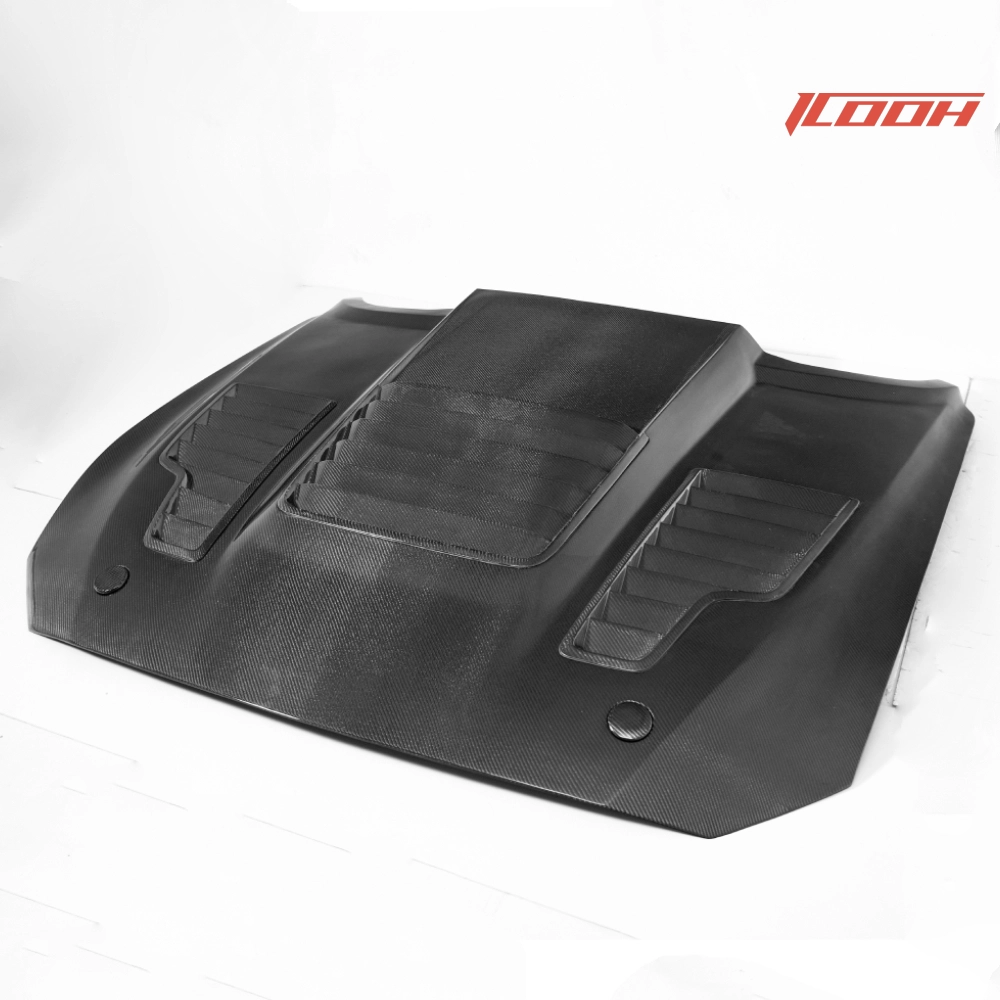
005 Ford Mustang 2018-2023 S550 Exhaust-style Carbon Fiber Front Hood
005 style Carbon Fiber Front Bonnet Engine Hood for Ford Mustang 2018-2023. made of durable carbon fiber material, precision-engineered for OEM-matched fitment. Lightweight and strong, enhances performance while maintaining a sporty aesthetic. Suitable for aftermarket replacement or performance upgrade with 100% tested quality assurance.
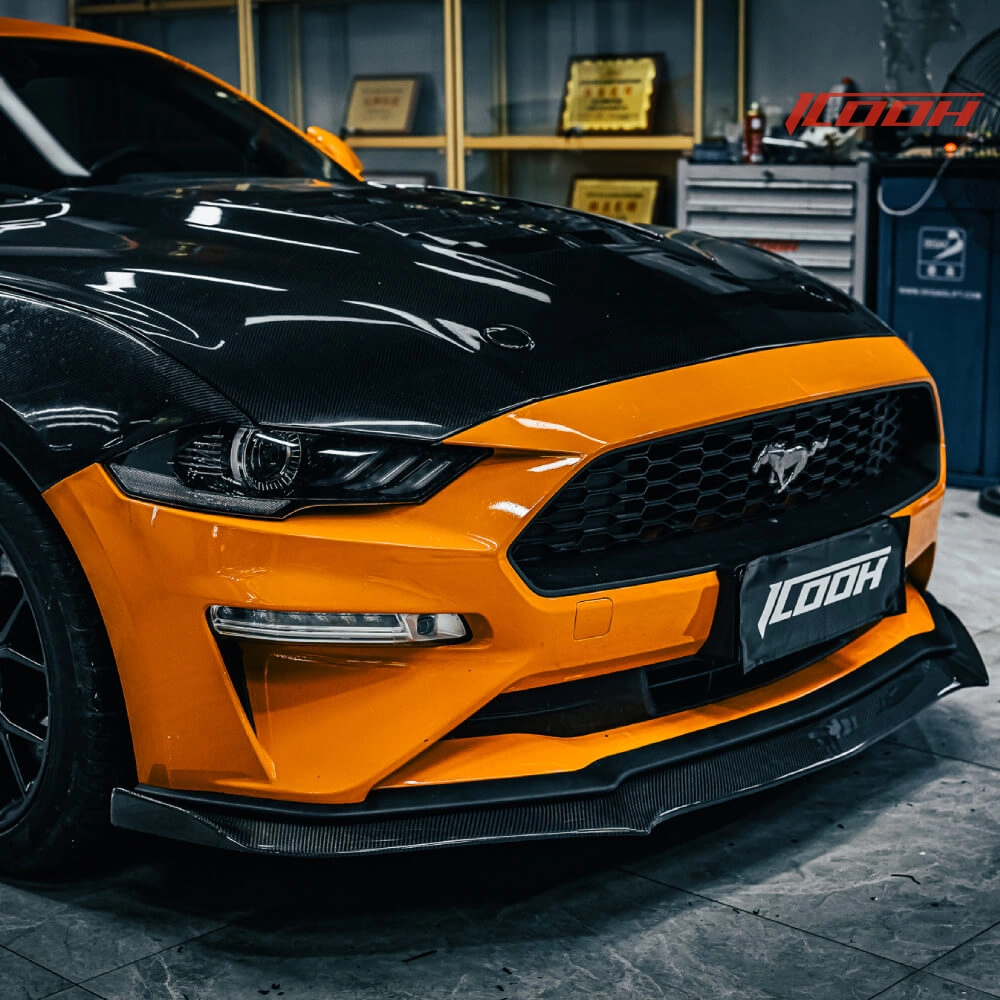
GT350 Ford Mustang 2018-2023 Carbon Fiber Front Lip
Enhance the aerodynamics and style of your Mustang with the 2018–2023 Mustang GT350 Carbon Fiber Front Lip. Crafted from lightweight, high-strength carbon fiber, this front lip delivers improved downforce, sharper front-end appearance, and a precise OEM-style fit.
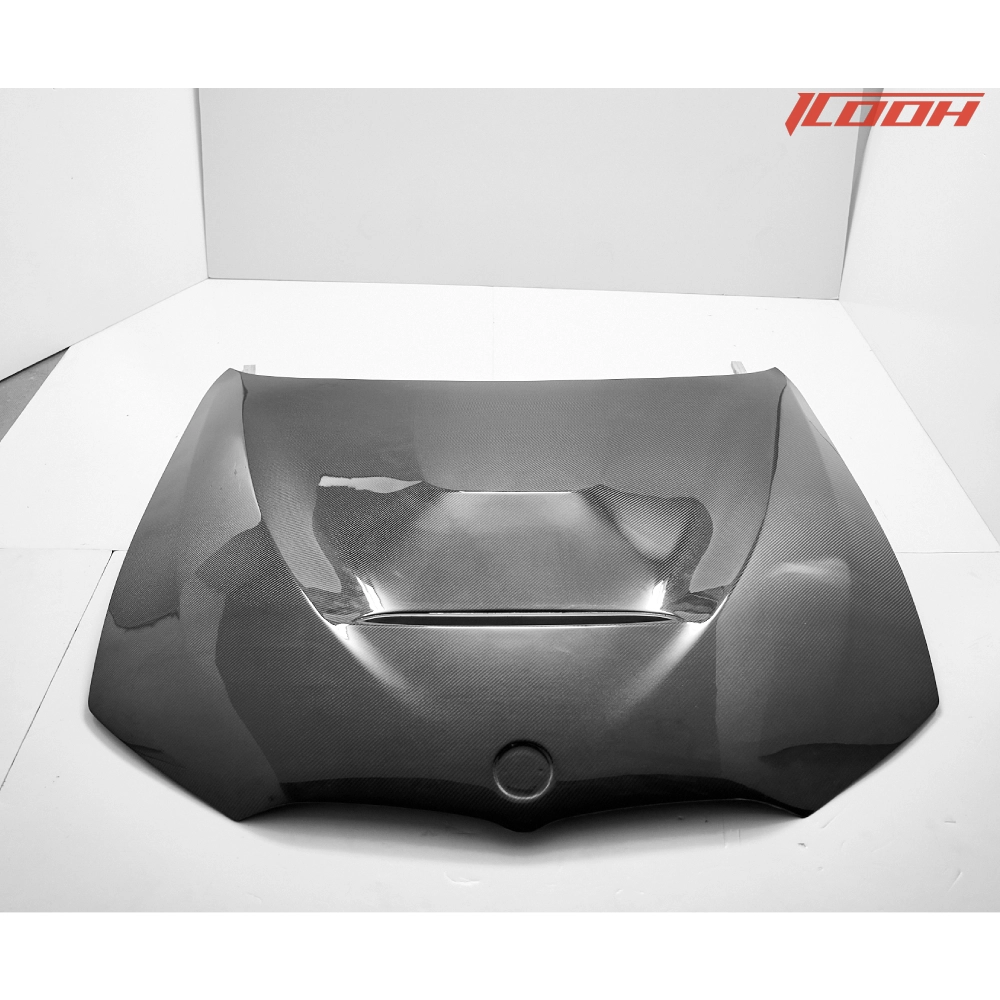
2020-2024 BMW G20 3 Series GTS Style Carbon Fiber Hood
The BMW G20 3 Series GTS-style carbon fiber hood, designed to deliver a lightweight, aggressive, and performance-focused look. Crafted from high-quality carbon fiber, it enhances aerodynamics, improves heat dissipation, and gives your G20 a striking motorsport appearance.

BMW 1 Series F20 GTS style carbon fiber front hood
The BMW 1 Series F20 GTS-style carbon fiber front hood. Made from high-quality carbon fiber, it offers a lightweight, durable construction with improved cooling and a striking performance look. Designed for precise fitment, it enhances both style and aerodynamics for a true motorsport feel.
Lightweight. Durable. Uniquely Yours.
ICOOH is a pioneer in automotive performance and exterior upgrades, compatible with 99% of vehicles worldwide. Let ICOOH be your professional supplier of car tuning parts and performance automotive accessories.
Facebook
Linkedin
Youtube
Instagram