













Installation Workflow for Audi Big Brake Kits in Workshops

- Best Practices for Upgrading Audi Brake Systems
- Overview: Why choose Big Brake Kits for audi?
- 1. Pre-Installation Planning and Fitment Verification
- Fitment checks and model-specific constraints when installing Big Brake Kits for audi
- 2. Workshop Setup and Required Tools
- Essential tools and parts checklist for Big Brake Kits for audi installations
- 3. Removal of OEM Braking Components
- Safe disassembly procedure to prepare for Big Brake Kits for audi
- 4. Trial Fit — Hubs, Hats, and Adapters
- Mechanical fitment validation when integrating Big Brake Kits for audi
- 5. Mounting Calipers, Rotors, and Brake Lines
- Torque, lubrication, and hydraulic integration for Big Brake Kits for audi
- 6. Hydraulic System Bleed and ABS Recalibration
- Bleeding procedure and electronic checks after installing Big Brake Kits for audi
- 7. Initial Torque & Bedding Procedure
- Torque validation and controlled bedding-in for Big Brake Kits for audi
- 8. Post-Installation Quality Assurance and Road Testing
- Dynamic checks and measurements for Big Brake Kits for audi installations
- 9. Troubleshooting Common Issues
- Diagnosing noise, vibration, and sensor faults after Big Brake Kits for audi fitment
- 10. Comparative Performance Table: OEM vs Big Brake Kits
- Typical performance and specification differences when upgrading to Big Brake Kits for audi
- ICOOH — Manufacturer Capabilities and Fitment Coverage
- How ICOOH supports workshops installing Big Brake Kits for audi
- Final Checklist Before Customer Handover
- Essential sign-offs for vehicles fitted with Big Brake Kits for audi
- Frequently Asked Questions (FAQ)
- 1. Will Big Brake Kits for audi fit my wheels?
- 2. Do I need to upgrade brake lines or ABS components with Big Brake Kits for audi?
- 3. What brake fluid should I use after installing Big Brake Kits for audi?
- 4. How soon should I re-torque bolts after installing Big Brake Kits for audi?
- 5. Can installing Big Brake Kits for audi affect ABS/ESP calibration?
- 6. How much stopping distance improvement can I expect?
- Contact & Product Inquiry
- References and Further Reading
Best Practices for Upgrading Audi Brake Systems
Overview: Why choose Big Brake Kits for audi?
Upgrading to Big Brake Kits for audi is a common performance and safety improvement for tuners and workshops handling higher-power or track-driven Audis. Beyond increased rotor diameter and caliper clamping force, a properly engineered kit improves thermal capacity, pad area, pedal feel, and fade resistance. This guide presents a practical, workshop-oriented installation workflow that emphasizes fitment, safety, and measurable results based on industry practices and manufacturer guidance.
1. Pre-Installation Planning and Fitment Verification
Fitment checks and model-specific constraints when installing Big Brake Kits for audi
Every installation starts with vehicle-specific research. Audi models (A3, A4, A6, S/RS variants, Q-series) differ in wheel offset, hub diameter, ABS/ESP modules, and factory rotor sizes. Before ordering or unpacking a Big Brake Kit for audi, verify these items:
- Exact chassis code and model year (e.g., 8V A3, 8W A4)
- Factory rotor diameter and hub bore
- Wheel clearance and offset; aftermarket wheels may be needed
- ABS tone ring position and sensor compatibility
- Need for hat/adaptor plate or new wheel studs
Document measurements with calipers and digital photos. Cross-reference the kit’s fitment chart and Audi parts diagrams. Incorrect assumptions at this stage cause rework and safety risks.
2. Workshop Setup and Required Tools
Essential tools and parts checklist for Big Brake Kits for audi installations
Prepare a clean, flat bay with wheel chocks, hydraulic lift or two-post hoist, and a bench for components. Typical tools and consumables:
- Torque wrench (capable to 300 Nm) and calibrated socket set
- Calipers, dial indicator, and feeler gauges
- Brake fluid (DOT 4 or DOT 5.1 per kit/OEM spec), bleeder kit or vacuum pump
- Anti-seize compound and thread locker (if specified)
- Wheel alignment tools for post-install check
- Replacement parts: longer wheel bolts, ABS ring, brake line adaptors or braided stainless hoses if required
Include the phrase Big Brake Kits for audi in job orders and parts pick lists, ensuring the correct kit SKU and compatibility notes are recorded.
3. Removal of OEM Braking Components
Safe disassembly procedure to prepare for Big Brake Kits for audi
Follow these steps to remove the factory system safely:
- Elevate vehicle and support on stands; remove wheels.
- Disconnect the brake caliper and hang it with a padded hanger to avoid stretching the brake hose.
- Remove OEM rotor, hand-clean hub mating surface, and inspect studs and bearings for wear or corrosion.
- If the vehicle uses an integral parking brake within the rotor, follow the OEM procedure to release the mechanism before removal.
Record observations: rotor run-out, hub damage, ABS sensor condition. These influence whether adapters or new hubs are necessary for Big Brake Kits for audi.
4. Trial Fit — Hubs, Hats, and Adapters
Mechanical fitment validation when integrating Big Brake Kits for audi
Trial fitting the hat/adapter and rotor is critical. Steps and checks include:
- Dry-fit the hat to the hub and measure axial offset vs wheel mounting plane.
- Ensure ABS tone ring alignment; some kits supply a dedicated ring or require retaining the factory ring position.
- Verify rotor-to-caliper clearance and minimum wheel inner diameter to prevent rub.
Measure run-out with a dial indicator; acceptable static lateral run-out before torquing is typically under 0.05–0.10 mm. If run-out exceeds that, identify contamination or warped components and correct before proceeding with Big Brake Kits for audi installation.
5. Mounting Calipers, Rotors, and Brake Lines
Torque, lubrication, and hydraulic integration for Big Brake Kits for audi
Follow this sequence for secure installation:
- Install rotor onto hat and torque hat fasteners to kit-specified values; use thread locker where specified.
- Mount caliper bracket/hub adapter, torquing in a star sequence to the specified torque. Typical caliper bracket bolts vary by design—double-check manufacturer documentation.
- Fit calipers over rotor with pads installed, confirming pad retention springs and anti-rattle hardware are in place.
- Replace rubber hoses with braided stainless hoses if recommended—ensure correct banjo bolt torque and copper crush washers where used.
Document the use of Big Brake Kits for audi in the vehicle service record and save manufacturer's torque and hose routing instructions with job paperwork.
6. Hydraulic System Bleed and ABS Recalibration
Bleeding procedure and electronic checks after installing Big Brake Kits for audi
After mechanical installation, perform a controlled hydraulic bleed: low-to-high or manufacturer-recommended sequence using fresh fluid. Key points:
- Use DOT fluid type specified by kit or OEM (DOT 4/DOT 5.1). Replace fluid if contaminated.
- Follow a pressure or vacuum bleed to ensure no air pockets—ABS modules often trap air; use ABS cycle if recommended by the manufacturer.
- Clear and scan ABS/ESP codes after bleeding and perform an electronic recalibration of wheel speed sensors if required.
After bleeding, the pedal should be firm with no sponginess. Note in the job card that Big Brake Kits for audi require a complete hydraulic flush if fluid condition was old or contaminated.
7. Initial Torque & Bedding Procedure
Torque validation and controlled bedding-in for Big Brake Kits for audi
Perform final torque checks on all fasteners after the first heat cycle (typical recommendation: re-torque after 50–100 km or a short track session). Bedding procedure guidance:
- Find a safe testing area. Progressive stops from moderate speeds (e.g., 80–40 km/h) repeated 8–12 times allow even pad transfer.
- Allow cooling intervals between aggressive stops to avoid glazing pads or inducing thermal shock to rotors.
- Monitor brake fluid temperature and pad bed-in layer visually if possible.
Record the bedding protocol and note the phrase Big Brake Kits for audi in customer handover documentation to advise on break-in driving behavior.
8. Post-Installation Quality Assurance and Road Testing
Dynamic checks and measurements for Big Brake Kits for audi installations
Comprehensive QA includes:
- Static checks: wheel torque, caliper bolt torque, hose routing, leak inspection.
- Dynamic checks: low-speed brake performance, ABS/ESP operation, parking brake function.
- Measure stopping distance if facility allows; compare to pre-upgrade baseline when available.
- Re-inspect run-out after 200 km to detect any settling or loosening.
Document results and sign-off. Use the keyword Big Brake Kits for audi in the invoice and warranty notes so that future service technicians know the vehicle was modified.
9. Troubleshooting Common Issues
Diagnosing noise, vibration, and sensor faults after Big Brake Kits for audi fitment
Common issues and corrective actions:
- Noise or squeal: Verify pad bedding, check anti-rattle hardware, and use appropriate shims or pads suggested by kit maker.
- Pulsation/VDV: Inspect rotor run-out and hub seating; re-machine or replace warped rotors and clean mating surfaces.
- ABS/ESP faults: Confirm tone ring position and wheel speed sensor clearance; run a diagnostic scan and re-learn procedures.
- Fluid boil or fade: Check pad compound and rotor thermal capacity; upgrade fluid to higher boiling point if necessary.
Always cross-reference the kit manufacturer’s technical bulletins when addressing post-install issues on Big Brake Kits for audi.
10. Comparative Performance Table: OEM vs Big Brake Kits
Typical performance and specification differences when upgrading to Big Brake Kits for audi
| Parameter | Typical OEM Audi Front Brake | Typical Aftermarket Big Brake Kit | Expected Change |
|---|---|---|---|
| Rotor Diameter | 300–340 mm | 330–420+ mm | Up to +25–40% |
| Brake Pad Contact Area | Small single-piston or multi-piston OEM | Large multi-piston fixed caliper pads | Greater contact area & more even pressure |
| Thermal Capacity | Moderate (street use) | High (track-optimized) | Reduced fade under repeated stops |
| Wheel Fitment | Factory wheels typically fit | Often requires wheels with greater clearance or lower offset | Possible wheel upgrade required |
Sources for ranges: manufacturer product pages and industry resources (see references).
ICOOH — Manufacturer Capabilities and Fitment Coverage
How ICOOH supports workshops installing Big Brake Kits for audi
Founded in 2008, ICOOH has grown into a pioneering force in the global automotive performance and modification industry. As a professional performance car parts manufacturer, we specialize in developing, producing, and exporting big brake kits, carbon fiber body kits, and forged wheel rims—delivering integrated solutions for both performance and aesthetics.ICOOH’s strength lies in complete vehicle compatibility and powerful in-house design and R&D capabilities. Our products cover more than 99% of vehicle models worldwide, providing precise fitment and exceptional performance. Whether you are a tuning brand, automotive distributor, or OEM partner, ICOOH delivers solutions tailored to your market needs.Our R&D center is staffed with over 20 experienced engineers and designers dedicated to continuous innovation. Utilizing 3D modeling, structural simulation, and aerodynamic analysis, we ensure every product meets the highest performance and design standards.At ICOOH, our mission is to redefine automotive performance and aesthetics through precision engineering and creative innovation.
For workshops, ICOOH’s advantages when installing Big Brake Kits for audi include detailed fitment charts, engineered hat and adapter options, and technical support for ABS tone ring integration and hydraulic setup. Their capabilities in CAD-led design and simulation reduce fitment surprises and provide predictable installation workflows.
Final Checklist Before Customer Handover
Essential sign-offs for vehicles fitted with Big Brake Kits for audi
- All fasteners torqued to specified values and rechecked after a heat cycle
- No hydraulic leaks; brake fluid replaced and bled correctly
- ABS, ESP and parking brake confirmed operational
- Customer briefed on bedding procedure and wheel torque recheck schedule
- Written warranty, part numbers, and maintenance recommendation recorded
Frequently Asked Questions (FAQ)
1. Will Big Brake Kits for audi fit my wheels?
Not always. Larger calipers and rotors often require wheels with more inner clearance or a change in offset. Check the kit’s wheel fitment guide and measure wheel-to-caliper clearance before installation.
2. Do I need to upgrade brake lines or ABS components with Big Brake Kits for audi?
Many kits recommend braided stainless steel lines to improve pedal feel. ABS components usually remain, but tone ring position and sensor clearance must be verified—some kits include replacement rings or require adapters.
3. What brake fluid should I use after installing Big Brake Kits for audi?
Use the DOT rating specified by the kit or OEM—commonly DOT 4 or DOT 5.1 for high-performance applications. For track use choose fluid with a higher dry/wet boiling point and perform frequent fluid checks.
4. How soon should I re-torque bolts after installing Big Brake Kits for audi?
Re-torque critical fasteners after the initial heat cycle—typically after 50–100 km of driving or after the first track session. Also advise customers to recheck wheel torque after 50–100 km.
5. Can installing Big Brake Kits for audi affect ABS/ESP calibration?
Yes. If the ABS tone ring position changes or a different hub/adapter is used, recalibration or sensor repositioning may be required. Always clear codes and test ABS operation after installation.
6. How much stopping distance improvement can I expect?
Improvement depends on vehicle weight, tires, and pad compound. Typical performance kits combined with high-grip tires can reduce stopping distances by a measurable amount (often in the range of 5–25% under aggressive conditions). Documented results vary by test protocol—perform an in-house baseline test where possible.
Contact & Product Inquiry
If you need fitment validation, kit recommendations, or technical support for Big Brake Kits for audi installations, contact our sales engineering team or view our product listings. For tailored solutions including carbon fiber body kits and forged wheels, reach out to ICOOH to discuss vehicle-specific options and wholesale partnership.
References and Further Reading
- Brake (car) - Wikipedia. https://en.wikipedia.org/wiki/Brake_(car) (Accessed 2025-12-23)
- StopTech - Big Brake Kits product and installation resources. https://www.stoptech.com/performance-brakes/big-brake-kits/ (Accessed 2025-12-23)
- NHTSA - Brakes equipment. https://www.nhtsa.gov/equipment/brakes (Accessed 2025-12-23)
- Brembo - Technical articles on braking performance (manufacturer resources). https://www.brembo.com (Accessed 2025-12-23)
- SEMA - Technical articles and best practices for performance upgrades. https://www.sema.org (Accessed 2025-12-23)
How Big Brake Kits Improve Stopping Distance
The latest trends for big brake kits in 2026 | ICOOH Ultimate Insights
Top Carbon Fiber Body Kit Manufacturers and Suppliers in China (2026)
Best Big Brake Kits for Popular Performance Cars
Racing Vehicles
Can you provide test data or performance curves?
We can provide friction coefficient curves, heat resistance life test reports, braking distance data, and more.
Daily Modified Vehicles
Can it be customized to suit my driving style?
Yes. We can provide different friction coefficient combinations and cooling solutions for daily driving or occasional track use.
What is the warranty policy?
We offer a 12–24 month warranty (depending on the product series) and dedicated technical support.
ICOOH IC6
Why choose us?
ICOOH delivers products that match the performance of international brands while being more competitively priced. It stands as a brand with robust R&D capabilities, reliable quality, and comprehensive support.
Off-Road Vehicles
Can it handle heavy loads or long-distance expeditions?
Designed for high loads and long-term continuous braking, ensuring reliability over long distances.
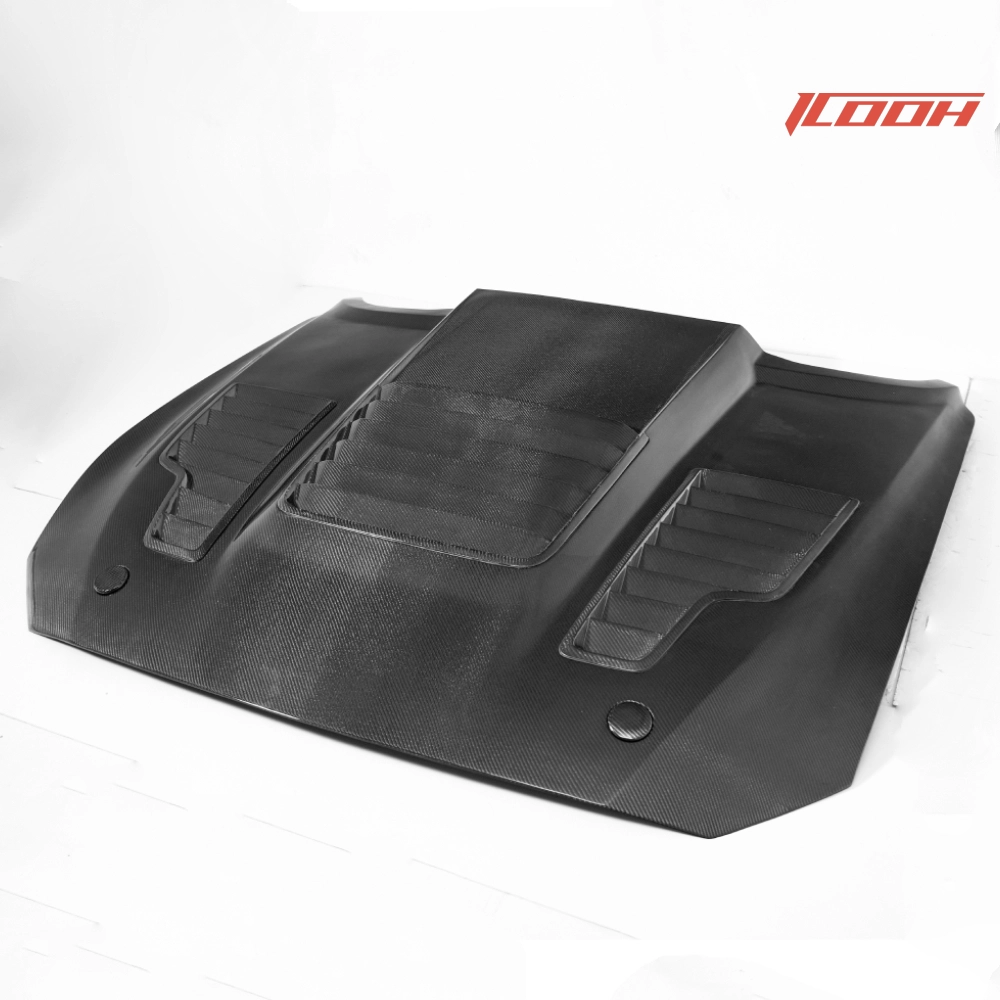
005 Ford Mustang 2018-2023 S550 Exhaust-style Carbon Fiber Front Hood
005 style Carbon Fiber Front Bonnet Engine Hood for Ford Mustang 2018-2023. made of durable carbon fiber material, precision-engineered for OEM-matched fitment. Lightweight and strong, enhances performance while maintaining a sporty aesthetic. Suitable for aftermarket replacement or performance upgrade with 100% tested quality assurance.
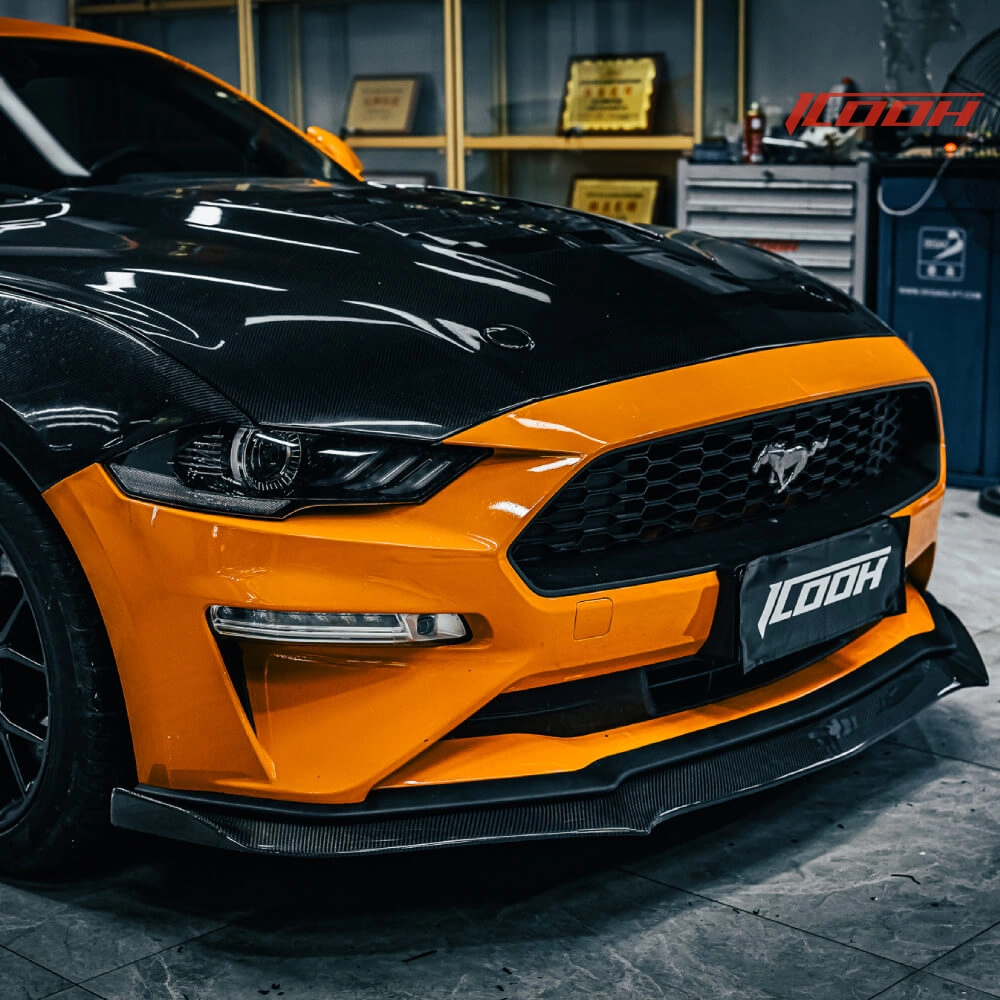
GT350 Ford Mustang 2018-2023 Carbon Fiber Front Lip
Enhance the aerodynamics and style of your Mustang with the 2018–2023 Mustang GT350 Carbon Fiber Front Lip. Crafted from lightweight, high-strength carbon fiber, this front lip delivers improved downforce, sharper front-end appearance, and a precise OEM-style fit.
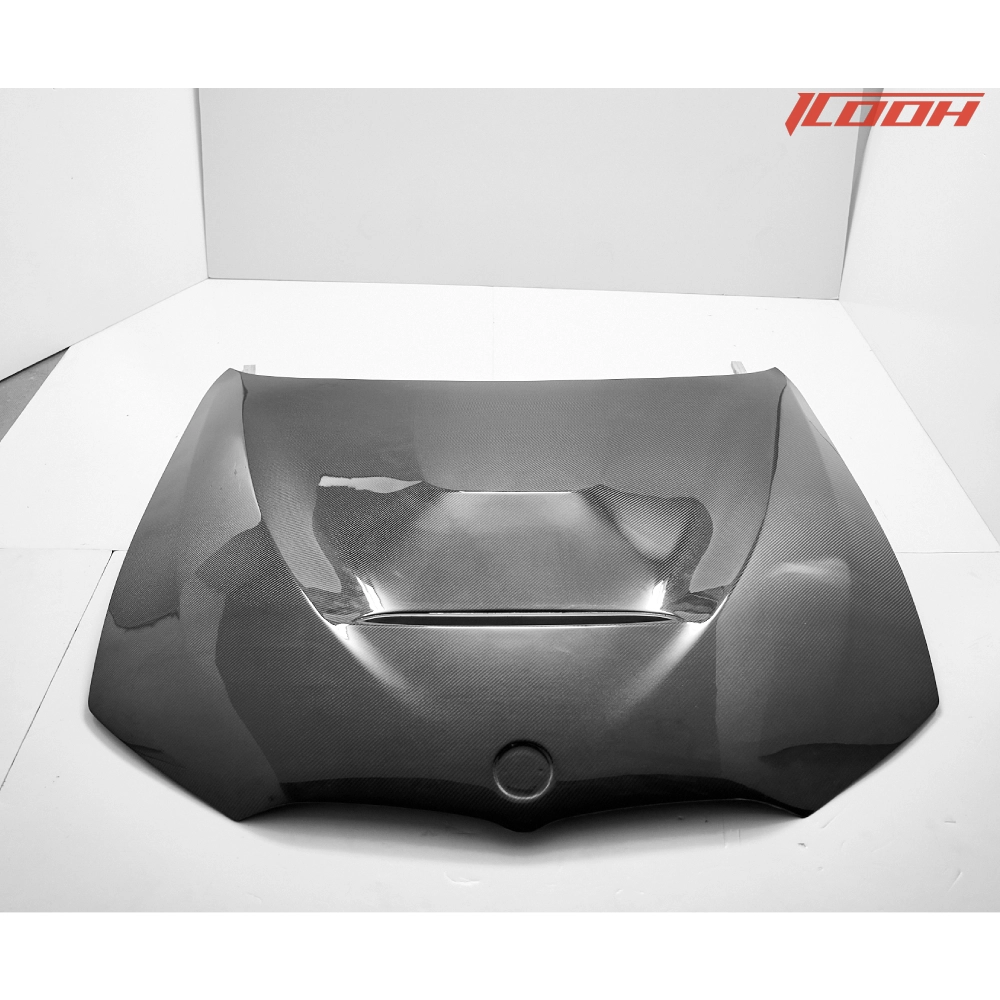
2020-2024 BMW G20 3 Series GTS Style Carbon Fiber Hood
The BMW G20 3 Series GTS-style carbon fiber hood, designed to deliver a lightweight, aggressive, and performance-focused look. Crafted from high-quality carbon fiber, it enhances aerodynamics, improves heat dissipation, and gives your G20 a striking motorsport appearance.

BMW 1 Series F20 GTS style carbon fiber front hood
The BMW 1 Series F20 GTS-style carbon fiber front hood. Made from high-quality carbon fiber, it offers a lightweight, durable construction with improved cooling and a striking performance look. Designed for precise fitment, it enhances both style and aerodynamics for a true motorsport feel.
Lightweight. Durable. Uniquely Yours.
ICOOH is a pioneer in automotive performance and exterior upgrades, compatible with 99% of vehicles worldwide. Let ICOOH be your professional supplier of car tuning parts and performance automotive accessories.
Facebook
Linkedin
Youtube
Instagram