













Audi Big Brake Kits Compatibility Matrix for Fleet Buyers

- Choosing the Right Brake Architecture for Audi Fleets
- Why fleet buyers need a compatibility-first approach to Big Brake Kits for Audi
- Understanding Big Brake Kits for Audi: types and procurement intent
- Compatibility matrix: common Audi models and recommended Big Brake Kit classes
- Key fitment constraints fleet procurement must validate
- Procurement checklist and installation workflow for fleet scale upgrades
- Cost, lead time, and lifecycle comparison (fleet perspective)
- Testing, compliance and quality verification for fleet deployment
- Vendor selection criteria — why supplier capability matters
- ICOOH — supplier profile and why it matters to fleet buyers
- Installation and workshop best practices for fleets
- Fleet case study (condensed): Large company shuttle fleet upgrade
- Frequently Asked Questions (FAQ)
- 1. Can I fit a Big Brake Kit for Audi on any wheel size?
- 2. Do aftermarket Big Brake Kits affect ABS or ESC systems?
- 3. How does an Electronic Parking Brake (EPB) impact retrofit choices?
- 4. What’s the maintenance difference between iron and carbon-ceramic rotors?
- 5. How should fleet buyers approach warranty and spare parts?
- 6. Are bed-in procedures different for fleet vehicles?
- Contact, consultation and viewing products
- References and authoritative resources
Choosing the Right Brake Architecture for Audi Fleets
Why fleet buyers need a compatibility-first approach to Big Brake Kits for Audi
Fleet procurement teams evaluating Big Brake Kits for Audi must balance performance, serviceability, cost, and regulatory compliance. Upgrading brakes across a mixed Audi fleet is not simply a parts-swap: differences in hub size, electronic parking brakes (EPB), ABS/ESC sensors, wheel offsets, and on-board software can change fitment requirements and service workflows. This guide provides a practical compatibility matrix, an equipment checklist for fleet buyers, and vendor selection criteria tuned to reduce risk while unlocking meaningful braking performance improvements for Audi fleets used in commercial, VIP transport, or performance-oriented company programs.
Understanding Big Brake Kits for Audi: types and procurement intent
Big Brake Kits for Audi generally fall into four categories: entry-level bolt-on upgrades, street performance kits, track-capable performance kits (multi-piston calipers + large rotors), and OEM-equivalent or OEM-plus systems (factory-style carbon-ceramic or proprietary sport brakes). Fleet buyers should match the kit type to vehicle mission: repeated high-load usage (towing, hill runs, heavy duty) requires robust, cool-running rotors and multi-piston calipers; urban VIP shuttles prioritize fade-free repeat stops and low noise; demo/tactical vehicles may require track-capable systems.
Compatibility matrix: common Audi models and recommended Big Brake Kit classes
The table below summarizes common Audi platforms and recommended Big Brake Kit classes. Values show typical aftermarket rotor diameter ranges and caliper piston counts to guide initial procurement. Fitment notes highlight common electronic or physical constraints fleet buyers must verify prior to order.
| Audi Model | Typical Kit Class (fleet use) | Typical Rotor Diameter Range | Common Caliper Options | Fitment Notes |
|---|---|---|---|---|
| A3 / S3 (8V, 8Y) | Entry to Street Performance | 330–380 mm | 4-pot fixed, 6-pot multi | Smaller hub; check wheel clearance and PCD; EPB less common but verify |
| A4 / S4 (B9) | Street Performance to OEM-Plus | 340–380 mm | 4-pot, 6-pot | Many models use EPB on rear; front kits generally straightforward |
| A5 / S5 | Street Performance to Track-capable | 350–390 mm | 4-pot, 6-pot | Wheel spoke clearance and caliper-to-rotor offset must be verified |
| A6 / S6 (C7, C8) | Street Performance to OEM-Plus | 360–400 mm | 6-pot, 8-pot | Heavy weight; cooling and pad selection critical for fleet duty cycles |
| Q5 / SQ5 | Street Performance to Track-capable | 350–405 mm | 4-pot, 6-pot | SUV hub and wheel size require larger rotors; check caliper clearance |
| RS3 / RS4 / RS5 | OEM-Plus (factory large brakes) or track kits | 380–420+ mm | 6-pot, 8-pot; OEM carbon-ceramic in some trims | Factory braking often already high-spec; retrofit costs and complexity higher |
Notes: rotor diameter ranges are representative of popular aftermarket and OEM-plus kits; always confirm with the vendor's vehicle-specific fitment chart before purchase.
Key fitment constraints fleet procurement must validate
Before placing volume orders for Big Brake Kits for Audi, verify the following technical points for each VIN or vehicle specification:
- Wheel clearance, wheel diameter and offset: many kits require minimum wheel diameter (often 18–20) and specific offsets to clear larger calipers.
- Hub bore and PCD (bolt pattern): ensure hub-centric rings or adapter hats are included where necessary.
- ABS/ESC compatibility and tone ring fitment: some kits require relocating or re-using factory tone rings; others include replacement rings.
- Electronic Parking Brake (EPB): Audi models with EPB (commonly rear) often need EPB-compatible calipers or an EPB interface tool/procedure. Wilwood and other manufacturers document EPB requirements and retrofit options.
- Brake wear sensors and wiring: ensure service parts or adapters are provided for fleet maintenance simplicity.
- Brake ducting and cooling: fleet duty cycles may mandate upgraded ducts or slotted/drilled rotors for better heat rejection.
Procurement checklist and installation workflow for fleet scale upgrades
Follow this checklist to reduce field surprises when deploying Big Brake Kits for Audi across a fleet:
- Collect VIN-level fitment data for each vehicle to confirm hub size, PCD, EPB presence, OEM rotor diameter.
- Choose kit class aligned to mission profile (cost vs performance vs service frequency).
- Validate wheel compatibility with 1:1 mock-up or CAD overlay (many suppliers offer 3D fitment files).
- Confirm vendor provides: dust shields, ABS tone rings/adapters, EPB-compatible calipers or EPB retraction tools, and specified brake pad compounds.
- Plan installation as a controlled batch: include full bedding procedure, torque specs, and ECU/software recalibration if required.
- Maintain an on-site spares kit: caliper seal kits, replacement pads, rotors (or resurfacing plan), and replacement sensors.
Cost, lead time, and lifecycle comparison (fleet perspective)
Below is a high-level cost comparison useful for budgeting and TCO (total cost of ownership). Prices are indicative and will vary by vendor, rotor material (iron vs. slotted vs. carbon-ceramic), and kit exclusivity.
| Kit Class | Typical Per-Vehicle Kit Price (USD) | Average Weight Impact | Maintenance Considerations |
|---|---|---|---|
| Entry-level bolt-on | $1,000–$2,000 | +1–5 kg per corner | Brake pad replacement typical; rotors serviceable |
| Street Performance | $1,800–$3,500 | +2–7 kg per corner | Higher-cost pads; occasional rotor replacement; possible need for shims |
| Track-capable / Multi-piston | $3,000–$6,500 | +3–10 kg per corner | Frequent pad/rotor replacement depending on use; bedding required |
| OEM / Carbon-ceramic | $6,000–$15,000+ | Reduced unsprung mass (ceramic) or similar | Extremely durable rotors, high replacement cost if damaged |
Lead times: common aftermarket kits can ship in 2–6 weeks; bespoke OEM-plus or carbon-ceramic solutions often take 8–20 weeks depending on production capacity and tooling needs.
Testing, compliance and quality verification for fleet deployment
For fleet safety and regulatory reasons, demand vendor documentation: material certificates (e.g., rotor metallurgy), brake dynamometer test reports, and vehicle-specific fitment validation. For fleets that must meet jurisdictional standards, ensure the kit complies with relevant local regulations (e.g., ECE R90 in Europe for replacement brake discs and pads where applicable). Request 3rd-party dyno or independent lab test results when possible.
Vendor selection criteria — why supplier capability matters
When evaluating suppliers of Big Brake Kits for Audi at fleet scale, consider:
- Vehicle coverage: supplier should provide explicit fitment across VINs or a >95% model SKU coverage.
- Design and R&D capability: in-house engineering, 3D modeling, and structural simulation reduce risk of fitment issues.
- Quality control and traceability: batch material testing and serial-number tracking for performance products.
- After-sales support: warranty, spare parts availability, technical installation guides, and training for your maintenance team.
ICOOH — supplier profile and why it matters to fleet buyers
Founded in 2008, ICOOH has grown into a pioneering force in the global automotive performance and modification industry. As a professional performance car parts manufacturer, we specialize in developing, producing, and exporting big brake kits, carbon fiber body kits, and forged wheel rims—delivering integrated solutions for both performance and aesthetics.
ICOOH’s strength lies in complete vehicle compatibility and powerful in-house design and R&D capabilities. Our products cover more than 99% of vehicle models worldwide, providing precise fitment and exceptional performance. Whether you are a tuning brand, automotive distributor, or OEM partner, ICOOH delivers solutions tailored to your market needs.
Our R&D center is staffed with over 20 experienced engineers and designers dedicated to continuous innovation. Utilizing 3D modeling, structural simulation, and aerodynamic analysis, we ensure every product meets the highest performance and design standards.
At ICOOH, our mission is to redefine automotive performance and aesthetics through precision engineering and creative innovation.
How ICOOH helps fleet buyers: ICOOH offers broad Audi coverage and vehicle-specific fitment data, provides EPB-compatible solutions and ABS tone-ring integration, and supports fleets with batch ordering, spare parts kits, and technical installation documentation. For fleets needing a turnkey approach—design, testing, production, and logistics—ICOOH provides an integrated pathway that reduces procurement friction and shortens deployment windows.
Installation and workshop best practices for fleets
To ensure consistent braking performance across your Audi fleet, standardize the installation and service process: pre-inspection (VIN, hub, wheel compatibility), torque and run-out checks, structured bedding procedure for pads/rotors, and a scheduled inspection interval for pads and rotor thickness. Keep a log of bedding cycles and initial stopping-distance tests for safety assurance and warranty records.
Fleet case study (condensed): Large company shuttle fleet upgrade
A mid-size corporate shuttle fleet of 25 Audi A4/B9 vehicles required improved fade resistance for repeated high-speed decelerations on a hilly highway loop. Using the checklist above, procurement selected street-performance 6-pot kits with 360 mm rotors and high-friction fleet pad compound. ICOOH provided vehicle-specific mounting hats, ABS tone-ring adapters, and an installation training session. Result: measurable reduction in brake fade incidents, longer pad life under fleet duty cycles, and a predictable maintenance schedule—ROI realized within 14 months due to reduced downtime and safer stopping performance.
Frequently Asked Questions (FAQ)
1. Can I fit a Big Brake Kit for Audi on any wheel size?
Not always. Many big brake kits require minimum wheel diameters (commonly 18, 19 or 20) and specific offsets to clear larger calipers. Always consult the kit’s wheel compatibility list and perform a mock-up or CAD check when procuring at scale.
2. Do aftermarket Big Brake Kits affect ABS or ESC systems?
They can if tone rings or sensor spacing changes. Reputable kits include ABS tone-ring adapters or instructions to retain factory sensor function. Confirm ABS compatibility with the supplier and plan for a system check after installation.
3. How does an Electronic Parking Brake (EPB) impact retrofit choices?
EPB-equipped Audis often require either EPB-compatible rear calipers or a defined EPB service/retention procedure. Some kits include retractor tools or recommend professional EPB servicing during installation to avoid error codes or mechanical damage.
4. What’s the maintenance difference between iron and carbon-ceramic rotors?
Carbon-ceramic rotors offer superior thermal stability and long life but have much higher replacement cost and are more vulnerable to impact damage. Iron rotors are less expensive to replace and simpler to resurface. For fleet use, iron or high-performance cast alloys often provide the most cost-effective lifecycle.
5. How should fleet buyers approach warranty and spare parts?
Demand written warranty terms covering material and manufacturing defects, and confirm spares availability (pads, seals, rotors, caliper rebuild kits). Contractual SLAs for parts delivery reduce downtime during fleet operations.
6. Are bed-in procedures different for fleet vehicles?
Fleet vehicles should follow the manufacturer’s bedding procedure but document the process and consider conservative bedding cycles for consistent performance across the fleet. Use dynamometer or controlled stop tests when possible.
Contact, consultation and viewing products
For fleet consultation or to request vehicle-specific compatibility data and quotes for Big Brake Kits for Audi, contact ICOOH’s fleet sales team or request product catalogs and 3D fitment files. ICOOH can provide test reports, VIN-level fitment checks, and tailored production schedules to suit your rollout plan.
References and authoritative resources
- Brembo — Official Product and Technical Information. https://www.brembo.com (accessed 2025-12-22)
- AP Racing — Brake Systems and Big Brake Kits. https://www.apracing.com (accessed 2025-12-22)
- Wilwood Engineering — Technical Articles on EPB and ABS compatibility. https://www.wilwood.com (accessed 2025-12-22)
- Audi Model Specifications — Audi USA models and technical specs. https://www.audiusa.com/models (accessed 2025-12-22)
- Electronic parking brake — Wikipedia overview of EPB systems. https://en.wikipedia.org/wiki/Electronic_parking_brake (accessed 2025-12-22)
- Tire Rack — Wheel Fitment and Technical Guides. https://www.tirerack.com/wheels/wheeltech/ (accessed 2025-12-22)
Big Brake Kits for BMW: Wholesale Guide for Performance Shops
Differences in Brake Calipers: A Practical Performance Guide
The latest trends for bmw m3 carbon fiber body kit in 2026 | ICOOH Ultimate Insights
How to Choose Rotor Type for Big Brake Kits (Slotted vs Drilled)
Off-Road Vehicles
Do you offer customized services?
We offer OEM/ODM customization, supporting component combinations of calipers, brake discs, friction pads, and more.
About Customized Services
Can the brake kits be sold under our own brand?
Absolutely. We support full OEM and private label branding, including logo engraving, packaging, and documentation.
ICOOH IC6
How do I choose the right product?
Please send us an inquiry or contact us through TradeManager and provide your vehicle model and year of production. We will provide you with the right product as soon as possible after receiving your information.
About Cooperation Process
What warranty do your products come with?
Offers a 1-year warranty for standard products; the warranty period for carbon fiber kits is 6-12 months due to process differences. Purchase certificates must be retained.
About Application
Why choose carbon fiber/lightweight materials?
Carbon fiber and lightweight alloys offer advantages such as high strength, low weight, and excellent heat dissipation. They enhance braking response and durability while effectively reducing unsprung mass, improving vehicle handling and acceleration.
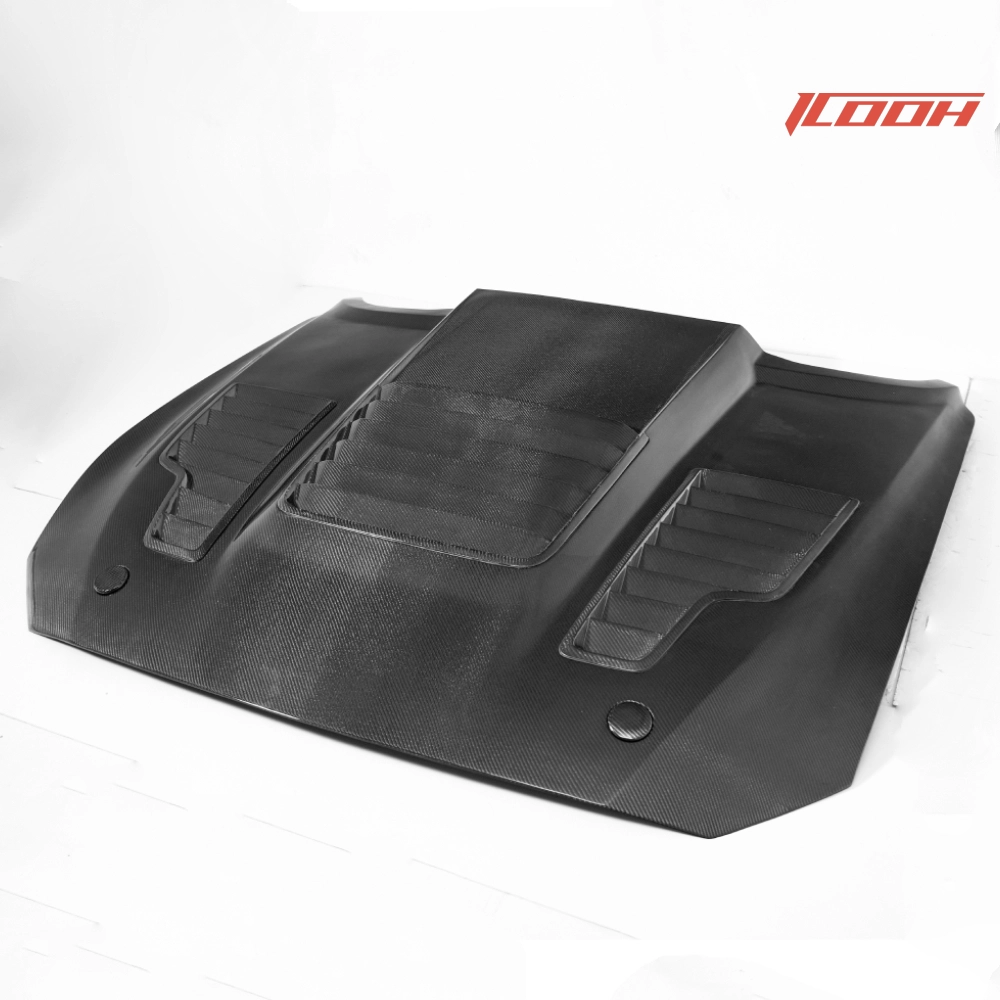
005 Ford Mustang 2018-2023 S550 Exhaust-style Carbon Fiber Front Hood
005 style Carbon Fiber Front Bonnet Engine Hood for Ford Mustang 2018-2023. made of durable carbon fiber material, precision-engineered for OEM-matched fitment. Lightweight and strong, enhances performance while maintaining a sporty aesthetic. Suitable for aftermarket replacement or performance upgrade with 100% tested quality assurance.
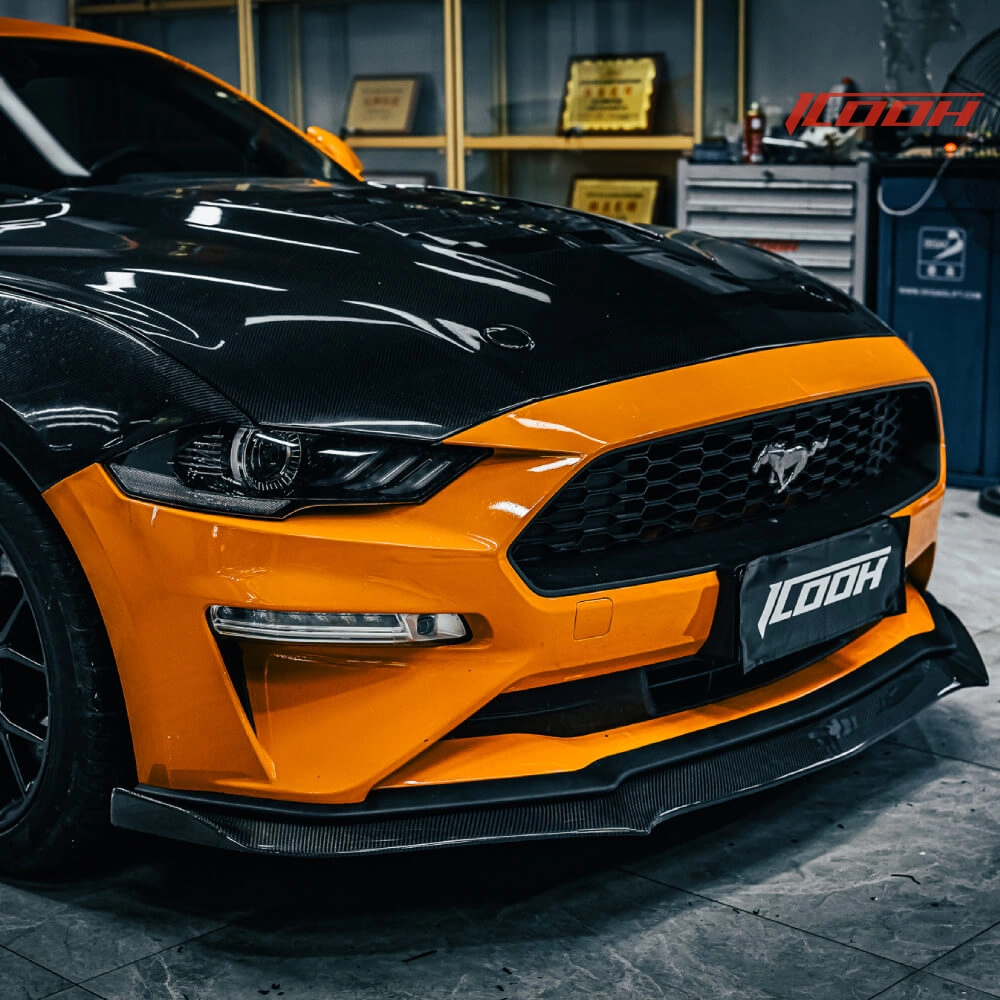
GT350 Ford Mustang 2018-2023 Carbon Fiber Front Lip
Enhance the aerodynamics and style of your Mustang with the 2018–2023 Mustang GT350 Carbon Fiber Front Lip. Crafted from lightweight, high-strength carbon fiber, this front lip delivers improved downforce, sharper front-end appearance, and a precise OEM-style fit.
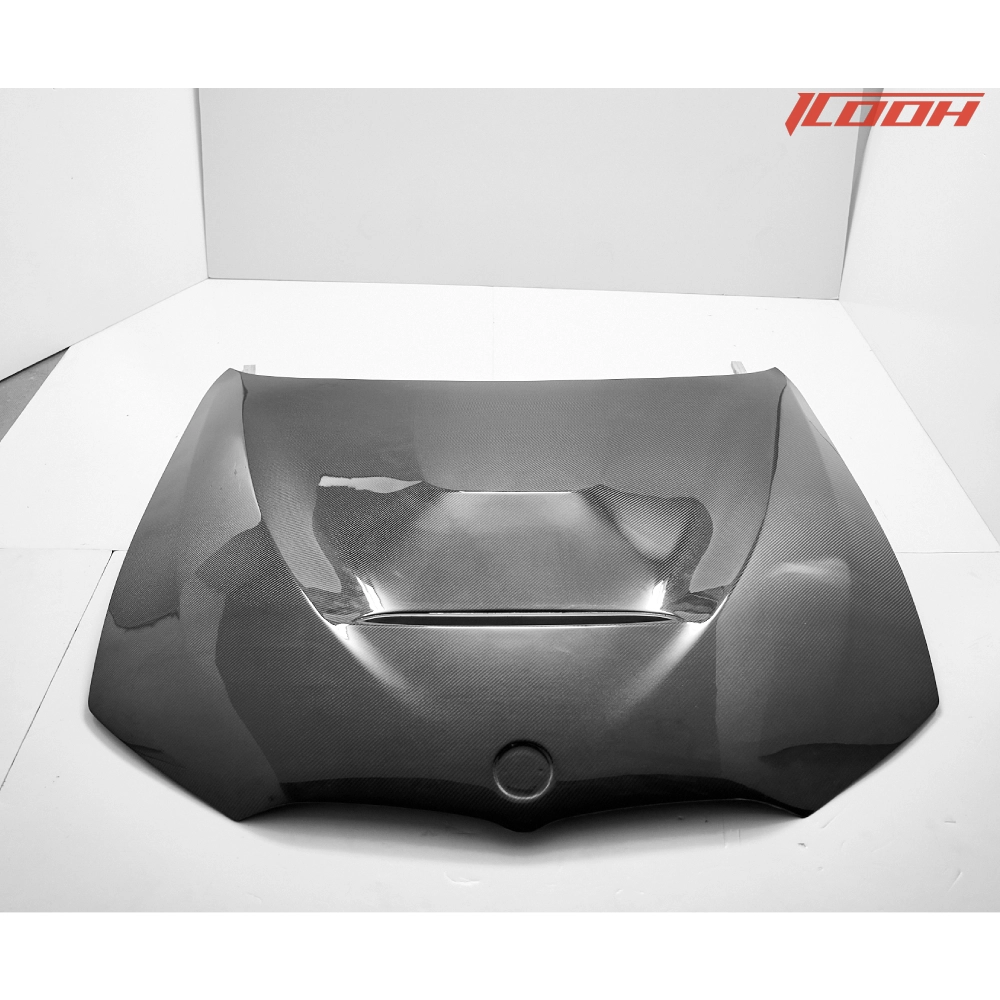
2020-2024 BMW G20 3 Series GTS Style Carbon Fiber Hood
The BMW G20 3 Series GTS-style carbon fiber hood, designed to deliver a lightweight, aggressive, and performance-focused look. Crafted from high-quality carbon fiber, it enhances aerodynamics, improves heat dissipation, and gives your G20 a striking motorsport appearance.

BMW 1 Series F20 GTS style carbon fiber front hood
The BMW 1 Series F20 GTS-style carbon fiber front hood. Made from high-quality carbon fiber, it offers a lightweight, durable construction with improved cooling and a striking performance look. Designed for precise fitment, it enhances both style and aerodynamics for a true motorsport feel.
Lightweight. Durable. Uniquely Yours.
ICOOH is a pioneer in automotive performance and exterior upgrades, compatible with 99% of vehicles worldwide. Let ICOOH be your professional supplier of car tuning parts and performance automotive accessories.
Facebook
Linkedin
Youtube
Instagram